Viral Nation Leverages Artificial Intelligence and Big Data to Redefine Social Media ROI and Creator Marketing Strategies
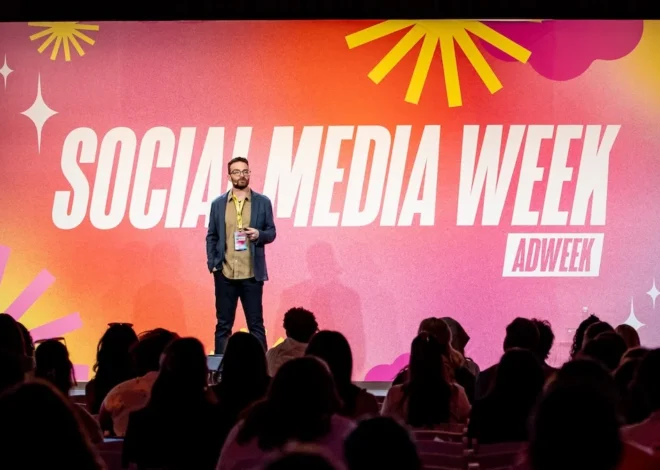
The intersection of social media marketing and artificial intelligence has reached a critical inflection point, moving beyond experimental generative applications toward a robust intelligence infrastructure designed to convert massive data sets into predictable commercial growth. As social media platforms generate an unprecedented volume of digital signals every second, the challenge for modern brands has shifted from mere content creation to the complex task of data orchestration. At a recent Social Media Week session, industry leaders gathered to examine how the transition from manual social media management to AI-driven intelligence is fundamentally altering the landscape for Fortune 500 companies and global creators alike.
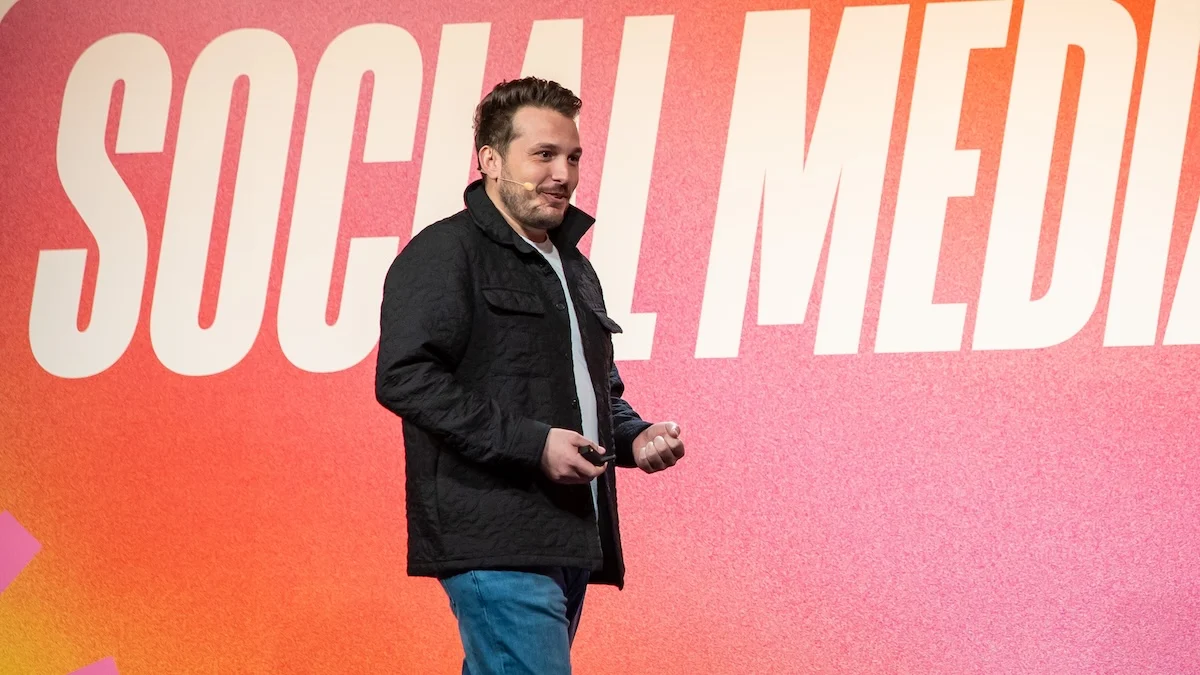
Viral Nation, a prominent social media marketing and creator agency, has emerged as a central figure in this transition. During a keynote presentation co-hosted with the event organizers, Joe Gagliese, founder and CEO of Viral Nation, detailed the company’s evolution from a talent-focused agency to a technology-driven powerhouse. The core of this transformation lies in the utilization of a proprietary data set spanning over 11 years, which the agency uses to fuel a suite of AI tools designed to solve the most persistent challenges in digital marketing: creator discovery, community management, and return on investment (ROI) attribution.
The Foundation of Multimodal Intelligence
The efficacy of any artificial intelligence system is directly tethered to the quality and volume of the data it ingests. In the context of social media, where content is increasingly dominated by short-form video and ephemeral interactions, traditional text-based analysis is no longer sufficient. Viral Nation’s approach centers on what Gagliese describes as "multimodal intelligence," a process that involves the simultaneous processing of visual, auditory, and textual data to capture a holistic view of social media performance.
To date, Viral Nation has ingested and processed over 1.4 million hours of social video and analyzed more than 34 million individual posts. This massive repository allows the agency’s AI to identify specific attributes within content—such as brand mentions, visual aesthetics, sentiment, and audience engagement patterns—with a level of granularity that human teams cannot achieve. By using filtering and multimodal analysis, the agency has built one of the largest specialized data sets in the world, positioning AI not as a future concept, but as a current, functional utility in the marketplace.
"AI is not a concept; AI is in full delivery," Gagliese noted during the session. He emphasized that large organizations are already deploying these tools to unlock "signals" within the noise of social media. These signals are the precursors to informed decision-making, allowing brands to understand not just what is happening, but why it is happening and how it can be leveraged for profit.
Creator Discovery: Moving Beyond Manual Curation
One of the primary friction points in the creator economy remains the discovery and qualification of talent. Historically, this process has been labor-intensive, relying on manual keyword searches, hashtag tracking, and subjective assessments of "brand fit." With the global creator population estimated to be in the hundreds of millions, manual sourcing is inherently limited and prone to bias.
Viral Nation has addressed this inefficiency by developing a creator discovery intelligence tool that draws from a database of over 100 million creators worldwide. The system operates by ingesting a specific campaign brief and automatically cross-referencing its requirements against millions of data points. This includes historical performance data, audience demographics, and content sentiment. By automating the qualification process, the AI can identify the most effective creators for a specific campaign in a fraction of the time it would take a human team.
This shift represents a massive milestone in the maturation of the creator economy. As brands move away from "celebrity" influencers toward a more diverse array of niche creators, the ability to find the right match through data-driven precision is becoming a competitive necessity. The system ensures that creators are selected based on their proven ability to drive specific outcomes rather than their follower counts alone.
Community Management as a Revenue Driver
For years, community management—the act of responding to comments and engaging with followers—was viewed primarily as a defensive or brand-maintenance function. It was often outsourced or assigned to junior staff as a way to "keep the lights on" in the comments section. However, Viral Nation’s AI tools are reframing community management as a proactive intelligence gathering and sales generation engine.
The agency’s community management tool utilizes AI to monitor thousands of concurrent conversations across various platforms. Instead of simply filtering for spam, the AI analyzes every comment to identify "intent" in real time. Each interaction is assigned an urgency level and a recommended course of action. For example, a comment asking about product availability or pricing is flagged as a high-intent sales signal, prompting an immediate response that can lead directly to a conversion.
Gagliese revealed that this approach is reaching a point of "commercial momentum," where the revenue generated through AI-enhanced community management exceeds the cost of the service itself. "Community management is where the people are. It’s where the customers are," Gagliese stated. By turning social interactions into actionable intelligence, brands can bridge the gap between social engagement and the bottom line, effectively turning a cost center into a profit center.
The ROI Breakthrough: UGC vs. Cinematic Content
Perhaps the most significant challenge in social media marketing has been the "attribution gap"—the difficulty of proving that social media activity directly results in sales. Viral Nation’s AI tools aim to close this gap by measuring creative variables directly against sales data. This involves analyzing the specific elements of a video—such as the lighting, the script, the presence of a product, and the creator’s delivery—to see which factors correlate most strongly with consumer purchase behavior.
The findings from this data-driven analysis are challenging long-held beliefs in the advertising industry. Specifically, Viral Nation’s data indicates that user-generated content (UGC) is 46% more efficient at driving sales than traditional, high-production "cinematic" content. While cinematic advertisements may offer high aesthetic value, they often lack the authenticity and relatability that drive modern social media users to take action.
Furthermore, the data suggests a counterintuitive reality regarding "awareness" campaigns. Traditionally, marketers have separated campaigns into "top-of-funnel" awareness and "bottom-of-funnel" sales-focused initiatives. However, Viral Nation’s analysis shows that broad awareness campaigns led by creators are often converting more efficiently than those specifically designed for direct sales.
"Imagine how empowering it is for me to walk into a room with a CMO of a Fortune 500 company and be able to literally show them that they’re making more money from awareness creator campaigns than from creator campaigns that are meant for sales," Gagliese said. This insight allows marketing executives to reallocate budgets with confidence, prioritizing strategies that are empirically proven to work rather than those that align with traditional advertising tropes.
Chronology and Market Context
The development of these AI tools did not happen in a vacuum. The timeline of Viral Nation’s growth reflects the broader evolution of the social media industry:
- 2014-2017: Viral Nation is founded, focusing on the nascent influencer marketing space and manual talent management.
- 2018-2020: The rise of TikTok and short-form video creates a massive influx of data, highlighting the need for better analytics.
- 2021-2022: Viral Nation secures significant funding to pivot toward a technology-first model, beginning the ingestion of millions of hours of video content.
- 2023-2024: The agency launches its suite of AI tools, moving from data collection to predictive modeling and real-time community intelligence.
This evolution mirrors the global trend in marketing technology. According to industry reports, the global AI in marketing market is expected to grow from $15.8 billion in 2023 to over $82 billion by 2030. Companies are increasingly moving away from "vanity metrics"—such as likes and shares—toward "commercial metrics" that reflect actual business growth.
Broader Impact and Industry Implications
The implications of AI-driven social media marketing extend beyond individual brand success. This shift is likely to lead to several industry-wide changes:
- The Professionalization of the Creator Economy: As AI makes it easier to measure the exact value of a creator, the industry will move toward more standardized, performance-based pricing models.
- The Death of the Silo: The ability to link social media interactions to direct sales will force marketing, sales, and customer service departments to integrate their data and strategies more closely.
- Authenticity as a Scalable Asset: The 46% efficiency lead of UGC over cinematic content proves that authenticity is not just a buzzword but a measurable financial asset. Brands will likely continue to shift their budgets away from traditional agencies and toward creator-led strategies.
- Real-Time Crisis Management: AI’s ability to assign "urgency levels" to comments means that potential PR crises can be identified and neutralized in minutes, rather than days.
As the Social Media Week session concluded, the consensus among attendees was clear: the era of "guessing" in social media is over. With 11 years of data and sophisticated multimodal AI, organizations like Viral Nation are providing the roadmap for a new era of digital marketing—one where data-driven signals lead to informed decisions, and those decisions lead to measurable, sustainable growth. The challenge for brands moving forward will not be whether to adopt AI, but how quickly they can build the intelligence infrastructure necessary to stay competitive in an increasingly automated world.
Related posts:




Related Posts
Beyond Follower Counts How Algorithmic Shifts and Integrated Strategies are Redefining Social Media Success in 2024
The Evolution of Social Media Management How Artificial Intelligence is Reshaping Brand Engagement and Community Moderation