Transforming Social Data into Actionable Business Intelligence Through the Slack and Sprout Social Strategic Framework
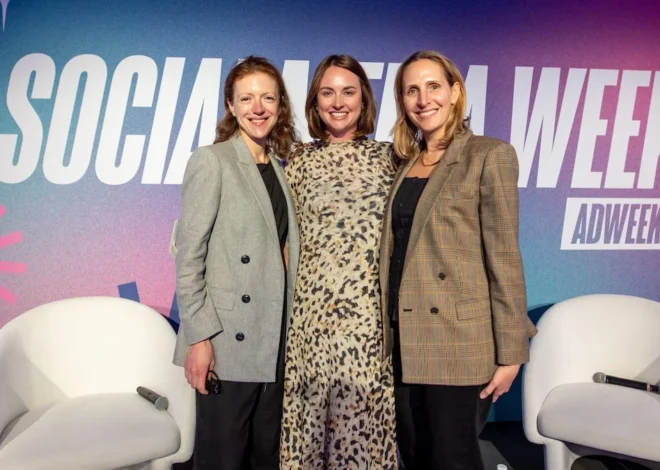
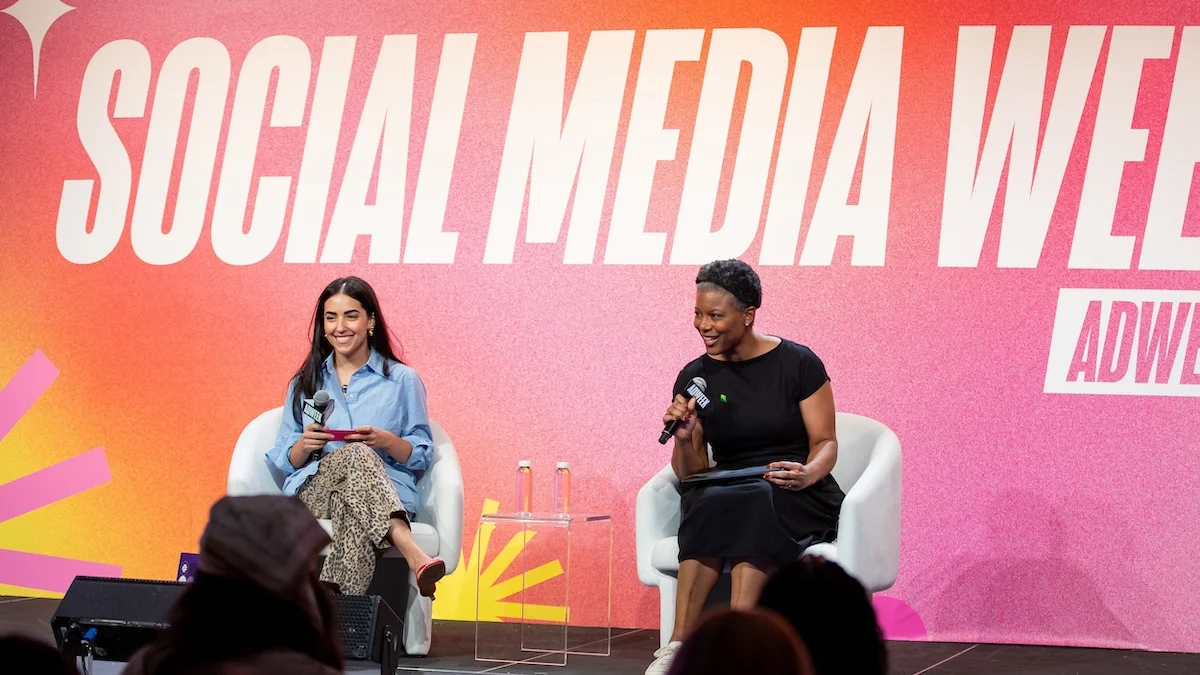
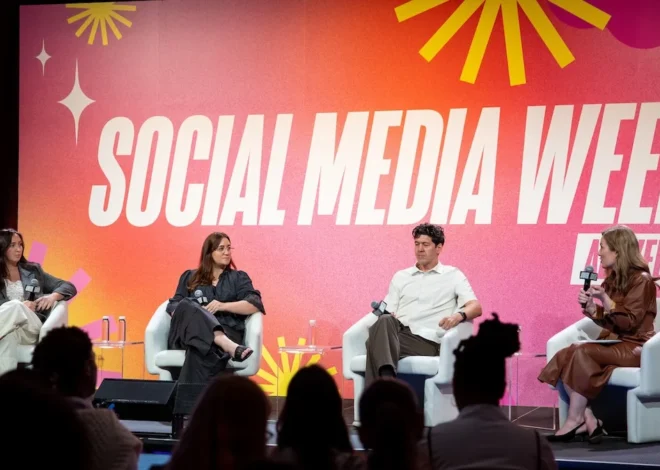
The modern corporate landscape is characterized by a paradox of plenty: brands currently possess more consumer data than at any other point in history, yet the vast majority of this information remains untapped and underutilized. As digital touchpoints proliferate, the challenge for marketing and communications teams has shifted from the acquisition of data to the extraction of "signal" from the surrounding noise. During a featured session at Social Media Week, an event co-hosted by Sprout Social, industry leaders explored the methodologies required to transform raw social intelligence into decisive business action. The discussion, featuring Sabrina Barekzai, Director of Social Media Strategy at Slack, and Brittany Hennessy, VP of Social Intelligence Evangelism at Sprout Social, provided a comprehensive blueprint for how organizations can identify meaningful signals, respond with agility, and bridge the gap between social media engagement and tangible business outcomes.
The Recontextualization of Social Intelligence
To understand the shift in modern marketing, one must first establish a clear definition of social intelligence. According to Brittany Hennessy of Sprout Social, the discipline transcends mere data collection. It is the process of extracting data from the traditional "content spreadsheet" and converting it into insights that can be integrated into broader business strategies. This definition marks a departure from the historical view of social media as a siloed broadcast channel, repositioning it instead as a primary source of market research and consumer sentiment.
The necessity for this shift is supported by broader industry trends. According to recent market analysis, the social listening and intelligence market is projected to grow significantly as companies seek to mitigate the risks of "data fatigue." When social media teams focus solely on vanity metrics such as likes or follows, they often miss the nuanced behavioral signals that indicate shifting consumer needs or emerging market opportunities. Social intelligence, therefore, serves as the analytical bridge that connects community management to product development and corporate strategy.
The Social Intelligence Loop: A Five-Stage Framework
A central component of the Social Media Week discussion was the introduction of a systematic approach to data processing. Hennessy outlined a circular framework designed to move teams from observation to measurement. While many organizations view data processing as a linear path, the most successful brands treat it as a continuous feedback loop.
1. Conversation
The process begins with the conversation. This stage involves monitoring what audiences are saying, how they are reacting to specific stimuli, and how they engage across various platforms. This includes not only direct mentions of a brand but also broader participation in cultural trends and industry-specific discussions.
2. Detection
Once the raw data of conversation is captured, the detection phase begins. This is where teams filter out the "noise"—the irrelevant or repetitive data points—to identify "signals." A signal is a piece of information that suggests a trend, a pain point, or an opportunity that warrants further investigation.
3. Interpretation
Interpretation is the analytical heart of the framework. In this stage, social intelligence teams translate identified signals into actionable meaning. This requires asking why a certain conversation is happening and what it reveals about the audience’s psychological or functional relationship with the brand.
4. Activation
Activation is the phase where insight is turned into action. This might involve launching a new marketing campaign, adjusting brand messaging, or, in more advanced cases, influencing product roadmap decisions. The speed of activation is often the primary differentiator between market leaders and laggards.
5. Outcome
The final stage is the measurement of outcomes. This involves assessing the impact of the activation on the business, whether through increased sales, improved brand sentiment, or higher engagement rates. Crucially, these outcomes then feed back into the "Conversation" stage, informing the next cycle of the loop. Hennessy emphasized that the more effectively an organization can move through this loop, the more responsive and resilient it becomes in a volatile digital economy.
Slack’s "Social as a Coworker" Philosophy
Sabrina Barekzai provided a practical application of these theories by detailing Slack’s unique approach to platform interaction. For Slack, a tool designed for workplace collaboration, the goal of social media is to mirror the utility and personality of the product itself. Barekzai noted that the brand strives to be intuitive, human, participatory, and pleasant.
This philosophy manifests in treating the brand’s social media presence as if it were a coworker—someone a user might tag in a joke, seek advice from, or pull into a professional conversation. This human-centric approach is a strategic move to de-corporate the brand’s image, making it more approachable in a B2B (business-to-business) sector that is often criticized for being overly formal and detached.
Barekzai introduced the concept of "comments as the new currency." In the current social media algorithm landscape, proactive participation in comment sections often yields higher visibility and community loyalty than the original posts themselves. By engaging in the "comments" layer of social media, Slack is able to participate in cultural moments in real-time, reinforcing its identity as a participatory member of the professional community rather than a distant entity.
Data-Driven Success: Benchmarking Slack’s Performance
The efficacy of Slack’s strategy is evidenced by its performance metrics, particularly on LinkedIn, which has become the primary battleground for B2B engagement. Barekzai shared that over the past year, Slack published 485 LinkedIn posts, achieving an average engagement rate of 6.2%.
To put this figure into perspective, industry benchmarks for B2B engagement on LinkedIn typically hover around 2%. Slack’s ability to triple the industry average suggests that its "Social Intelligence Loop" and participatory philosophy are resonating deeply with its professional audience. These metrics are not merely vanity figures; high engagement rates on professional platforms correlate with higher brand recall and lower customer acquisition costs. Analysts suggest that Slack’s high performance is a direct result of its shift from a "broadcast" mindset to a "listening" mindset, where content is tailored to the actual conversations occurring within the community.
Chronology of a Signal: The "Seasonal Delight" Case Study
One of the most compelling examples of social intelligence in action provided during the session was the chronology of Slack’s "Seasonal Delight" campaign. This case study illustrates how a social media signal can migrate from a marketing experiment to a permanent product feature.
The initiative began as a limited, one-time feature for Halloween, allowing users to update their Slack status with holiday-themed icons and animations. The social media team immediately noticed a surge in engagement. Users were not just using the feature; they were taking screenshots, sharing them on social platforms, and asking for more variations.
Timeline of Activation:
- Initial Launch: Slack releases Halloween-themed status updates as a temporary "delight" feature.
- Signal Detection: The social media team monitors an influx of positive comments and high sharing volume on X (formerly Twitter) and LinkedIn.
- Internal Advocacy: Barekzai’s team takes this social data to the product development department. They present the high engagement rates as evidence of a "product commitment" opportunity rather than just a marketing moment.
- Product Expansion: Based on this social intelligence, Slack’s product team expands the feature to include other holidays and seasonal moments, integrating it into the core user experience.
This sequence demonstrates the power of social intelligence to break down internal silos. When social media teams can provide hard evidence of user demand, they become essential consultants for product and engineering teams.
The Strategic Pivot: From Output to Input
The session concluded with a call for a fundamental mindset shift within marketing departments. For years, the primary question for social media managers has been, "What should we post next?" Barekzai argued that this is the wrong starting point. Instead, the question should be, "What are people saying back to us?"
When organizations prioritize "input" (what the audience is saying) over "output" (what the brand wants to say), the result is a more authentic and effective communication strategy. This shift allows for the creation of a social intelligence loop that fosters collaboration across different departments, including sales, customer success, and R&D.
Broader Implications for the Industry
The insights shared by Slack and Sprout Social reflect a broader maturation of the social media industry. As artificial intelligence and machine learning become more integrated into social listening tools, the ability to process vast amounts of unstructured data will only improve. However, the human element—the "Interpretation" and "Activation" phases of the loop—remains the most critical factor.
Industry analysts suggest that the next frontier for social intelligence will be the integration of social data into the broader tech stack, such as Customer Relationship Management (CRM) systems like Salesforce (which owns Slack). By connecting social signals to individual customer profiles, brands can move toward a "Segment of One" marketing strategy, where interactions are highly personalized based on real-time social behavior.
Furthermore, the success of Slack’s human-centric approach serves as a template for other B2B organizations. In an era of AI-generated content and automated bots, the value of human-like interaction and genuine community participation is at an all-time high. Brands that can successfully treat social media as a "coworker" and a "listening post" will be best positioned to navigate the complexities of the modern digital marketplace.
In summary, the Social Media Week session highlighted that the future of social media is not found in more data, but in better signals. By implementing a structured loop of detection, interpretation, and activation, brands like Slack are proving that social media is no longer just a megaphone—it is a vital organ of business intelligence.
Related posts:


Related Posts
Beyond Follower Counts How Algorithmic Shifts and Integrated Strategies are Redefining Social Media Success in 2024
Viral Nation Leverages Artificial Intelligence and Big Data to Redefine Social Media ROI and Creator Marketing Strategies