Beyond Follower Counts How Algorithmic Shifts and Integrated Strategies are Redefining Social Media Success in 2024
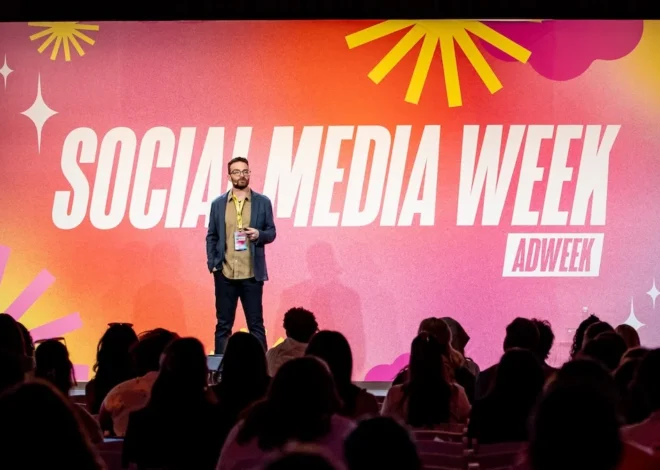
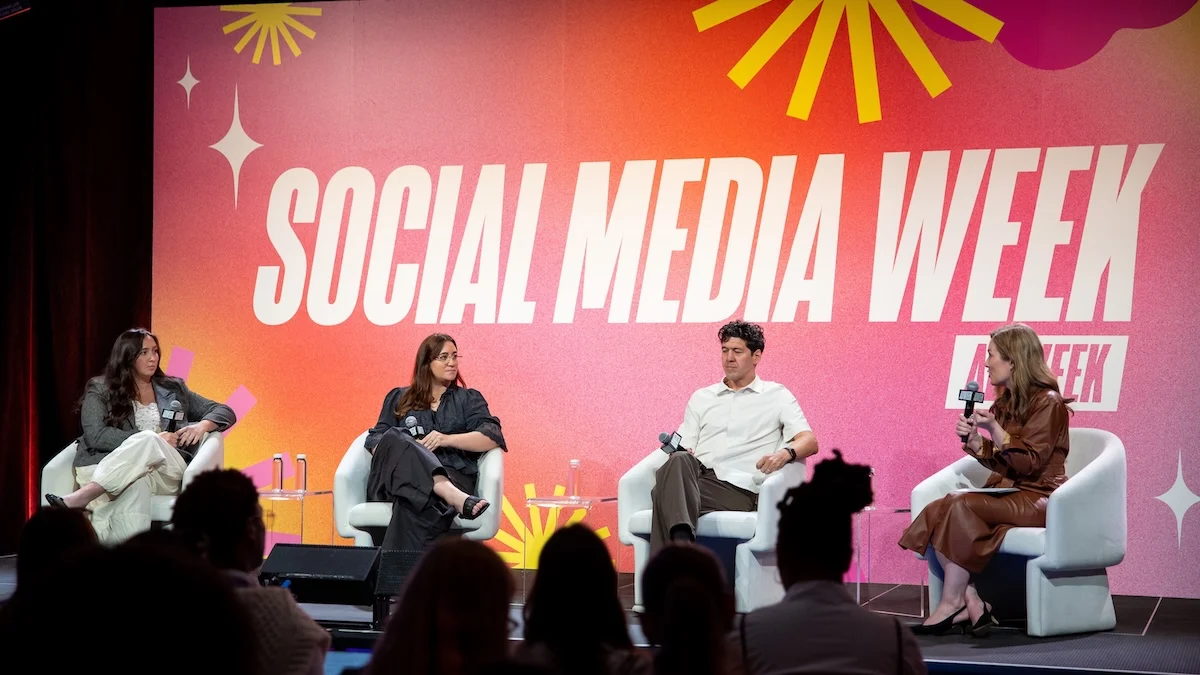
The landscape of digital marketing is undergoing a seismic shift as social media platforms transition from connection-based networks to interest-based discovery engines. This evolution has rendered the traditional "follower count" a secondary, if not tertiary, metric for measuring brand health and campaign efficacy. During a featured panel at the latest Social Media Week, industry leaders from Dash Social and the global lifestyle brand Free People gathered to dissect this transformation. The consensus among the experts was clear: the era of the social graph is being eclipsed by the era of the interest graph, requiring a fundamental rewrite of the marketing playbook.
The panel, co-hosted by Dash Social, highlighted how the algorithms governing platforms like TikTok and Instagram now prioritize personalized content delivery over chronological updates from followed accounts. This shift has profound implications for how brands allocate their budgets, structure their internal teams, and define the "Total Social Impact" of their digital presence. As brands grapple with declining follower growth despite record-high engagement, the discussion provided a roadmap for navigating a world where "views" and "shares" have become the new currency of digital influence.
The Dethroning of the Follower Count
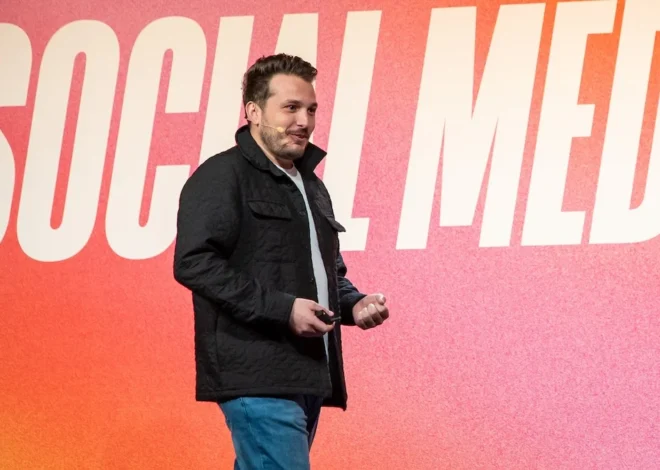
Ryan Sasaki, Chief Product Officer at Dash Social, opened the session by addressing the elephant in the room: the diminishing value of the follower count. For over a decade, the number of followers a brand possessed was viewed as the ultimate indicator of its reach and authority. However, Sasaki noted that this metric has lost its predictive power regarding how many people will actually see a brand’s content.
In the foundational years of social media, roughly between 2010 and 2018, the user experience was defined by the "social graph"—a network of connections where users primarily saw content from people and brands they explicitly chose to follow. Sasaki explained that in this legacy environment, a consumer had to follow a brand to guarantee visibility. Today, that logic has been upended. The rise of the "interest graph," popularized by TikTok’s recommendation engine, means that algorithms now serve content based on user behavior, watch time, and topical relevance rather than existing social connections.
According to Sasaki, it is no longer unusual for established brands to see their follower counts stagnate or even decrease while their overall reach expands. This paradox occurs because users no longer feel the necessity to "follow" a brand to stay updated; the algorithm does the work for them. Sasaki revealed that on Instagram, there has been a twofold increase in views coming from non-followers across the board. This data suggests that a brand’s potential audience is no longer limited to its "subscriber" base but is instead limited only by the quality and resonance of its content.
A New Hierarchy of Metrics: From Likes to Shares
As followers move to the background, new KPIs (Key Performance Indicators) are emerging to take their place. Addie Hearn, Senior Social Media Manager at Free People, argued that "views" and "shares" are now the most critical data points for her team. While "likes" were once the gold standard for engagement, Hearn suggested they have become a "passive" metric that requires very little effort from the user and offers limited algorithmic boost.
Shares, on the other hand, represent a much higher level of intent and social proof. When a user shares a post—whether to their own public story or via a private direct message (often referred to as "dark social")—they are effectively acting as a brand ambassador. Hearn explained that getting a user to "like" a post is relatively easy, but getting them to "share" it or spend significant time "viewing" it is the real challenge in a high-speed digital environment.
The emphasis on views also aligns with the "eyes-on" strategy. In a fragmented media market, capturing attention is the first hurdle. For Free People, a view is a signal of brand awareness that can be nurtured into a conversion, whereas a follower who never sees the content provides zero value to the bottom line. This perspective shifts the focus from building a static audience to creating dynamic, viral-ready content that can penetrate the "For You" pages of millions of potential customers who may not yet be aware of the brand.
The Total Social Impact (TSI) Framework
Recognizing the need for a more comprehensive way to measure success in this fragmented environment, Dash Social developed a proprietary metric known as Total Social Impact (TSI). Sasaki described TSI as a holistic way to evaluate a brand’s social media footprint by aggregating data across both earned and paid efforts.
The traditional way of reporting social media success often involves looking at individual platforms in isolation—tracking Instagram likes in one spreadsheet and TikTok views in another. TSI seeks to bridge these gaps, providing a single score that reflects how a brand is resonating across the entire digital ecosystem. This approach accounts for the "halo effect," where an organic post on TikTok might drive a surge in branded searches on Google or a spike in traffic to an Instagram shop.
Addie Hearn noted that the TSI metric has been transformative for the Free People team. It allows them to identify "blind spots" in their strategy. For instance, while Free People focuses heavily on TikTok and Instagram, the TSI data might reveal untapped potential in other areas or show where their organic efforts are being amplified—or hindered—by their paid advertising. Hearn emphasized that TSI reinforces the idea that social media is a long-term, multi-channel game rather than a series of isolated daily posts.
Breaking the Silos: The Free People Case Study
One of the most compelling segments of the panel focused on the internal organizational structure of Free People, which has seen triple-digit social media growth over the past year. Unlike many corporate marketing departments where "Organic Social" and "Paid Social" operate in separate silos with different budgets and goals, Free People has integrated these functions into a single, cohesive unit.
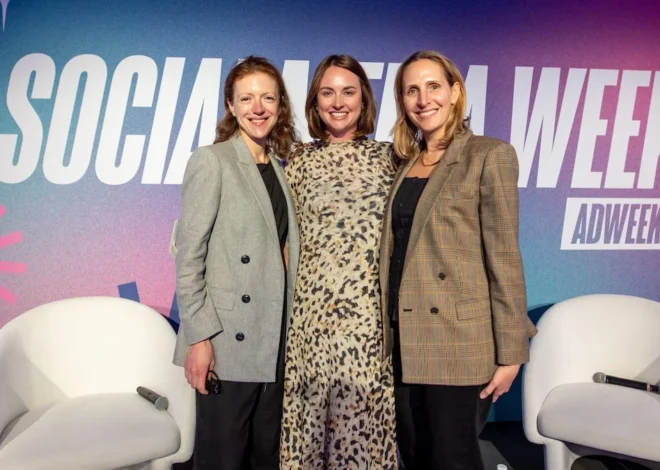
Addie Hearn leads the organic side, focusing on community building, creative storytelling, and engagement-driven content. Coleen O’Hara, Senior Social Media Marketing Manager, leads the paid side, focusing on targeted reach, conversion, and ROI. Despite their different focuses, the two teams work in a constant feedback loop.
O’Hara explained that the organic team acts as the "creative pros," testing content in the wild to see what resonates naturally with the community. When a particular piece of organic content performs exceptionally well, O’Hara’s team reviews it to determine how it can be scaled through paid media. This "organic-first" approach to advertising ensures that paid ads feel authentic and less like traditional commercials, which is crucial for younger demographics like Gen Z and Millennials who are notoriously averse to overt advertising.
The collaboration goes both ways. The paid team shares data-driven insights back to the organic team, highlighting which products or aesthetics are driving the most clicks and conversions. This synergy ensures that every post, whether sponsored or natural, is informed by both creative intuition and hard data. O’Hara noted that at the end of a campaign, the recap isn’t just about "organic views" or "paid reach"—it is a unified view of how the two forces combined to achieve the brand’s objectives.
A Chronology of Social Media Measurement
To understand why this shift is happening now, it is helpful to look at the chronology of social media marketing:
- 2005–2010 (The Acquisition Era): Success was measured by the sheer volume of users. Brands focused on building a "fan base" on Facebook.
- 2011–2016 (The Engagement Era): The "Like" became king. Brands optimized for chronological feeds, and "engagement rates" (likes/comments per follower) were the primary KPI.
- 2017–2021 (The Video & Stories Era): The introduction of Instagram Stories and the rise of TikTok shifted the focus to "Views." Algorithms began to favor video retention over static image interaction.
- 2022–Present (The Discovery & Impact Era): The follower count becomes "vanity" as the interest graph takes over. Measurement shifts to "Shares," "Saves," and "Total Social Impact," with a heavy emphasis on breaking down the walls between organic and paid media.
Broader Implications for the Industry
The insights shared during Social Media Week suggest a broader shift in the digital economy. As platforms become more "entertainment-centric" and less "connection-centric," brands must behave more like media companies and less like traditional advertisers.
The move toward metrics like TSI also reflects a growing need for "Attribution 2.0." In a world where privacy changes (such as Apple’s iOS 14.5 update) have made individual user tracking more difficult, holistic metrics that measure overall brand lift and social footprint are becoming the preferred method for justifying marketing spend to C-suite executives.
Furthermore, the Free People model suggests that the future of marketing talent lies in "cross-functional" literacy. Social media managers can no longer afford to be just "creative" or just "analytical." The most successful teams will be those that can speak the language of both community engagement and performance marketing.
Conclusion: The Path Forward
The "dethroning" of the follower count is not a sign that social media is becoming less effective; rather, it is a sign that the medium is maturing. As Ryan Sasaki and the team at Free People demonstrated, the brands that thrive in 2024 and beyond will be those that embrace the unpredictability of the algorithm.
By focusing on content that earns its reach through shares and views, and by integrating organic and paid strategies to maximize "Total Social Impact," brands can navigate the decline of the follower count and build a more resilient, impactful digital presence. The message for marketers is clear: stop counting your followers and start making your content count. Success in the modern era is no longer about how many people you have in your "tent," but about how far your voice carries across the digital landscape.
Related posts:


Related Posts
Viral Nation Leverages Artificial Intelligence and Big Data to Redefine Social Media ROI and Creator Marketing Strategies
The Evolution of Social Media Management How Artificial Intelligence is Reshaping Brand Engagement and Community Moderation