
Automation

The True Enterprise AI Advantage Lies Not in Models, But in the Operating Layer
The current discourse surrounding enterprise Artificial Intelligence (AI) is overwhelmingly focused on the prowess of foundational models and their benchmark performance. Discussions often revolve around direct comparisons between leading models like GPT and Gemini, their reasoning scores, and incremental gains in specific capabilities. However, this public conversation overlooks a more fundamental and enduring competitive advantage: […]

The Critical Role of Context Payload Optimization in In-Context Learning for Tabular Foundation Models
The past couple of years have witnessed a significant surge in investment and development within the domain of tabular foundation models, encompassing both open-source and commercial offerings. These models are increasingly built around the principle of "in-context learning" (ICL), a paradigm shift from traditional supervised machine learning. A prime example of this evolution is SAP’s […]

The Paradox of Progress: Chinese Tech Workers Tasked with Training Their AI Replacements
The burgeoning artificial intelligence revolution, once heralded as a tool for augmentation, is presenting a stark new reality for tech workers in China, where some employers are now instructing their employees to meticulously document and train AI agents to perform their very jobs. This directive, amplified by a viral GitHub project and widespread discussions on […]

Demystifying the P-Value: A Crucial Concept in Data Science Often Misunderstood
As data scientists, we’ve all encountered it: the abrupt question mid-conversation, "What exactly does a p-value mean?" The initial response, often fumbled and evolving over time, highlights a widespread challenge. This fundamental concept, crucial across numerous scientific and analytical fields, is frequently explained in ways that obscure its true meaning, leading to widespread misinterpretation. The […]
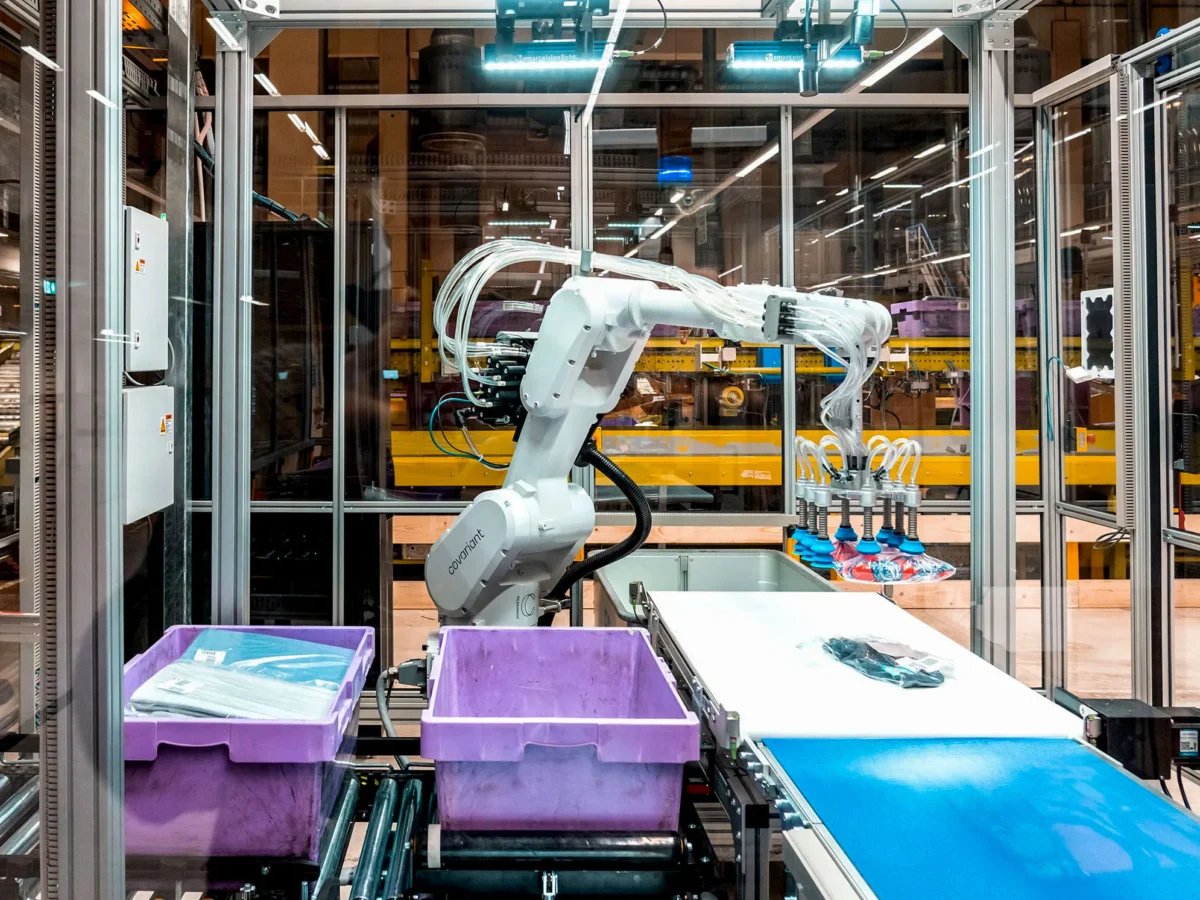
The Dawn of Practical Robotics: How AI is Reshaping the Future of Humanoid Machines
For decades, the field of robotics existed in a curious paradox: researchers harbored grand ambitions of creating machines that could rival the complexity and adaptability of the human body, yet their practical achievements were often confined to specialized, industrial applications. The vision of sophisticated, C-3PO-like assistants capable of navigating the world and interacting seamlessly with […]

Oracle Expands Agentic AI Platform to Revolutionize Corporate Banking Operations with Advanced Automation and Intelligent Decision-Making
Oracle, the Texas-based enterprise technology behemoth, has significantly advanced its agentic AI capabilities, announcing the integration of sophisticated new embedded AI tools and agents specifically tailored for its corporate bank clientele. This strategic move marks a pivotal moment in the digital transformation of corporate banking, offering a suite of AI-infused applications and pre-built agents designed […]
