


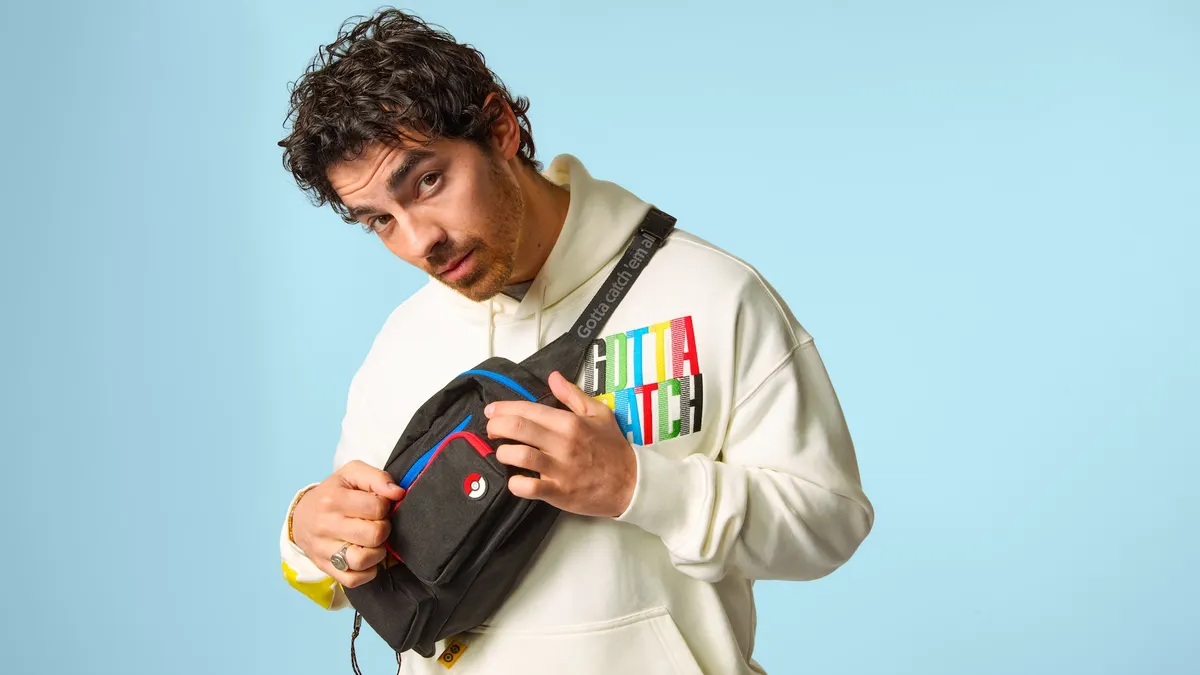
In a strategic move to capture the intersection of nostalgia and modern digital influence, Target has officially launched an expansive collaboration with the Pokémon franchise to commemorate its 30th anniversary. The campaign, which debuted in mid-April 2026, marks a significant milestone for both the Minneapolis-based retail giant and the global entertainment powerhouse. By leveraging a "social-first" marketing strategy, Target is prioritizing content creators and high-profile celebrities to bridge the gap between long-term collectors and the rising generation of Gen Z consumers. The initiative highlights a broader trend in the retail industry where fandom-driven merchandising is used as a primary engine for driving both digital engagement and physical foot traffic.
The Evolution of the Pokémon x Target Collaboration
The partnership between Target and Pokémon is not a new phenomenon, but the scale of the 30th-anniversary collection represents a peak in their long-standing relationship. The new product line spans a wide array of categories, including apparel, home goods, food and beverages, and stationery. To differentiate this launch from standard licensing deals, Target has curated a selection of co-branded partnerships with heritage labels that evoke a specific sense of 1990s and early 2000s nostalgia.
Key partners within the collection include Mead, known for its iconic school supplies; Lip Smacker, the flavored lip balm brand that dominated the youth market for decades; Caboodles, the purveyor of retro makeup organizers; and Starter, the athletic apparel brand synonymous with 90s streetwear. By integrating these specific brands, Target is tapping into the "kidult" trend—a demographic of adults who purchase toys, games, and memorabilia from their childhood. This demographic has become increasingly vital for retailers as disposable income shifts toward experiences and products that offer emotional comfort.
Gigi Guerra, Target’s vice president of creative curation, emphasized that the collaboration is a testament to the retailer’s ability to identify and capitalize on cultural movements. "It’s a clear expression of how Target leads with merchandising authority—bringing together our trend expertise and deep fan insights to create what guests are excited about right now, in a way that’s unmistakably and exclusively Target," Guerra stated in official press materials accompanying the launch.
A Social-First Marketing Strategy: Creators as Trainers
The centerpiece of the campaign is its innovative use of social media and creator-led storytelling. Rather than relying solely on traditional television spots or print advertisements, Target has recruited a diverse roster of content creators to act as "trainers." In the Pokémon universe, a trainer is a character who catches, trains, and cares for Pokémon creatures. By adopting this persona, influencers are tasked with introducing the new product line to their respective audiences through authentic, narrative-driven content.
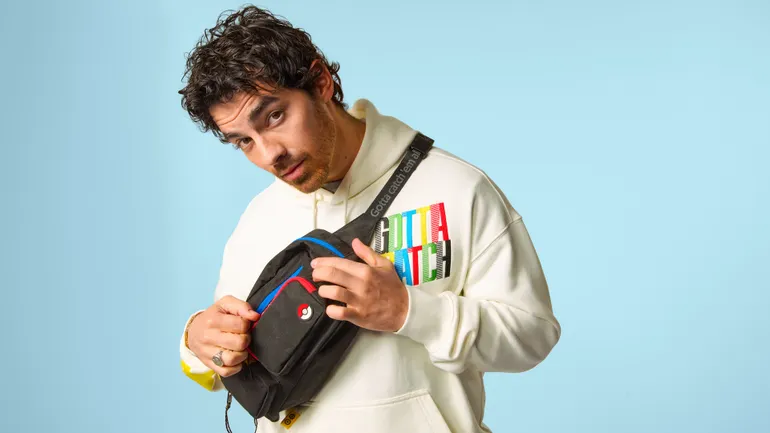
Among the high-profile figures leading the campaign is musician Joe Jonas. A self-professed lifelong fan of the franchise, Jonas represents the millennial "bridge" consumer who grew up with the original Game Boy titles and has remained engaged with the brand through its various iterations. His involvement spans multiple platforms, including social media, digital advertisements, and out-of-home (OOH) displays. The inclusion of Jonas is a calculated effort to lend celebrity credibility to the campaign while maintaining the personal touch that social-first marketing requires.
This "trainer" approach allows creators to demonstrate how the products fit into their daily lives, whether through "Get Ready With Me" (GRWM) videos featuring Pokémon-themed Caboodles or lifestyle photography showcasing the Starter apparel line. By decentralizing the marketing message through various creators, Target ensures that the campaign reaches niche communities within the broader Pokémon fandom, from competitive players to casual collectors and fashion enthusiasts.
Historical Context: Thirty Years of Pokémon and Retail
To understand the weight of this collaboration, one must look back at the trajectory of the Pokémon franchise. Launched by Nintendo in Japan in February 1996 as "Pocket Monsters Red and Green," the franchise quickly expanded into a global juggernaut. By the time it reached North American shores in 1998, it had already begun its transformation into a multi-media empire encompassing video games, a trading card game (TCG), an animated series, and feature films.
Over the last three decades, Pokémon has maintained a unique position in the market, consistently refreshing its roster of creatures and gameplay mechanics to appeal to new generations while retaining its original fanbase. Target has historically been a primary destination for Pokémon TCG releases and exclusive merchandise, making this 30th-anniversary event a natural progression of their partnership. The 2026 campaign reflects how far the franchise has come, moving from a niche hobby to a lifestyle brand that can support a full-scale retail takeover.

Financial Landscape and the Role of Roundel
The timing of this campaign is crucial for Target, following a period of mixed financial results. According to recent earnings transcripts, Target reported a fourth-quarter revenue of $30.45 billion, which represented a 1.49% year-over-year decrease. In a challenging retail environment marked by fluctuating consumer spending, high-engagement events like the Pokémon collaboration are designed to stimulate demand and increase the frequency of guest visits.
A significant bright spot in Target’s financial strategy has been the growth of Roundel, its in-house retail media company. Roundel allows Target to leverage its first-party data to create highly targeted advertising for its brand partners. The Pokémon campaign is a prime candidate for Roundel’s capabilities, as it allows the retailer to track the effectiveness of social-first content and optimize its digital spend in real-time. Executives have noted that Roundel has become a significant revenue driver, providing a high-margin stream of income that offsets some of the pressures in the traditional retail sector.
By integrating Roundel’s data-driven approach with the creative energy of the Pokémon franchise, Target is able to create a closed-loop marketing ecosystem. They can identify which "trainer" content is driving the most conversions and adjust their inventory and promotional strategies accordingly across their 1,900+ stores and digital platforms.
The Fandom Economy: Competitive Analysis
Target’s focus on fandom is part of a larger industry-wide shift toward community-based marketing. In recent months, other major brands have launched similar initiatives to capture the attention of specialized consumer groups.
- Popeyes x One Piece: The fast-food giant Popeyes recently announced a partnership with the long-running anime series "One Piece." This collaboration featured a limited-time menu and exclusive merchandise, targeting the massive and highly loyal anime community.
- Archer Meat Snacks x The Mandalorian: Archer Meat Snacks launched a line of co-branded mini meat snacks in conjunction with the upcoming film "The Mandalorian and Grogu." This move aimed to tap into the "Star Wars" fanbase, particularly those looking for portable, protein-rich snacks that align with their interests.
These examples illustrate that fandom is no longer a secondary consideration for marketing departments; it is a primary vehicle for brand differentiation. For Target, the Pokémon 30th-anniversary campaign is a way to defend its territory as the "cool" big-box retailer, a reputation it has carefully cultivated through designer collaborations and curated brand partnerships over the years.

Chronology of the 2026 Pokémon x Target Rollout
The rollout of the campaign followed a meticulous timeline designed to build anticipation and sustain momentum throughout the spring season:
- Late February 2026: Early teasers were released on Target’s social media channels, featuring cryptic silhouettes of Pokémon and the logos of partner brands like Mead and Caboodles.
- March 15, 2026: Target officially announced the collaboration through a press release, revealing Joe Jonas as the face of the campaign and detailing the "trainer" creator program.
- April 1, 2026: Pre-orders for limited-edition items, such as the Pokémon x Starter jackets, opened exclusively for Target Circle members, driving sign-ups for the retailer’s loyalty program.
- April 16, 2026: The full collection launched in-store and online, accompanied by a nationwide OOH campaign and the first wave of creator-led content on TikTok, Instagram, and YouTube.
- May 2026 (Projected): Target plans to host in-store "Trainer Events," where fans can trade cards and participate in scavenger hunts, further blurring the lines between digital engagement and physical retail experiences.
Implications for the Future of Retail
The success of the Pokémon x Target campaign will likely serve as a blueprint for future retail collaborations. The emphasis on nostalgia, the use of high-profile creators as narrative "trainers," and the integration of retail media data represent the modern frontier of consumer engagement.
For the Pokémon franchise, this 30th-anniversary celebration reinforces its status as an evergreen brand capable of sustaining high-level retail interest. For Target, it provides a much-needed boost in engagement and a way to deepen its relationship with Gen Z and millennial shoppers who value authenticity and community.
As the retail landscape continues to evolve, the ability to tap into the "fandom economy" will be a deciding factor for brands looking to maintain relevance. Target’s proactive approach—combining merchandising expertise with a sophisticated digital strategy—positions it as a leader in this space. By turning a product launch into a cultural event, Target is not just selling merchandise; it is facilitating a shared experience for millions of fans who have grown up with the mantra "Gotta Catch ‘Em All."
In conclusion, the Pokémon x Target 30th-anniversary campaign is more than a simple licensing deal; it is a complex, multi-layered marketing initiative that reflects the current state of global retail. By prioritizing social-first content, leveraging nostalgic brand partnerships, and utilizing data-driven retail media, Target is effectively navigating the challenges of the modern market while celebrating one of the most successful franchises in entertainment history. The coming months will determine the long-term impact on Target’s bottom line, but the initial reception suggests that the retailer has successfully captured lightning in a bottle—or, in this case, a Poké Ball.



Comments (0)