
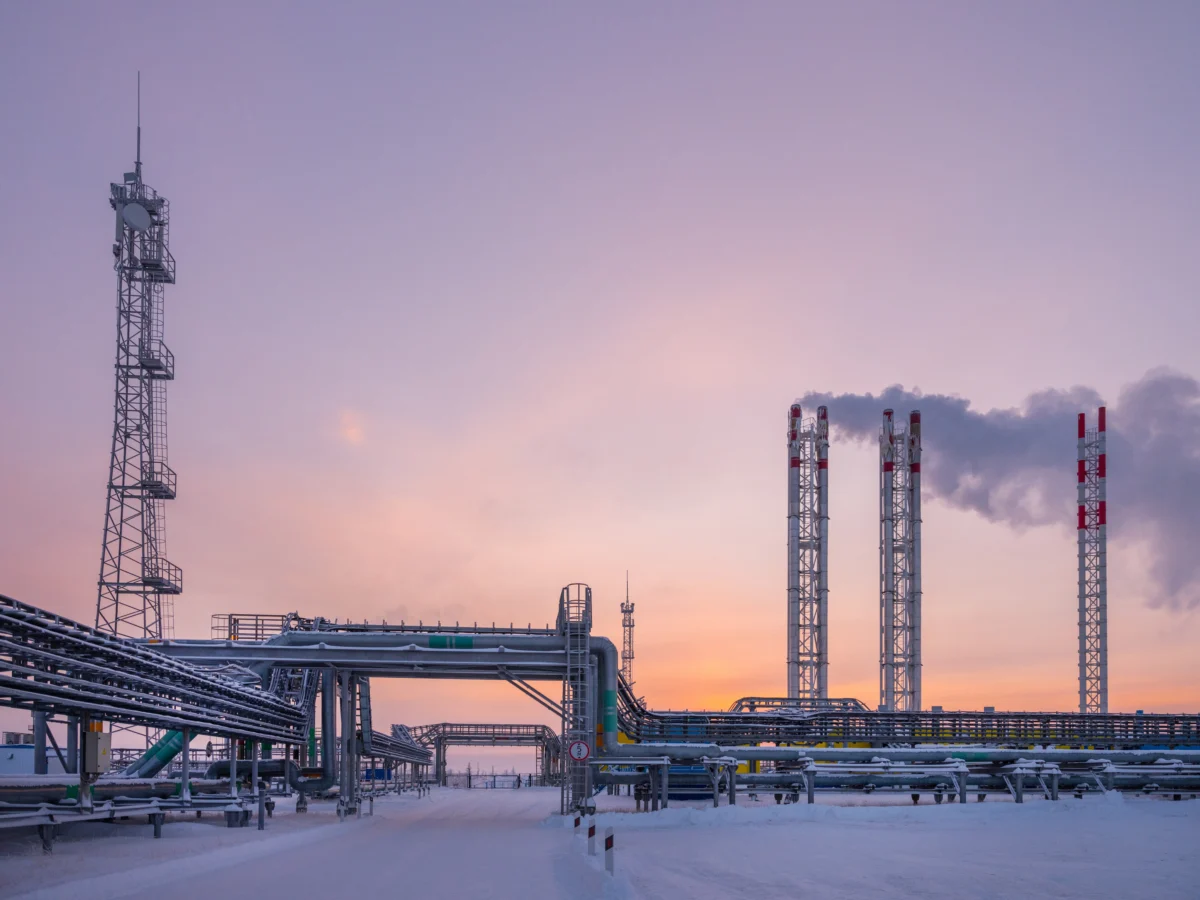
Southeast Asia Navigates Worst Energy Crisis in Decades, Pivoting to Russia Amidst Hormuz Blockade
The escalating Middle East conflict, centered on Iran and the subsequent closure of the strategically vital Strait of Hormuz, has plunged the world into its most severe energy crisis in decades. For Southeast Asia, a region heavily reliant on Middle Eastern crude and liquefied natural gas (LNG), the impact has been particularly acute, with governments scrambling to secure alternative energy supplies to avert economic collapse. This desperate search has led many nations in the region to an unexpected, yet increasingly necessary, partner: Russia, a country once ostracized by Western sanctions but now emerging as a crucial lifeline.
The Genesis of a Global Crisis: Conflict in the Middle East and the Hormuz Blockade
The current energy predicament stems directly from the intensifying geopolitical tensions in the Middle East. As of early 2026, a protracted conflict involving Iran has reached a critical juncture, leading to the complete shutdown of the Strait of Hormuz. This narrow waterway, often referred to as the world’s most important oil transit choke point, connects the Persian Gulf with the Gulf of Oman and the Arabian Sea. Prior to its closure, approximately 21 million barrels of oil per day, representing about one-third of the world’s seaborne oil trade, and a significant portion of global LNG, passed through this strategic artery. Major oil producers like Saudi Arabia, Iran, Iraq, Kuwait, Qatar, and the UAE rely on Hormuz for their exports, making its blockage an unprecedented shock to global energy markets.
The immediate aftermath of the blockade saw crude oil prices skyrocket to historic highs, with Brent futures briefly touching $200 per barrel amidst panic buying and supply uncertainty. LNG spot prices followed suit, placing immense pressure on import-dependent economies. Shipping routes were rerouted where possible, but the sheer volume of energy commodities typically transiting Hormuz proved impossible to fully compensate for through alternative pipelines or overland routes. The global economy, already grappling with inflationary pressures, faced the specter of widespread industrial shutdowns, crippling transportation costs, and a significant deceleration in economic growth.
Southeast Asia: A Region Under Duress
Southeast Asia, a dynamic and rapidly growing region of over 670 million people, found itself disproportionately affected. The region collectively relies on the Middle East for over half of its oil and LNG imports. Nations like Singapore, Thailand, and the Philippines are almost entirely dependent on imported energy, while even producers like Malaysia and Indonesia still import significant quantities to meet domestic demand and refinery needs. The sudden cessation of supplies through Hormuz threatened to cripple their economies, which are heavily integrated into global supply chains and reliant on affordable energy for manufacturing, logistics, and daily life.
Governments across the Association of Southeast Asian Nations (ASEAN) reacted with a mix of alarm and urgency. Emergency strategic reserves, where available, were tapped, but these offered only temporary relief. Diplomatic overtures were made to non-Middle Eastern producers, but global spare capacity was quickly exhausted. The specter of widespread blackouts, industrial stagnation, and social unrest loomed large, pushing leaders to explore every conceivable option, including those previously considered politically untenable.
The Unlikely Resurgence: Russia as a Lifeline
Against this backdrop of global energy turmoil, Russia, a nation still under extensive Western sanctions following its 2022 invasion of Ukraine, emerged as a surprisingly viable, if controversial, alternative supplier. Russia boasts vast crude oil and natural gas reserves and a well-developed export infrastructure, predominantly westward, but increasingly adaptable to eastward flows. With traditional European markets significantly curtailed due to sanctions, Russia had been actively seeking new buyers, albeit often at discounted prices, and Southeast Asia’s desperate need presented an unparalleled opportunity.
The pivot to Russian crude marks a significant shift, signaling a pragmatic re-evaluation of geopolitical alliances in the face of an existential energy crisis. Since early April 2026, a growing number of Southeast Asian nations have initiated or concluded deals to secure Russian oil, effectively breaking a four-year hiatus in significant engagement with Moscow’s energy sector for many in the region.
Chronology of Southeast Asia’s Engagement with Russia:
- Early April 2026: Following the Hormuz blockade, initial reports indicate several Southeast Asian governments discretely exploring options with non-traditional suppliers, including Russia. The urgency escalates rapidly as existing contracts become unfulfillable.
- April 13, 2026: Indonesia’s Diplomatic Overture. Indonesian President Prabowo Subianto undertakes a high-stakes visit to Moscow, meeting with Russian counterpart Vladimir Putin. The official agenda highlights "priority areas for cooperation," specifically mentioning the "economic and energy sectors." This visit signals a clear intent from Jakarta to secure Russian energy supplies. Indonesia, a major LNG exporter but also a significant oil importer, is particularly vulnerable to supply disruptions.
- April 16, 2026: Indonesia’s Energy Minister Confirms Intent. Indonesian Energy Minister Bahlil Lahadalia publicly confirms Jakarta’s proactive pursuit of Russian oil. He emphasizes the country’s annual crude oil requirement of approximately 300 million barrels and states, "We will seize every opportunity because it is important to pursue all options that serve national interests." He anticipates inflows of Russian oil by the end of April, with state energy firm Pertamina leading the procurement efforts.
- March 30, 2026: Vietnam’s Early Engagement. Even before Indonesia’s high-level visit, Vietnam had already begun exploring Russian energy options. Binh Son Refining and Petrochemical, a major Vietnamese refinery, announced it was in advanced talks with Russian partners to purchase crude oil. This move underscores Vietnam’s proactive approach to diversifying its energy sources amidst regional instability.
- April 1, 2026: Beyond Fossil Fuels – Nuclear Cooperation. Russia’s engagement with Vietnam extends beyond traditional fossil fuels. Russian state corporation Rosatom confirms plans to construct two reactors for Vietnam’s inaugural nuclear energy plant, Ninh Thuan 1. Slated to commence operations by 2035, this project highlights a deeper, long-term strategic energy partnership, offering Vietnam a pathway to greater energy independence and cleaner power generation, although the immediate crisis remains focused on hydrocarbons.
- April 18, 2026: Malaysia Joins the Fray. Malaysia, a net oil and gas exporter but also a significant importer for specific refinery needs, formally announces its intention to engage with Russia. Prime Minister Anwar Ibrahim confirms that Petronas, Malaysia’s national oil company, is "set to negotiate for sufficient supplies of oil for domestic use." Anwar highlighted the existing "good relations" with Russia, paving the way for direct negotiations. This marks Malaysia’s most significant return to Russian oil procurement since the imposition of Western sanctions in 2022.
Russia’s Strategic Re-emergence and Economic Windfall
For Russia, the global energy crisis ignited by the Hormuz blockade represents an unexpected and substantial geopolitical and economic windfall. Since 2022, Russia’s energy sector had faced unprecedented pressure from a coalition of Western nations, including the U.S., EU, UK, and G7, which imposed price caps, import bans, and financial sanctions aimed at crippling Moscow’s war machine. While these measures forced Russia to reorient its energy exports towards Asian markets like China and India, often at discounted prices, the new crisis has dramatically altered the landscape.
The International Energy Agency (IEA), based in Paris, reported a significant rebound in Russia’s energy revenues. In March 2026, crude oil exports rose by 270,000 barrels per day. More strikingly, Russia’s oil product revenues nearly doubled from $9.75 billion in February to an estimated $19 billion in March, reflecting both increased volumes and a hardening of global prices. This surge in revenue provides Moscow with crucial financial resources, mitigating the long-term impact of Western sanctions and bolstering its geopolitical standing. Russian officials have consistently positioned the country as a "reliable energy partner," emphasizing its capacity to meet market demand regardless of geopolitical pressures.
Global Realignments: Pragmatism Over Principle
The energy crisis has forced a broader global reassessment of sanctions and energy policies, demonstrating a clear shift where pragmatism is taking precedence over established principles. Even nations that spearheaded the sanctions regime against Russia have had to make concessions to maintain global energy stability.
- United States Waiver Extension: On April 18, Washington renewed a crucial waiver allowing U.S. firms to purchase sanctioned Russian oil. This extension, replacing an agreement set to expire on April 11, underscores the Biden administration’s difficult balancing act between maintaining pressure on Russia and preventing a complete meltdown of global energy markets. While U.S. officials may publicly frame this as a temporary measure to ensure supply, it undeniably provides a legitimate pathway for Russian oil to reach international markets.
- China’s Return: In March 2026, Chinese oil majors Sinopec and PetroChina resumed seeking Russian crude cargoes after a four-month hiatus, as reported by Reuters. China, a perennial major importer of Russian energy, temporarily scaled back some purchases due to logistical and pricing considerations, but the renewed global scarcity and price hikes made Russian crude, even with any lingering discounts, an attractive proposition once more.
- International Reactions: The IEA and other international energy bodies have found themselves in a challenging position, advocating for diversification and energy security while acknowledging the immediate necessity of securing any available supply. While they continue to stress the importance of long-term sustainable energy transitions, the immediate crisis has pushed fossil fuels back to the forefront of national security concerns.
Southeast Asian officials have been forthright in their reasoning, consistently citing "national interests" as the paramount driver behind their pivot to Russian crude. As Indonesia’s Bahlil Lahadalia articulated, the sheer volume of energy required annually necessitates exploring all options, regardless of their geopolitical complexities.
Economic and Geopolitical Implications
The immediate economic implication for Southeast Asia is a potential reprieve from the worst effects of the energy crisis. Access to Russian oil and gas, even if at higher prices than pre-crisis levels, offers a vital buffer against industrial collapse and widespread economic disruption. However, this comes with a new set of challenges:
- Dependency Risks: While diversifying away from the Middle East, Southeast Asian nations risk creating a new dependency on Russia, a supplier with its own geopolitical agenda and susceptibility to future sanctions or disruptions.
- Sanctions Evasion Concerns: Increased purchases of Russian oil, even under a U.S. waiver, could complicate relations with Western partners who may view it as undermining the broader sanctions regime against Moscow. This creates a delicate diplomatic tightrope for ASEAN nations to walk.
- Financial Infrastructure: Facilitating payments for Russian oil may still present challenges due to ongoing financial sanctions, potentially requiring complex workarounds and non-dollar transactions.
Geopolitically, Russia’s resurgence as a critical energy supplier significantly strengthens its hand on the global stage. It validates Moscow’s long-standing strategy of pivoting to Asia and demonstrates the limitations of Western-led sanctions when faced with a severe global crisis. The crisis has exposed the fragility of the international energy order and accelerated a trend towards a more multipolar energy landscape, where traditional alliances are being reshaped by economic necessity. The erosion of sanctions, even if temporary, provides Moscow with a narrative of resilience and indispensability.
The Road Ahead: Challenges and Uncertainties
The current reliance on Russian energy, while necessary, is fraught with uncertainties. The duration and intensity of the Middle East conflict remain unpredictable, as does the long-term stability of the Strait of Hormuz. Should the conflict de-escalate and the Strait reopen, the calculus for Southeast Asian nations might shift again, potentially leading to renewed pressure from Western allies to reduce reliance on Russia.
Moreover, the crisis has highlighted the urgent need for Southeast Asia to accelerate its transition to renewable energy sources and enhance domestic energy security. While nuclear power, as seen in Vietnam’s deal with Rosatom, offers a long-term solution, the immediate crisis underscores the vulnerability of fossil fuel dependence. The short-term pivot to Russian oil, while providing critical relief, may inadvertently delay investments in cleaner, more sustainable energy infrastructure, pushing climate goals further out of reach.
In conclusion, the 2026 energy crisis, triggered by the Middle East conflict and the Hormuz blockade, has forced Southeast Asia into an unprecedented geopolitical and economic realignment. The region’s desperate search for energy has thrust Russia, a one-time pariah, back into a central role as a crucial, albeit controversial, supplier. This pragmatic shift underscores the harsh realities of energy security in a volatile world, where national interests often trump geopolitical principles, reshaping alliances and recalibrating the global energy order for years to come.
Related posts:




Related Posts

‘We should absolutely be concerned about non-college-educated men today’: higher rents, living at home, falling out of the labor market | Fortune
Nashville Incident Highlights Critical Role of Air Traffic Control and Onboard Safety Systems in Averting Mid-Air Collision