
India’s Trade Deficit Narrows to $20.67 Billion in March Amidst Middle East Conflict Disruptions and Global Economic Headwinds
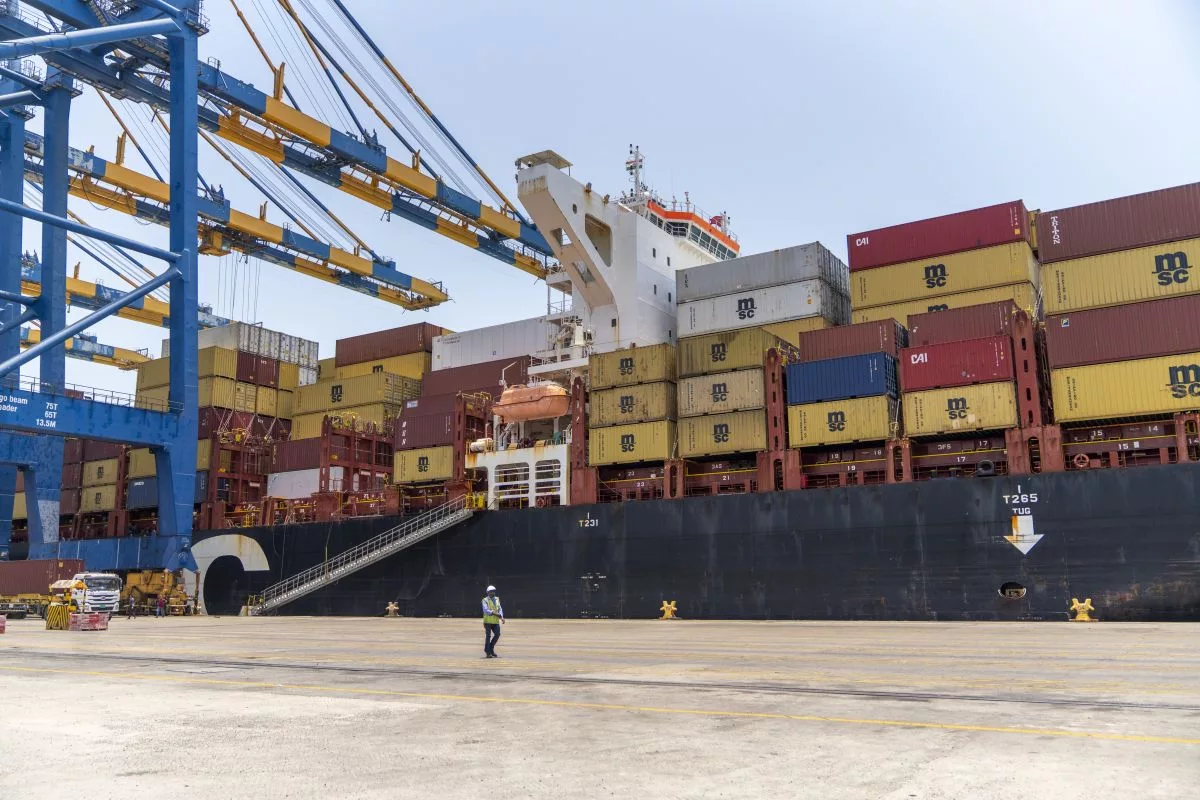
New Delhi, India – India’s merchandise trade deficit significantly narrowed in March, registering at $20.67 billion, down from $27.1 billion in February. This unexpected contraction, which defied economists’ forecasts of a $28.5 billion deficit in a Bloomberg survey, is primarily attributed to severe disruptions in shipping routes and energy supplies stemming from the escalating conflict in the Middle East. Data released by the Ministry of Commerce and Industry on April 15 highlighted a synchronous decline in both imports and exports, underscoring the profound impact of geopolitical tensions on global trade flows and India’s economic resilience.
The Geopolitical Crucible: A Strait Under Siege
The narrowing of India’s trade gap reflects the first full month of comprehensive disruption since the Middle East conflict intensified following U.S. and Israeli strikes on Iran on February 28. These actions dramatically escalated tensions in an already volatile region, particularly impacting the Strait of Hormuz. This narrow, yet critically vital, waterway connects the Persian Gulf to the open oceans, serving as the world’s most important oil transit chokepoint. Approximately 20-30% of the world’s petroleum liquids pass through this strait daily, making any impediment to its traffic a global concern. Iran’s subsequent tightening grip on this corridor has effectively choked a crucial shipping artery, leading to increased freight costs, extended delivery times, and heightened insurance premiums for vessels traversing the region.
The conflict’s ripple effects have extended far beyond the immediate geographical confines of the Middle East, impacting global supply chains and commodity markets. For a rapidly growing economy like India, heavily reliant on imported energy, the implications are particularly acute. India imports nearly 90% of its crude oil requirements and more than half of its liquefied petroleum gas (LPG), making it one of the economies most exposed to disruptions in this strategic region.
Detailed Trade Performance in March
According to the Ministry of Commerce and Industry, India’s imports in March fell by 6.5% year-on-year, totaling $59.59 billion. Concurrently, exports experienced a sharper decline, dropping by 7.4% to $38.92 billion compared to the same period last year. While a decline in both metrics points to a slowdown in overall trade activity, the more substantial percentage reduction in imports compared to exports played a key role in the unexpected narrowing of the deficit. This particular dynamic suggests a potential dampening of domestic demand or a shift in procurement strategies in response to elevated global uncertainties and supply chain challenges.
Commerce Secretary Rajesh Agrawal elucidated the direct impact of the crisis on India’s bilateral trade with the Middle East. In March alone, exports to the region plummeted by an estimated $3.5 billion, while imports from the Middle East saw an even more significant contraction of $8.7 billion. This substantial reduction in regional trade underscores the immediate and tangible economic consequences of the conflict. Sectors particularly affected included India’s exports of jewelry, electronics, and fuel, all of which witnessed declines in shipments to Middle Eastern markets. The disruption is not merely about energy; it encompasses a broader range of goods and services, highlighting the intricate interdependencies of global trade.
Chronology of Escalation and Impact
The current trade landscape can be traced back to a series of escalating events in the Middle East. While regional tensions have been simmering for years, the specific trigger for the recent severe disruptions began with the aforementioned U.S. and Israeli strikes on Iran on February 28. This action, interpreted as a significant escalation, immediately put the Strait of Hormuz on high alert.
- February 28: U.S. and Israeli strikes on Iran mark a critical turning point, intensifying geopolitical risks in the Persian Gulf.
- Early March: Shipping companies and maritime insurers begin issuing heightened risk advisories for vessels transiting the Strait of Hormuz and surrounding waters. Reports emerge of increased military presence and scrutiny by Iranian forces in the corridor.
- Throughout March: Freight rates for routes involving the Middle East surge. Vessels face delays, and some shipping lines opt for longer, more expensive alternative routes to avoid the high-risk zones, impacting delivery schedules and costs for various commodities, including crude oil, refined petroleum products, and manufactured goods.
- April 15: Ministry of Commerce and Industry releases March trade data, capturing the first full month of these disruptions, revealing the significant narrowing of India’s trade deficit and the decline in regional trade with the Middle East.
This timeline demonstrates how quickly geopolitical events can translate into concrete economic impacts, particularly for nations deeply integrated into global supply chains.
Official Responses and Mitigatory Strategies
Recognizing the potential for sustained economic headwinds, the Indian government has taken proactive measures to cushion the impact on its exporters. While specific details of these measures were not fully elaborated, they typically include facilitating alternative shipping arrangements, exploring new trade routes, providing financial support or incentives to affected businesses, and engaging in diplomatic efforts to de-escalate tensions and secure maritime safety. Concerns, however, persist that a prolonged conflict will cast a long shadow over India’s trade outlook for the current fiscal year. The government’s immediate focus is on ensuring the continuity of essential supplies, especially crude oil and LPG, while simultaneously diversifying export markets and reducing over-reliance on any single region.
In a separate but related development, Commerce Secretary Rajesh Agrawal confirmed that New Delhi continues its discussions with Washington to finalize a comprehensive trade deal. A delegation from India is scheduled to visit the U.S. from April 20-22 for further deliberations. Such a trade agreement, if concluded, could significantly bolster India’s export capabilities, provide access to new markets, and potentially mitigate some of the risks associated with volatile geopolitical regions by fostering stronger ties with stable economic partners. This initiative highlights India’s strategic foresight in seeking long-term solutions to enhance its trade resilience.
Broader Economic Implications and Future Outlook
The implications of the Middle East conflict extend far beyond mere trade figures, posing multifaceted challenges to India’s broader macroeconomic stability.
- Elevated Oil Prices and Inflationary Pressures: Sustained tensions in the Strait of Hormuz are highly likely to keep global crude oil prices elevated. Any threat to oil transit through this chokepoint sends immediate shockwaves through international energy markets, pushing up benchmarks like Brent and WTI crude. For India, a major oil importer, higher global oil prices directly translate into a heavier import bill, increased fuel costs for consumers, and upward pressure on domestic inflation. This can lead to a rise in transportation costs, manufacturing expenses, and ultimately, consumer prices across a wide range of goods and services, potentially dampening economic growth.
- Current Account Strain: The elevated cost of energy imports, coupled with potential disruptions to other import categories, directly strains India’s current account deficit (CAD). A widening CAD indicates that a country is importing more goods, services, and capital than it is exporting, leading to a net outflow of foreign exchange. Managing a high CAD can be challenging for policymakers, often requiring measures like interest rate hikes or currency interventions, which can have their own economic consequences.
- Currency Depreciation: The rupee has already weakened by 2.6% since the conflict began, a direct reflection of market anxieties regarding India’s economic vulnerability to oil price shocks and capital outflows. A weakening currency makes imports more expensive, further exacerbating inflationary pressures, and can deter foreign investment. While a weaker rupee can make exports more competitive, the overall contraction in global trade due to the conflict may negate some of these benefits.
- Supply Chain Resilience: The disruptions in the Middle East serve as a stark reminder of the fragility of global supply chains. India, like many other nations, is now compelled to re-evaluate its logistics networks, diversify sourcing strategies, and invest in infrastructure that can support alternative trade routes. This long-term strategic shift will be crucial for building greater economic resilience against future geopolitical shocks.
- Global Trade Dynamics: Beyond India, the Middle East conflict has broader implications for global trade. Shipping companies face increased operational costs and security risks, leading to rerouting decisions that add days or weeks to transit times for goods moving between Asia and Europe. This affects just-in-time inventory systems and can lead to shortages or price increases for various commodities worldwide. The situation also highlights the interconnectedness of geopolitical stability and economic prosperity on a global scale.
Conclusion
India’s narrowed trade deficit in March, while seemingly a positive numerical outcome, masks a deeper underlying narrative of economic contraction and vulnerability induced by the Middle East conflict. The simultaneous decline in both imports and exports, coupled with significant reductions in trade with the affected region, underscores the direct economic fallout of geopolitical instability. As the Indian government navigates these turbulent waters, its focus remains on mitigating immediate impacts on exporters, securing essential supplies, and strategically pursuing new trade alliances, such as the ongoing discussions with the U.S. The current challenges serve as a critical impetus for India to enhance its energy security, strengthen supply chain resilience, and diversify its trade partnerships to insulate its rapidly growing economy from the unpredictable forces of global geopolitics. The path ahead will demand careful economic stewardship and astute diplomatic engagement to ensure sustained growth and stability in an increasingly interconnected and volatile world.



Related Posts

Delta Air Lines Adjusts Key Environmental Targets Amidst Slow Sustainable Fuel Progress
China Implements Sweeping Regulations Targeting Foreign Companies for Supply Chain Shifts Amid Escalating Geopolitical Tensions