Japan Pledges $10 Billion Financial Lifeline to Southeast Asia Amidst Soaring Oil Prices and Middle East Conflict
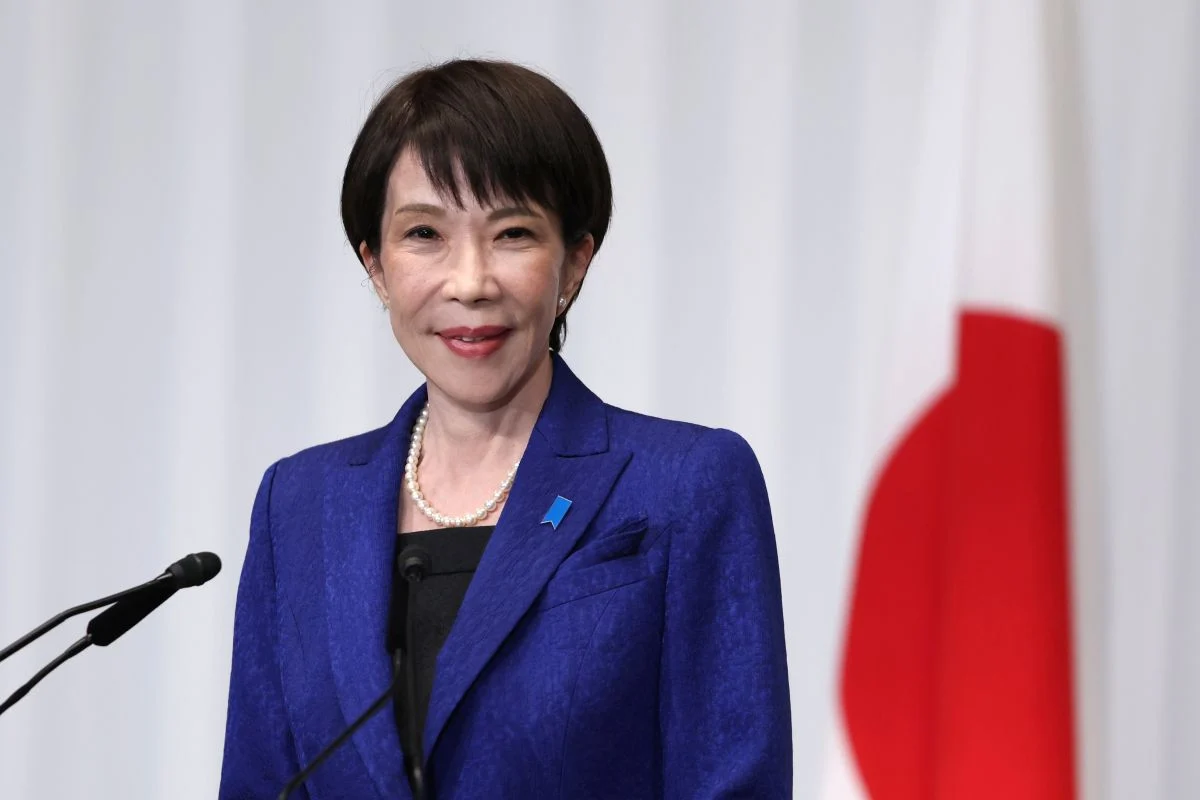
Japan’s Prime Minister Sanae Takaichi announced on April 15, 2026, that Japan would commit approximately $10 billion in financial assistance to Southeast Asian nations grappling with the severe economic repercussions of soaring global oil prices. This critical injection of capital is specifically designed to mitigate the threat posed to the production of essential petroleum-derived products across the region, a cornerstone of numerous Southeast Asian economies. The initiative, unveiled at a high-level regional forum, underscores Japan’s commitment to regional stability and economic resilience, particularly as a prolonged conflict in the Middle East continues to disrupt global energy markets and supply chains.
The announcement was made during a significant gathering that included key economic powerhouses from the Association of Southeast Asian Nations (ASEAN), such as Thailand, Vietnam, the Philippines, and Malaysia, alongside representatives from Japan. The forum served as a critical platform for addressing the shared challenges emanating from the volatile global energy landscape. The Middle East conflict, an escalating geopolitical crisis, has had a disproportionately large impact on these Southeast Asian economies, which are heavily reliant on oil imports, primarily from the Persian Gulf region. This dependence fuels not only their transportation sectors but also the manufacturing of a vast array of petroleum-derived products, ranging from vital plastics and fertilizers to textiles, pharmaceuticals, and synthetic fibers, all of which are indispensable to their industrial bases and consumer markets.
The core objective of Japan’s substantial financial package is twofold: firstly, to empower less-wealthy nations within Southeast Asia to diversify their oil procurement, enabling them to purchase crude from alternative, more stable suppliers such as the United States and other global producers, thereby reducing their vulnerability to Middle Eastern supply disruptions. Secondly, the initiative strategically aims to fortify Japan’s own industries and supply chains, recognizing that the economic health and stability of its Southeast Asian partners are inextricably linked to its own long-term prosperity and regional strategic interests. The proactive measure reflects a deep understanding of the intricate web of economic interdependencies within Asia and a concerted effort to pre-empt broader economic contagion.
The Genesis of a Crisis: Middle East Conflict and Global Energy Volatility
The decision by Prime Minister Takaichi’s administration did not emerge in a vacuum but rather as a direct response to a rapidly deteriorating global energy situation exacerbated by a sustained and intensifying conflict in the Middle East. While specific details of the conflict remain a subject of ongoing geopolitical analysis, its impact on the Strait of Hormuz and other critical shipping lanes has been profound, leading to significant disruptions in crude oil transit and an immediate upward pressure on international benchmark prices. By early 2026, the price of Brent crude, a global benchmark, had reportedly surged past $120 per barrel, with West Texas Intermediate (WTI) following suit, reflecting deep market anxieties over supply security. These price hikes represent a dramatic escalation from pre-conflict levels, which typically hovered around $70-80 per barrel in the preceding years, sending shockwaves through energy-dependent economies worldwide.
For Southeast Asian nations, many of which are net oil importers, this surge translated directly into higher import bills, severe inflationary pressures, and a tangible threat to industrial output. The cost of raw materials derived from petroleum, such as naphtha for petrochemicals, ethylene for plastics, and various feedstocks for synthetic materials, skyrocketed. Factories producing everything from everyday consumer goods to essential agricultural inputs like fertilizers faced untenable production costs, threatening layoffs, reduced output, and ultimately, a slowdown in economic growth that had been a hallmark of the region for decades. The specter of stagflation, a combination of high inflation and stagnant economic growth, loomed large over the region.
Chronology of Escalation and Response
The path to Japan’s $10 billion aid package can be traced through a series of escalating events and policy considerations:
- Late 2024 – Early 2025: Initial signs of geopolitical tensions in the Middle East begin to emerge, causing minor fluctuations in oil prices. Regional economists issue warnings about potential supply chain vulnerabilities.
- Mid-2025: The Middle East conflict intensifies, leading to targeted disruptions in key oil production and shipping infrastructure. Global oil prices begin a sustained ascent, crossing the $100 per barrel threshold.
- Late 2025: Southeast Asian nations report significant increases in import costs, leading to domestic inflation. Manufacturing sectors, particularly those reliant on petrochemicals, begin to experience production slowdowns and rising operational expenses. Public protests over fuel and commodity prices are reported in some countries.
- Early 2026: Oil prices stabilize at elevated levels, indicating a prolonged crisis. International financial institutions like the World Bank and IMF revise down growth forecasts for oil-importing developing economies. Japan begins internal deliberations on a comprehensive response strategy to support regional stability, recognizing its own economic exposure.
- March 2026: Diplomatic consultations intensify between Japan and key ASEAN member states, outlining the severe impact on their economies and exploring potential collaborative solutions. Discussions focus on financial mechanisms to buffer the shock.
- April 15, 2026: Prime Minister Sanae Takaichi officially announces the $10 billion financial support package at the regional forum, formalizing Japan’s commitment to its Southeast Asian partners.
Southeast Asia’s Economic Fabric and Oil Dependence
The economies of Southeast Asia, collectively representing a significant global economic bloc with a combined GDP exceeding $3 trillion, are profoundly integrated into global supply chains. Nations like Thailand, a major automotive and electronics manufacturing hub, and Vietnam, a rapidly growing export-oriented economy, rely heavily on imported energy to power their industrial growth. The Philippines, with its burgeoning manufacturing sector and significant transportation needs, and Malaysia, despite being a modest oil producer, still has substantial energy import requirements for its diverse industrial base.
Petroleum-derived products are not mere luxuries but fundamental components of modern industrial societies. Plastics, for instance, are ubiquitous, essential for packaging, construction, electronics, and medical devices. Fertilizers, produced from natural gas (often co-produced with oil) and petroleum derivatives, are critical for agricultural productivity, directly impacting food security. The textile industry, a major employer in many ASEAN nations, depends on synthetic fibers like polyester, which are petroleum-based. Disruptions in the supply or affordability of these foundational inputs create a ripple effect, impacting every layer of the economy from large industrial complexes to small and medium-sized enterprises (SMEs) and ultimately, the purchasing power of individual consumers. Data from the ASEAN Secretariat indicates that the region’s overall dependence on imported crude oil and refined petroleum products hovers around 70-80%, making it exceptionally vulnerable to price shocks and supply disruptions.
Japan’s Strategic Rationale: Beyond Altruism
While the aid package is presented as a gesture of regional solidarity, it is also deeply rooted in Japan’s strategic economic and geopolitical interests. Japan, a major global economic power and a net energy importer itself, understands the profound impact of energy insecurity. Its own industries, from high-tech manufacturing to automotive production, rely on stable supply chains and robust demand from its largest trading partners. Southeast Asia represents a crucial market for Japanese exports, a significant destination for Japanese foreign direct investment, and an integral part of its extended manufacturing and assembly networks.
A destabilized Southeast Asia, grappling with economic contraction, inflation, and social unrest stemming from energy crises, would inevitably spill over into Japan’s own economic performance. Furthermore, by proactively assisting its neighbors, Japan reinforces its leadership role in the Indo-Pacific region, a strategic imperative in an era of increasing geopolitical competition. This financial support helps Japan maintain its influence, strengthen bilateral ties, and promote a vision of regional stability and prosperity that aligns with its long-term foreign policy objectives, potentially countering the growing influence of other regional powers. The aid also positions Japan as a reliable partner, fostering goodwill and ensuring continued access to markets and resources crucial for its own economic vitality.
Mechanisms of Support and Implementation
The $10 billion financial support package is anticipated to be disbursed through a combination of low-interest loans, credit lines, and potentially direct grants, structured to provide immediate liquidity and long-term stability. The primary mechanism will likely involve facilitating access to credit for national oil companies and major industrial conglomerates in recipient nations, enabling them to secure supply contracts from non-Persian Gulf sources. This could involve direct financial guarantees from Japan to international lenders, thereby reducing the risk profile for these transactions.
The funds are expected to be allocated to several key areas:
- Oil Procurement Diversification: Assisting nations in purchasing crude oil from new suppliers, particularly from North America, Latin America, and other non-traditional sources, thereby reducing reliance on the volatile Middle East.
- Strategic Reserves: Supporting the establishment or expansion of strategic petroleum reserves in recipient countries, enhancing their capacity to weather future supply shocks.
- Energy Efficiency and Renewables: A portion of the aid might also be earmarked for accelerating investments in energy efficiency programs and renewable energy infrastructure, aiming for a more sustainable long-term energy future, though the immediate focus remains on fossil fuel supply.
- Supply Chain Stabilization: Direct support to key manufacturing sectors dependent on petroleum derivatives, potentially through subsidies or preferential credit, to prevent widespread factory closures and job losses.
Detailed frameworks for fund allocation and oversight will be developed in collaboration with individual recipient nations, ensuring transparency and accountability. The involvement of organizations like the Asian Development Bank (ADB), in which Japan is a major stakeholder, could also play a role in administering and monitoring the effective utilization of these funds.
Reactions from Recipient Nations and Expert Analysis
Initial reactions from the targeted Southeast Asian nations have been overwhelmingly positive. Speaking anonymously due to ongoing bilateral discussions, a senior official from the Thai Ministry of Finance expressed profound gratitude, stating, "This timely intervention from Japan is a lifeline. It will allow our industries to breathe, stabilize our domestic prices, and protect countless jobs that were at risk due to the unsustainable cost of energy imports. It underscores the deep friendship and economic partnership between our nations." Similarly, a representative from Vietnam’s Ministry of Industry and Trade lauded the initiative, highlighting its importance for maintaining the momentum of their rapidly growing manufacturing and export sectors. "Access to stable and affordable energy is non-negotiable for our continued development. Japan’s support provides the necessary buffer for us to navigate these turbulent global waters," the representative remarked.
Economic analysts concur on the significance of Japan’s move. Dr. Kenji Tanaka, a senior fellow at the East-West Center specializing in Asian economics, noted, "This $10 billion package is more than just financial aid; it’s a strategic investment in regional stability. It prevents a cascading economic crisis in Southeast Asia that would inevitably impact Japan itself. Furthermore, it strengthens Japan’s diplomatic capital and underscores its role as a responsible regional leader at a critical juncture." Tanaka also emphasized the long-term benefits of diversification, suggesting that while the immediate focus is on oil procurement, the aid could catalyze a broader shift towards more resilient energy strategies in the region.
Broader Impact and Implications
The implications of Japan’s financial support extend far beyond the immediate economic relief.
- Regional Economic Stability: By bolstering the financial capacity of Southeast Asian nations, Japan helps to prevent widespread economic contraction, preserve employment, and stabilize consumer prices, thereby averting potential social unrest and political instability in a geopolitically sensitive region.
- Geopolitical Alignment: The initiative strengthens Japan’s diplomatic ties and goodwill with ASEAN member states, reinforcing its position as a trusted partner and a counterbalance to other rising influences in the Indo-Pacific. This aligns with broader efforts to promote a free and open Indo-Pacific.
- Supply Chain Resilience: For Japan, ensuring the economic health of its regional partners is paramount for the resilience of its own complex global supply chains. Many Japanese companies have extensive operations and investments in Southeast Asia, and their continued viability is crucial for Japan’s domestic industries.
- Precedent for International Cooperation: This substantial aid package could set a precedent for other developed nations to offer similar support to vulnerable economies, highlighting the need for collective action in addressing global crises that transcend national borders.
- Long-Term Energy Transition: While the immediate focus is on fossil fuels, the crisis underscores the urgent need for Southeast Asian nations to accelerate their transition towards renewable energy sources and improve energy efficiency. The aid package, if structured with conditionalities or incentives, could indirectly support these long-term goals.
- Challenges and Oversight: The effective deployment of such a large sum will require robust oversight mechanisms to prevent misuse and ensure the funds achieve their intended purpose. Challenges in coordinating between multiple national entities and managing diverse economic priorities will need to be carefully navigated.
In conclusion, Japan’s $10 billion financial commitment to Southeast Asia is a multifaceted response to a complex global crisis. It is a pragmatic move to safeguard regional economic stability, a strategic affirmation of Japan’s leadership, and a crucial lifeline for nations struggling to maintain their industrial base amidst unprecedented energy market volatility. As the Middle East conflict continues to cast a long shadow over the global economy, this proactive measure from Tokyo serves as a testament to the enduring importance of international cooperation and shared responsibility in navigating an increasingly uncertain world. The success of this initiative will not only be measured in stabilized oil prices and uninterrupted production but also in the reinforced bonds of partnership and the collective resilience of the Indo-Pacific region.


Related Posts

Delta Air Lines Adjusts Key Environmental Targets Amidst Slow Sustainable Fuel Progress
India’s Trade Deficit Narrows to $20.67 Billion in March Amidst Middle East Conflict Disruptions and Global Economic Headwinds