UN Awaits Go-Ahead to Move Fertilizer Through Hormuz Strait
The United Nations stands poised to implement a critical humanitarian corridor, designed to facilitate the free movement of vital fertilizer shipments through the embattled Strait of Hormuz. This initiative aims to reach farmers globally ahead of the crucial planting season, a measure deemed essential to avert a deepening global food crisis. However, the operationalization of this meticulously planned mechanism remains contingent upon achieving a delicate political agreement between the warring parties, as confirmed by a high-ranking UN official overseeing the endeavor.
Jorge Moreira da Silva, the UN Undersecretary General spearheading this initiative, articulated the organization’s advanced state of readiness in a recent interview. "The UN is ready – we have the teams identified, we have the system prepared, we have the technical design of the mechanism," da Silva stated, emphasizing the comprehensive planning already undertaken. "We just need a political and diplomatic solution that allows us to start." His remarks underscore the technical feasibility and humanitarian urgency of the plan, highlighting that the primary hurdle is now purely political.
The UN’s Preparedness and Diplomatic Push
The proposed humanitarian corridor is not merely a conceptual framework; it represents a tangible blueprint for action. UN teams are already identified, operational systems are prepared, and the technical design for monitoring, verification, and reporting mechanisms is in place. This level of readiness suggests that once a political green light is secured, the corridor could become operational with relative speed. Da Silva, who leads the UN Office for Project Services (UNOPS), an agency renowned for its expertise in infrastructure and project management, brings a pragmatic, solutions-oriented approach to the complex challenge. UNOPS’s mandate to focus on implementation provides a strong foundation for the practical execution of such a corridor.
Intensive diplomatic discussions are currently underway with various UN member states, signaling a concerted effort to forge the necessary international consensus. While da Silva refrained from disclosing the specific nations involved, he indicated that "extensive conversations with countries in the region, not only those that are more directly affected and involved in the conflict, but also globally," are progressing. This broad diplomatic outreach suggests an understanding that the repercussions of the Hormuz blockade extend far beyond the immediate conflict zone, impacting global supply chains and food security on an international scale. The UN’s strategy appears to be one of building a wide coalition of support, leveraging the universal concern over food shortages to pressure key actors towards a political resolution.
The Geopolitical Chokepoint: Strait of Hormuz Under Blockade
The Strait of Hormuz, a narrow waterway connecting the Persian Gulf to the Arabian Sea, stands as one of the world’s most critical maritime chokepoints. Geographically, it is bordered by Iran to the north and Oman’s Musandam Peninsula to the south, with a width of only about 39 kilometers (24 miles) at its narrowest point. Its strategic importance cannot be overstated: approximately one-fifth of the world’s total petroleum consumption, and a substantial portion of its liquefied natural gas (LNG), transits through this strait daily. It is also a vital artery for the movement of various other goods, including agricultural inputs like fertilizers, connecting major producers in the Middle East with global markets.
Since the onset of the current conflict, the Strait of Hormuz has been effectively shut to normal commercial shipping, plunging global trade into disarray. The initial halt was imposed by Iran, followed swiftly by a counter-blockade initiated by the United States on April 13, targeting ships entering or leaving Iranian ports. This tit-for-tat escalation transformed a regional dispute into a significant impediment to international commerce and humanitarian aid. The dual blockades have created an unprecedented gridlock, trapping essential goods and exacerbating pre-existing vulnerabilities in global supply chains.
The conflict itself stems from deep-seated geopolitical tensions between Iran and the U.S., manifesting in a proxy war within the region. While specific details of the conflict’s genesis are complex and multifaceted, it has led to direct military engagements and economic warfare tactics, including naval blockades. Recent ceasefire talks between negotiators from the two countries in Pakistan last weekend failed to yield a breakthrough on ending the broader conflict, underscoring the entrenched nature of the dispute and the difficulty in finding common ground. The failure of these talks has intensified the focus on humanitarian initiatives, such as the fertilizer corridor, as a potential avenue for de-escalation and confidence-building.
Escalating Humanitarian Crisis and Global Food Security
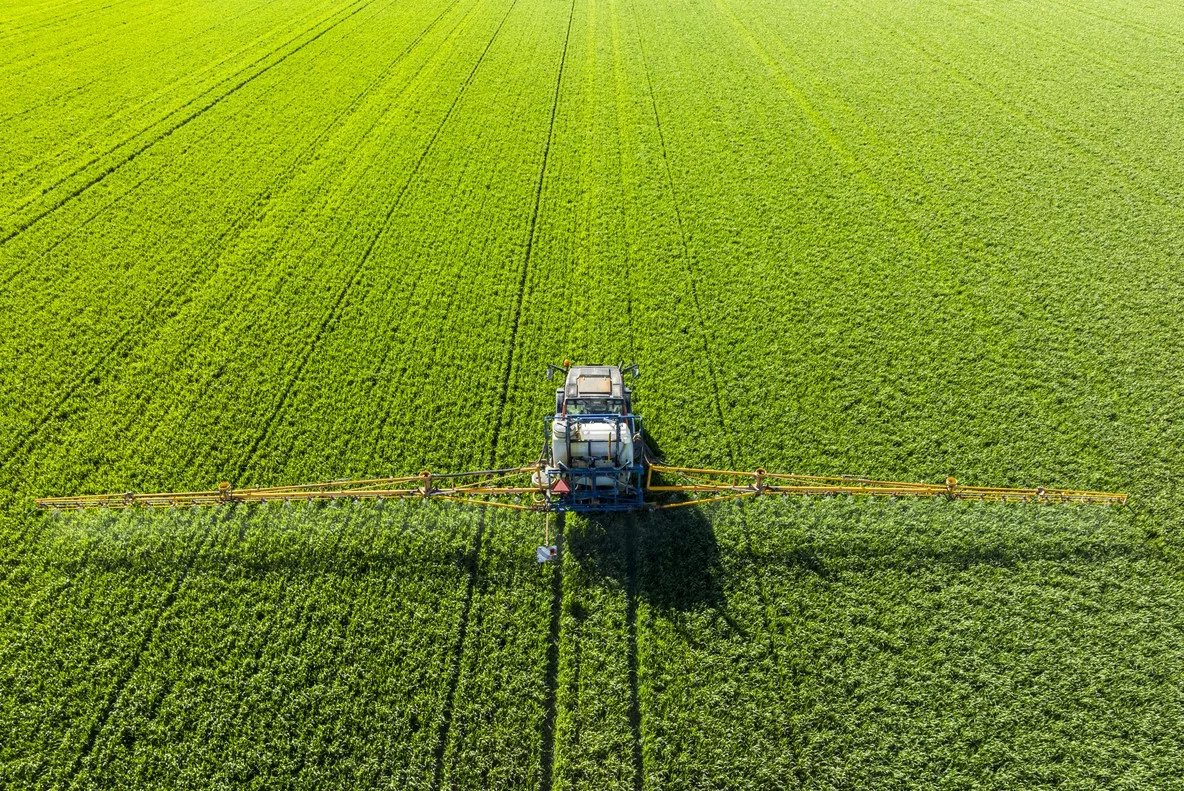
The sustained closure of the Strait of Hormuz has brought shipments of vital fertilizers to a grinding halt, creating a looming catastrophe for global food security. The Middle East, particularly nations like Iran and Saudi Arabia, are significant producers and exporters of key nutrient components essential for agriculture, including urea, phosphates, and potash. These inputs are indispensable for modern farming practices, directly impacting the yields of staple crops such as corn, wheat, and rice. Without timely access to these fertilizers, farmers worldwide face the prospect of significantly reduced harvests, threatening the food supply for billions.
The International Rescue Committee (IRC) has issued a stark warning, describing the constraint on essential goods – including liquefied natural gas, cooking gas, and fertilizers – as "unfolding into a food security timebomb." In a recent statement, the IRC urgently called for the establishment of a "sustained humanitarian corridor" to allow life-saving aid to transit the strait. The organization highlighted a concrete example of the crisis: $130,000 worth of pharmaceutical supplies destined for Sudan, a nation already grappling with a severe humanitarian crisis, are currently stranded in Dubai due to the blockade. This illustrates the cascading impact of the closure, affecting not only food production but also medical and other essential aid.
The chief economist of the UN’s Food and Agriculture Organization (FAO), Máximo Torero, has amplified these concerns, projecting a potential spike of as much as 20% in global fertilizer prices in the first half of this year if the conflict persists. Such a surge would have devastating consequences, particularly for developing nations already struggling with economic instability and food insecurity. Countries identified as most vulnerable include Sri Lanka, Bangladesh, India, Egypt, Sudan, Brazil, and numerous African nations, many of which are heavily reliant on imported fertilizers to sustain their agricultural sectors. The timing of this disruption is especially critical, coinciding with key planting seasons globally, meaning that any delay now could lead to irreversible damage to future harvests.
The Path to Agreement: Diplomatic Challenges and Opportunities
Any successful agreement to establish a humanitarian corridor through the Strait of Hormuz would necessitate the explicit consent and cooperation of both Iran and the United States. While direct peace talks have stalled, both nations are reportedly considering an extension of their ceasefire, which could provide a crucial window for diplomatic progress on specific humanitarian issues. Experts suggest that an agreement focused solely on allowing the passage of fertilizer and humanitarian aid could serve as a valuable confidence-building measure, enabling Tehran and Washington to demonstrate goodwill without either side feeling they are relinquishing significant strategic leverage in broader negotiations.
Sam Vigersky, an international affairs fellow at the Council on Foreign Relations and formerly the lead U.S. humanitarian negotiator at the UN until 2024, underscored this delicate balance. "The challenge right now is there’s two parties of conflict saying no to everything because there’s leverage in keeping the strait closed," Vigersky observed. He argued that humanitarian aid presents the most straightforward path to agreement: "The easiest place to say yes is on humanitarian aid because it requires no leverage being given up from either side." Vigersky further elaborated on the strategic utility of such a move, stating, "A humanitarian corridor is not a point of weakness for either but rather a point of good faith." This perspective suggests that both sides could benefit from the positive optics and the demonstration of a commitment to alleviating human suffering, potentially paving the way for more substantive peace talks in the future.
The concept of establishing such a corridor was initially floated by the International Maritime Organization (IMO), a specialized UN agency responsible for shipping safety, during a meeting convened by the United Kingdom earlier this month, attended by over 40 nations. Initially, the idea reportedly gained limited traction, as diplomats at the time were more focused on negotiating a full reopening of the strait. However, as broader negotiations for a comprehensive peace settlement have faltered and concerns about a potential escalation of the U.S. naval blockade have mounted, discussions surrounding a targeted humanitarian corridor have significantly revived. This shift reflects a pragmatic adaptation to the complexities of the diplomatic landscape, prioritizing immediate humanitarian relief when a broader resolution remains elusive.
Lessons from Precedent: The Black Sea Grain Initiative
The UN’s current initiative for a fertilizer corridor draws significant inspiration and lessons from past successes, most notably the Black Sea Grain Initiative. This groundbreaking agreement, brokered in July 2022 between Russia, Ukraine, Turkey, and the United Nations, successfully facilitated the export of millions of tons of Ukrainian grain and other foodstuffs through a secure maritime humanitarian corridor. Launched in the wake of Russia’s full-scale invasion of Ukraine, which had severely disrupted global food supplies and sent commodity prices soaring, the initiative proved instrumental in stabilizing international food markets and alleviating acute food insecurity, particularly in developing nations.
Under the Black Sea Grain Initiative, a Joint Coordination Centre (JCC) was established in Istanbul, staffed by representatives from all parties. The JCC oversaw the movement of vessels, conducting inspections to ensure compliance with the agreement and prevent the transport of unauthorized cargo. This sophisticated mechanism of monitoring, verification, and reporting – precisely the elements da Silva mentions for the new fertilizer initiative – allowed for the safe passage of over 32 million metric tons of foodstuffs, including wheat, corn, and sunflower oil, to 45 countries across three continents. The initiative demonstrated that even amidst active conflict and profound geopolitical tensions, dedicated diplomatic efforts and robust operational frameworks could yield critical humanitarian outcomes.
The success of the Black Sea Grain Initiative provides a compelling template for the proposed Hormuz corridor. It proved that a neutral party (the UN and Turkey in that case) could effectively mediate and implement a complex shipping arrangement in a high-risk environment. It also showed that warring parties, despite their deep animosities, could agree on specific, limited humanitarian objectives. The experience gained in establishing inspection protocols, coordinating maritime movements, and ensuring transparency under the Black Sea deal is directly applicable to the challenges of navigating the Strait of Hormuz. This precedent offers a glimmer of hope that a similar framework can be replicated to address the urgent fertilizer crisis.
The Critical Planting Season and Future Outlook
The timing of this humanitarian initiative is paramount. Fertilizer supply disruptions are hitting at a critical juncture in the global planting season, with many agricultural regions preparing their fields for upcoming crops. Da Silva emphasized the narrow window of opportunity: "If we miss that window, then we will be talking about humanitarian aid." This statement highlights a crucial distinction: providing fertilizer now can prevent a food crisis, whereas failing to do so will necessitate far more extensive and costly humanitarian interventions in the form of food aid later. The long-term implications of reduced harvests extend beyond immediate hunger, impacting agricultural economies, rural livelihoods, and national stability for years to come.
In his diplomatic engagements, da Silva is making this stark reality clear to all stakeholders. "In my discussions, I am making it clear why this is needed, what the consequences of inaction will be," he affirmed. The UN’s message is unequivocal: proactive measures to ensure fertilizer access are not merely desirable but critically necessary to avert a humanitarian catastrophe of immense proportions.
Broader Implications for Regional Stability and International Cooperation
The proposed fertilizer corridor through the Strait of Hormuz carries broader implications beyond immediate food security. Successfully implementing such a measure could serve as a significant de-escalation step in a highly volatile region. It would demonstrate that despite deep-seated animosities, a common ground for humanitarian action can be found, potentially fostering an environment conducive to further dialogue and peace efforts. A humanitarian agreement, even on a limited scale, could help rebuild trust, which is sorely lacking between Iran and the U.S.
Moreover, the initiative underscores the interconnectedness of global challenges. A conflict in one strategic waterway can rapidly ripple outwards, affecting agricultural output, food prices, and political stability across continents. The UN’s proactive role highlights the indispensable function of multilateral institutions in addressing complex crises that transcend national borders. The success or failure of this initiative will not only determine the fate of millions facing hunger but will also send a powerful message about the capacity of international cooperation to navigate profound geopolitical divisions in pursuit of shared humanitarian goals. As the planting season advances, the world watches to see if political will can finally align with humanitarian necessity, unlocking the Strait of Hormuz for the fertilizers that nourish the world.

Related Posts
Delta Air Lines Adjusts Key Environmental Targets Amidst Slow Sustainable Fuel Progress
India’s Trade Deficit Narrows to $20.67 Billion in March Amidst Middle East Conflict Disruptions and Global Economic Headwinds