
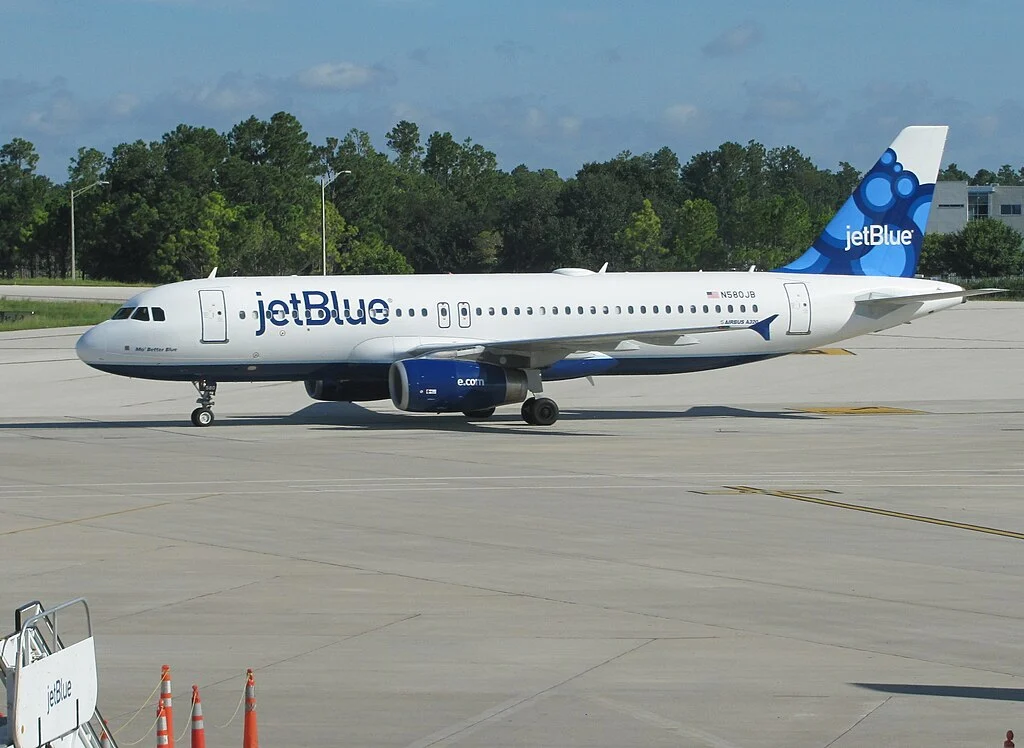
JetBlue Airways Faces Mounting Financial Crisis and Bankruptcy Speculation
JetBlue Airways, a prominent U.S.-based airline that has carved a significant niche in the competitive aviation landscape over the past two decades, is reportedly grappling with severe financial headwinds that have ignited concerns about its long-term viability. Emerging reports and analyses suggest the carrier could be on a trajectory towards bankruptcy, mirroring the challenges faced by other airlines in the industry. The once-celebrated airline, known for its value proposition and customer-centric approach, is now confronting a confluence of escalating debt, declining profitability, and an increasingly challenging market environment, prompting its founder to express grave concerns about its future.
Founder’s Stark Warning Amidst Financial Woes
The alarm bells were first sounded by JetBlue’s founder and former CEO, David Neeleman. In recent assessments shared with Wall Street analysts and reportedly relayed to Breeze Airways pilots, Neeleman painted a grim picture of the airline’s financial health. He projected that JetBlue is on course to incur a staggering loss of $1.3 billion in 2026. This projection, if realized, would significantly exacerbate the airline’s already substantial debt burden. Neeleman has been a vocal critic of the current management’s strategies, highlighting the airline’s multibillion-dollar debt, which he anticipates will balloon to approximately $9 billion. He believes that another year of substantial financial losses could push JetBlue into bankruptcy unless a buyer emerges to acquire the struggling carrier.
Neeleman’s insights are particularly noteworthy given his intimate knowledge of JetBlue’s genesis and early operational strategies. He was instrumental in establishing JetBlue as an alternative to traditional carriers, emphasizing competitive pricing, enhanced passenger comfort, and a distinctive brand identity. However, the airline has evidently struggled to adapt to evolving market dynamics, including increased competition from legacy carriers and the rise of ultra-low-cost airlines.
A Shifting Competitive Landscape and Operational Challenges
JetBlue’s current predicament is a complex interplay of strategic decisions and external market pressures. The airline has historically prided itself on offering a superior experience at competitive prices, differentiating itself with amenities like in-seat entertainment and extra legroom. However, this strategy has become increasingly difficult to sustain in an industry characterized by fierce price wars and fluctuating operational costs.
The competitive landscape has intensified with the consolidation of major airlines and the aggressive expansion of low-cost carriers. American Airlines, Delta Air Lines, and United Airlines, all larger and with greater economies of scale, have continued to exert significant market influence. Simultaneously, ultra-low-cost carriers have eroded the market share that JetBlue once commanded through its value-oriented approach.
Operational challenges have also plagued JetBlue. The airline has faced scrutiny over its reliability and on-time performance, particularly in recent years. Disruptions, often exacerbated by weather events and air traffic control constraints, have led to significant flight cancellations and passenger dissatisfaction. These operational issues not only incur direct financial costs through passenger compensation and rebookings but also damage the airline’s reputation, potentially deterring future bookings.
Historical Context: Neeleman’s Departure and JetBlue’s Evolution
David Neeleman’s departure from JetBlue in 2007 marked a significant turning point for the airline. His ouster followed a highly publicized operational meltdown during the Valentine’s Day period of that year, which resulted in thousands of flight cancellations and stranded passengers. The incident, dubbed the "Valentine’s Day Massacre" by some media outlets, highlighted significant flaws in JetBlue’s operational infrastructure and crisis management protocols. Neeleman transitioned to a non-executive chairman role before ultimately leaving the company’s board in May 2008.
Since Neeleman’s departure, JetBlue has undergone several strategic shifts under different leadership. While the airline has strived to maintain its brand identity, it has also been compelled to adapt to a more challenging economic climate and increased competition. This evolution has involved various cost-cutting measures, network adjustments, and attempts to optimize operational efficiency. However, these efforts appear to have not fully offset the financial pressures.
Financial Performance and Future Projections
Recent financial disclosures underscore the severity of JetBlue’s challenges. According to Yahoo Finance, for the full year 2025, JetBlue reported total revenue of $9.06 billion, representing a 2.3% decrease compared to the previous year. More critically, the airline posted a net loss of $602 million for the same period. This financial performance indicates a significant deterioration in profitability and a widening gap between revenue and expenses.
In response to these pressures, JetBlue has initiated its "JetForward" strategic plan, aimed at improving operational reliability and enhancing profit margins. The company has set an ambitious target of achieving breakeven operating profitability by 2026. However, Neeleman’s projections suggest that this goal may be exceedingly difficult to attain given the current trajectory of losses and debt accumulation.
The Unlikelihood of a Buyout: United Airlines’ Hesitation
The prospect of a financial lifeline through an acquisition has also been explored. Initially, United Airlines was rumored to be a potential suitor for JetBlue. However, reports indicate that United has since withdrawn from any acquisition discussions. Neeleman attributes this hesitation to JetBlue’s substantial debt load.
"I know it from a pretty good source inside the United that they’re very concerned about JetBlue’s debt. And they’re not really interested in taking that on. So I think JetBlue has very few options," Neeleman reportedly told Breeze Airways pilots. This statement suggests that the financial liabilities associated with JetBlue are a significant deterrent for potential acquirers, further limiting the airline’s options for a bailout. The sheer scale of the debt, potentially reaching $9 billion, presents a substantial risk for any acquiring entity.
Broader Industry Context: Rising Airfares and Consumer Impact
The potential bankruptcy of JetBlue carries significant implications for the broader U.S. air travel market and consumers. The U.S. Travel Association has consistently highlighted the rising cost of air travel. Their Travel Price Index has shown a notable increase in airfares, with a 14.9% surge in March compared to the same period last year. This trend indicates a general upward pressure on ticket prices across the industry.
The exit of a major airline like JetBlue from the market would undoubtedly reduce competition, potentially leading to higher fares and fewer choices for travelers. Consumers, already grappling with increased travel costs, could face even greater financial burdens. This scenario would disproportionately affect price-sensitive travelers who have historically relied on airlines like JetBlue for more affordable travel options.
Furthermore, external factors such as the geopolitical landscape and its impact on fuel prices add another layer of complexity. The Iran War, for instance, has contributed to rising oil prices, which directly translate into higher jet fuel surcharges. These escalating operational costs put additional strain on airlines’ profitability, making it even more challenging for carriers like JetBlue to navigate financial difficulties. The combination of increased operational expenses and a shrinking competitive environment paints a concerning picture for the future of affordable air travel in the United States.
The Ripple Effect on the Aviation Ecosystem
The potential collapse of JetBlue would not only impact travelers but also have ripple effects throughout the aviation ecosystem. This includes airport operations, aircraft manufacturers, maintenance providers, and the numerous employees who rely on the airline for their livelihoods. A bankruptcy filing would likely trigger a complex legal and financial process, potentially involving asset sales, job cuts, and significant disruptions for all stakeholders.
The airline industry is inherently cyclical and sensitive to economic downturns, fuel price volatility, and regulatory changes. JetBlue’s current situation serves as a stark reminder of these inherent risks and the challenges of maintaining profitability in such a dynamic sector. The coming months will be critical for JetBlue as it attempts to implement its recovery plan and navigate the formidable financial challenges that lie ahead. The outcome of these efforts will have a profound impact on the competitive landscape of U.S. air travel and the financial well-being of its extensive customer base.