
6 Best No-code Database Application Builder Tools You Should Try in 2026
The fundamental premise of a database application builder is to provide a visual interface that allows users to create data-driven applications. Unlike traditional development, where code forms the bedrock of every function, these platforms empower users to define data relationships, design user interfaces, and automate workflows through drag-and-drop elements and intuitive configuration options. This paradigm drastically reduces the technical expertise required, making it feasible for operational teams, project managers, and even individual contributors to craft applications tailored precisely to their needs. Common applications span a wide range of business functions, from sophisticated client portals and custom CRM systems to intricate project management tools, inventory trackers, and automated approval workflows.

The evolution of no-code platforms stems from a growing recognition that specialized business processes often outpace the capabilities of generic software. As businesses strive for competitive advantage, the ability to rapidly adapt and innovate through custom applications becomes paramount. However, the global shortage of skilled software developers, coupled with the ever-present pressure to reduce operational expenditures, has created a fertile ground for no-code solutions. These builders offer a compelling value proposition: the speed of development is dramatically increased, costs associated with hiring and maintaining development teams are minimized, and the iteration cycle for applications becomes far more agile, allowing for continuous refinement based on user feedback.
Several leading platforms are currently shaping this dynamic market, each offering distinct strengths tailored to specific business requirements. These tools represent the vanguard of a movement that promises to redefine how organizations approach their digital infrastructure.
Softr: The Gateway to Client Portal Excellence
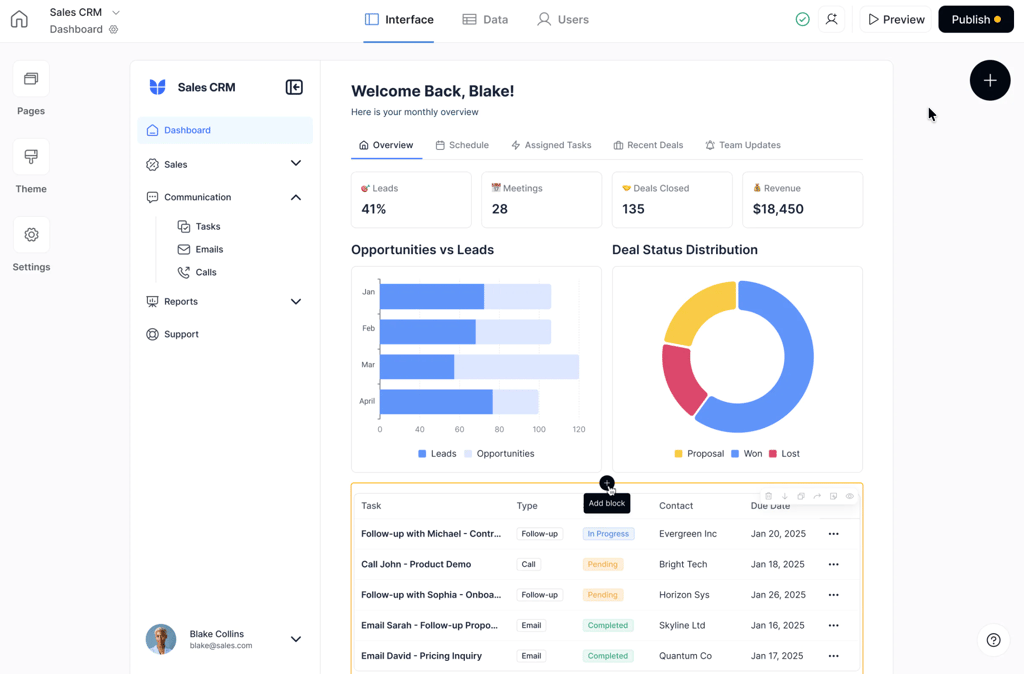
Softr stands out as an exceptional choice for organizations aiming to transform internal data into polished, client-facing portals without the overhead of full-scale application development. It addresses a critical need for businesses, such as agencies, consultancies, and operational teams, that leverage existing databases like Airtable but require a secure and user-friendly method to share specific data with external stakeholders. The platform’s strength lies in its ability to quickly convert raw data into functional interfaces, allowing users to build login-based portals where clients or members can access personalized records—be it project updates, invoices, or support requests—with role-based permissions ensuring data security and relevance. The intuitive building blocks facilitate the assembly of dashboards, directories, and forms, making the setup process straightforward even for non-technical users. Its seamless integration with external databases like Airtable ensures data synchronization, eliminating the need for manual data management across disparate systems. Softr’s formula fields and datetime formatting capabilities further enhance data organization and presentation, empowering users to compute dynamic values and tailor information display to specific needs. Pricing for Softr starts at $49 per month for 20 users, offering a scalable solution for growing businesses.
Zoho Creator: Powering Custom Business Process Automation
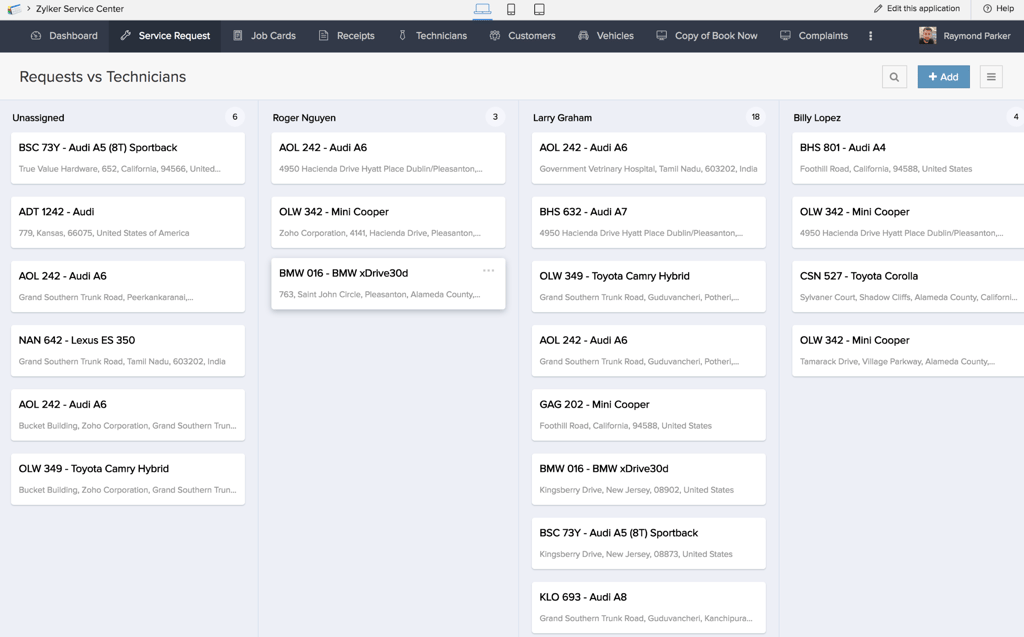
Zoho Creator distinguishes itself as a robust platform for digitizing complex business processes that involve multi-stage workflows, approvals, and conditional logic. It is particularly well-suited for operations teams or department heads who manage intricate requests that cannot be efficiently handled through conventional spreadsheets. Use cases such as employee onboarding, service request tracking, or sophisticated approval systems, where each step necessitates specific conditions and accountability, find an ideal home within Zoho Creator. A standout feature is its "Blueprint" functionality, which allows users to visually map each stage of a workflow, assign responsibilities, and set required conditions, thereby bringing clarity and control to even the most convoluted processes. For workflows demanding advanced logic, Zoho Creator provides Deluge scripting, a proprietary low-code language that extends automation capabilities beyond standard configurations. Its AI-powered data collection tools, including document scanning and conversion, alongside smart import features for data cleansing, ensure the integrity and consistency of information feeding these critical processes. Zoho Creator’s pricing begins at an accessible $8 per user per month, positioning it as a competitive solution for businesses seeking comprehensive process automation.
Airtable: The Epitome of Flexible Database-Driven Workflows
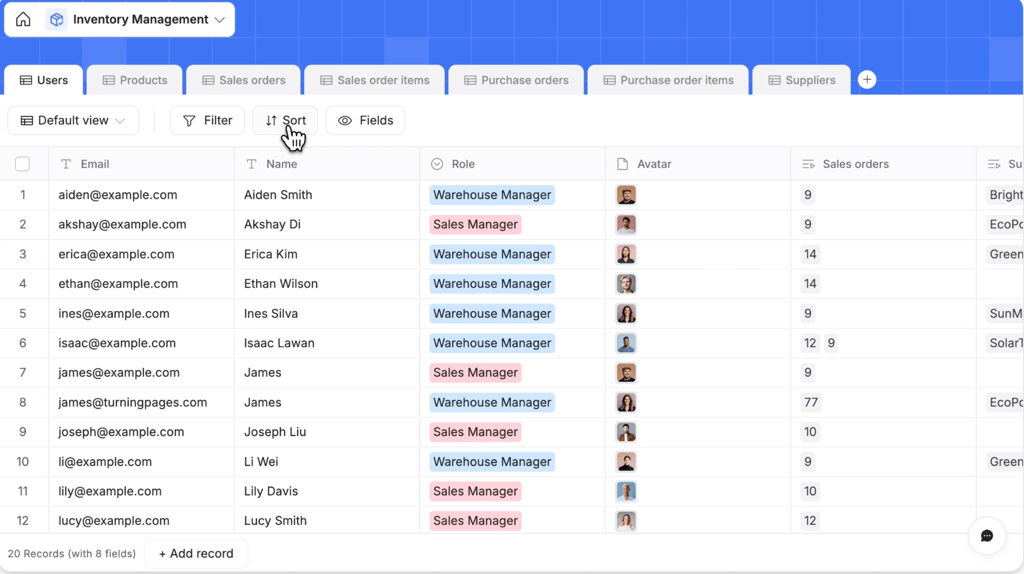
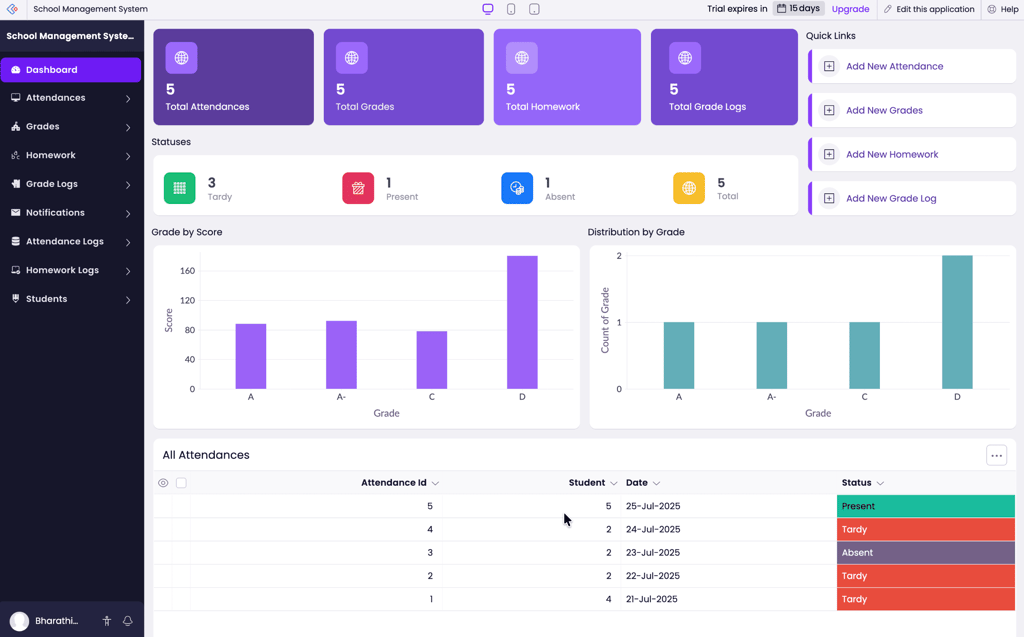
Airtable has revolutionized how teams manage and visualize data, blending the familiarity of a spreadsheet with the power of a relational database. It excels in building workflows that mirror a team’s actual operational methods, allowing for the creation of interconnected tables for various entities like projects, campaigns, or contacts. The platform’s strength lies in its ability to define relationships between these records using diverse field types—including attachments, tags, and rich text—thereby organizing disparate data types within a unified "base" while maintaining distinct datasets. Linked record fields enable the establishment of explicit connections, such as linking clients to projects or tasks to owners, ensuring data consistency across the entire base. Furthermore, lookup, rollup, and formula fields facilitate advanced data manipulation, enabling users to calculate totals, extract related details, or track progress directly within workflows. Airtable’s Interface Designer empowers users to create custom interfaces that display only the most relevant fields and records for specific roles, enhancing user experience and streamlining operations. Its comprehensive views, including list, timeline, Kanban, Gantt, and calendar, cater to diverse data visualization preferences. With pricing starting at $20 per user per month, Airtable offers a highly adaptable solution for dynamic data management.
Google AppSheet: Seamless Integration with Google Workspace
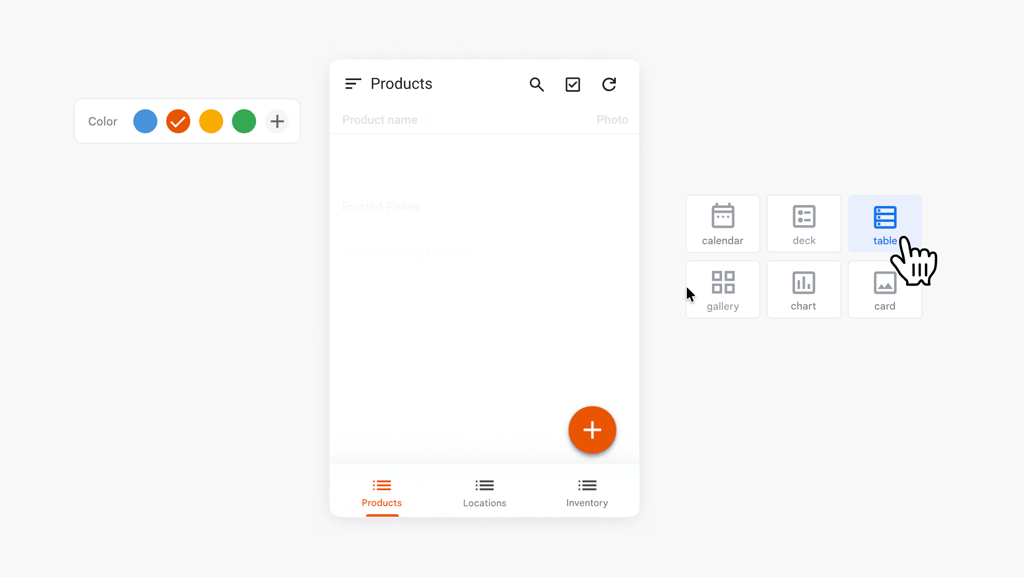
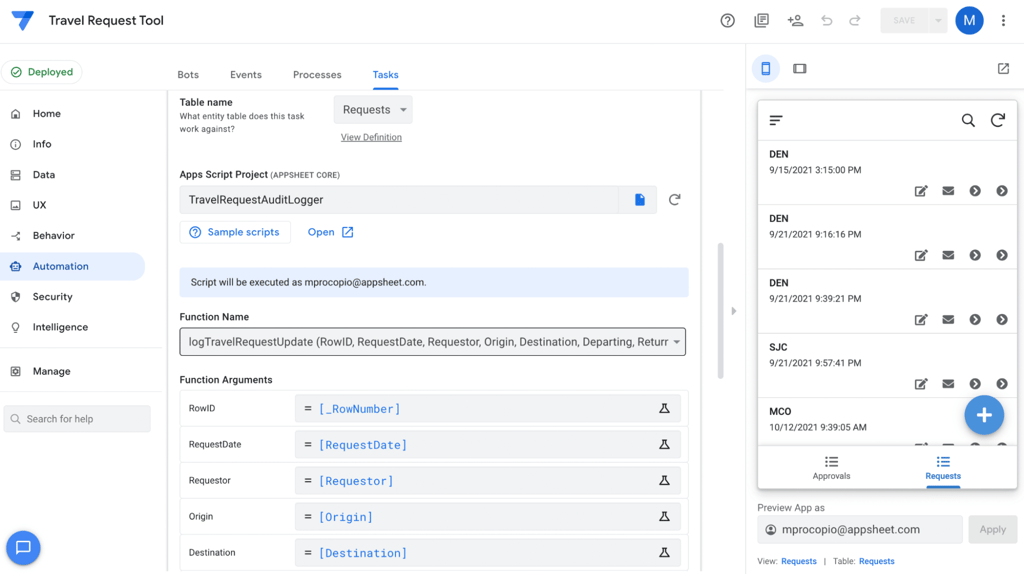
Google AppSheet is specifically engineered for organizations deeply integrated into the Google Workspace ecosystem, offering native compatibility with Google Sheets, Drive, Forms, and Calendar. Its primary appeal lies in its ability to transform existing Google Workspace data into rich, mobile-first applications. The platform supports advanced data capture capabilities, including photos, GPS locations, barcodes, and digital signatures, all of which synchronize in real-time within the app. Automation and event-based triggers are central to AppSheet’s operational workflows, enabling real-time reactions to data changes. For instance, an approval request can be initiated directly within Gmail, allowing recipients to review, comment, and approve or reject from their inbox, with their response updating the source data and triggering subsequent actions like document generation or calendar entries. The platform’s mobile-first app generation automatically adapts data into ready-made interfaces, while the integration of Gemini for App Creation allows users to describe business processes in natural language, generating apps with suggested tables, fields, and prebuilt views. This AI-powered approach significantly accelerates initial app development. Starting at just $5 per user per month, Google AppSheet offers an incredibly cost-effective solution for Google-centric businesses.
Knack: Granular User Control for Tailored Database Applications
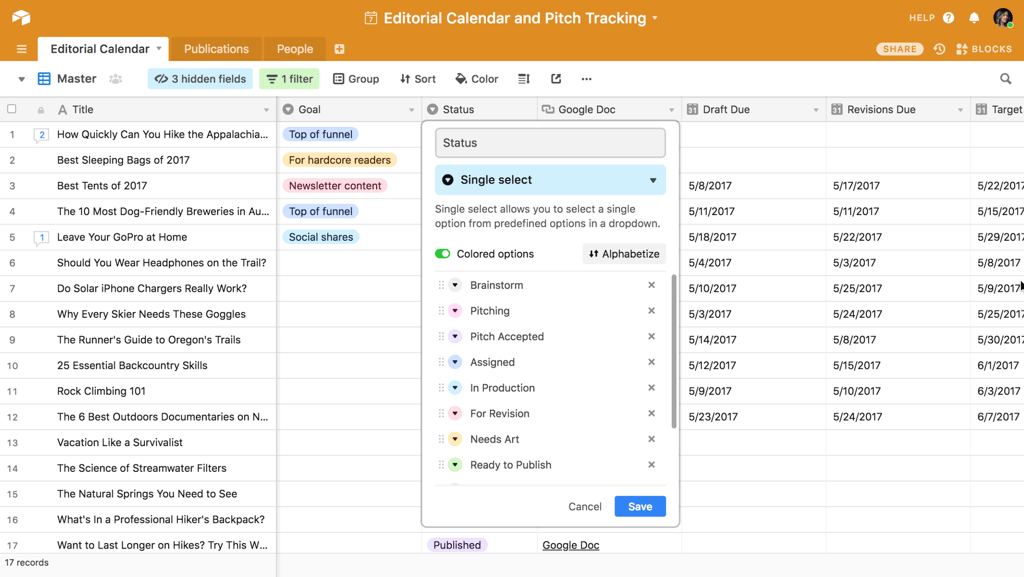
Knack excels in providing granular user control, making it ideal for building database applications where precise access management is paramount. Its role-based access system allows administrators to define distinct user roles, such as "project manager" or "client," and assign specific pages, fields, and actions to each role. Upon login, users only see the content and navigation relevant to their assigned role, ensuring a highly customized and secure experience. Knack further enhances data security by linking records directly to user accounts, meaning a project manager, for example, would only see projects associated with their specific user profile. Group-based filters facilitate shared data access for teams within the same division, while record rules and page rules enable the triggering of actions like approvals or status updates based on predefined conditions. Additional features like batch updates for simultaneous record modification, conditional filtering for targeted data selection, and interactive map elements for visualizing location-based data, underline Knack’s robust capabilities. With pricing at $49 for unlimited users, Knack offers a comprehensive solution for intricate user and data management requirements.
Smartsheet: Spreadsheet-Based Workflow Management at Scale
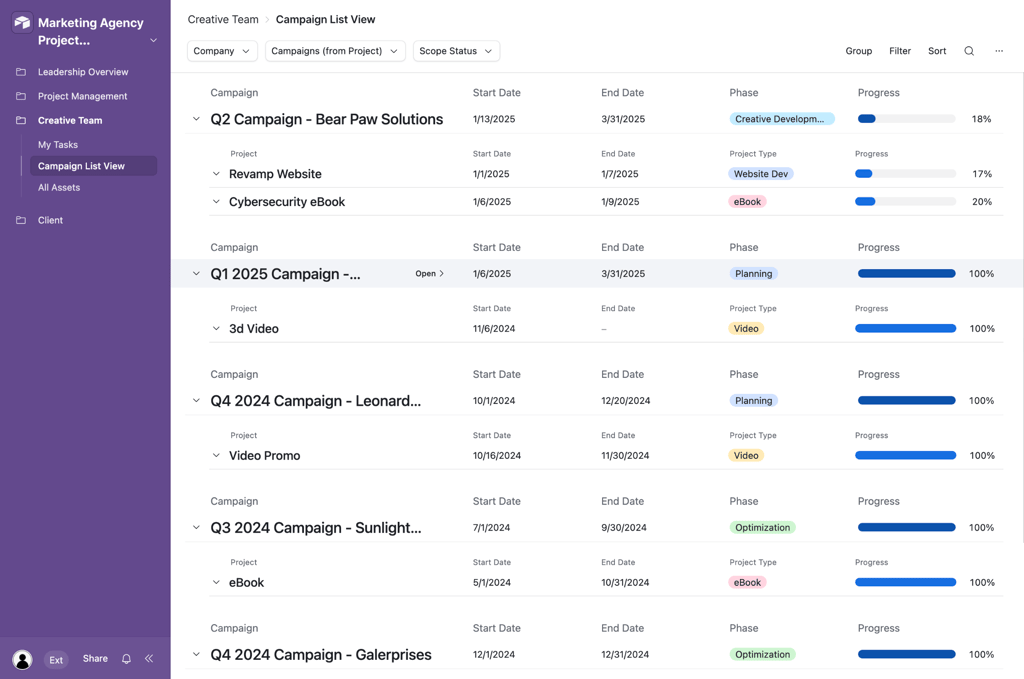
Smartsheet bridges the gap between traditional spreadsheets and robust project management software, offering a familiar grid and table view for managing projects and large datasets. It caters particularly to organizations that prefer a row-and-column format for tracking tasks, statuses, owners, and due dates, making it intuitive for users accustomed to spreadsheet environments. Smartsheet’s ability to handle hundreds of thousands of rows and up to a million cells in Table view ensures scalability for large-volume data management. Users can easily sort, filter, and group rows to focus on specific aspects of their projects or timelines. Automation rules within sheets enable event-based triggers for actions such as sending approval requests or updating fields, streamlining operational workflows. For managing multiple projects, the Control Center feature allows for the generation of new sheets from predefined blueprints, ensuring consistency in columns, workflows, and logic across projects. Data from individual projects can then feed into portfolio reports, providing a consolidated view of progress across the entire organizational portfolio. Smartsheet’s advanced features, including DataTable for centralized data storage, DataShuttle for integrating with external systems, and DataMesh for syncing data across sheets, position it as a powerful tool for large-scale, spreadsheet-centric workflow management. Pricing starts at $9 per user per month, offering a scalable solution for enterprise-level operations.
Evaluating the Landscape: A Holistic Approach
The selection of a database application builder involves a comprehensive evaluation of various factors, moving beyond mere feature lists to assess true business value. Key considerations include pricing models, the depth and breadth of general features like relational data handling and diverse view options, and the availability of advanced functionalities such as AI app generation, scripting support, and sophisticated automation. Customer service and support, ease of use for non-technical staff, and the platform’s ability to scale with organizational growth are also critical. The objective is to identify a platform that not only meets current operational needs but also offers the flexibility to adapt to future challenges and opportunities.
Implications for Business and the Future of Work
The rise of no-code database application builders carries profound implications for businesses of all sizes. They are instrumental in fostering greater organizational agility, enabling rapid prototyping and deployment of solutions to address evolving market demands. Cost savings are significant, as the reliance on expensive custom development and specialized IT personnel is substantially reduced. This democratization of development empowers business users, who possess intimate knowledge of operational processes, to become creators of their own tools, leading to more relevant and effective applications. The accelerated time-to-market for new digital initiatives can translate into a tangible competitive advantage.
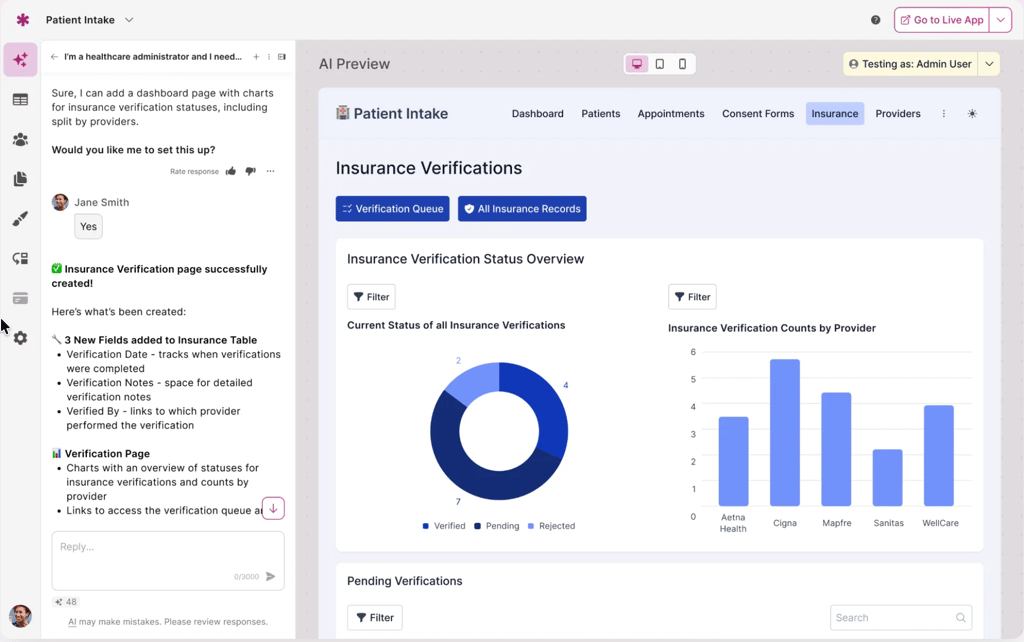
Looking ahead, the trajectory of no-code platforms appears poised for continued expansion. Industry analysts project significant growth in the no-code/low-code market, driven by persistent digital transformation pressures and the increasing sophistication of these tools, particularly with the integration of artificial intelligence. As businesses continue to grapple with the complexities of digital innovation and resource constraints, database application builders will undoubtedly play an even more central role in shaping the future of work, enabling organizations to build, adapt, and innovate at an unprecedented pace. The ability to design and implement custom digital solutions without the need for traditional coding skills is no longer a niche capability but a strategic imperative for sustained success in the modern economy.



Related Posts

PMI Unveils Major Overhaul of PMP Certification Exam for 2026, Signifying a New Era for Project Leadership

Choosing the Best Workflow Management Software for Enhanced Operational Efficiency