Project Managers at the Forefront of Accelerating Software Delivery with CI/CD Pipelines
The continuous integration and continuous delivery (CI/CD) pipeline stands as a pivotal automation framework, fundamentally reshaping how software updates are deployed in smaller, more frequent increments. While rooted primarily in DevOps practices, its profound influence extends directly into the core responsibilities of project management, impacting critical areas such as project timelines, release planning, budget control, regulatory compliance, and essential stakeholder reporting. This comprehensive guide aims to illuminate the intricacies of the CI/CD pipeline and provide project managers with a robust framework for its effective leadership and management, whether introducing it for the first time or seeking to optimize existing implementations.
The Evolution of Software Delivery: A Historical Context
The landscape of software development has undergone a dramatic transformation over the past few decades. Historically, projects often adhered to the "waterfall" model, a linear, sequential approach where each phase (requirements, design, implementation, testing, deployment) had to be completed before the next could begin. This methodology, while providing clear structure, frequently led to lengthy release cycles, late detection of defects, and significant integration challenges as large batches of code were merged at the end of a project. Feedback loops were protracted, making it difficult for organizations to respond swiftly to market changes or user demands.
The advent of agile methodologies in the early 2000s marked a significant shift, prioritizing iterative development, customer collaboration, and responsiveness to change. Agile principles laid the groundwork for faster, more flexible delivery. However, even with agile, the actual deployment process often remained a bottleneck, heavily reliant on manual steps and prone to human error. This gap between rapid development and slow deployment spurred the rise of DevOps, a cultural and technical movement emphasizing collaboration, communication, and integration between development and operations teams. DevOps seeks to automate and streamline the entire software delivery lifecycle, from code commit to production deployment. The CI/CD pipeline emerged as the technical backbone of this philosophy, providing the automated infrastructure necessary to achieve the speed, reliability, and consistency that modern businesses demand.
Demystifying the CI/CD Pipeline: Core Concepts and Stages
At its heart, a CI/CD pipeline is an automated workflow that systematically moves code from a developer’s workstation to a production environment. This process is triggered every time a change is introduced, ensuring that development activities are seamlessly integrated with automated testing and deployment. This approach allows teams to release software updates rapidly without compromising quality or system stability. Instead of waiting for the end of a development cycle to integrate code, developers frequently merge small, manageable changes into a shared repository, forming the basis of continuous integration.
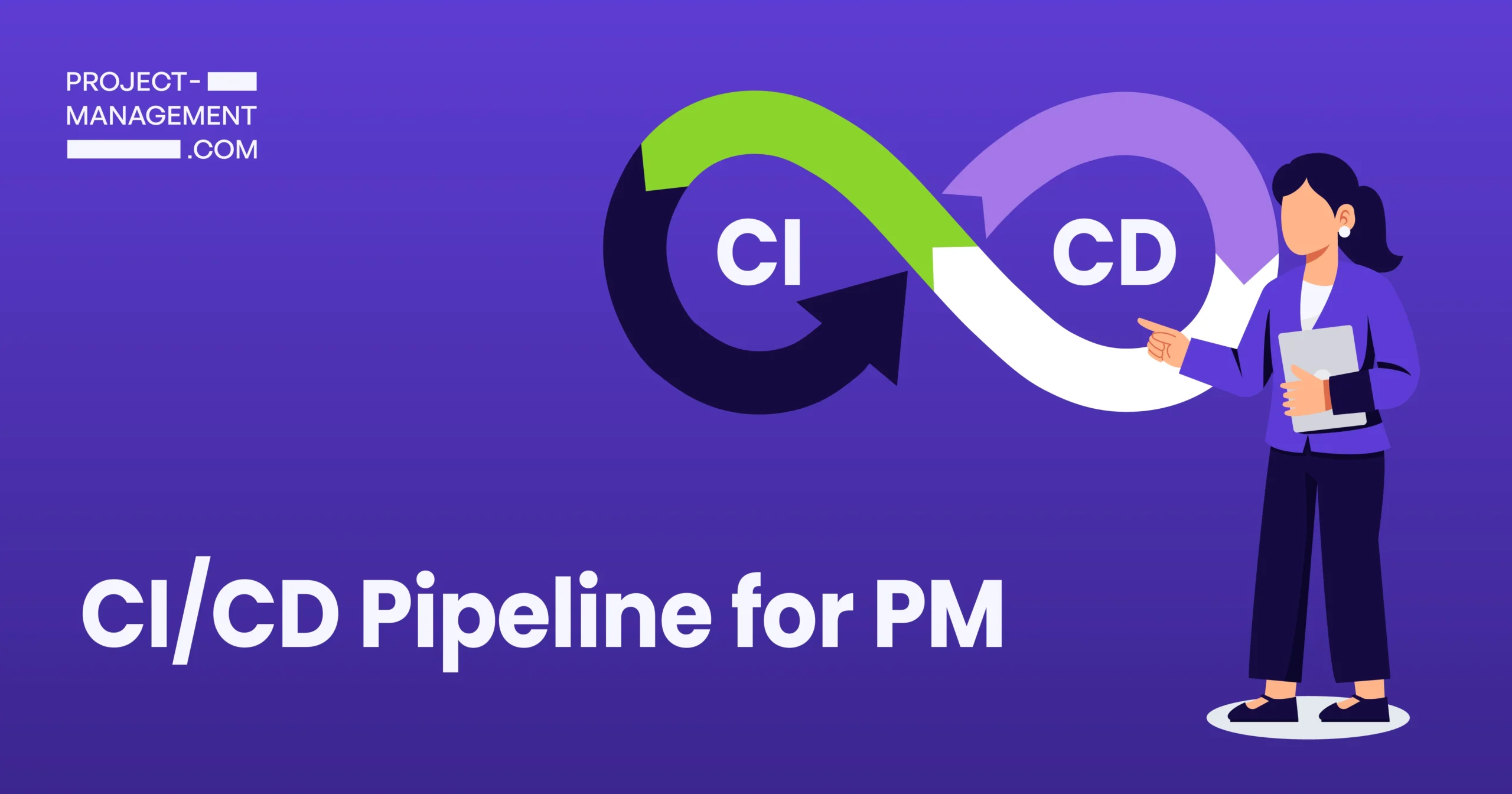
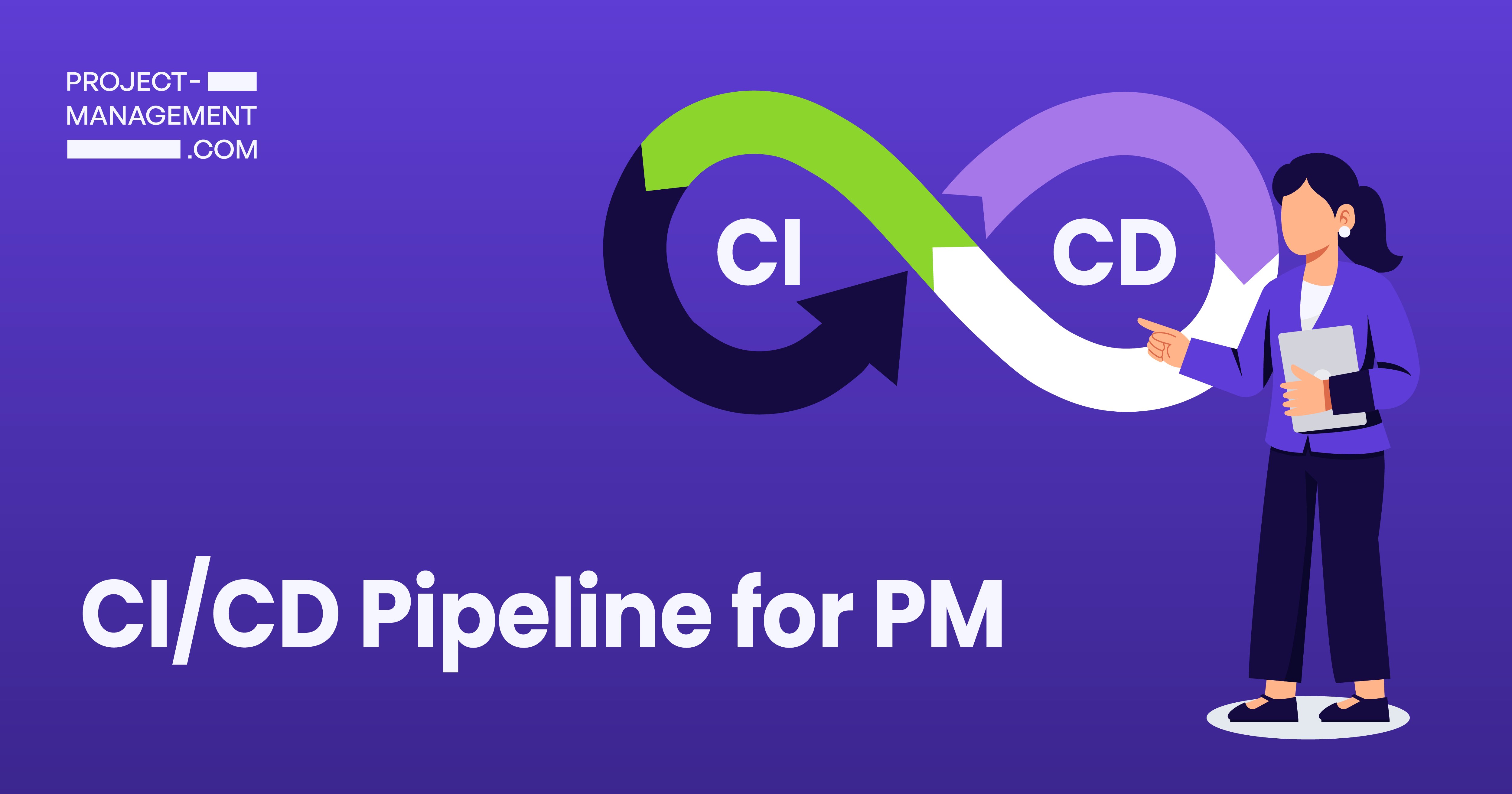
The umbrella term CI/CD encompasses three distinct yet interconnected practices:
- Continuous Integration (CI): This practice mandates that developers frequently merge their code changes into a central, shared repository, typically several times a day. Each merge automatically triggers a build and a suite of automated tests. The primary objective of CI is to detect and address integration defects as early as possible, preventing them from accumulating into complex, time-consuming problems later in the development cycle. Early detection significantly reduces debugging efforts and ensures the codebase remains in a healthy, stable state.
- Continuous Delivery (CD): Building upon the foundation of continuous integration, continuous delivery ensures that the software is always in a deployable state after successfully passing all automated tests. Once validated, the application is packaged into an "artifact" and prepared for release to various environments, such as staging or production. A crucial distinction here is the presence of a human approval gate; while the software is ready to be deployed at any time, the final decision to push to live production typically rests with a human. This model offers organizations the flexibility and control to decide when new features go live, while still maintaining a state of constant release readiness.
- Continuous Deployment (CD): Taking automation a step further, continuous deployment removes the manual approval gate present in continuous delivery. In this model, once code successfully navigates and passes all stages of the pipeline, it is automatically released to the production environment without human intervention. This approach is highly effective for organizations seeking rapid iteration, extremely short feedback cycles, and accelerated product evolution in highly competitive or fast-changing markets. It demands a very high degree of confidence in automated testing and monitoring.
A typical CI/CD pipeline comprises five fundamental stages, each with a specific purpose in validating and moving code forward:
- Source Stage: The pipeline initiates when a developer commits new or modified code to a version control system (VCS) like Git (e.g., hosted on GitHub, GitLab, or Bitbucket). This action serves as the trigger, automatically starting the CI/CD process. The VCS meticulously tracks every change, providing a clear history and enabling traceability.
- Build Stage: In this stage, the committed code is compiled into an executable application. This often involves installing necessary dependencies, libraries, and frameworks. The core objective is to confirm that the code can be built successfully and that no compilation errors exist, ensuring the integrity of the application’s structure.
- Test Stage: Following a successful build, a comprehensive suite of automated tests is executed. These tests typically include unit tests (verifying individual components), integration tests (checking interactions between components), and sometimes static code analysis. If any test fails, the pipeline halts, preventing unstable or defective code from progressing further. This immediate feedback mechanism is crucial for maintaining quality.
- Artifact Stage: Once the code passes all automated tests, it is packaged into a deployable artifact. This artifact is a self-contained unit, such as a Docker image, a JAR file, or a compiled executable, representing the approved software version ready for release. This ensures consistency across different environments.
- Deployment Stage: The final stage involves deploying the validated artifact to a target environment. This could be a staging environment for further quality assurance and user acceptance testing (UAT), or directly to the production environment. As noted, the decision for production deployment can be manual (continuous delivery) or fully automated (continuous deployment).
The Indispensable Role of Project Managers in CI/CD Success
While CI/CD pipelines are inherently technical, their successful implementation and ongoing management require significant strategic oversight from project managers. The benefits of CI/CD – improved predictability, reduced delivery risk, increased visibility, and accelerated value delivery – directly translate into critical project management concerns. Project managers are uniquely positioned to bridge the gap between technical execution and business objectives, ensuring that CI/CD initiatives align with broader organizational goals.
For project managers, CI/CD transforms how projects are planned, executed, and reported. It shifts the focus from managing large, infrequent releases to orchestrating a continuous flow of smaller, incremental updates. This requires a proactive approach to:
- Strategic Planning and Alignment: PMs must ensure that CI/CD adoption supports the organization’s strategic objectives, such as faster time-to-market, enhanced customer satisfaction, or improved system stability. They work with stakeholders to define clear goals and success metrics for the pipeline.
- Resource Allocation and Capacity Planning: Implementing and maintaining a CI/CD pipeline requires dedicated resources, including skilled DevOps engineers and appropriate tooling. PMs are responsible for securing these resources, managing budgets, and planning for the team’s capacity to handle continuous development and deployment.
- Risk Identification and Mitigation: By automating testing and deployment, CI/CD helps surface risks earlier. PMs leverage pipeline metrics to identify potential bottlenecks, quality issues, or deployment failures, working with technical leads to devise mitigation strategies and contingency plans.
- Stakeholder Communication and Expectation Management: Translating complex technical processes and metrics into understandable business language is a core PM responsibility. PMs keep non-technical stakeholders informed about progress, potential issues, and the business impact of CI/CD, managing expectations around release frequency and quality.
- Compliance and Governance: In regulated industries, CI/CD pipelines must adhere to strict compliance standards. PMs ensure that audit trails are maintained, security checks are integrated into the pipeline, and necessary approvals are obtained, even if they are automated. This includes establishing "gates" for manual review where required by policy.
The evolution of CI/CD has also driven the development of project management tools that support these continuous workflows. Platforms like monday.com, ClickUp, Jira, and Wrike now offer robust integrations with DevOps tools and sophisticated release tracking features. monday.com, for instance, provides visual workflows and an open API for integrating with GitHub or GitLab, enabling PMs to track tasks and milestones alongside deployment activities. ClickUp offers native integrations with Jira and Azure DevOps, alongside built-in support for release planning and dashboards to monitor feature status. Jira, deeply integrated into the DevOps ecosystem, excels in sprint tracking, release versioning, and roadmap views, making it ideal for agile software development teams. Wrike, with its Gantt charts and dashboards, helps visualize deadlines and track progress toward release milestones, particularly useful for coordinating complex technical schedules. These tools are instrumental in connecting development activity to broader project planning and cross-functional collaboration.
Leveraging Data: Key CI/CD Metrics for Project Oversight
For project managers, understanding key CI/CD metrics is not about configuring pipelines but about interpreting data to gain insights into project health, team capacity, and release stability. These metrics, often referred to as DORA (DevOps Research and Assessment) metrics, provide a quantitative lens through which to evaluate delivery performance:
- Deployment Frequency: This metric measures how often an organization successfully releases code to production. From a PM perspective, a higher deployment frequency indicates faster time-to-market, improved responsiveness to user feedback, and a more agile delivery cadence. It suggests that the team is capable of delivering value incrementally and consistently.
- Change Failure Rate: This metric tracks the percentage of deployments that result in production failures (e.g., outages, bugs, rollbacks). A low change failure rate is critical for building stakeholder confidence and ensuring system stability. Project managers use this metric to assess the effectiveness of automated testing, the robustness of the deployment process, and the overall quality of delivered software. A consistently high failure rate signals underlying issues that require immediate attention, potentially impacting project timelines and increasing technical debt.
- Lead Time for Changes: This measures the time it takes for a code change to go from commit to production. For PMs, a shorter lead time signifies efficiency, rapid iteration capabilities, and a reduced time-to-value. It reflects the overall agility of the development and delivery process and is a strong indicator of how quickly the team can respond to new requirements or fix critical bugs.
- Mean Time to Recovery (MTTR): This metric quantifies the average time it takes to restore service after a production incident. A low MTTR demonstrates the team’s ability to quickly identify, diagnose, and resolve issues, minimizing downtime and business impact. From a project management standpoint, a healthy MTTR reduces business risk and protects project timelines from unexpected disruptions, reinforcing confidence in the system’s resilience.
Project managers don’t need to be technical experts to leverage these metrics. Their role is to translate these numbers into actionable insights for stakeholders, demonstrating their impact on project timelines, budget, and overall business value. For example, explaining that a reduced lead time means new features reach customers faster, or that a lower change failure rate translates to fewer customer complaints and less rework, directly links technical performance to business outcomes.
Navigating Implementation: Common Challenges and PM-Led Solutions
Implementing or improving a CI/CD pipeline often comes with its own set of challenges, many of which fall squarely within a project manager’s purview. Addressing these effectively is key to realizing the full potential of CI/CD.
-
Work Enters the Pipeline Without Clear Scope: When user stories or requirements lack sufficient detail, clarity, or well-defined acceptance criteria, automated tests may not accurately reflect desired functionality. This often leads to rework, failed deployments, and wasted effort.
- PM Solution: Project managers must champion robust backlog refinement practices. This involves collaborating closely with product owners, business analysts, and development leads to ensure that user stories are "definition of ready" before entering a sprint. This includes clarifying scope, outlining acceptance criteria, and ensuring technical feasibility discussions occur upfront. PMs can facilitate workshops and enforce quality gates at the planning stage.
-
Testing Slows Down Delivery: Delays frequently arise during automated or manual testing phases, in approval gates, or due to the unavailability of necessary testing environments. When builds stack up or deployments are consistently delayed, the lead time for changes inevitably increases.
- PM Solution: Project managers should actively monitor pipeline metrics, particularly lead time for changes and build durations. By collaborating with engineering leads and QA teams, they can pinpoint the root causes of delays. Solutions might involve advocating for additional resources for test automation, investing in better environment management tools, or prioritizing the optimization of slow-running tests in future sprints. PMs can also work to streamline approval processes by identifying unnecessary manual gates.
-
Frequent Production Issues After Deployment: A high change failure rate or frequent production incidents after deployment erodes confidence in the CI/CD system and the team’s ability to deliver quality. This often indicates weaknesses in automated testing, insufficient quality gates, or excessive pressure to meet aggressive sprint commitments.
- PM Solution: PMs play a crucial role in balancing speed with stability. They should encourage the development team to break down changes into smaller, more manageable increments, which are inherently less risky. Protecting time for test improvements, refactoring, and addressing technical debt in sprint backlogs is vital, even if it means deprioritizing some new features temporarily. Emphasizing a "quality-first" mindset and ensuring that quality standards are rigorously enforced throughout the pipeline is paramount.
-
Stakeholders Do Not Understand Pipeline Metrics: CI/CD tools generate a wealth of technical data that can be opaque to non-technical stakeholders. Without proper context, leadership may struggle to interpret how metrics like deployment frequency or MTTR reflect actual project progress or business value.
- PM Solution: As the primary liaison, the project manager’s role is to act as a translator. They must convert technical metrics into clear, concise business terms that demonstrate their impact on project timelines, budget, risk, and strategic objectives. This involves creating simplified dashboards, preparing regular status reports that highlight business implications, and conducting targeted briefings to ensure stakeholders grasp the value and health of the delivery pipeline. For example, explaining that a low MTTR means faster recovery from incidents, reducing potential financial losses, makes the metric tangible.
-
Cultural Resistance and Organizational Inertia: Shifting from traditional release cycles to a continuous delivery model requires a significant cultural change, which can be met with resistance from various departments (e.g., operations, QA, even development teams accustomed to siloed work).
- PM Solution: Project managers can act as change agents, advocating for the benefits of CI/CD across the organization. This includes fostering cross-functional collaboration, highlighting early successes, and addressing concerns through open communication. They can help facilitate training and workshops to upskill teams and ensure everyone understands their role in the new paradigm.
Real-World Application: Case Studies in Project Management and CI/CD
Understanding the practical application of CI/CD principles becomes clearer through real-world scenarios where project managers actively engage with the pipeline.
-
Fintech Company Releasing a Mobile Banking Feature: A fintech firm is developing a new mobile payment feature for its banking application, operating in a highly regulated environment. The development team leverages a CI/CD pipeline to integrate code and automatically deploy updates to a secure staging environment.
- PM’s Role: The project manager orchestrates sprint planning to align with incremental feature releases rather than a monolithic rollout. They diligently monitor pipeline metrics such as deployment frequency and change failure rate, using this data to gauge system stability. When automated tests frequently fail, the PM collaborates with the engineering lead to temporarily deprioritize additional feature intake, reallocating sprint capacity to resolve critical defects. Recognizing the regulatory context, the PM enforces a controlled release checkpoint for the final production deployment. Even though the pipeline could deploy automatically, the PM ensures that all necessary documentation, security audits, and compliance reviews are rigorously completed and formally approved before the feature goes live. This demonstrates balancing automation with governance.
-
SaaS Company Enhancing an Analytics Dashboard: A SaaS provider aims to iteratively improve its customer analytics dashboard based on continuous user feedback. The development team utilizes a CI/CD pipeline to deploy small UI improvements and bug fixes multiple times per week.
- PM’s Role: The project manager aligns backlog priorities directly with customer impact, ensuring that incremental enhancements quickly reach production. They meticulously track the "lead time for changes" metric to ensure that feedback cycles remain short and predictable, enabling rapid response to user needs. When an increase in lead time is observed, the PM works closely with engineering leads to investigate the cause. In one instance, the investigation reveals that slow-running automated UI tests are causing bottlenecks in the build stage. The PM then advocates for and prioritizes "test optimization" as a key sprint objective, allocating dedicated resources to refactor and improve test efficiency. This intervention restores deployment speed and significantly enhances overall workflow efficiency, directly contributing to improved customer satisfaction.
Strategic Integration: Guiding the Introduction or Improvement of a CI/CD Pipeline
Introducing or significantly improving a CI/CD pipeline should be approached as a strategic delivery improvement initiative, not merely a technical experiment. For project managers, the focus must remain on achieving measurable outcomes and fostering sustainable change.
- Conduct a Comprehensive Assessment: Begin by evaluating the current state of software delivery. Identify pain points, existing bottlenecks, manual processes, and areas where automation can yield the greatest impact. This involves discussions with development, QA, and operations teams.
- Define a Clear Vision and Measurable Goals: Work with stakeholders to articulate a clear vision for the CI/CD pipeline. Establish specific, measurable, achievable, relevant, and time-bound (SMART) goals. For instance, "Reduce lead time for changes by 30% within six months" or "Increase deployment frequency by 50% while maintaining a change failure rate below 5%."
- Start Small with a Pilot Program: Avoid a "big bang" approach. Select a single, manageable project or a specific feature team to pilot the CI/CD implementation. This allows the team to learn, iterate, and demonstrate tangible value without overwhelming the entire organization.
- Collaborate on Tool Selection and Infrastructure: While technical teams will drive tool selection, PMs facilitate the decision-making process by considering budget, integration capabilities, scalability, and alignment with organizational strategy. Ensure that the chosen tools support end-to-end automation and provide the necessary metrics for oversight.
- Invest in Training and Upskilling: Successful CI/CD adoption requires new skills and a changed mindset. PMs should advocate for and facilitate training programs for developers, QA engineers, and even other project managers to ensure everyone understands their role and the new processes.
- Foster a Culture of Continuous Improvement: CI/CD is not a one-time implementation; it’s an ongoing journey. PMs should embed a culture of continuous learning and iterative improvement, regularly reviewing pipeline performance, gathering feedback, and prioritizing optimizations. This includes dedicating time in sprints for pipeline maintenance and enhancement.
- Champion Change Management: Project managers are critical in managing the organizational change associated with CI/CD. This involves clear communication, addressing resistance, celebrating successes, and ensuring that the benefits of the new approach are visible and understood across all levels of the organization.
When approached strategically and managed effectively, CI/CD transcends its technical definition, evolving into a sophisticated delivery system that significantly enhances predictability, accelerates value delivery, and ultimately supports long-term project success and business competitiveness. The project manager, in this context, becomes a crucial orchestrator, guiding teams through this transformative journey.
Related posts:




Related Posts

PMI Unveils Major Overhaul of PMP Certification Exam for 2026, Signifying a New Era for Project Leadership

Choosing the Best Workflow Management Software for Enhanced Operational Efficiency