Project Execution Phase: Unlocking Success in the Heart of Project Delivery
The project execution phase stands as the critical juncture in any undertaking, serving as the proving ground where meticulously crafted plans transform into tangible results. It is during this dynamic period that the project team carries out the core work, often confronting the complex realities and unforeseen challenges that inevitably surface in real-world scenarios. With the foundational project plan firmly approved, the collective focus shifts intently towards the intricate orchestration of tasks, the judicious management of resources, and the unwavering commitment to ensuring all work meticulously aligns with the overarching project objectives. Successfully navigating this demanding phase is paramount to achieving project delivery, demanding a strategic blend of proactive management, vigilant oversight, and adaptive problem-solving. This comprehensive analysis delves into the essential activities, prevalent challenges, and time-tested methodologies that project managers and teams can deploy to ensure successful outcomes during this pivotal stage.
The Project Management Lifecycle: Setting the Stage for Execution
Project execution is not an isolated event but an integral component of a broader, structured lifecycle. According to the Project Management Institute’s (PMI) A Guide to the Project Management Body of Knowledge (PMBOK® Guide), projects typically progress through five distinct phases: Initiation, Planning, Execution, Monitoring & Control, and Closure. Each phase is interconnected, with the outputs of one often serving as the inputs for the next. The initiation phase defines the project’s purpose, scope, and key stakeholders, determining its feasibility and strategic value. This is followed by the planning phase, where a comprehensive roadmap is meticulously developed, outlining timelines, resource requirements, budgets, potential risks, and specific deliverables.
It is upon the bedrock of this thorough planning that the execution phase commences. While planning lays out the "what" and "how," execution is where the "doing" takes center stage. The significance of this phase cannot be overstated; industry reports consistently highlight that a substantial percentage of project failures can be attributed to shortcomings during execution, despite robust initial planning. For instance, studies by organizations like the PMI frequently indicate that only about 60-70% of projects meet their original goals and business intent, with execution-related issues such as poor resource allocation, inadequate communication, and scope creep being primary culprits.
The Crucible of Delivery: Understanding the Execution Phase
At its core, the project execution phase is where the theoretical framework of the project plan is put into practical application. It is the third of the five phases and typically consumes the largest share of a project’s budget and human resources. During this period, the project team actively performs the work required to produce the deliverables that were meticulously outlined and agreed upon in the planning phase. This involves a multitude of coordinated activities, including executing timelines, deploying resources strategically, fostering collaborative teamwork, and maintaining continuous stakeholder engagement.
The role of the project manager undergoes a significant transformation during execution. While the planning phase demands strategic foresight and meticulous documentation, execution calls for dynamic leadership, hands-on facilitation, and decisive problem-solving. The project manager’s primary responsibility shifts to leading the team, removing impediments, making critical decisions, and ensuring that all activities remain aligned with the project’s objectives and the overarching value proposition it aims to deliver. This leadership is crucial for maintaining momentum and adapting to the inevitable complexities that arise.
Distinguishing Execution from Oversight: A Feedback Loop
A common misconception is to view project execution as separate from monitoring and control. In reality, these two phases run concurrently and are inextricably linked, forming a vital feedback loop. Project execution focuses squarely on doing the work and producing deliverables. In contrast, the monitoring and control phase is concerned with evaluating that work by continuously tracking progress against the plan, assessing performance, and managing any deviations in real-time.
The distinction lies in their primary focus: execution is about action, while monitoring and control is about oversight and adjustment. As the team executes tasks, data on progress, resource consumption, and quality are generated. This data then feeds into the monitoring and control processes, which compare actual performance against planned baselines for scope, schedule, budget, and quality. If monitoring reveals a discrepancy or potential issue, it triggers corrective or preventive actions that influence how execution proceeds. For example, if a task is falling behind schedule (monitoring), the project manager might reallocate resources or adjust the timeline (execution adjustment) to bring it back on track. This iterative process ensures that the project remains agile and responsive to changing conditions, minimizing risks and maximizing the likelihood of successful delivery.
The Six Pillars of Effective Execution
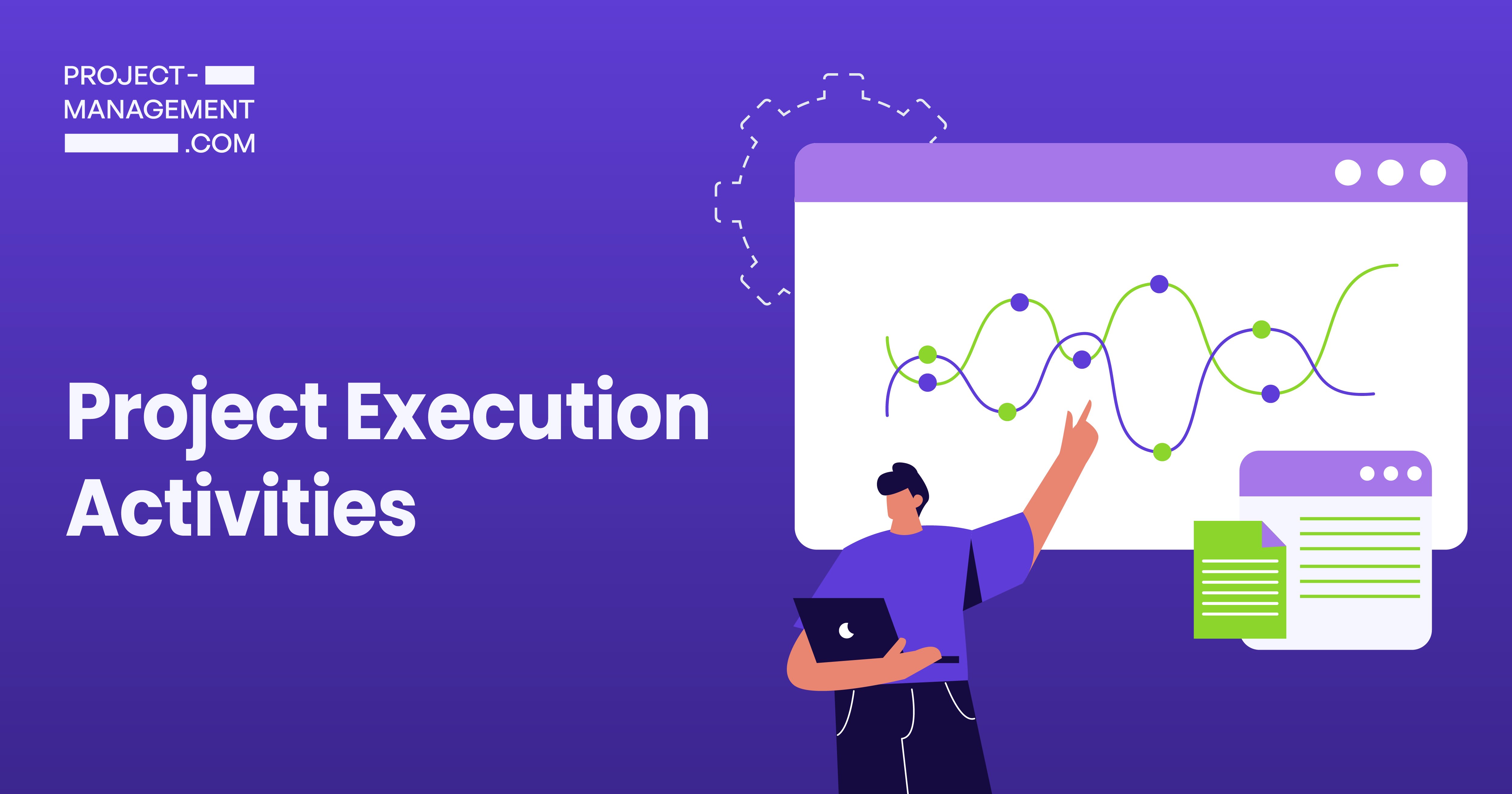
Effective project execution relies on a structured approach to managing a diverse set of activities. These six key pillars form the operational backbone of this critical phase:
-
Assigning Tasks and Responsibilities: Once the project officially kicks off, the project manager systematically breaks down the comprehensive project plan into granular, actionable tasks. These tasks are then assigned to specific team members based on their skills, expertise, and availability. Each task assignment must be accompanied by clear definitions of scope, expected deliverables, and firm deadlines. Tools such as a Responsibility Assignment Matrix (RACI matrix – Responsible, Accountable, Consulted, Informed) are invaluable here, ensuring crystal-clear roles and fostering individual accountability. Without this clarity, tasks can fall through the cracks, leading to delays and confusion.
-
Managing and Allocating Resources: Resource management is a continuous and dynamic activity throughout the execution phase. This encompasses human resources (ensuring team members are available and productive), financial resources (monitoring budget expenditure and accessibility), and material resources (ensuring necessary tools, equipment, and supplies are in place). Project managers must proactively verify resource availability and address any potential conflicts or bottlenecks before they impede progress. This might involve negotiating priorities with other departments, securing additional external support, or judiciously adjusting the budget to accommodate unforeseen needs. Effective capacity planning, often facilitated by project management software, helps prevent burnout and ensures optimal utilization of the team.
-
Managing Dependencies and Deliverables: The intricate web of project tasks often means that the output of one team or individual serves as the crucial input for another. These interconnections are known as dependencies. The project manager is responsible for meticulously mapping these dependencies, often using tools like Gantt charts or critical path analysis, to ensure that predecessor tasks are completed on time to allow successor tasks to commence without delay. Concurrently, each project deliverable must be rigorously tracked against its agreed-upon milestone. A deliverable is only considered complete and acceptable when it demonstrably meets the quality standards and acceptance criteria defined during the planning phase, preventing downstream issues.
-
Tracking Project Progress: Continuous monitoring of project performance against the original plan is non-negotiable during execution. This involves tracking key performance indicators (KPIs) such as schedule variance (how far ahead or behind schedule the project is), budget spend (actual expenditure vs. planned budget), and task completion rates. Advanced metrics like Earned Value Management (EVM) provide a comprehensive view of project health by integrating scope, schedule, and cost performance. Visual tools like Gantt charts, burn-down charts, comprehensive dashboards, and regular status reports offer real-time insights, enabling the project manager to identify potential deviations early and take corrective action.
-
Reporting to Stakeholders: Transparent and consistent communication with stakeholders is paramount. Project managers provide regular status updates, adhering to the communication frequency and format established in the project plan. These reports typically offer a high-level overview of project health, highlight achievements, flag critical issues, and bring attention to decisions that require stakeholder input or approval. Effective communication is a two-way street; it not only keeps stakeholders informed but also encourages them to share feedback, raise concerns, and offer valuable insights as the project progresses, fostering a sense of shared ownership and alignment.
-
Implementing Quality Assurance Processes: Quality assurance (QA) is embedded throughout the execution phase to guarantee that all deliverables meet the predefined standards and acceptance criteria. This involves establishing review checkpoints at strategic project stages, conducting regular quality audits, and performing inspections of delivered outputs. When a deliverable fails to meet the agreed-upon standard, it is promptly sent back for revision or rework rather than being advanced to the next stage, preventing the accumulation of defects and ensuring the final product or service is fit for purpose. This proactive approach to quality management significantly reduces rework costs and enhances customer satisfaction.
The Project Execution Plan (PEP): A Blueprint for Action
Beyond the general project plan, a Project Execution Plan (PEP) provides a more granular framework specifically detailing how the project will be carried out from start to finish. Developed before the execution phase begins, the PEP translates high-level project strategy into operational tactics. It defines the specific management approach for the execution phase, encompassing critical elements such as detailed roles and responsibilities, established communication protocols, risk management strategies specific to execution, and rigorous quality standards.
Unlike a project schedule, which primarily focuses on timelines, task sequencing, and deadlines, the PEP offers a holistic view of how the work will be managed and delivered. The schedule is indeed a crucial component, but the PEP integrates it within a broader context that includes:
- Work Breakdown Structure (WBS) details: How tasks are structured and managed.
- Resource Management Plan: Specifics on acquiring, allocating, and managing resources.
- Communication Management Plan: Who communicates what, when, and how during execution.
- Risk Management Plan: How identified risks will be monitored and responded to as they materialize.
- Quality Management Plan: Procedures for ensuring quality throughout delivery.
- Procurement Management Plan: How external goods and services will be acquired and managed.
- Change Management Process: How scope changes will be requested, evaluated, approved, and integrated.
For the project manager, the PEP serves as the primary operational reference point, guiding day-to-day activities and acting as a critical performance measure to assess whether the project is on track to meet its objectives. It is a living document, subject to updates as new information or changes arise.
Navigating Methodological Choices: Agile, Waterfall, and Hybrid
The choice of project management methodology profoundly impacts how the execution phase is managed. Agile, Waterfall, and Hybrid approaches are among the most widely adopted, each offering distinct advantages and suitability for different project contexts.
-
Waterfall Methodology: This traditional, sequential approach emphasizes comprehensive upfront planning before execution begins. Each phase must be completed and approved before the next can commence. In execution, this means following a rigid, predefined plan.
- Strengths: High predictability, clear documentation, strong control over scope, ideal for projects with well-defined requirements and minimal anticipated changes (e.g., construction, manufacturing).
- Weaknesses: Lack of flexibility, difficulty in accommodating changes late in the cycle, delayed feedback from stakeholders, potential for costly rework if issues are discovered late.
-
Agile Methodology: In contrast, Agile is iterative and incremental, prioritizing flexibility, collaboration, and continuous feedback. Projects are broken down into small, manageable iterations (sprints), with working deliverables produced at the end of each.
- Strengths: High adaptability to change, rapid delivery of value, continuous stakeholder involvement, enhanced team collaboration, suitable for projects with evolving requirements or high uncertainty (e.g., software development, R&D).
- Weaknesses: Can be less predictable regarding overall timeline and budget, requires active stakeholder engagement, potential for scope creep if not managed effectively through backlog prioritization.
-
Hybrid Methodology: This approach combines elements of both Waterfall and Agile, seeking to leverage the strengths of each. For example, a project might use a Waterfall approach for its overall structure and high-level planning, while individual execution phases or specific work packages might employ Agile sprints for development.
- Strengths: Offers a balance between structure and flexibility, allows customization based on project needs, can be effective in complex environments where some parts of the project are stable and others require agility.
- Weaknesses: Requires careful integration and clear delineation of where each methodology applies, can lead to complexity if not managed skillfully.
The selection of the right methodology is a strategic decision that depends on factors such as project scope clarity, stakeholder flexibility, regulatory requirements, and team experience. The chosen methodology dictates the rhythm of execution, the communication cadence, and the approach to managing change and risk.
Common Challenges and Strategic Mitigations During Execution
Even with meticulous planning, the execution phase is often where unforeseen issues and critical challenges tend to emerge. Proactive identification and strategic mitigation are essential for maintaining project health.
-
Scope Creep: This refers to the uncontrolled growth of a project’s scope without corresponding adjustments to time, budget, or resources. It’s a common pitfall that can derail projects.
- Mitigation: Implement a robust change control process. All change requests must be formally documented, assessed for impact, and approved by relevant stakeholders before implementation. Maintain a clear scope baseline and educate stakeholders on the implications of changes.
-
Resource Constraints and Conflicts: Projects often face challenges with resource availability, skill gaps, or conflicts arising from shared resources across multiple projects.
- Mitigation: Conduct thorough resource planning and capacity forecasting. Proactively identify potential bottlenecks and develop contingency plans for resource acquisition or reallocation. Foster clear communication with functional managers to negotiate resource needs and priorities.
-
Communication Breakdowns: Miscommunication or a lack of communication can lead to misunderstandings, duplicated effort, missed deadlines, and low morale.
- Mitigation: Establish a comprehensive communication plan detailing channels, frequency, and audience for all project information. Utilize centralized project management software for updates. Encourage active listening, regular team meetings, and open feedback loops.
-
Unforeseen Risks and Issues: Despite risk planning, new risks can emerge, or known risks can materialize with greater impact than anticipated.
- Mitigation: Maintain an active risk register and conduct regular risk reviews. Develop contingency plans and allocate contingency reserves. Empower the team to identify and escalate issues quickly, ensuring a rapid and coordinated response.
-
Stakeholder Disengagement: A lack of ongoing stakeholder interest or support can jeopardize project success, especially when critical decisions are needed.
- Mitigation: Tailor communication to stakeholder needs and interests, highlighting value and progress. Actively solicit feedback and involve key stakeholders in critical review points. Demonstrate responsiveness to their concerns.
-
Maintaining Team Morale and Productivity: The execution phase can be long and demanding, potentially leading to team fatigue or reduced motivation.
- Mitigation: Recognize and celebrate milestones and successes. Provide continuous support, clear direction, and opportunities for skill development. Foster a positive and collaborative team culture. Address conflicts promptly and constructively.
Technological Enablers: The Role of Project Management Software
In today’s complex project landscape, executing a project plan effectively often requires sophisticated tools to manage the sheer volume of information, tasks, and people involved. Project management software has become indispensable, providing a centralized platform for tracking progress, managing resources, monitoring budgets, and coordinating work.
Platforms like Wrike exemplify how technology streamlines execution. These tools offer dynamic Gantt charts for visualizing task sequences, dependencies, and milestones, providing a clear roadmap for the team. Cross-tagging features connect tasks across different workflows, ensuring seamless integration and visibility. A standout capability is often capacity planning, which allows project managers to identify overloaded team members and adjust workloads based on real-time availability and project demand, optimizing resource utilization and preventing burnout.
Beyond specific features, modern project management software facilitates:
- Real-time Collaboration: Centralized platforms for document sharing, comments, and discussions.
- Automated Workflows: Reducing manual effort for repetitive tasks, approvals, and notifications.
- Data Analytics and Reporting: Generating insightful dashboards and reports to track KPIs and provide transparency to stakeholders.
- Integration Capabilities: Connecting with other business tools (e.g., CRM, ERP, communication apps) to create a unified ecosystem.
- AI and Automation: Emerging trends include AI-powered scheduling, risk prediction, and automated progress updates, further enhancing efficiency and predictive capabilities during execution.
The adoption of such software not only enhances efficiency but also provides a single source of truth for all project-related information, fostering alignment and accountability across the team and with stakeholders.
The Broader Impact of Execution Excellence
Successful project execution extends far beyond merely completing tasks and delivering outputs. It has profound implications for an organization’s strategic goals, financial health, and competitive standing. Projects that are executed efficiently and effectively contribute directly to achieving business objectives, whether it’s launching a new product, improving internal processes, or expanding into new markets.
When projects consistently meet their objectives, they build organizational capability, enhance reputation, and foster customer satisfaction. This, in turn, can lead to increased market share, improved profitability, and greater opportunities for future business. Conversely, a history of poor execution can result in significant financial losses, reputational damage, decreased team morale, and a diminished capacity for innovation. Therefore, mastering the execution phase is not just an operational necessity but a strategic imperative for any organization aiming for sustained success and growth in a dynamic global environment.
Looking Ahead: The Continuous Loop of Monitoring and Control
The project execution phase is undoubtedly where the majority of project work takes place, transforming plans into reality. However, the journey to successful delivery is not complete without continuous vigilance. As the project team diligently works, the concurrent phase of monitoring and control plays an equally critical role. It is through this ongoing oversight that project performance is rigorously measured against the plan, allowing for the timely identification and resolution of issues before they can derail the project outcome. The interplay between execution and monitoring & control ensures that projects remain on track, adapt to challenges, and ultimately deliver the intended value.

Related Posts
Project Managers at the Forefront of Accelerating Software Delivery with CI/CD Pipelines
Mastering the Sprint Retrospective: Strategies for Agile Team Improvement and Enhanced Project Outcomes