


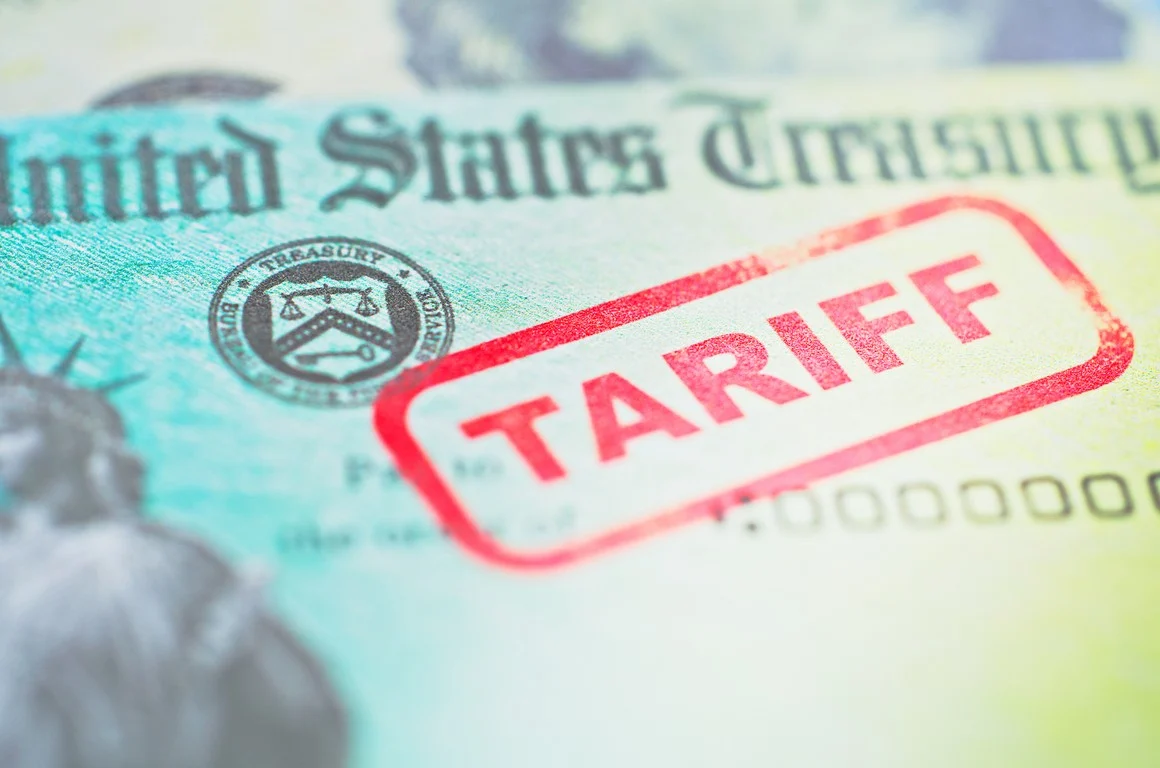
The global trade landscape recently underwent a profound regulatory shake-up, initiating ripple effects that are spreading across the complex operations of importers, freight forwarders, customs brokers, and U.S. Customs and Border Protection (CBP). At the heart of this seismic shift is the landmark Supreme Court ruling in Learning Resources, Inc. v. Trump, which invalidated specific tariffs imposed under the International Emergency Economic Powers Act (IEEPA). This decision has introduced a new layer of both opportunity and uncertainty for global trade participants, immediately unlocking the potential for over $160 billion in duty refunds for affected companies, while simultaneously signaling a recalibration of how future trade policy may be wielded by the executive branch.
Any material alteration in tariff authority or eligibility for refunds carries substantial commercial implications for importers. The invalidation of these IEEPA tariffs effectively transforms duties previously paid into refundable overpayments. For a vast number of importers, this represents a meaningful and immediate impact on earnings and cash flow, potentially freeing up significant capital. However, the path to recovery is not straightforward, requiring companies to thoroughly understand their exposure and meticulously plan their operational next steps, addressing both immediate refund processes and long-term strategic adjustments.
The Supreme Court’s Landmark Decision: Learning Resources, Inc. v. Trump
The case of Learning Resources, Inc. v. Trump centered on the executive branch’s authority to impose tariffs under the International Emergency Economic Powers Act (IEEPA). Enacted in 1977, IEEPA grants the President broad powers to deal with national emergencies that pose an "unusual and extraordinary threat" to the national security, foreign policy, or economy of the United States. Historically, IEEPA has been predominantly used to impose economic sanctions against hostile foreign governments, terrorist organizations, or individuals, such as freezing assets or restricting financial transactions. Its application to levy broad tariffs on imported goods, however, was a more novel and contentious interpretation, particularly in scenarios not directly linked to a declared national emergency in the traditional sense of immediate military or diplomatic crisis.
The specific tariffs challenged in the case were part of a broader set of duties imposed by the previous administration. Critics argued that using IEEPA for general tariff policy circumvented Congress’s constitutional authority over trade and revenue, effectively expanding presidential power beyond its intended scope. The legal challenge began in lower courts, with the Court of International Trade (CIT) and the Court of Appeals for the Federal Circuit (CAFC) grappling with the intricacies of statutory interpretation and presidential prerogative. The Supreme Court’s ultimate decision affirmed that while IEEPA grants significant executive power in times of national emergency, this power does not extend to the unilateral imposition of tariffs as a general trade policy tool without explicit congressional authorization. The ruling reinforces the principle of separation of powers, underscoring that the power to levy taxes and duties fundamentally rests with the legislative branch. This judicial clarification marks a significant moment in U.S. trade law, potentially narrowing the executive branch’s discretion in future trade disputes.
A Tsunami of Refunds: The $160 Billion Opportunity
The invalidation of IEEPA tariffs has opened the floodgates for a massive refund opportunity, estimated at approximately $160 billion across more than 55,000 entries, impacting over 330,000 importers. This sum represents a staggering amount of capital that was previously locked up in duties, now potentially available to businesses. To manage this unprecedented volume of refund requests, U.S. Customs and Border Protection (CBP) has responded by officially confirming the launch of Phase 1 of its new Consolidated Administration and Processing of Entries (CAPE) tool on April 20, 2026.
CAPE is an integral component of the Automated Commercial Environment (ACE), CBP’s primary digital platform for processing, collecting, refunding, and recording tariffs and duties. Designed specifically to streamline the submission and processing of refund requests for duties imposed under the now-invalidated IEEPA authority, CAPE aims to significantly improve efficiency. Unlike traditional post-summary correction (PSC) filings, which often require entry-by-entry processing, CAPE is built to enable the batch handling of IEEPA duty refunds. This capability is crucial for managing the sheer scale of eligible entries and is expected to expedite the return of funds to importers.
CBP guidance indicates that Phase 1 of CAPE is initially limited in scope, focusing on "certain unliquidated entries and certain entries that are no more than 80 days past liquidation." This phased approach suggests that CBP is carefully managing the rollout to ensure system stability and accurate processing. Importers of record (IORs) are authorized to submit declarations for their own entries, while customs brokers, acting on behalf of their clients, can submit refund requests for entries they originally filed. This division of responsibility, coupled with the new batch processing capabilities, is intended to facilitate a smoother and more efficient refund workflow for all parties involved.
Navigating the Refund Process: A Step-by-Step Guide
Securing these IEEPA refunds requires careful attention to detail and adherence to CBP’s new protocols. Importers and customs brokers must undertake several critical steps to ensure their eligibility and streamline the submission process.
Recommended First Steps for Importers and Brokers:
- Identify Eligible Entries: The initial and most crucial step is to meticulously review all import records to identify entries where IEEPA duties were paid. This involves sifting through historical data, entry summaries, and payment records.
- Verify Liquidation Status: Determine the liquidation status of identified entries. As Phase 1 of CAPE is limited to "certain unliquidated entries and certain entries that are no more than 80 days past liquidation," understanding this status is paramount for timely submission.
- Gather Necessary Documentation: Prepare all supporting documentation, including entry summaries, commercial invoices, and proof of duty payment. Accuracy and completeness are key to avoiding delays.
- Access the ACE Portal: IORs and customs brokers will need to access their web-based ACE Portal account, where the CAPE Declaration functionality is integrated.
- Prepare the CAPE Declaration File: According to CBP guidance, the CAPE Declaration is submitted as a Comma-Separated Values (.CSV) file. This file must accurately list all IEEPA duty entries for which refunds are being requested. Careful data entry and validation are essential to prevent errors that could lead to rejection or delays.
The Submission and Refund Process Pathway:
The general pathway for submitting and receiving refunds through CAPE is anticipated to follow these steps:
- Declaration Preparation: The importer or customs broker prepares the .CSV file containing the list of eligible IEEPA duty entries. This file serves as the formal request for refund.
- Submission via ACE Portal: The prepared CAPE Declaration .CSV file is uploaded through the designated section of the ACE Portal.
- CBP Review and Validation: CBP will review the submitted declaration, validating the eligibility of each entry and the accuracy of the duty amounts requested for refund. This process is expected to leverage CAPE’s batch processing capabilities.
- Processing of Refunds: Once validated, CBP will process the refund. This typically involves adjusting the duty amount in their records and initiating the financial transaction to return the overpayment.
- Disbursement of Funds: The refund funds are then disbursed to the importer. The method and timeline for disbursement will be communicated by CBP, often through electronic funds transfer.
Given the inherent complexities and the time-sensitive nature of this refund opportunity, many importers and customs brokers are increasingly turning to modern global trade-compliance technology. Purpose-built software solutions can automate critical aspects of this process, such as automatically reviewing entry summaries and payment records, utilizing data triggers to flag entries potentially eligible for refunds. Furthermore, by providing a single, comprehensive view into all impacted transactions, compliance technology offers a robust audit trail, ensuring full traceability and simplifying validation if CBP requires additional details on classification or other entry specifics. For those without in-house expertise or advanced technological capabilities, engaging customs consultants or duty-recovery software specialists can clarify and streamline the refund workflow, providing expertise in mapping financial impacts, reviewing entry and protest statuses, and correcting unliquidated entry summaries to preserve potential refund rights.
Beyond IEEPA: The Enduring Landscape of Tariff Volatility
While the Supreme Court ruling provides a significant opportunity for duty refunds, importers should exercise caution and temper immediate celebrations. The decision, while narrowing the scope of presidential power under IEEPA, does not eliminate the broader use of tariffs as a potent policy tool. In fact, tariff volatility is likely to remain a structural element of the global trade environment, simply operating under different legal and regulatory auspices. The "don’t break out the champagne just yet" admonition is critical, as other mechanisms remain fully in force, and new avenues for levying duties are actively being explored.
Resurgent Trade Tools: Section 232 and 301
Two primary statutory authorities continue to empower the U.S. government to impose tariffs: Section 232 of the Trade Expansion Act of 1962 and Section 301 of the Trade Act of 1974.
-
Section 232 Tariffs: These duties are imposed based on findings by the Department of Commerce that imports of specific commodities or products threaten national security. Currently, Section 232 tariffs are levied on goods such as steel and aluminum, but their application is expanding. The government is actively conducting multiple Section 232 investigations across a diverse range of industries. These investigations, examining everything from semiconductors and processed critical minerals to wind turbines, pharmaceuticals, aircraft, and plastic piping, could foreseeably lead to the imposition of new tariffs. This mechanism allows the executive branch to bypass traditional trade negotiations and impose duties unilaterally, provided a national security nexus can be established, potentially replacing country-based IEEPA tariffs with more commodity-focused duties. The breadth of ongoing investigations signals a proactive and expansive use of this tool, directly impacting critical sectors of the global economy.
-
Section 301 Tariffs: Primarily associated with goods imported from China, Section 301 targets unfair trade practices that burden or restrict U.S. commerce. These tariffs, which have significantly impacted various sectors of the U.S. economy, remain fully in force. The Office of the U.S. Trade Representative (USTR) has recently initiated large-scale Section 301 investigations related to forced labor practices and structural excess capacity and production in manufacturing sectors. This aggressive move, targeting up to 60 countries, signals a more expansive and assertive use of Section 301 beyond its initial focus on China. The USTR’s actions foreshadow additional tariffs and underscore a policy shift towards confronting perceived unfair trade practices on a broader global scale.
Emerging Avenues for Tariffs: Section 122 and 338
Beyond the established Section 232 and 301, the current administration and future administrations may explore other discretionary trade powers to levy additional tariffs:
- Section 122 of the Trade Act of 1974: This rarely invoked provision allows the President to impose a temporary import surcharge (up to 15%) to address "fundamental international payments problems." While historically used sparingly, the prospect of quickly imposing a temporary 10% global tariff under Section 122 has been floated. Such a move, if enacted, could rapidly introduce new, widespread duties, adding another layer of complexity for importers and potentially disrupting global supply chains on a broad scale.
- Section 338 of the Tariff Act of 1930: This provision enables the government to impose tariffs on countries that "discriminate" against U.S. commerce. Experts suggest that Section 338 could be leveraged to continue a "tariff onslaught" in the absence of IEEPA, prolonging tariff uncertainty and further complicating sourcing decisions for businesses. This tool provides another avenue for targeted or broad tariffs based on perceived discriminatory trade practices by other nations.
The net effect of these ongoing and emerging mechanisms is a likely shift from the specific, country-based tariffs previously imposed under IEEPA to potentially more commodity-focused duties (e.g., Section 232) or broader tariffs targeting unfair practices (e.g., Section 301) or macroeconomic imbalances (e.g., Section 122). This evolving landscape means importers must remain vigilant, constantly monitoring trade policy developments and assessing their potential impact.
Strategic Imperatives for Importers and Global Supply Chains
In the wake of the Supreme Court’s decision and the prospect of continued tariff volatility, importers face a dual challenge: actively pursuing eligible refunds while simultaneously fortifying their operations against future trade disruptions. Business resiliency moving forward is paramount.
Immediate Actions for Importers:
- Expedite Refund Eligibility Review: Companies should immediately launch or accelerate comprehensive reviews to identify all entries eligible for IEEPA refunds, prioritizing those within the current CAPE Phase 1 criteria.
- Data Aggregation and Validation: Meticulously collect and validate all necessary documentation and data required for CAPE submissions, ensuring accuracy to prevent processing delays.
- Consider Expert Consultation: For complex cases or companies with limited in-house trade compliance resources, engaging customs consultants or duty-recovery specialists can prove invaluable in navigating the CAPE process and maximizing refund potential.
Long-Term Resilience and Strategic Planning:
With tariff volatility likely to remain a structural element of the global trade environment for the foreseeable future, it is imperative that importers implement robust global trade tooling and strategies to continually monitor, model, and calibrate their pricing, sourcing, and compliance strategies.
- Supply Chain Diversification: Reducing reliance on single-country sourcing, particularly from regions frequently targeted by tariffs, becomes a critical risk mitigation strategy. Exploring alternative suppliers and production locations can cushion the impact of sudden duty impositions.
- Enhanced Risk Assessment: Develop sophisticated risk assessment frameworks that account for geopolitical shifts, potential trade policy changes, and their financial implications. Proactive scenario planning is essential.
- Leveraging Trade Compliance Technology: The role of intelligent technology in trade compliance cannot be overstated. Modern global trade management (GTM) platforms can provide:
- Real-time Monitoring: Continuously track changes in tariff rates, trade agreements, and regulatory landscapes.
- Duty Optimization: Model the impact of various tariff scenarios on product costs and profitability, informing sourcing and pricing decisions.
- Automated Compliance: Streamline the classification, valuation, and origin determination processes, reducing manual errors and ensuring adherence to complex regulations.
- Audit Trail and Data Visibility: Maintain a comprehensive and easily accessible audit trail for all import activities, crucial for responding to CBP inquiries and demonstrating compliance.
- Agility and Responsiveness: Enable businesses to quickly adapt to rapidly changing conditions, whether it’s a new tariff imposition or a shift in refund procedures.
Expert Commentary and Outlook
Jackson Wood, Director of Industry Strategy, Global Trade Intelligence at Descartes, aptly summarizes the prevailing sentiment: "As the supply chain priority focuses on responsiveness, importers and brokers that embrace agility, intelligent technology, and data-driven compliance strategies are better positioned to succeed in the face of quickly changing conditions." His insight underscores that while the immediate focus is on securing refunds, the enduring lesson from the IEEPA ruling is the imperative for proactive adaptation and technological empowerment within global supply chains.
The Supreme Court’s decision on IEEPA tariffs has undeniably reshaped the landscape of U.S. trade policy, emphasizing the constitutional boundaries of executive power and unlocking significant financial opportunities for importers. However, this moment of potential relief is juxtaposed with the reality of persistent tariff volatility, driven by the continued use and exploration of other trade policy tools. For importers and their partners, the path forward demands both meticulous attention to the immediate refund process and a strategic commitment to building agile, technologically advanced, and resilient global trade operations capable of navigating an ever-evolving regulatory environment. The ability to efficiently recover past overpayments, while simultaneously preparing for future tariff shifts, will distinguish successful enterprises in the coming years.






Comments (0)