Social Search and the Evolution of Consumer Intelligence Bridging the Critical Gap in the Modern Purchase Journey
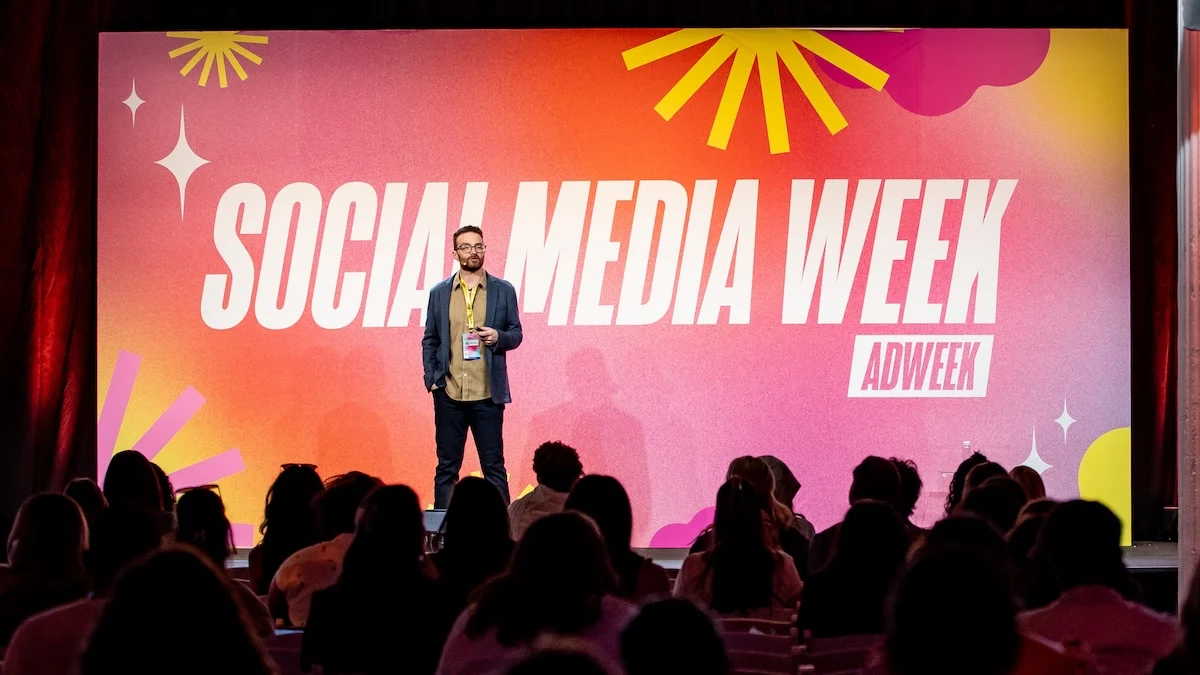
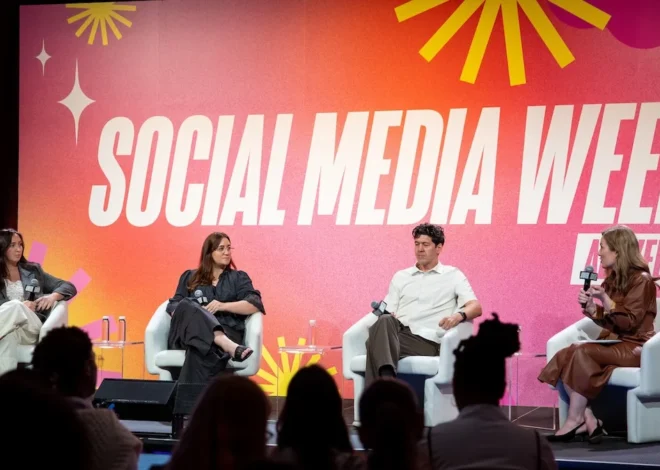
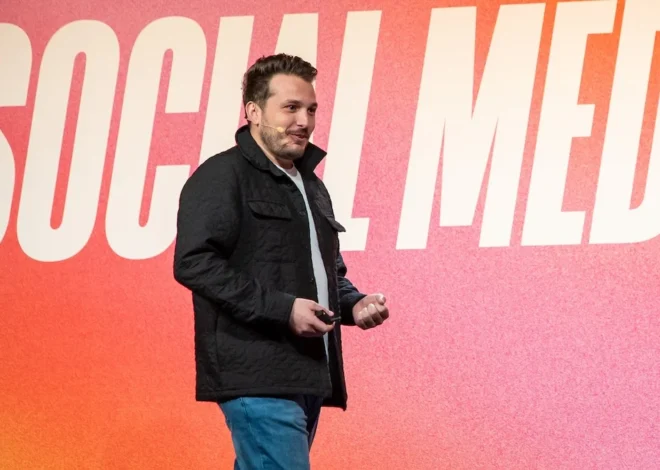
The landscape of digital discovery is undergoing a fundamental transformation as social media platforms increasingly challenge the long-standing hegemony of traditional search engines. During a recent Social Media Week session, held in strategic partnership with consumer intelligence platform Brandwatch, industry experts gathered to dissect the shifting paradigms of how modern consumers navigate the path from curiosity to conversion. Eric deLima Rubb, Vice President of Customer Success and Insights at Brandwatch, led a comprehensive discussion regarding the emergence of "social search" and its implications for global brands. The session highlighted a burgeoning "critical gap" in marketing strategy—a disconnect between the factual data provided by traditional search engines and the nuanced, community-driven insights found on social platforms.
For over two decades, the marketing industry has relied on search engine optimization (SEO) and search engine marketing (SEM) as the primary windows into the consumer psyche. When traditional search engines first rose to prominence, they provided brands with unprecedented access to consumer interests through keyword volume and intent. However, Rubb argues that the nature of consumer inquiry has evolved beyond the capabilities of a standard search bar. As digital natives—particularly Gen Z and Millennials—begin to treat platforms like TikTok, Instagram, and Reddit as their primary search tools, the data generated is no longer just about "what" people are looking for, but "why" they are making specific choices and "how" they feel about the options available to them.
The Divergence of Traditional and Social Search
The core of the session focused on the distinction between the utility of a traditional search engine and the communal nature of social search. Rubb provided a stark statistical breakdown to illustrate this divide: approximately 82% of traditional search results are driven by users seeking objective facts. These queries typically revolve around specifications, pricing, physical dimensions, and technical features.
To clarify this distinction, Rubb utilized the automotive industry as a primary case study. In a traditional search scenario, a consumer might type, "Is a Honda CR-V an all-wheel drive car?" The search engine functions as a digital encyclopedia, returning a binary, factual answer: "Yes." While this information is necessary for the consumer, it represents only the surface level of the decision-making process. It provides the "specs" but fails to capture the "sentiment."
In contrast, social search reveals the internal monologue and social pressures acting upon the buyer. Rubb highlighted a real-world social media interaction where a potential car buyer shared a specific dilemma: a dealership was pressuring them to purchase a 2025 model currently on the lot rather than waiting for a rumored 2026 redesign. The consumer turned to their social community not for a fact, but for a gut check. They asked if the dealer’s urgency was a tactic or a genuine recommendation.
"Search shows you questions that people can answer with a fact," Rubb explained during the session. "Social search shows you questions that other people need help answering." This distinction marks the difference between information retrieval and psychological validation.
Defining the Visible Evaluation Journey
To help brands conceptualize this new environment, Rubb and his team at Brandwatch introduced a new framework: "visible evaluation journeys through community interaction." This four-part definition serves as a roadmap for modern marketing departments attempting to bridge the gap between data and human behavior.
The term "visible" refers to the public nature of these interactions. Unlike a private search query, social search happens in the open, allowing brands to observe the raw, unfiltered deliberations of their target audience. "Evaluation" signifies that these interactions are not merely about discovery; they are about the active weighing of options and the formation of opinions. The "journey" aspect acknowledges that these decisions are not instantaneous but are stories that unfold over time, often across multiple platforms and touchpoints. Finally, "community" emphasizes that these decisions are no longer made in a vacuum. The influence of the "community voice" has, in many sectors, surpassed the influence of brand-led messaging.
Rubb emphasized that these communities are not only visible but "contagious." When one user shares a positive or negative experience during their evaluation journey, it ripples through the community, influencing the evaluation journeys of countless others. This creates a network effect where a single social search query can trigger a localized shift in brand perception.
A Chronology of Search and Discovery
To understand the weight of this shift, it is necessary to view it within the broader chronology of internet history. The first era of discovery, roughly from 1995 to 2005, was defined by directories and the early dominance of Google, where the goal was to index the world’s information. The second era, from 2005 to 2015, saw the rise of social media as a "broadcast" medium, where brands used platforms like Facebook and Twitter to push content to users.
The current era, which began to take shape around 2018 and accelerated during the global pandemic, is the era of "Social Discovery." In this period, the search bar on TikTok has become as significant as the search bar on Google. According to internal data from Google executives shared in late 2022, nearly 40% of young users now turn to TikTok or Instagram when looking for a place for lunch, bypassing Google Maps or traditional Search. This trend has since expanded from lifestyle choices into high-stakes purchases like insurance, real estate, and automotive.
Supporting Data and Industry Implications
The implications for brands are significant. Recent industry reports suggest that while traditional SEO still drives massive volumes of traffic, the "conversion intent" found in social search is often higher because it is rooted in peer-to-peer trust. A 2023 study on consumer behavior indicated that 76% of consumers trust "everyday people" more than brand advertisements.
The "critical gap" Rubb described is essentially a failure of brands to meet consumers where they are seeking this trust. If a brand’s digital strategy is focused solely on answering factual questions—such as "What is the battery life of this laptop?"—they are ceding the more important conversation to the community. That conversation is: "Does this laptop actually last through a full day of college classes, and is the customer service helpful when the screen flickers?"
For agencies and internal marketing teams, this requires a pivot in resource allocation. It suggests that "social listening" is no longer a passive activity used for crisis management, but a proactive tool for product development and sales strategy. By analyzing the "visible evaluation journeys," brands can identify the specific anxieties and friction points that prevent a consumer from completing a purchase.
Broader Impact and Official Responses
While Brandwatch and other social intelligence firms are leading the charge in providing the tools to bridge this gap, the broader tech industry is also reacting. Google has begun integrating more "perspectives" into its search results, featuring Reddit threads and social media videos more prominently in an effort to recapture the "human" element of search.
Industry analysts suggest that the rise of social search will lead to a "de-commoditization" of information. When facts are ubiquitous and instantly accessible via AI-generated search summaries, the only remaining value for the consumer is the subjective experience of others. This places a premium on community management and influencer relations that feel authentic rather than transactional.
The official stance from insights leaders like Rubb is clear: the psychological and emotional drivers of decision-making are now being mapped out in public. Brands that ignore these "visible journeys" do so at their own peril. The gap is not a lack of data volume—modern brands have more data than ever before. Instead, the gap is a "fundamental misunderstanding" of how people use the internet to evaluate who they want to be and what they want to buy based on the collective wisdom of their peers.
Future Outlook: The Integration of Social and Search
Looking forward, the distinction between "social" and "search" is expected to blur further. As artificial intelligence becomes more integrated into social platforms, the ability to search through vast amounts of community video and text content will become even more seamless.
For brands to remain relevant, the session concluded that they must stop viewing social media as merely a megaphone for marketing messages. Instead, they must treat it as a laboratory for understanding the human condition. By closing the "critical gap" and participating meaningfully in the visible evaluation journey, brands can move beyond being a provider of facts to becoming a trusted participant in the consumer’s community.
The Social Media Week session served as a definitive reminder that in the modern economy, the most valuable currency is not information, but the trust generated through community interaction. As Eric deLima Rubb noted, "Social search is where people are evaluating who they want to be based on what they learn from others." For the modern marketer, the challenge is no longer just being found—it is being worth talking about.
Related posts:


Related Posts
Beyond Follower Counts How Algorithmic Shifts and Integrated Strategies are Redefining Social Media Success in 2024
Viral Nation Leverages Artificial Intelligence and Big Data to Redefine Social Media ROI and Creator Marketing Strategies