
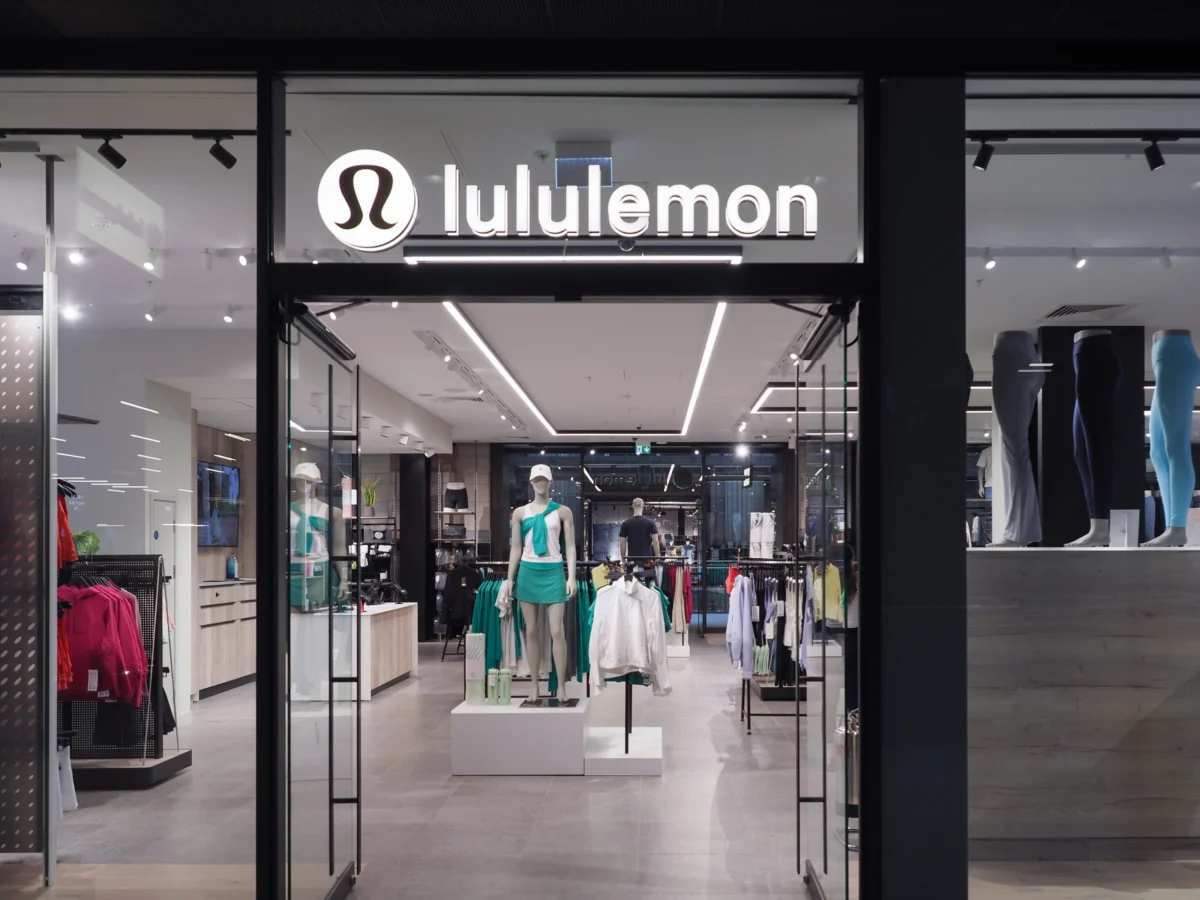
Lululemon Strengthens North American Presence with the Launch of Dedicated Mexico E-commerce Platform and Accelerated Physical Store Expansion
The Vancouver-based athletic apparel giant Lululemon Athletica Inc. has officially extended its digital reach into the Mexican market with the launch of its dedicated e-commerce website, lululemon.mx, on April 20. This strategic move is designed to scale the company’s integrated retail and digital presence while enhancing its omnichannel capabilities within one of Latin America’s most promising consumer markets. The digital debut serves as a cornerstone for a broader regional strategy that includes a significant increase in physical storefronts throughout Mexico during the company’s fiscal 2026. By aligning its online and offline operations, Lululemon aims to provide a seamless "guest experience" that mirrors its successful operational models in Canada and the United States, while tailoring its approach to the specific nuances of the Mexican retail landscape.
The introduction of the Mexican e-commerce platform comes at a pivotal moment for the retailer, as it navigates a shifting economic environment in North America. According to the company’s recent financial disclosures, the launch is intended to complement an aggressive brick-and-mortar expansion plan. For the fiscal year 2026, Lululemon has announced intentions to open approximately 15 new stores across the North American continent. Notably, more than half of these new locations—eight in total—are slated for Mexico. This localized concentration of investment underscores the company’s confidence in the Mexican market’s growth potential. By the conclusion of the fiscal year, Lululemon expects its total store count in Mexico to exceed 30 locations, representing a substantial footprint for a premium brand in the region.
Strategic Objectives and the Omnichannel Shift
The launch of lululemon.mx is not merely a technical update but a strategic evolution of Lululemon’s "Power of Three ×2" growth plan. This corporate strategy, unveiled previously by the company’s leadership, focuses on three primary pillars: product innovation, guest experience, and market expansion. Specifically, the plan aims to double the company’s men’s revenue, double its digital revenue, and quadruple its international revenue relative to 2021 levels. The expansion into Mexico’s digital space directly addresses two of these three pillars.
Carla Anderson, Senior Vice President and General Manager for North America at Lululemon, emphasized that the company is "continuing to strategically invest in the growth and evolution of our omnichannel guest experience." Anderson noted that the synergy between elevated physical stores and enhanced digital capabilities is essential for driving momentum. In a formal statement, she characterized the launch of the Mexican website and the accompanying store expansion as an "exciting next chapter" in the brand’s North American journey. The objective is to build "connected, engaging and consistent experiences" for consumers, regardless of whether they are shopping on a mobile device in Mexico City or visiting a boutique in Monterrey.
The term "omnichannel" in Lululemon’s context refers to a sophisticated integration of inventory and customer service. By establishing a local e-commerce presence, the brand can offer services such as "buy online, pick up in-store" (BOPIS), localized shipping, and easier returns, which are often hurdles for international brands operating solely through third-party distributors or cross-border shipping. This infrastructure is vital for maintaining the premium brand image that Lululemon commands.
Financial Performance and Digital Dominance
The decision to prioritize digital expansion in Mexico is supported by robust data from Lululemon’s most recent fiscal reports. In March, the company reported its results for the fourth quarter of fiscal 2025, revealing a 9% year-over-year growth in digital sales. This segment has become the primary engine of the company’s financial health; digital sales reached $1.9 billion in the fourth quarter alone, accounting for more than 50% of Lululemon’s total quarterly revenue.
Despite the strength of the digital sector, the company’s total net revenue saw a modest increase of 1%, reaching $3.6 billion. This highlights a divergence in regional performance. In the United States, which has historically been Lululemon’s strongest market, revenue saw a slight decline of 1%. Conversely, the Canadian market showed resilience with a 3% increase. The stagnation in the U.S. market has likely accelerated the company’s efforts to diversify its revenue streams within North America, making the Mexican expansion a high-priority initiative.
Lululemon’s dominance in the e-commerce space is further evidenced by its ranking in the Top 2000 Database, where it currently holds the 24th position. This database, which tracks and ranks the largest online retailers in North America by annual e-commerce sales, places Lululemon among the elite tier of digital merchants. Maintaining this high ranking requires constant innovation and the opening of new geographical "fronts" to offset slowing growth in saturated markets.
The Mexican Market Context and Consumer Trends
Mexico represents a strategic frontier for premium athletic apparel for several reasons. The country has a growing middle class with an increasing interest in health, wellness, and "athleisure"—a fashion trend that Lululemon helped pioneer, where athletic clothing is worn in non-athletic settings. According to market research, the Mexican e-commerce market is one of the fastest-growing in the world, fueled by increased smartphone penetration and a young, tech-savvy demographic.
The "nearshoring" trend, which has seen numerous multinational corporations move manufacturing and operations to Mexico to be closer to the U.S. market, has also contributed to economic stability and rising disposable income in urban centers. For Lululemon, this provides a fertile ground for a brand that sits at the intersection of luxury and performance. By establishing a direct-to-consumer (DTC) digital platform, Lululemon can gather first-party data on Mexican consumers, allowing for more targeted marketing campaigns and inventory assortments that reflect local preferences and seasonal trends.
Furthermore, the physical store expansion—reaching over 30 stores by the end of fiscal 2026—serves as a critical branding tool. In the Mexican retail culture, physical "touchpoints" remain highly influential. High-end shopping malls in cities like Guadalajara, Puebla, and Mexico City serve as social hubs. Lululemon’s strategy of using stores as community centers—often hosting yoga classes or local run clubs—will likely be a key component of its Mexican rollout, helping to build brand loyalty that a digital-only approach might struggle to achieve.
Chronology of Expansion
Lululemon’s journey into the Mexican market has been a disciplined, multi-year process.
- Initial Market Entry: The brand initially entered Mexico through a combination of wholesale partnerships and a limited number of physical stores in key metropolitan areas. This allowed the company to test the "appetite" for $100 leggings in a market with different price sensitivities than the U.S. or Canada.
- Infrastructure Building: Over the past two fiscal years, Lululemon has worked behind the scenes to establish the logistics and supply chain necessary to support a high-volume e-commerce site. This includes local warehousing and partnerships with regional delivery services to ensure the "last-mile" experience meets the brand’s global standards.
- Digital Launch (April 20): The activation of lululemon.mx marks the transition from a physical-first presence to a true omnichannel model.
- Fiscal 2026 Scaling: The current phase involves the rapid scaling of physical locations. The commitment to eight new stores in a single fiscal year represents a significant acceleration of capital expenditure in the region.
- Operational Maturity: By the end of 2026, with over 30 stores and a fully integrated digital platform, Lululemon will have completed its foundational setup in Mexico, shifting its focus toward market share retention and category expansion (such as footwear and men’s accessories).
Broader Industry Implications and Analysis
The move by Lululemon is reflective of a larger trend among "Category Killers" in the retail space. As domestic markets in the U.S. reach a point of saturation, and as consumer spending faces headwinds from inflation and shifting priorities, international expansion becomes the primary lever for growth. Nike, Adidas, and newer competitors like Alo Yoga and Vuori are all eyeing the Latin American market with similar intent.
Lululemon’s specific advantage lies in its high operating margins and its "community-led" growth model. Unlike traditional retailers that rely heavily on third-party department stores, Lululemon’s reliance on its own DTC channels (both digital and physical) allows it to maintain strict control over pricing and brand presentation. In a market like Mexico, where brand prestige is a significant driver of consumer behavior, this control is a competitive moat.
Analysts suggest that the 9% growth in digital sales reported in Q4 is a "canary in the coal mine" for the industry. It suggests that while consumers may be more selective about visiting physical malls, their appetite for premium brands remains strong in the digital sphere. By launching lululemon.mx, the company is effectively capturing the "sofa-shopping" segment of the Mexican population that may not live near one of the 30 planned physical stores but still desires the brand’s products.
However, the expansion is not without risks. The decline in U.S. revenue (1%) indicates that even the most successful brands are not immune to macroeconomic shifts. Lululemon must ensure that its aggressive expansion in Mexico does not lead to over-extension or a dilution of its premium status. The "disciplined approach" mentioned in the company’s announcement suggests a awareness of these risks, focusing on high-traffic, high-income areas for its physical footprint.
Future Outlook
Looking ahead to the remainder of fiscal 2026 and beyond, Lululemon is positioned to become a dominant force in the Mexican athletic apparel sector. The success of the lululemon.mx platform will likely be measured by its ability to maintain high full-price sell-through rates and its contribution to the "Power of Three ×2" goals.
Investors and industry observers will be watching the next few quarterly reports closely to see if the Mexican market can provide the necessary "lift" to offset the cooling growth in the United States. If the Mexican omnichannel strategy proves successful, it may serve as a blueprint for Lululemon’s further expansion into other South American markets, such as Brazil or Chile, where the demand for premium lifestyle brands continues to climb.
As the retail landscape continues to blend the digital and physical worlds, Lululemon’s move into Mexico stands as a testament to the importance of a unified commerce strategy. The company is no longer just a yoga wear manufacturer; it is a global technology and logistics entity that uses physical stores as showrooms for a massive, data-driven digital ecosystem. With the launch of lululemon.mx, the brand has officially planted its flag in the digital soil of Latin America, signaling its intent to lead the next generation of global retail.




Related Posts

The Strategic Integration of Conversion Rate Optimization Across Multi-Channel E-commerce Ecosystems

Global Ecommerce Evolution 2026: The Rise of Agentic Commerce, Circular Logistics, and Embedded Financial Systems