Three Individuals Sentenced for Elaborate Bear Suit Insurance Fraud Scheme Netting Over $141,000
Three Southern California residents have been sentenced to six months in jail for an audacious insurance fraud scheme involving a bear costume and barbecue meat claws, which defrauded three insurance companies of over $141,000. Ruben Tamrazian, Vahe Muradkhanyan, and Alfiya Zuckerman orchestrated the elaborate deception, falsely claiming that a bear had extensively damaged the interiors of their luxury vehicles in Lake Arrowhead, California, before their meticulously planned hoax was unraveled by a suspicious insurer and a discerning wildlife biologist. The unique nature of the crime, exposed in April 2026, has brought renewed attention to the persistent challenge of insurance fraud and the increasing sophistication required to detect it.
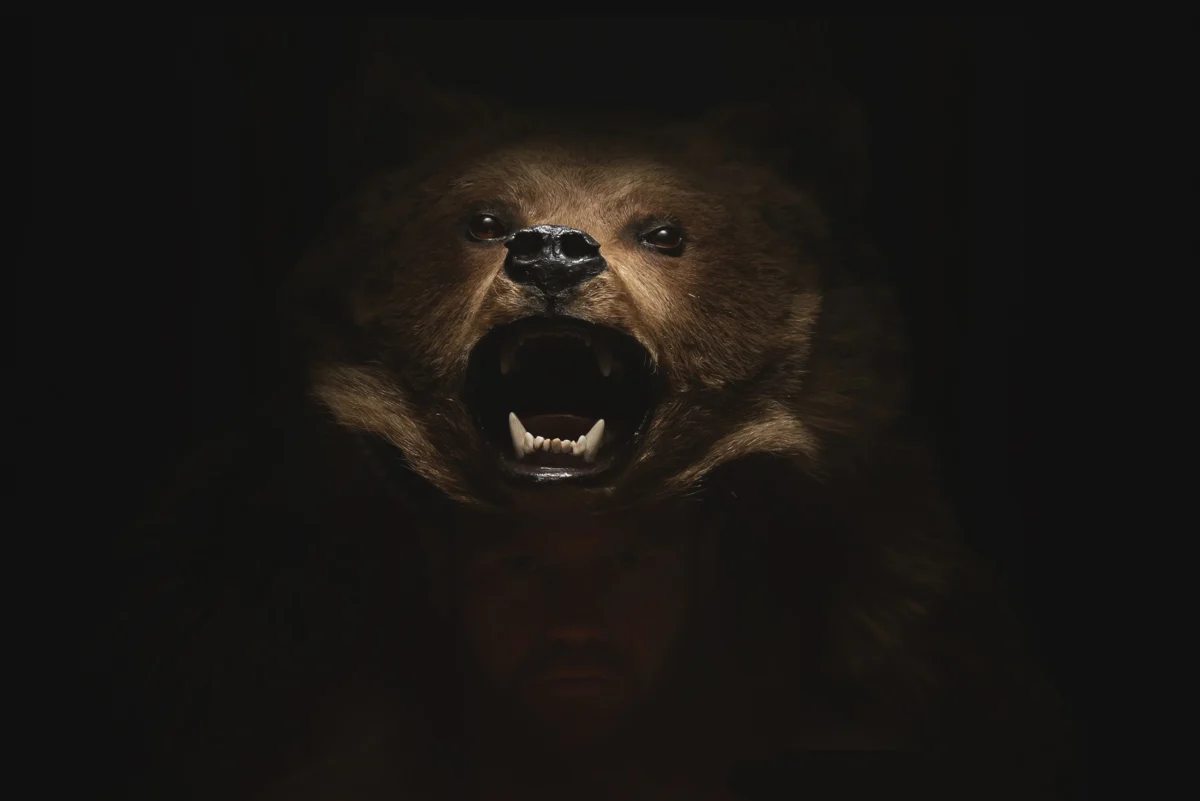
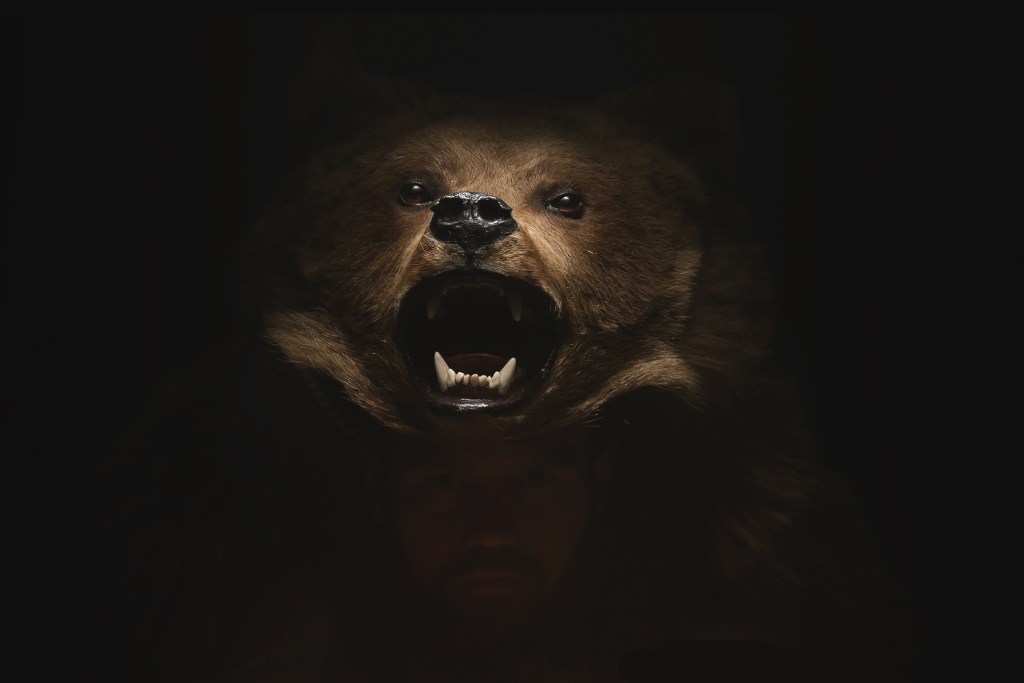
The fraudulent operation centered around a 2010 Rolls-Royce Ghost and two Mercedes-Benz vehicles. The conspirators submitted insurance claims alleging that a bear had "rifled through" the interiors of all three cars on the same date, causing significant damage. To substantiate their claims, they provided video footage purportedly showing a bear crawling around the back seats and swatting at the dashboards, seemingly causing the extensive scratches that were, in reality, inflicted with barbecue meat claws by a human accomplice disguised in a bear suit. Initially, the deception proved successful, and the insurance companies paid out the claims, believing the damage to be legitimate wildlife-related incidents.
Chronology of Deception and Discovery
The intricate scheme began with the alleged incidents in Lake Arrowhead, a scenic community nestled in the San Bernardino Mountains, known for its natural beauty and, indeed, its wildlife, including black bears. This geographic context lent initial plausibility to the fraudsters’ claims, making a bear encounter seem like a believable explanation for the vehicle damage.
- The Incidents (Undisclosed Date, Prior to Claim Submission): The conspirators allegedly orchestrated the "bear attacks" on their luxury vehicles. One individual, dressed in a brown bear costume, used barbecue meat claws to scratch and damage the interiors of the Rolls-Royce Ghost and the two Mercedes-Benzes. The precision of the damage, later identified as inconsistent with actual bear behavior, was central to the plot.
- Claim Submission: Following the staged damage, Ruben Tamrazian, Vahe Muradkhanyan, and Alfiya Zuckerman filed separate insurance claims with three different insurance providers. Their claims detailed extensive interior damage, attributing it to a wild bear encounter in Lake Arrowhead. Crucially, they submitted carefully crafted video footage designed to corroborate their narrative, depicting what appeared to be a bear moving within the vehicles.
- Initial Payouts: Due to the seemingly credible evidence, including the video footage and the plausible location, the initial claims were processed, and the conspirators successfully received payouts totaling over $141,000. This initial success likely emboldened the fraudsters, demonstrating the efficacy of their unusual method.
- Growing Suspicion (Post-Payout): While two insurers processed the claims without immediate red flags, one particular insurance company grew suspicious. Industry experts suggest that several factors might trigger a closer look: multiple high-value claims originating from the same location on the same date, unusual patterns in the reported damage, or inconsistencies in the claimant’s statements. The sheer audacity of the "bear damage" claim, particularly across multiple luxury vehicles, may have raised an alert within the insurer’s fraud detection algorithms or special investigative unit.
- Expert Intervention (After Suspicion Aroused): Acting on their suspicions, the skeptical insurer referred the case to law enforcement investigators. In a critical move, investigators then enlisted the expertise of a wildlife biologist from the California Department of Fish and Wildlife. This step proved instrumental in exposing the fraud, highlighting the importance of inter-agency cooperation and specialized knowledge in combating sophisticated criminal activities.
- Biologist’s Analysis: The wildlife biologist meticulously reviewed the submitted video footage. Experts in animal behavior possess a keen understanding of how specific species interact with their environment. A real bear’s movements, gait, paw mechanics, and interaction with objects inside a confined space like a car interior would differ significantly from those of a human attempting to mimic such behavior. For instance, a bear’s claws retract differently, and its weight distribution and balance within a car would be distinct. The biologist concluded definitively that the animal in the video was not a genuine bear but unequivocally a human in a costume. Factors such as the way the "bear" moved, the manner in which the "claws" created scratches, and perhaps even subtle human mannerisms observable despite the costume, likely contributed to this expert determination.
- Law Enforcement Action and Discovery: Armed with the biologist’s expert opinion, detectives obtained a search warrant. During the subsequent search, law enforcement officers made a pivotal discovery: the elaborate brown bear costume and the barbecue meat-shredding handles used to inflict the fake damage. This physical evidence corroborated the biologist’s findings and provided irrefutable proof of the fraudulent scheme.
- Arrest, Charges, and Sentencing (Leading to April 2026): Following the discovery of the evidence, Ruben Tamrazian, Vahe Muradkhanyan, and Alfiya Zuckerman were arrested and subsequently charged with insurance fraud. The legal proceedings culminated in their sentencing in April 2026, where they each received a six-month jail term, a stark reminder of the legal consequences of such deceptive practices.
Background and Context: The Allure of Lake Arrowhead and the Scope of Fraud
Lake Arrowhead, often dubbed "The Alps of Southern California," is indeed a region where encounters with wildlife, including black bears, are not uncommon. These animals occasionally venture into residential areas, particularly when foraging for food, leading to incidents involving property damage. This natural context provided a veneer of credibility for the fraudsters’ claims, making the initial reports of bear damage plausible to insurers unfamiliar with the precise details of the alleged incidents. However, typical bear damage, while destructive, often leaves distinct signs such as claw marks that penetrate deeply, saliva, fur, and specific patterns of entry and exit that differ from the superficial or intentional scratching observed in this case.
California, with its vast population and high concentration of luxury vehicles, is a significant market for the insurance industry. Consequently, it is also a hotbed for various forms of insurance fraud. According to the Coalition Against Insurance Fraud, insurance fraud costs American consumers and businesses tens of billions of dollars annually. While precise figures for California alone vary, national estimates suggest that insurance fraud amounts to well over $300 billion each year across all lines of insurance. Auto insurance fraud, which includes staged accidents, inflated claims, and deliberate damage, constitutes a substantial portion of this total. The financial burden of these fraudulent claims is ultimately passed on to honest policyholders through higher premiums, making the fight against fraud a critical component of maintaining affordable insurance rates.
The decision by the conspirators to target luxury vehicles—a 2010 Rolls-Royce Ghost and two Mercedes-Benzes—was a calculated move. Repairs for high-end automobiles are notoriously expensive due to specialized parts, labor, and craftsmanship required. By claiming damage to such vehicles, the fraudsters maximized their potential payouts, turning what might have been a minor fraud with a standard vehicle into a lucrative, albeit short-lived, enterprise.
The Anatomy of Insurance Fraud Detection
Insurance fraud encompasses a wide range of deceptive acts committed against insurance companies to obtain an unfair benefit or advantage. These acts can range from minor exaggerations of claims to complex, organized schemes like the bear suit fraud. Common types of auto insurance fraud include:
- Staged Accidents: Deliberately causing or faking collisions.
- Phantom Passengers: Claiming injuries for non-existent occupants in an accident.
- Inflated Claims: Exaggerating the extent of injuries or property damage.
- Vehicle Give-Ups: Reporting a vehicle stolen when it has been intentionally abandoned or sold.
- Deliberate Damage: Intentionally damaging one’s own vehicle to collect insurance money, as seen in this case.
To combat these varied forms of fraud, insurance companies employ sophisticated detection methods. These include:
- Special Investigative Units (SIUs): Dedicated teams of trained investigators, often former law enforcement, who specialize in uncovering fraudulent claims.
- Data Analytics and Artificial Intelligence (AI): Advanced algorithms that analyze claim patterns, claimant history, and geographic data to identify suspicious anomalies that might indicate fraud. For instance, multiple claims from the same address or involving similar circumstances might be flagged.
- Cross-Referencing Databases: Checking claims against various databases, including police reports, medical records, and previous insurance claims, to identify inconsistencies.
- Expert Consultation: Engaging specialists like accident reconstructionists, medical professionals, or, in this unique case, wildlife biologists, to verify the veracity of claims.
The collaboration between the suspicious insurer, law enforcement, and the California Department of Fish and Wildlife in this instance exemplifies an effective multi-pronged approach to fraud detection. Without the biologist’s specialized insight, the unusual nature of the "bear damage" might have remained an ambiguous anomaly, potentially allowing the perpetrators to evade justice.
Official Reactions and Expert Commentary
While specific statements from the involved parties were not detailed in the initial reports, it is possible to infer their likely reactions based on standard protocols in such cases.
A spokesperson for the San Bernardino County District Attorney’s office, where the case was likely prosecuted, would typically emphasize the importance of prosecuting insurance fraud vigorously. "This case serves as a stark reminder that those who attempt to defraud insurance companies, and by extension, the honest citizens who pay their premiums, will be held accountable," an official might state. "The creativity of criminals should not be underestimated, but neither should the dedication of our investigators and the experts who assist them in upholding justice."
The California Department of Fish and Wildlife would likely highlight the critical role of scientific expertise in legal proceedings. "Our biologists are often called upon to lend their knowledge in cases involving wildlife, whether it’s identifying species, assessing environmental impact, or, as in this unusual scenario, discerning real animal behavior from fabricated acts," a department representative could comment. "Their scientific rigor and understanding of natural processes are invaluable assets to law enforcement."
An industry expert from an organization like the National Insurance Crime Bureau (NICB) or the Coalition Against Insurance Fraud would likely underscore the broader implications of such schemes. "While this case might seem bizarre, it underscores the persistent and evolving threat of insurance fraud," an expert might remark. "Fraudsters are constantly seeking new ways to exploit vulnerabilities. Every dollar lost to fraud ultimately contributes to higher premiums for all policyholders. This successful prosecution sends a clear message that such deceptive practices will not go unnoticed or unpunished, and it reinforces the need for continued vigilance and investment in advanced fraud detection technologies."
Broader Implications and Lessons Learned
The sentencing of Tamrazian, Muradkhanyan, and Zuckerman to six months in jail, while seemingly modest given the financial gain, carries significant implications. It serves as a public deterrent, signaling that even the most elaborate and seemingly foolproof schemes are susceptible to detection and punishment. The notoriety of the "bear suit" element further amplifies this message, ensuring widespread media coverage and public awareness of the legal ramifications of insurance fraud.
This case also highlights the increasing challenges faced by insurance investigators. As technology advances, so too does the creativity of criminals. Fraudsters now leverage digital tools, manipulate evidence, and devise increasingly complex narratives to deceive insurers. This necessitates a proactive and adaptive approach from the insurance industry, focusing on:
- Investing in Technology: Continuously upgrading data analytics, AI, and forensic tools to detect subtle patterns of fraud.
- Enhancing Training: Providing specialized training for investigators to recognize novel fraud schemes and utilize expert resources effectively.
- Fostering Collaboration: Strengthening partnerships between insurance companies, law enforcement agencies, and scientific experts to share information and pool resources.
The fact that a wildlife biologist played a pivotal role in this case underscores the value of interdisciplinary approaches in criminal investigations. Expertise from seemingly unrelated fields can often provide the critical insights needed to unravel complex deceptions. It also reminds us that while the natural world can sometimes be unpredictable, its laws and behaviors are generally consistent, making deviations from those norms a potential indicator of human interference.
Ultimately, the "bear suit" insurance fraud scheme will likely become a memorable anecdote in the annals of criminal deception. Beyond its unusual nature, it serves as a serious reminder of the ongoing battle against insurance fraud, the economic burden it places on society, and the tireless efforts of investigators and experts dedicated to upholding integrity within the insurance system. The brazenness of the act, coupled with the ingenuity of its exposure, offers a compelling narrative about the perpetual dance between those who seek to defraud and those committed to justice.



Related Posts

‘We should absolutely be concerned about non-college-educated men today’: higher rents, living at home, falling out of the labor market | Fortune

Southeast Asia Navigates Worst Energy Crisis in Decades, Pivoting to Russia Amidst Hormuz Blockade