Redefining the Modern Agency-Client Partnership Amid Economic Volatility and Artificial Intelligence Integration
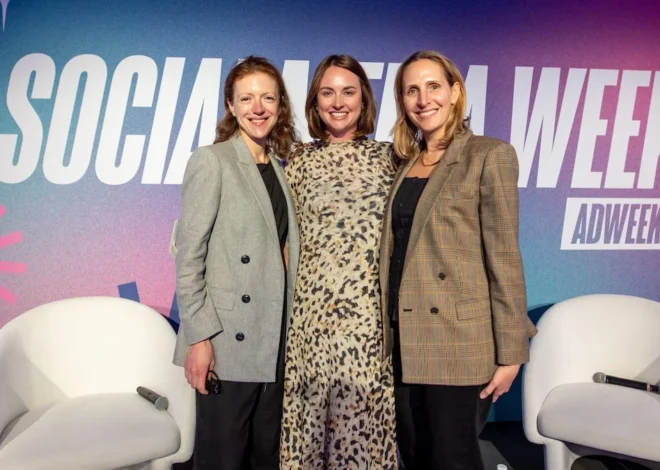
In a period marked by rapid technological disruption and fluctuating global economic conditions, the traditional foundations of the advertising industry are undergoing a fundamental transformation. During a recent episode of Adspeak by ADWEEK, recorded during a Brandweek panel, executive editor Alison Weissbrot convened three prominent industry leaders to dissect the shifting dynamics between agencies and their clients. The panel featured Nadja Bellan-White, Group CEO at M&C Saatchi; Coltrane Curtis, founder and managing partner at Team Epiphany; and Kern Schireson, chairman and CEO at Known. Their discussion centered on the obsolescence of legacy fee-based models and the emergence of a new paradigm rooted in empathy, shared accountability, and outcome-oriented incentives.
The Collapse of Legacy Models and the Rise of Efficiency
For decades, the advertising industry operated on a "cost-plus" or hourly fee-based model, where agency revenue was directly tied to the volume of labor hours expended. However, the panelists argued that this framework is no longer viable in an era where budgets are tightening and clients are demanding greater transparency. As corporations face increased scrutiny from boards of directors and shareholders, the demand for measurable return on investment (ROI) has reached an all-time high.
The rise of generative artificial intelligence (AI) has further complicated the traditional model. By automating tasks that previously required dozens of man-hours—such as basic copywriting, data analysis, and initial design iterations—AI has effectively decoupled labor hours from output value. Kern Schireson, CEO of Known, emphasized that technology should be viewed as a "force multiplier." In his view, agencies that continue to charge based on time spent rather than the value of the results delivered are likely to face obsolescence. The consensus among the experts is that the "Agency of Record" (AOR) model is giving way to more fluid, project-based, and performance-aligned arrangements.
A Chronology of the Agency-Client Evolution
To understand the current state of the industry, it is necessary to examine the timeline of how these partnerships have evolved over the last several decades:
- The Golden Age (1960s–1980s): Characterized by long-term loyalty and high-margin commissions on media spend. Agencies were total partners in business strategy, often maintaining decades-long relationships with brands.
- The Rise of the Holding Companies (1990s–2000s): A period of massive consolidation. Procurement departments began to take a more active role in agency selection, shifting the focus toward cost-cutting and standardized service-level agreements (SLAs).
- The Digital Disruption (2010s): The explosion of social media and programmatic advertising forced agencies to specialize. Clients began splitting their business among multiple niche shops, leading to a fragmented ecosystem.
- The Efficiency Era (2020–Present): Triggered by the COVID-19 pandemic and sustained by high interest rates, this era prioritizes agility. The integration of AI and the shift toward "test-and-learn" budgets represent the current frontier of this evolution.
Supporting Data: The Economic Pressures on Marketing Budgets
The shift in agency models is not merely a philosophical choice but a reaction to hard economic data. According to recent industry reports, marketing budgets as a percentage of total company revenue have seen significant fluctuations. In 2024, many Chief Marketing Officers (CMOs) reported that while their total dollar spend might be stagnant or slightly increasing, the "purchasing power" of those dollars has decreased due to the rising costs of media and talent.
Furthermore, a study by Gartner indicates that 71% of CMOs believe they lack the budget to fully execute their 2024 strategy. This financial pressure has trickled down to agencies, which are now being asked to do more with less. The "test-and-learn" framework discussed by the panel is a direct response to this; by allocating smaller portions of the budget to experimental, data-driven pilots, brands can mitigate risk before committing to large-scale campaigns.
Strategic Responses: Tiger Teams and Agile Execution
One of the most practical strategies highlighted by the panel was the deployment of "tiger teams." These are small, cross-functional groups composed of high-level specialists from both the agency and the client side. Unlike traditional account teams, tiger teams are designed to be nimble, operating outside the usual corporate bureaucracy to solve specific, high-priority problems.
Nadja Bellan-White, known for her "human-first" approach to complex brand transformations, noted that these teams succeed because they prioritize "context and culture." For global brands like American Express or Coca-Cola, success is not just about the technical execution of an ad but about understanding the cultural nuances of the audience. Bellan-White argued that the fixer’s role in modern marketing is to bridge the gap between data-driven insights and human empathy.
Coltrane Curtis of Team Epiphany echoed this sentiment, drawing on his background in influencer marketing and PR. He suggested that "cultural fluency" is a currency that cannot be automated. For Curtis, the agency’s value lies in its ability to navigate the "real world"—leveraging celebrity partnerships and community grassroots movements to create authentic connections that AI-generated content cannot yet replicate.
Aligning Incentives: The Shift to Shared Accountability
A recurring theme throughout the discussion was the necessity of "shared accountability." In the traditional model, an agency might be paid regardless of whether a campaign actually increased sales, provided they met their contractual obligations for "deliverables." The panel argued for a shift toward incentive alignment, where a portion of the agency’s compensation is tied to specific business outcomes, such as customer acquisition costs, brand sentiment scores, or direct revenue growth.
Kern Schireson highlighted that this requires a high degree of trust. For an agency to accept an outcome-based contract, they must have a seat at the table when business strategy is being formed. If the agency is only brought in at the end of the process to "make it look pretty," they cannot be held responsible for the ultimate success of the product. This necessitates a move away from the vendor-client relationship toward a true partnership.
Official Responses and Industry Sentiment
While the panel represented a forward-thinking segment of the industry, the broader reaction to these changes has been mixed. Traditional holding companies have expressed caution regarding the speed of AI integration, citing concerns over copyright, brand safety, and the potential devaluation of creative work. Conversely, independent and "next-generation" agencies, like Known, are leaning into the disruption, positioning themselves as more efficient alternatives to the legacy giants.
Industry analysts suggest that the "mid-sized" agency may face the most significant challenges. Large holding companies have the capital to invest in proprietary AI tools, and small boutique shops have the agility to pivot quickly. Mid-sized firms, however, may struggle to balance high overhead costs with the increasing demand for lower prices and higher specialized output.
Broader Impact and Implications for the Future
The implications of this shift extend beyond the boardroom. As agencies move toward specialization and AI-enhanced workflows, the talent pool must also evolve. The "generalist" account manager role is being replaced by "strategic orchestrators" who understand data science, cultural trends, and technological tools.
Moreover, the emphasis on empathy and human connection serves as a vital counterbalance to the proliferation of data. As Kern Schireson noted, technology should enhance human creativity, not replace it. The agencies that thrive in the coming decade will be those that can master the "science" of marketing—using AI and data to optimize performance—while doubling down on the "art" of human storytelling.
The consensus from the Brandweek panel is clear: the era of the passive agency is over. To survive, agencies must become proactive business partners that understand the pressures of the C-suite, embrace the efficiencies of technology, and maintain a relentless focus on the human experience. As the marketing landscape continues to evolve, the foundation of success will remain rooted in trust, transparency, and a shared commitment to measurable excellence.
Conclusion: Navigating the New Frontier
As budgets remain under scrutiny and the capabilities of AI continue to expand, the agency-client relationship is being redefined in real-time. The strategies discussed by Bellan-White, Curtis, and Schireson—ranging from the implementation of agile tiger teams to the adoption of outcome-based compensation—provide a roadmap for resilience. By moving away from the rigid structures of the past and toward a more empathetic, data-informed, and accountable future, the advertising industry can ensure its continued relevance in an increasingly complex global market. The transition may be difficult for those wedded to legacy systems, but for those willing to innovate, the opportunities for breakthrough results have never been greater.
Related posts:




Related Posts

Beyond Follower Counts How Algorithmic Shifts and Integrated Strategies are Redefining Social Media Success in 2024
Viral Nation Leverages Artificial Intelligence and Big Data to Redefine Social Media ROI and Creator Marketing Strategies