Green Mountain Coffee Roasters Launches Thats Green Mountain Good Campaign Featuring New Mascot Bruce the Mountain Goat
Green Mountain Coffee Roasters, a cornerstone brand within the Keurig Dr Pepper (KDP) portfolio, has officially initiated a comprehensive brand refresh titled “That’s Green Mountain Good.” Launched on April 20, the campaign introduces a central figure intended to personify the brand’s values: a green mountain goat named Bruce. This strategic pivot marks a significant departure from the brand’s previous marketing frameworks, shifting the narrative focus from the convenience of the Keurig system to the agricultural heritage and meticulous sourcing of the coffee itself. Developed by KDPOne—a specialized Publicis Groupe unit comprising talent from Digitas, Connect at Publicis Media, Mars United Commerce, and MSL—the campaign seeks to bridge the gap between the high-tech functionality of pod-based brewing and the traditional, earthy origins of high-quality coffee beans.
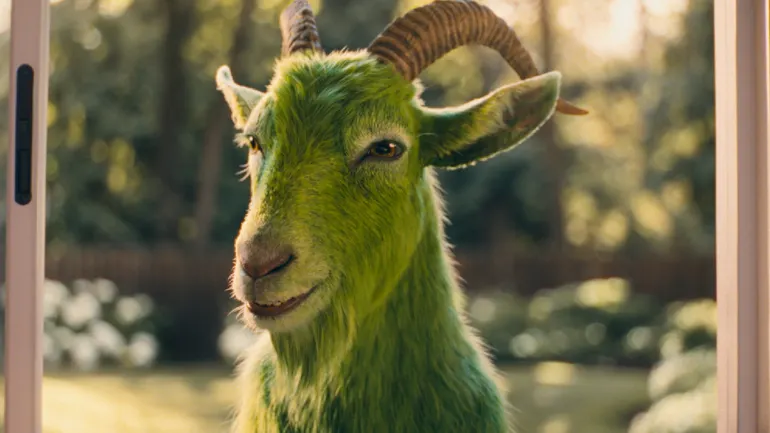
The centerpiece of the campaign is a 30-second hero advertisement that introduces Bruce to the American public. In the spot, the anthropomorphic mountain goat appears at a consumer’s kitchen window, interrupting a morning coffee moment to provide a humorous yet informative lecture on the product’s origins. Bruce emphasizes that the coffee is composed of “carefully selected, expertly roasted coffee beans harvested at peak ripeness by hard-working farmers.” By positioning a mountain goat as the brand’s spokesperson, Green Mountain Coffee Roasters is attempting to reclaim its namesake "mountain" identity while injecting a sense of approachability and levity into a category often characterized by either utilitarian convenience or inaccessible "premium" aesthetics.
A Strategic Pivot Toward Farm-Grown Goodness
The transition to the “That’s Green Mountain Good” platform represents a calculated move by Keurig Dr Pepper leadership to evolve the brand’s value proposition. For several years, Green Mountain’s positioning was centered on the concept of being “packed with goodness,” a tagline that emphasized the density of flavor and the reliability of the Keurig pod. However, consumer insights suggested a growing desire for transparency regarding the supply chain and the human element of coffee production.
Becky Opdyke, Senior Vice President of Coffee Marketing at Keurig Dr Pepper, noted that the brand felt a need to return to its roots more decisively. The goal was to occupy a space the company defines as “farm-grown goodness.” According to Opdyke, the new strategy is designed to acknowledge the immense labor and expertise required to produce a single cup of coffee, tracing that effort back to the initial harvest. This shift aligns with broader consumer trends in the food and beverage industry, where "provenance" and "storytelling" have become essential components of brand loyalty, particularly among younger demographics who prioritize ethical sourcing and authenticity.
The decision to use a mascot like Bruce was born out of a desire to disrupt the traditional visual language of the coffee industry. While competitors have often relied on human archetypes—such as the fictional Colombian farmer Juan Valdez or high-profile celebrity ambassadors like George Clooney for Nespresso—Green Mountain opted for a character that could deliver a premium message without the "fancy pants" pretension. Nat Resende, Executive Vice President and Executive Creative Director at Digitas, explained that the brand wanted to remain in its own lane, focusing on being a "companion" to the consumer’s morning routine rather than an aspirational lifestyle symbol.
The Corporate Evolution of Keurig Dr Pepper
The timing of the "That’s Green Mountain Good" campaign is not coincidental. It arrives during a period of profound structural change for Keurig Dr Pepper. The company is currently in the process of preparing to separate its coffee and beverage businesses into two distinct, independent entities. This move follows the massive $18 billion acquisition of JDE Peet’s, a deal that significantly expanded KDP’s global coffee footprint and consolidated its position as a powerhouse in the international caffeine market.
The acquisition of JDE Peet’s has provided KDP with a more diverse portfolio, ranging from mainstream brands to ultra-premium offerings. In this new corporate landscape, defining the specific "DNA" of each brand is critical to avoid internal cannibalization. Green Mountain Coffee Roasters is being positioned as the "mainstream premium" anchor—a brand that offers high-quality, ethically sourced coffee that remains accessible to the average American household.
Financial data from the fourth quarter of 2025 indicates that KDP’s U.S. coffee segment is experiencing healthy growth, with revenue increasing by nearly 4%. However, like many in the manufacturing sector, the company has faced compressed operating incomes due to rising cost pressures in the global supply chain, including fluctuating green coffee prices and logistics expenses. By strengthening the brand equity of Green Mountain through high-engagement marketing, KDP aims to protect its margins and maintain its market share in the face of stiff competition from private labels and specialty roasters.
Precision Marketing and the Post-Pandemic Landscape
The "That’s Green Mountain Good" campaign builds upon the successes of Keurig’s December 2025 platform, “Great Coffee Without the Grind.” That earlier effort was primarily designed to attract new users to the Keurig ecosystem during a time when remote work trends were stabilizing and consumers were looking for efficient, café-quality solutions at home. According to KDP CEO Timothy Cofer, the "Great Coffee Without the Grind" campaign exceeded internal targets for key performance indicators (KPIs), specifically in areas of brand attention and return on ad spend (ROAS).
The success of these initiatives has been attributed to a "precision marketing" strategy. By utilizing digital content optimization (DCO) and real-time data signals, the marketing team can tailor messaging to specific consumer segments. For instance, while one segment might receive ads focusing on the flavor profiles of the Colombian roast, another might see content highlighting the brand’s sustainability efforts or Bruce the Goat’s humorous antics.
The current campaign is being deployed across a wide array of digital channels, including connected TV (CTV), mobile, and desktop platforms. By focusing on lifestyle and entertainment content, the brand ensures that Bruce appears in environments where consumers are already relaxed and receptive to storytelling. This omnichannel approach is essential for a brand that is currently seeing growth not just in its signature K-Cup pods, but also in its bagged coffee business, which Opdyke describes as a "multidimensional" growth driver.
Authenticity in the Supply Chain: From Vermont to Colombia
To ensure the campaign resonated with an air of authenticity, the production team filmed segments of the creative work on a Green Mountain partner farm in Colombia. This on-site approach allowed the brand to showcase the actual environments where their beans are grown, rather than relying on studio sets or generic stock footage.
This focus on the farm-to-cup journey holds personal significance for the creative leadership behind the campaign. Nat Resende, who serves as the executive creative sponsor for KDPOne, grew up on a coffee farm in Brazil. Her family has been involved in coffee production for five generations, providing her with a unique perspective on the industry’s complexities. "Coffee is in my DNA," Resende stated, emphasizing that the care Green Mountain puts into its partnerships with farmers is a narrative she felt personally compelled to tell. This level of emotional investment from the creative team often translates into more resonant, "human" marketing that avoids the pitfalls of corporate clinicalism.
Competitive Analysis and Category Implications
The introduction of Bruce the Goat places Green Mountain in a unique position within the competitive hierarchy of the U.S. coffee market. Historically, the market has been bifurcated:
- The Utility Segment: Focused on price and convenience (e.g., Folgers, Maxwell House).
- The Premium/Aspirational Segment: Focused on status and "European" sophistication (e.g., Nespresso, Starbucks).
Green Mountain is carving out a third space: The Approachable Craft Segment. By highlighting "peak ripeness" and "expert roasting," they are utilizing the vocabulary of specialty coffee, but by using a humorous mascot and emphasizing the "goodness" of the mountain, they avoid the exclusionary nature of high-end coffee culture.
Industry analysts suggest that this strategy is particularly effective for the "at-home" segment. As inflation continues to impact discretionary spending, many consumers are "trading down" from daily $6 café lattes to home-brewed options. However, they do not want to sacrifice the quality of the experience. Green Mountain’s new campaign speaks directly to this "premium-at-home" consumer, offering them a narrative that justifies the choice of a specific brand over a generic alternative.
Future Outlook for the KDP Portfolio
Looking ahead, the collaboration between KDP and Digitas is expected to expand. A forthcoming campaign for Donut Shop Coffee—another major player in the KDP stable—is already in development. Unlike the "farm-grown" and "heritage" focus of Green Mountain, the Donut Shop marketing is expected to lean into a more "poppy," youthful, and energetic profile, targeting a demographic that views coffee as a fun, flavorful treat rather than a ritualistic craft.
The separation of the beverage and coffee businesses into independent companies will likely accelerate this brand-specific tailoring. As a standalone coffee entity, the former KDP coffee segment will have the agility to invest more aggressively in sourcing transparency and technological innovation in brewing. The "That’s Green Mountain Good" campaign serves as the opening salvo in this new era, signaling to investors and consumers alike that while the corporate structure may be changing, the brand’s commitment to its agricultural roots remains the cornerstone of its identity.
Through Bruce the Goat, Green Mountain Coffee Roasters has found a way to talk about the serious business of coffee farming without taking itself too seriously. In an industry that is often "surrounded by premium without approachability," Bruce represents a strategic bet that humor, heritage, and a bit of "mountain goodness" are the keys to winning the hearts—and mugs—of the American public.
Related posts:

Related Posts
Beyond Follower Counts How Algorithmic Shifts and Integrated Strategies are Redefining Social Media Success in 2024
Viral Nation Leverages Artificial Intelligence and Big Data to Redefine Social Media ROI and Creator Marketing Strategies