Air Canada Suspends Key Routes as Soaring Fuel Costs Ignite Global Aviation Crisis
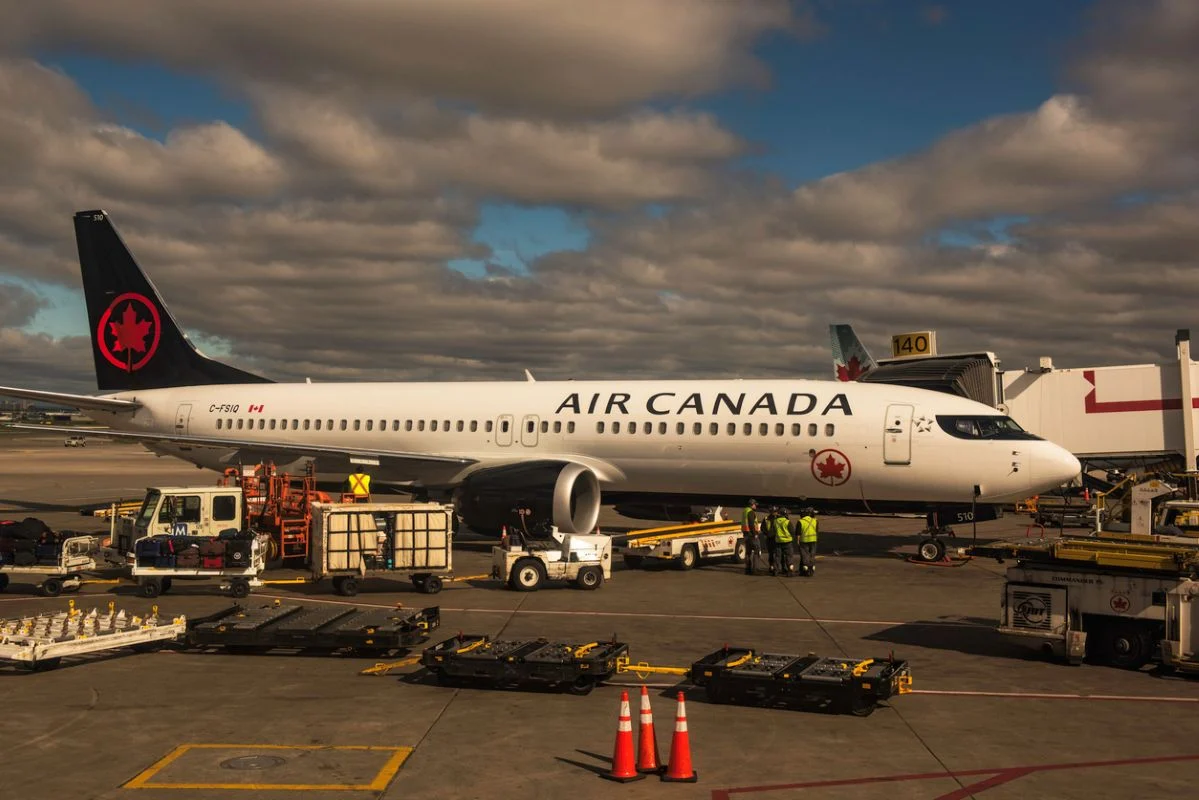
Air Canada has announced the temporary suspension of all flights from Toronto and Montreal to New York’s John F. Kennedy Airport, effective from June 1 to October 25, citing a significant surge in aviation fuel prices. This move signals a broader wave of distress within the global airline industry, which is grappling with unprecedented operational costs driven by geopolitical instability and supply chain pressures. The decision by Canada’s largest airline to halt operations on what are typically high-demand, profitable routes underscores the severity of the economic challenges facing carriers worldwide.
The Immediate Impact and Industry Distress
The suspension of services to a major international hub like JFK, even temporarily, reflects a strategic retrenchment aimed at mitigating financial losses on routes that have become economically unfeasible. This comes as other major players in the aviation sector are also sounding alarms. On April 17, Spirit Airlines, a prominent U.S. ultra-low-cost carrier, reportedly appealed to the U.S. federal government for hundreds of millions of dollars in emergency funding. The request, as detailed by The Air Current industry website, citing unnamed sources, highlights the immediate and acute financial strain experienced by airlines, particularly those operating on thin margins, in response to the escalating cost of jet fuel.
The ripple effect is not confined to North America. The Guardian reported growing concerns that airlines globally may be compelled to reduce services as aviation fuel costs continue their upward trajectory. This global apprehension is inextricably linked to ongoing geopolitical tensions, specifically the protracted standoff between the United States and Iran regarding the freedom of movement of ships carrying crude oil and other vital products through the Strait of Hormuz, a critical chokepoint for global energy supply.
Air Canada, in a statement released on April 17, articulated the core issue: "Jet fuel prices have doubled since the start of the Iran conflict, affecting some lower profitability routes and flights which now are no longer economically feasible. Schedule adjustments including some frequency reductions are being made in response." This candid admission provides a direct link between geopolitical events and airline operational decisions, revealing the fragility of route profitability in an environment of extreme cost volatility. Beyond the New York suspensions, Air Canada has also announced temporary halts to a Salt Lake City-Toronto route, effective June 30 with plans to resume in 2027, and a delay to the launch of a new service from Guadalajara, Mexico, to Montreal, further illustrating the widespread nature of these operational adjustments.
Adding to the growing body of evidence of industry-wide financial strain, the U.K.-based budget airline easyJet recently disclosed an expected pre-tax loss of £540 million-£560 million ($702 million-$728 million) for the six-month period ending in March. This substantial loss underscores the severe impact of rising fuel prices, coupled with other post-pandemic operational challenges, on even the most established low-cost carriers in highly competitive markets.
The Soaring Cost of Jet Fuel: A Global Challenge
The doubling of jet fuel prices cited by Air Canada is not an isolated incident but part of a broader, dramatic increase in global energy costs. Jet fuel, a refined petroleum product, typically tracks the price of crude oil. Since the beginning of the year, and particularly exacerbated by the aforementioned geopolitical tensions, benchmark crude oil prices have surged. Brent crude, the international benchmark, and West Texas Intermediate (WTI), the U.S. benchmark, have seen volatility not witnessed in years, frequently trading above $100 per barrel, a level that was considered unsustainable for prolonged periods by many economists just a few years prior. This upward pressure is a confluence of factors: robust demand recovery post-pandemic, underinvestment in new oil and gas production over recent years, and critically, the geopolitical premium associated with the conflict involving Iran and its implications for global oil supply routes.
For airlines, fuel represents one of the largest operating expenses, often accounting for 20-30% of total costs, and sometimes even more depending on the market and aircraft type. A doubling of this critical input cost within a relatively short period can quickly erode profitability, turning previously viable routes into significant financial liabilities. While many airlines employ hedging strategies to lock in fuel prices for future consumption, these strategies offer only partial protection and typically cover a portion of their fuel needs for a limited time. The sustained and sharp increase has likely outpaced the protective benefits of many existing hedges, exposing carriers to the full brunt of market prices.
Geopolitical Undercurrents: The Strait of Hormuz and Beyond
The reference to the "Iran conflict" and the Strait of Hormuz is central to understanding the current fuel price crisis. The Strait of Hormuz, a narrow waterway between the Persian Gulf and the Gulf of Oman, is one of the world’s most strategically important chokepoints for oil transit. Roughly one-fifth of the world’s total petroleum liquid consumption and about one-third of the world’s liquefied natural gas (LNG) transits through this strait. Any perceived threat to shipping or disruption in this region, whether real or rhetorical, immediately sends shockwaves through global energy markets, driving up crude oil prices due to supply uncertainty.
The ongoing tensions between the U.S. and Iran over naval activities and sanctions enforcement have created a persistent geopolitical risk premium on oil prices. This is not a new phenomenon; historical conflicts and political instability in the Middle East have frequently led to spikes in oil prices. However, the current environment is particularly sensitive, given the global economy’s post-pandemic recovery efforts, which have already put upward pressure on commodity demand. OPEC+, the alliance of oil-producing nations led by Saudi Arabia and Russia, has also played a role, maintaining a cautious approach to increasing output, further tightening global supply amidst robust demand. This delicate balance means that even minor disruptions or threats can have outsized impacts on prices, directly affecting the operational viability of fuel-intensive industries like aviation.
A Chronology of Escalation: From Geopolitical Tensions to Market Reactions
The timeline of these developments reveals a rapid deterioration of market conditions for airlines:
- Early 2026: Geopolitical tensions involving Iran escalate, leading to increased rhetoric and concerns about maritime security in the Strait of Hormuz.
- January-March 2026: Crude oil prices begin a steady ascent, breaking key psychological barriers as global demand solidifies and supply concerns mount.
- March 2026: easyJet issues a revised financial outlook, projecting significant pre-tax losses for the six months ending March, primarily attributing this to rising fuel costs and operational challenges.
- April 17, 2026: Air Canada releases a statement confirming that jet fuel prices have doubled since the "start of the Iran conflict" and announces schedule adjustments, including frequency reductions and route suspensions.
- April 17, 2026: Spirit Airlines reportedly seeks emergency federal funding, indicating severe financial stress due to the fuel price surge.
- June 1, 2026: Air Canada’s temporary suspension of Toronto/Montreal-JFK flights takes effect.
- June 30, 2026: Air Canada’s Salt Lake City-Toronto route is halted.
- October 25, 2026: The planned end date for the temporary suspension of Toronto/Montreal-JFK flights, pending market conditions.
- 2027: Air Canada plans to resume the Salt Lake City-Toronto route, highlighting the anticipated prolonged nature of the market adjustments.
This chronology illustrates a swift and decisive reaction by airlines to external economic pressures, moving from initial warnings to concrete operational changes within a matter of weeks and months.
Broader Industry Ramifications: A Looming Crisis for Global Aviation
The International Air Transport Association (IATA), the trade association for the world’s airlines, has consistently warned about the sensitivity of airline profitability to fuel price fluctuations. While the industry showed signs of recovery from the devastating impact of the COVID-19 pandemic, the current fuel crisis threatens to derail that progress. Analysts from major financial institutions have begun revising down their earnings forecasts for airlines, anticipating further capacity reductions, fare increases, and potential deferrals of aircraft deliveries.
The implications extend beyond profitability. Reduced flight frequencies and suspended routes mean less connectivity for passengers and cargo. This could lead to:
- Higher Airfares: Airlines will inevitably pass on a portion of their increased costs to consumers through higher ticket prices. This could dampen travel demand, particularly for leisure travel, which has been a strong driver of post-pandemic recovery.
- Reduced Connectivity: Fewer direct routes will necessitate more connecting flights, increasing travel times and inconvenience for passengers. This is particularly impactful for business travelers and essential service personnel.
- Impact on Tourism: Destinations heavily reliant on air travel could see a decline in visitor numbers, affecting local economies, hotels, restaurants, and ancillary services.
- Cargo Disruptions: Air cargo operations, which became vital during the pandemic for delivering essential goods and supporting global supply chains, will also face higher costs, potentially leading to increased shipping fees and delays.
- Employment Concerns: While not immediately evident, prolonged periods of unprofitability and capacity cuts could eventually lead to job losses within the aviation sector and related industries.
Government and Industry Responses: Seeking Stability in Turbulent Skies
Spirit Airlines’ request for emergency funding echoes the airline bailouts seen during the early days of the COVID-19 pandemic, when governments injected billions of dollars to prevent the collapse of the industry. Such interventions are typically justified by the strategic importance of air travel to national economies, trade, and connectivity. However, government willingness to provide assistance for fuel-related crises, as opposed to demand-shock crises like a pandemic, may vary. Policymakers will likely weigh the broader economic impact of airline failures against the moral hazard of subsidizing operational inefficiencies or market risks.
Airlines themselves are employing a range of strategies to cope. Beyond route rationalization, these include:
- Fuel Hedging: Continually refining and expanding hedging portfolios, though this offers only a partial solution.
- Fleet Modernization: Accelerating the retirement of older, less fuel-efficient aircraft and investing in newer models that offer significant improvements in fuel burn. This is a long-term strategy but critical for future resilience.
- Operational Efficiencies: Implementing measures such as optimized flight paths, reduced taxiing times, and lighter cabin materials to minimize fuel consumption.
- Alternative Fuels: Increasing investment and adoption of Sustainable Aviation Fuels (SAFs), though these are currently produced in limited quantities and are more expensive than conventional jet fuel. However, the long-term goal of decarbonization and energy independence makes SAFs a critical area of focus.
- Fare Adjustments: Implementing dynamic pricing strategies to reflect the true cost of operations.
Economic Ripple Effects: Inflation and Supply Chain Pressures
The escalating cost of aviation fuel is not an isolated problem for airlines; it has broader economic ramifications. Higher airfares contribute to overall inflation, which is already a significant concern for many economies globally. When the cost of transporting people and goods increases, it translates into higher prices for everything from consumer products to business services. Furthermore, disruptions to air cargo services can exacerbate existing supply chain issues, leading to delays and increased costs for businesses that rely on timely air freight. This creates a feedback loop where increased transportation costs ripple through the entire economy, potentially slowing economic growth and reducing consumer purchasing power.
Outlook: A Precarious Path Forward for Air Travel
The current environment presents a formidable challenge for the global aviation industry. The interplay of geopolitical instability, robust demand, and constrained supply in energy markets has created a "perfect storm" for airlines. While the industry has proven its resilience through past crises, the simultaneous pressures of high fuel costs, lingering pandemic debt, and a competitive landscape demand innovative and agile responses. The temporary suspension of key routes by Air Canada and the urgent plea for funding by Spirit Airlines are not isolated incidents but harbingers of a potentially turbulent period ahead for air travel, where adaptability, financial prudence, and strategic foresight will be paramount for survival and sustainable growth. The industry will closely watch the developments in global energy markets and the geopolitical sphere, hoping for a stabilization that would allow for a more predictable and profitable operating environment.

Related Posts

Agentic AI’s Transformative Impact Reshapes Software Development and Logistics, Demanding Strategic Adaption
IEA Warns of Imminent Flight Cancellations as Europe Faces Dire Jet Fuel Shortage Amid Persian Gulf Conflict