The Evolution of Social Media Management How Artificial Intelligence is Reshaping Brand Engagement and Community Moderation
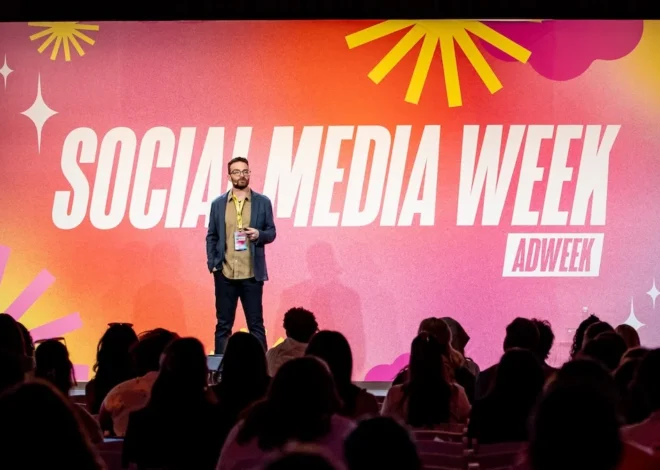
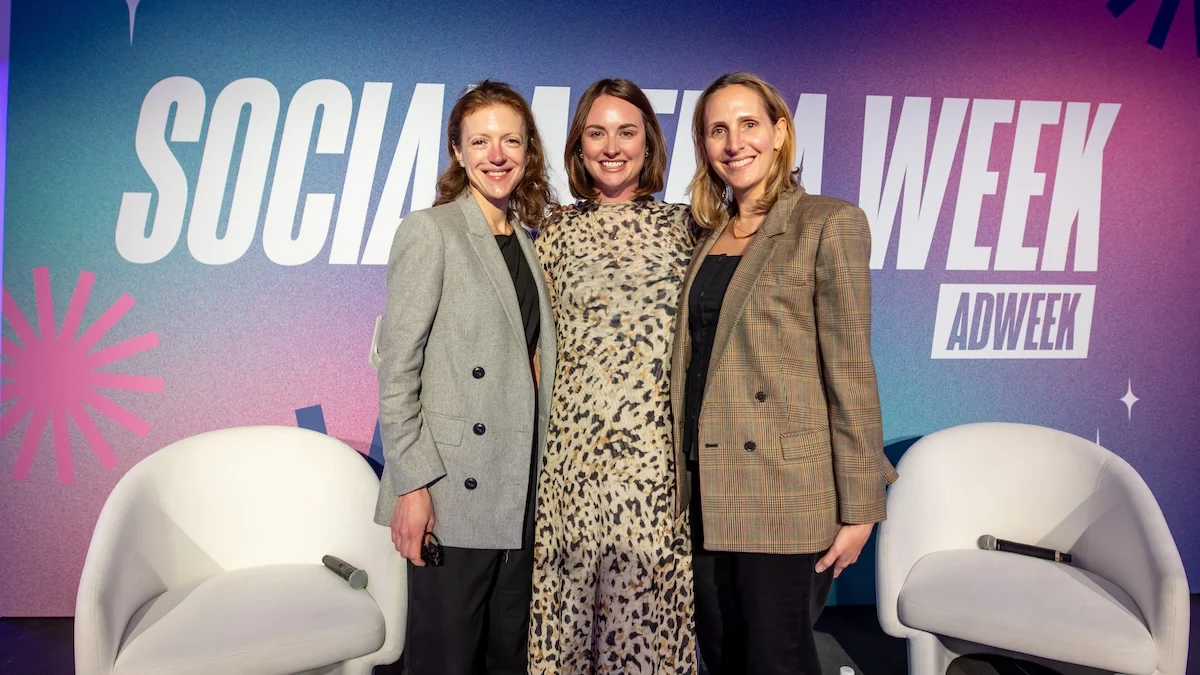
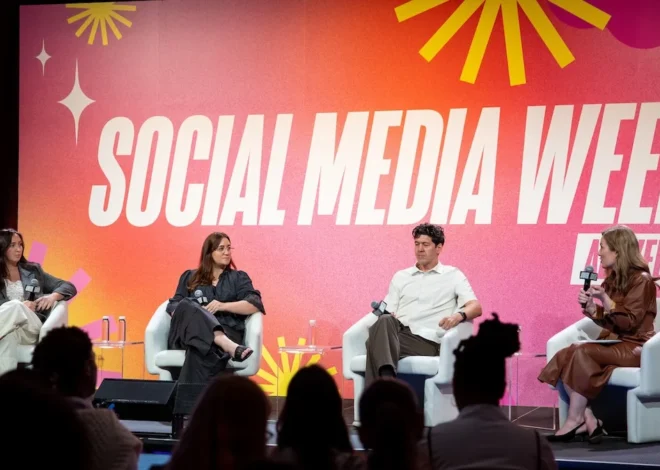
The digital landscape is undergoing a fundamental shift as social media platforms transition from broadcast-heavy channels to engagement-driven ecosystems. In this evolving environment, the primary theater of brand interaction has moved from the main post feed to the comment sections, where real-time conversations dictate brand perception. During a recent panel at Social Media Week, co-hosted by the moderation technology firm Respondology, industry leaders gathered to dissect the integration of Artificial Intelligence (AI) in social media strategy. The consensus among the experts—representing major entertainment conglomerates, beauty brands, and consumer packaged goods (CPG) sectors—is that AI is no longer a luxury but a necessity for managing scale, though its implementation must be balanced with an uncompromising commitment to human authenticity.
The panel featured Danica Calderhead, Senior Vice President of Revenue at Respondology; Cameron Curtis, Vice President of Multi-Platform Strategy and Digital Media at Warner Bros. Discovery; and Kate Kenner Archibald, a founder and fractional Chief Marketing Officer (CMO) specializing in the beauty and CPG sectors. Together, they outlined a roadmap for how modern marketing teams are navigating the complexities of high-volume digital discourse while attempting to maintain a personal connection with their audiences.
The Scale Challenge in Modern Community Management
The central theme of the discussion was the mounting pressure on social media teams. Danica Calderhead opened the panel by highlighting a systemic issue within the industry: the widening gap between the volume of social interactions and the capacity of human teams to manage them. "Teams are incredibly stretched, very, very thin," Calderhead noted, emphasizing that the sheer velocity of comments on global brand pages has surpassed the limits of manual oversight.
This "scale challenge" is particularly acute for legacy brands and entertainment giants. As social media algorithms increasingly prioritize engagement metrics, the quantity of comments has exploded. However, not all engagement is constructive. The rise of bot activity, spam, and toxic discourse has created a "noise" problem that threatens to drown out genuine fan interactions. For brands, the risk is twofold: a failure to respond to legitimate inquiries can alienate customers, while a failure to moderate toxic content can lead to significant brand safety risks and reputational damage.
AI as a Tool for Moderation and Brand Safety
For Cameron Curtis of Warner Bros. Discovery, the solution to this scale problem lies in the strategic deployment of AI-driven moderation tools. Managing digital media for a global conglomerate involves overseeing massive franchises where fan passion can frequently veer into volatility. Curtis explained that her team utilizes AI primarily as a defensive and organizational layer to filter out non-conducive content.
"If we’re able to suppress a lot of the content that is not super conducive to those conversations, our fans feel like they can interact with each other and engage with the content in a more efficient way," Curtis stated. By automating the removal of hate speech, spam, and repetitive promotional bots, AI creates a "cleaner" environment. This does not merely serve a protective function; it actively facilitates community building. When the "noise" is removed, high-quality interactions between fans become more visible, fostering a healthier digital community.
From a chronological perspective, the use of AI in this capacity marks a significant departure from the early 2010s, when moderation relied on rudimentary keyword filters that often lacked context. Modern AI tools, such as those provided by Respondology, utilize machine learning and natural language processing (NLP) to understand nuance, sarcasm, and intent, allowing for more precise filtering that does not inadvertently stifle legitimate debate.
Strategic Discoverability: Beyond Reactive Engagement
While moderation is a reactive use of AI, Kate Kenner Archibald presented a proactive application: using AI for discoverability and strategic placement. In the beauty and CPG sectors, where trends move at a rapid pace, knowing where to show up is as important as what to say.
Archibald argued that AI is most valuable when it identifies emerging conversations that a brand might otherwise miss. "We have used AI from a discoverability standpoint," she explained. "There’s a really great, authentic way in which brands can get engaged while leveraging AI to discover where they should be and what conversations they should be a part of."
This approach allows brands to move beyond their own "walled gardens" and participate in broader cultural moments. By analyzing vast amounts of data across multiple platforms, AI can surface niche communities or trending topics where a brand’s POV would be welcomed. This shift from "monitoring" to "discovery" enables a more agile marketing strategy, allowing teams to allocate their limited human resources to the conversations that offer the highest potential for ROI.
The Human-Centric Paradigm: Maintaining Authenticity at Scale
Despite the efficiencies offered by AI, the panelists were unanimous in their belief that technology cannot replace the "human touch." As communities grow, the risk of a brand appearing "robotic" or detached increases. Archibald pointed to direct, unscripted engagement as the ultimate differentiator in a crowded market.
She cited an example of a brand founder who spent an entire month personally responding to community questions. This level of dedication creates a sense of belonging that automated systems cannot replicate. Archibald also referenced an influencer who transitioned an online relationship to an offline one by hosting a small karaoke night for followers. These examples serve as a reminder that social media is, at its core, a tool for human connection.
The challenge, however, remains the "24-hour expectation." In the current digital climate, consumers expect a response to their comments or direct messages within a day. As volume grows, maintaining this standard manually becomes a logistical impossibility. This is the specific "inflection point" where AI and human judgment must converge. AI can be used to draft initial responses, categorize inquiries, and prioritize urgent issues, but the final "voice" and the creative spark must remain human.
Supporting Data and Industry Context
The insights shared by the panel are supported by broader industry data. According to a 2023 report by Gartner, approximately 60% of CMOs are currently prioritizing the implementation of AI to improve operational efficiency. Furthermore, data from Sprout Social suggests that 76% of consumers expect a response from a brand on social media within 24 hours, yet the average response time for many industries still lags behind at nearly 40 hours.
The financial implications of effective moderation are also significant. A study by the University of Texas found that brands that actively moderate their communities to remove toxic content see a measurable increase in "brand love" and purchase intent among their core audience. Conversely, unmoderated toxicity can lead to a 20% decrease in user engagement over time.
Broader Impact and Future Implications
The integration of AI into social media management signifies a broader professionalization of the "Community Manager" role. Historically viewed as an entry-level position focused on posting content, the role is evolving into a high-level strategic function that requires the management of complex AI stacks and data analytics.
Looking ahead, the "authenticity gap" will likely become the primary battleground for brands. As Cameron Curtis noted, "Audiences are smarter than we give them credit for." As AI-generated content becomes more prevalent, consumers are developing a heightened sensitivity to "artificial" interactions. Brands that lean too heavily on automation for their creative output or their conversational tone risk alienating a savvy public.
The future of social media engagement lies in a symbiotic relationship: AI handles the "heavy lifting" of data processing, noise reduction, and initial drafting, while human teams provide the empathy, creativity, and strategic oversight. The Social Media Week panel concluded with a clear message for the industry: AI is a powerful accelerator, but the "soul" of the brand must remain human-led. As brands navigate this transition, those that successfully balance machine efficiency with human authenticity will be the ones that build lasting, resilient communities in an increasingly automated world.
Related posts:


Related Posts
Beyond Follower Counts How Algorithmic Shifts and Integrated Strategies are Redefining Social Media Success in 2024
Viral Nation Leverages Artificial Intelligence and Big Data to Redefine Social Media ROI and Creator Marketing Strategies