U.S. Farmers Grapple with Unaffordable Fertilizer and Soaring Diesel Costs, Threatening Agricultural Stability and Food Security
A staggering 70% of U.S. farmers are currently unable to afford all the fertilizer necessary for their operations, a critical input for crop yield and quality. This alarming statistic, revealed by a comprehensive Fertilizer Availability Survey conducted by the American Farm Bureau Federation (AFBF) among nearly 6,000 farmers and ranchers, underscores a growing crisis in American agriculture. Released on April 14, the survey data from April 3-11 highlighted that while fertilizer affordability challenges are a nationwide concern, they are particularly acute in the Southern and Northeastern regions of the country. This financial strain is compounded by a dramatic 46% increase in farm diesel prices since the end of February, pushing operational costs to unprecedented levels and casting a long shadow over the profitability and sustainability of U.S. farms.
The survey paints a grim picture of the current agricultural economic landscape, with nearly six in ten farmers reporting a worsening financial outlook. This deterioration is directly attributed to the escalating costs of essential inputs like fertilizer and fuel during the critical spring planting season. The AFBF has explicitly linked these rising input costs to global geopolitical events, specifically citing the ongoing conflict in the Middle East, which adds another layer of strain to an already challenging farm economy. The cumulative effect is a desperate plea from the agricultural sector for immediate economic assistance to ensure the continued operation of farms across the nation.
The Unfolding Crisis: A Chronology of Rising Costs
The current predicament faced by American farmers is not an isolated incident but rather the culmination of several years of market volatility, supply chain disruptions, and geopolitical instability. Prior to the COVID-19 pandemic, fertilizer prices, while subject to fluctuations, generally remained within predictable bounds. The onset of the pandemic in early 2020, however, triggered initial disruptions in global supply chains, leading to manufacturing slowdowns, shipping bottlenecks, and labor shortages. This set the stage for an upward trend in prices as demand outstripped a constrained supply.
The situation dramatically worsened in early 2022 with Russia’s full-scale invasion of Ukraine. Both Russia and Belarus are major global producers and exporters of key fertilizer components, including nitrogen, phosphorus, and potassium (potash). Sanctions imposed on these nations, coupled with disruptions to Black Sea trade routes and soaring natural gas prices (a primary feedstock for nitrogen fertilizer production), sent global fertilizer benchmarks skyrocketing. For instance, urea prices, a common nitrogen fertilizer, reached historic highs, often doubling or tripling from pre-pandemic levels. Diammonium phosphate (DAP) and potash followed similar trajectories, putting immense pressure on farmers worldwide.
While some price moderation occurred in late 2022 and parts of 2023 as supply chains adjusted and new sources emerged, the market remained volatile. The recent escalation of tensions in the Middle East, referenced by the AFBF, has injected renewed uncertainty, primarily by influencing global crude oil prices. Since fertilizer production is energy-intensive and transportation relies heavily on fuel, any upward movement in energy markets directly translates to higher fertilizer and operational costs for farmers. The 46% jump in farm diesel prices since late February is a direct consequence of this renewed energy market instability, coinciding precisely with the crucial period when farmers are actively engaged in fieldwork, planting, and initial irrigation. The AFBF survey, conducted from April 3-11, captured the immediate impact of these very recent and significant price increases, culminating in their release on April 14.
Regional Variances and Pre-Booking Dynamics
The AFBF survey highlighted significant regional disparities in farmers’ ability to manage these input costs, particularly concerning fertilizer pre-booking rates. Securing fertilizer ahead of the planting season typically allows farmers to lock in prices, potentially mitigating exposure to spot market volatility. However, this strategy often requires significant upfront capital and accurate forecasting of needs.
The Midwest, often referred to as the "Corn Belt," showed the highest pre-booking rate, with 67% of producers reporting secured fertilizer purchases. This reflects several factors: the prevalence of large-scale commodity operations with greater access to capital and credit lines, the highly structured nature of corn and soybean farming that necessitates significant fertilizer application, and potentially more sophisticated risk management strategies. Midwest farmers often plant earlier and have longer planning horizons, enabling them to make purchasing decisions well in advance.
In stark contrast, only 19% of Southern producers reported securing fertilizer ahead of the season. The Northeast fared slightly better at 30%, while the West stood at 31%. These lower pre-booking rates in the South and Northeast can be attributed to a combination of factors. Farms in these regions often comprise smaller operations, diversified specialty crops, or livestock operations with different planting timelines and less predictable input needs. Furthermore, tighter profit margins and more limited access to capital may make large, upfront fertilizer purchases less feasible. Consequently, farmers in these regions are more exposed to the immediate and dramatic price increases witnessed in the spot market, exacerbating their affordability challenges. The diverse agricultural landscapes and economic structures across U.S. regions mean that a one-size-fits-all solution to input cost management is rarely effective.
The Dual Burden: Fertilizer and Fuel
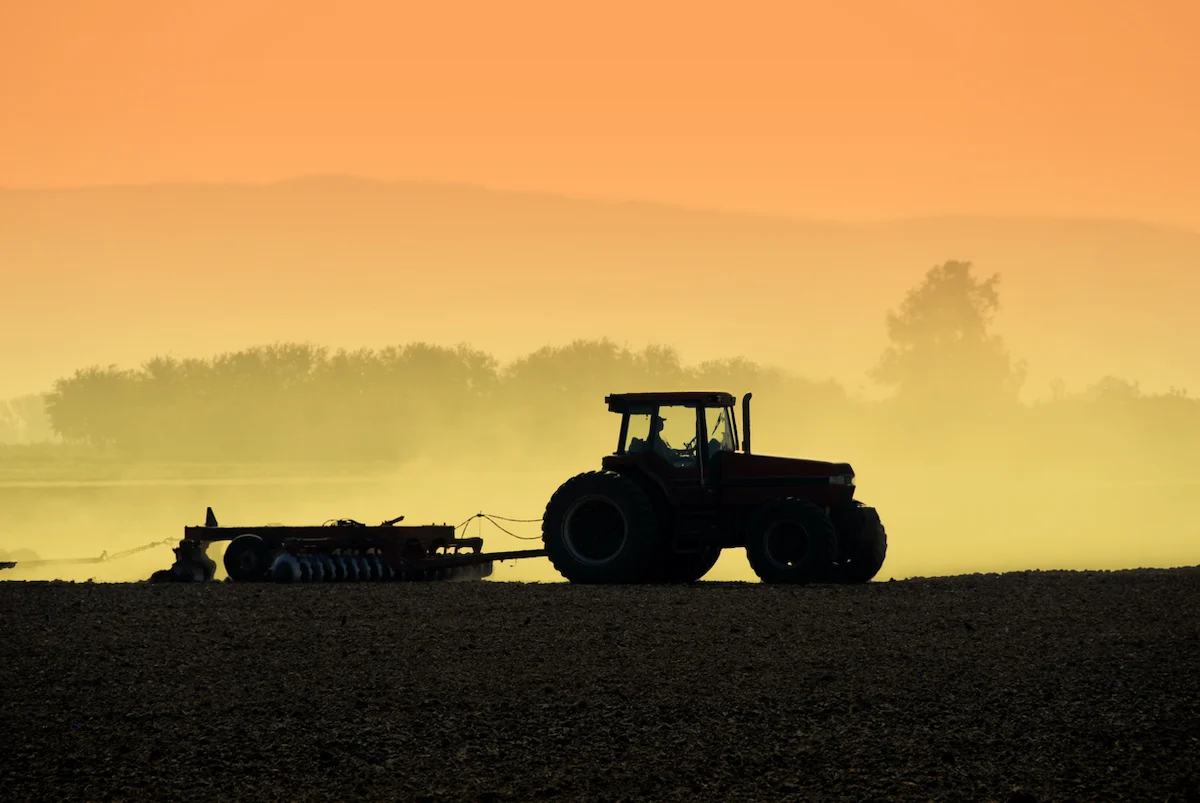
While fertilizer costs have been a persistent challenge, the recent surge in farm diesel prices has added another critical layer of financial pressure. The 46% increase since late February represents a substantial blow to farmers’ operational budgets. Diesel is indispensable for modern agricultural operations, powering tractors for tillage, planting, and harvesting; irrigation pumps; and a vast array of other farm machinery. Beyond on-farm activities, fuel costs directly impact the transportation of fertilizers to farms and the movement of harvested crops from fields to storage, processors, and markets.
According to data from the U.S. Energy Information Administration (EIA), average retail diesel prices have experienced significant volatility over the past few years, mirroring global crude oil markets. The recent upward trend, driven by factors such as OPEC+ production cuts, global demand recovery, and geopolitical tensions, disproportionately affects the agricultural sector, which has limited flexibility to reduce fuel consumption during peak seasons. For a farmer, every additional cent per gallon translates into thousands of dollars in extra costs over a planting or growing season, directly eroding already thin profit margins. This simultaneous escalation in both fertilizer and fuel prices creates a pincer movement, squeezing farmers from multiple directions and threatening their economic viability.
Worsening Finances and Broader Economic Implications
The AFBF’s finding that nearly six in ten farmers report worsening finances is a direct reflection of this input cost squeeze. For many, the increased costs are simply outpacing any potential gains from commodity prices. While some commodity prices, like corn and soybeans, have seen periods of strength, they often do not fully offset the exponential rise in inputs. This imbalance pushes many farms into precarious financial positions, leading to increased debt, reduced working capital, and difficult decisions about future investments or even continued operation.
The implications of this widespread financial distress extend far beyond the farm gate. The agricultural sector is a foundational pillar of the U.S. economy, supporting a vast ecosystem of rural businesses, suppliers, and service providers. When farmers struggle, rural communities feel the ripple effect, impacting local economies, employment, and overall community well-being. Moreover, the inability of farmers to afford necessary inputs like fertilizer could lead to reduced crop yields, potentially impacting the national food supply and contributing to higher food prices for consumers. This inflationary pressure on food items would further burden households already grappling with broader economic inflation.
Economists and agricultural analysts are closely monitoring these trends. They warn that sustained high input costs could force farmers to make difficult choices, such as reducing planted acreage, switching to less fertilizer-intensive crops (which could alter the supply of certain staples), or adopting less optimal fertilization practices, all of which could ultimately affect food production efficiency and availability.
Calls for Assistance and Potential Policy Responses
The AFBF’s urgent call for "immediate economic assistance to keep farm gates open" highlights the severity of the situation. Farmer advocacy groups are actively engaging with policymakers to explore various avenues for support. Such assistance could take several forms:
- Direct Payments or Subsidies: Similar to programs implemented during previous crises, direct financial aid could help offset a portion of the increased input costs, providing immediate relief.
- Loan Programs and Credit Support: Enhanced access to low-interest loans or loan guarantees could help farmers manage working capital challenges and invest in necessary inputs.
- Crop Insurance Adjustments: Reviewing and adjusting crop insurance programs to better reflect the true costs of production and potential revenue losses due to high input costs could provide a stronger safety net.
- Supply Chain Diversification and Domestic Production Incentives: Long-term strategies might involve encouraging domestic fertilizer production to reduce reliance on volatile international markets. This could include tax incentives, grants for new production facilities, or support for research into more sustainable and efficient fertilizer manufacturing processes.
- Investment in Precision Agriculture and Nutrient Management: Promoting and subsidizing technologies that allow farmers to apply fertilizer more precisely and efficiently can reduce overall usage and waste, offering a long-term solution to cost management and environmental sustainability.
- Energy Policy Review: Given the direct link between energy prices and agricultural costs, a stable and predictable energy policy that considers the needs of the agricultural sector could be beneficial.
The U.S. Department of Agriculture (USDA) typically monitors farm economic health and administers various support programs. While no specific new programs have been announced in response to this particular AFBF survey, the data will undoubtedly inform ongoing discussions within the USDA and Congress regarding farm bill provisions and annual appropriations. Lawmakers on the House and Senate Agriculture Committees are often responsive to such dire reports from their constituents, understanding the critical role agriculture plays in national security and economic stability.
Looking Ahead: Navigating Uncertainty
The current challenges facing U.S. farmers are multifaceted and deeply interconnected with global economic and geopolitical forces. The inability of a significant majority of farmers to afford essential fertilizers, coupled with soaring fuel costs, represents a serious threat to the stability of the American agricultural sector. The coming months will be critical, as farmers navigate the remainder of the planting season and the early stages of crop development under immense financial pressure.
The situation underscores the vulnerability of modern food systems to external shocks and highlights the urgent need for resilient supply chains, strategic domestic policies, and robust support mechanisms for farmers. Ensuring the long-term viability of U.S. agriculture is not merely an economic imperative but a matter of national food security and rural community prosperity. As the AFBF survey unequivocally demonstrates, the time for action is now to prevent further financial distress and safeguard the future of farming in America.


Related Posts

Delta Air Lines Adjusts Key Environmental Targets Amidst Slow Sustainable Fuel Progress
India’s Trade Deficit Narrows to $20.67 Billion in March Amidst Middle East Conflict Disruptions and Global Economic Headwinds