The United States Grapples with Soaring Energy Demand Fueled by AI Data Centers Amidst Growing Public and Political Backlash
The United States has recently experienced one of its most energy-intensive periods in modern history, with a significant surge in demand driven predominantly by the rapid expansion of data centers essential for training and deploying artificial intelligence models. This escalating energy appetite, detailed in a new report, has not only spurred economic activity but has also ignited considerable public resentment and legislative scrutiny, setting the stage for a contentious debate over infrastructure, affordability, and the future of technological advancement.
According to a comprehensive report on the global state of energy published Monday by the International Energy Agency (IEA), a leading energy watchdog, energy demand in the U.S. surged by 2% in 2025. While this growth rate marked a slight moderation compared to the 2.8% increase observed in 2024, the cumulative expansion over these two years represents the second-highest rate recorded since 2000, excluding periods immediately following recessionary downturns when demand typically rebounds sharply. This sustained and substantial increase underscores a fundamental shift in the nation’s energy consumption patterns.
The Unprecedented Surge in Electricity Needs
The primary catalyst for this tremendous energy demand across the U.S. has been an unparalleled increase in electricity requirements nationwide. While conventional factors such as robust economic growth and a particularly cold winter in 2025, necessitating ample heating usage, contributed to a portion of this rise, these were overshadowed by a singular, dominant force: the exponential buildout of data centers. These critical server infrastructures, being rapidly deployed by tech giants, are the indispensable engines powering the development and operation of artificial intelligence models.
The IEA’s findings highlight the disproportionate impact of these facilities, reporting that data centers alone accounted for approximately 50% of all electricity demand growth in the U.S. last year. This figure far outstripped the combined increases in electricity usage observed across the residential, industrial, and transport sectors. Projections from the IEA further indicate that this trend is set to continue, with data centers anticipated to remain responsible for half of the U.S.’s electricity demand growth through 2030. This concentration of growth firmly positions the U.S. as the global epicenter of the AI-driven construction boom, yet it simultaneously ushers in a period of significant friction.
The AI Infrastructure Boom and Its Economic Footprint
The sheer scale of investment in data center infrastructure reflects the perceived imperative of the artificial intelligence revolution. Globally, the data center construction frenzy saw an astounding investment exceeding $61 billion last year, as detailed in a December report by S&P Global. North America, specifically the U.S. and Canada, dominated this investment landscape, collectively accounting for more than $47 billion of that colossal sum. This massive capital injection has had tangible positive effects on the economy.
The investment wave has demonstrably contributed to a booming stock market, with many technology and infrastructure companies reporting robust bottom lines. Furthermore, it has triggered a significant hiring surge across various sectors, particularly in skilled trades. Fields such as construction, electrical work, plumbing, and specialized technical roles have seen unprecedented demand, with reports of six-figure salaries becoming increasingly common for experienced professionals. This economic boon, however, exists in stark contrast to a burgeoning undercurrent of public discontent.
Rising Resentment: The Backlash Against Data Centers
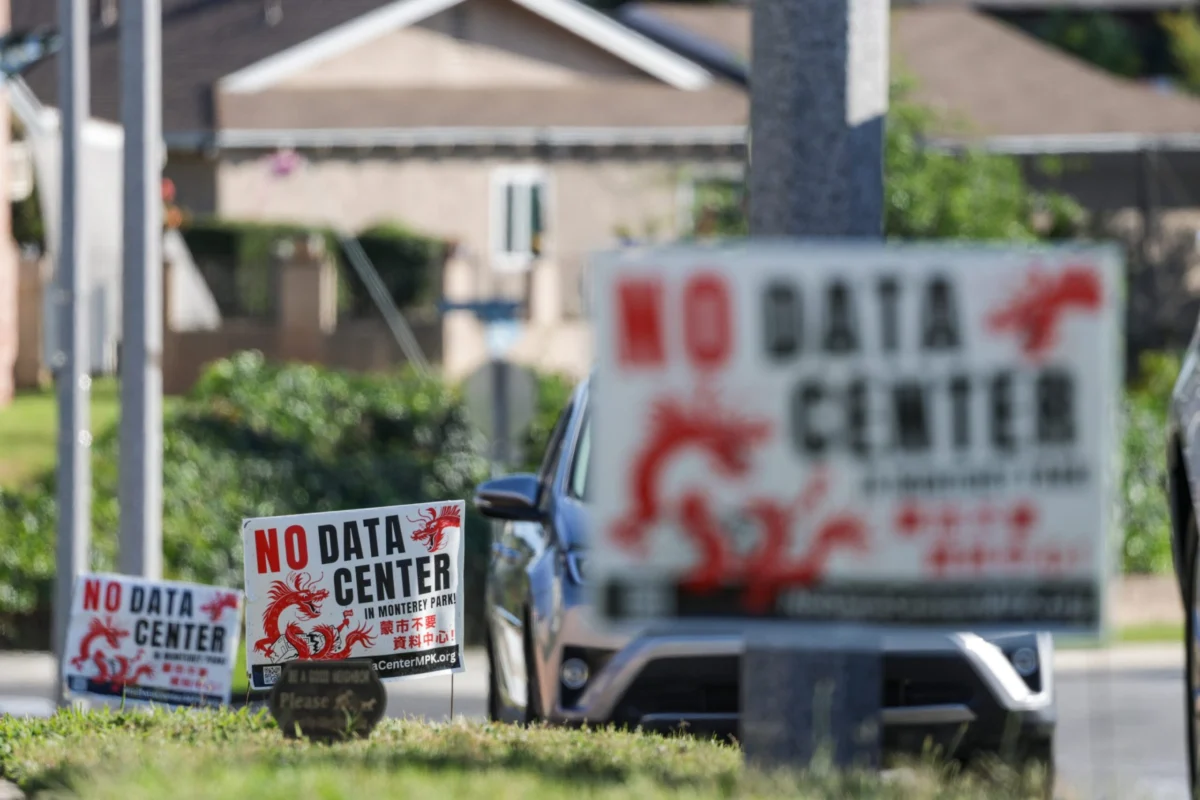
Just as the tech industry’s insatiable hunger for power generation continues to soar, the physical infrastructure required to satisfy it is encountering mounting resistance from local communities and, increasingly, from policymakers. Data centers have emerged as a significant flashpoint, symbolizing Americans’ growing resentment not only towards the physical manifestations of AI but also towards the industry developing the technology.
Community opposition typically cites several key concerns: their excessive power demands, which strain local grids and contribute to higher utility bills; their substantial water usage, particularly in regions already facing drought conditions; and their perceived negative impact on property values and local aesthetics. Across the country, communities have swelled in opposition against proposed data center constructions. For instance, proposals by major tech companies like Meta have faced significant pushback in states like Louisiana, forcing reconsideration and delays.
A comprehensive Pew Research Center survey conducted last month shed further light on public sentiment. The survey found that while Americans generally hold positive views regarding the potential local employment opportunities and increased tax revenue that data centers might bring, they are even more likely to express negative views concerning the infrastructure’s environmental cost and its prodigious energy consumption. This nuanced but predominantly critical public opinion forms the bedrock of the escalating backlash.
Legislative Actions and Political Ramifications
The burgeoning opposition to data centers has rapidly escalated into a pressing political issue. Last year alone, local opposition successfully blocked or delayed at least 16 data center projects, representing a combined investment value of approximately $64 billion, according to a report by Data Center Watch. This suggests a growing capacity for communities to influence development.
In a landmark move last week, Maine lawmakers approved a proposal to implement a statewide moratorium on new data centers. If Governor Janet Mills allows this legislation to become law, it could set a significant precedent, potentially paving the way for a handful of other states to push forward their own legislation. Such measures could delay or halt construction, or more broadly, grant states greater authority to weigh in on the strategic placement and timing of data center developments. The issue has also resonated at the federal level; last month, lawmakers in Congress, including prominent figures like Bernie Sanders and Alexandria Ocasio-Cortez, proposed a regulatory tightening of data center construction nationwide, signaling bipartisan concern over the unchecked expansion.
The Affordability Crisis and Electoral Implications
The frustrations over data centers are deeply intertwined with broader affordability concerns gripping American households, particularly as the midterm elections loom later this year. Higher power bills have become a central point of contention for voters. A January analysis by PowerLines, a consultancy, revealed that electric and gas utilities requested over $30 billion in rate increases last year—double that of 2024—directly impacting 81 million Americans. Overall, the analysis found that power bills have surged by 40% since 2021.
While several factors contribute to elevated utility costs, including the substantial expenditures required for upgrading and managing outdated grid infrastructure (costs that were rising well before the AI boom), data centers’ ravenous energy needs have nonetheless borne the brunt of public blame. Polling data suggests that a majority of households directly link data center expansion with their rising electricity costs. Consequently, lawmakers have responded to this sentiment, with bipartisan calls to monitor and regulate data center construction often framed explicitly around affordability concerns. The issue has become a potent political tool, with candidates likely to leverage voter frustration over utility costs in their campaigns.
The Broader "AI Fall from Grace"
The declining sentiment towards data centers mirrors a broader "fall from grace" for artificial intelligence itself in the public sphere. Despite the initial widespread excitement and optimism that followed the public release of advanced AI models like ChatGPT in the preceding years, public opinion has gradually soured. Concerns over the proliferation of online misinformation generated by AI, fears of widespread job displacement, and ethical dilemmas have mounted.
Current surveys indicate that Americans are now more likely to express concern than excitement about AI. More than half of respondents in a recent Quinnipiac University poll stated they expect the technology to do more harm than good in the long run. This growing anxiety is even being redirected towards the perceived architects of the AI universe, as dramatically highlighted by an incident last week involving a Molotov cocktail being thrown at the home of OpenAI CEO Sam Altman, a stark symbol of extreme public frustration.
A Global Phenomenon, a U.S. Concentration
While the energy frenzy driven by data centers is a global phenomenon, its intensity is particularly pronounced in the United States. The IEA report notes that data centers accounted for 17% of electricity demand growth worldwide last year. In stark contrast, this figure soared to approximately 50% within the U.S., underscoring the disproportionate impact of American tech giants and their aggressive pursuit of AI dominance.
The country’s leading technology companies have, for several years, been proceeding at full steam with their data center construction plans, viewing these facilities as non-negotiable for maintaining their competitive edge in the AI race. However, with public mood turning increasingly sour, and legislative bodies beginning to act decisively, the industry may soon find itself struggling to secure the necessary land, power, and community approval to plug in its grand ambitions. The challenge now lies in balancing technological innovation and economic growth with environmental stewardship, community well-being, and energy affordability, a complex equation with no easy solutions. The coming years will undoubtedly be critical in shaping the regulatory landscape and the public perception of the AI infrastructure driving our digital future.



Related Posts

‘We should absolutely be concerned about non-college-educated men today’: higher rents, living at home, falling out of the labor market | Fortune
Southeast Asia Navigates Worst Energy Crisis in Decades, Pivoting to Russia Amidst Hormuz Blockade