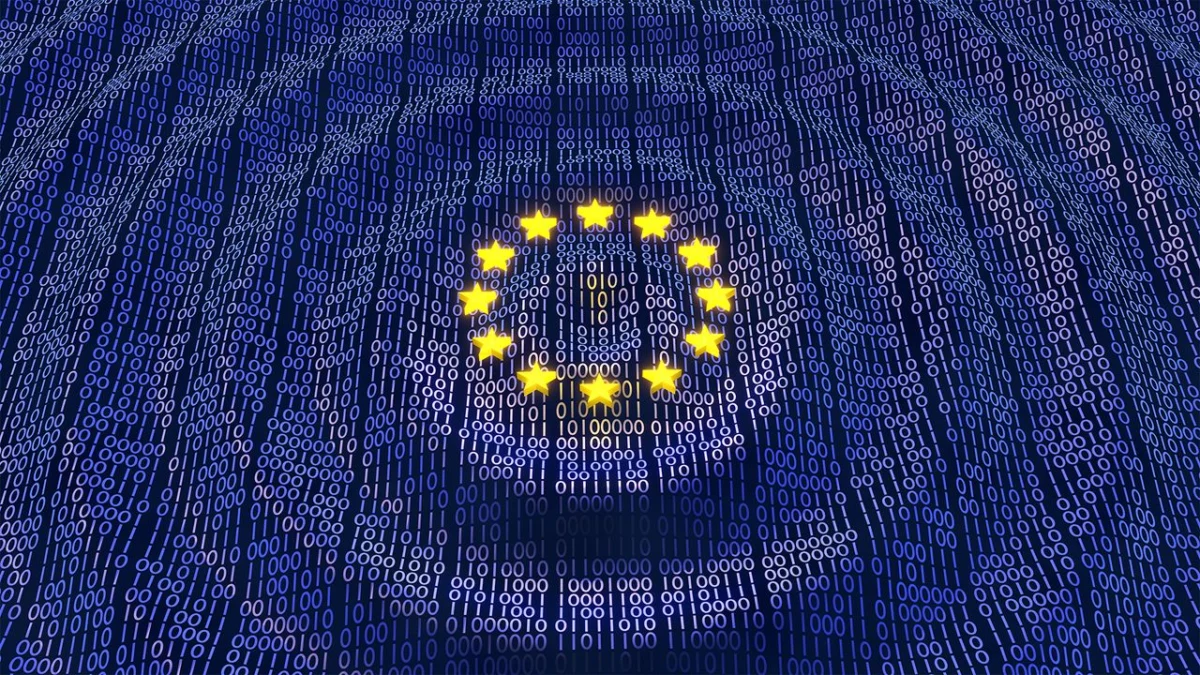
European Commission Awards Up to €180 Million for Sovereign Cloud Services to Bolster Digital Autonomy
The European Commission has announced a significant tender award, potentially worth up to €180 million over a six-year period, for the procurement of sovereign cloud services. This strategic initiative aims to equip EU institutions, bodies, offices, and agencies with cloud infrastructure and platforms that prioritize data sovereignty and enhance the digital autonomy of the European Union. The tender, which was initiated in October 2025, represents a concerted effort to foster a robust European digital ecosystem and stimulate the market’s development of genuinely sovereign cloud solutions.
A Strategic Imperative: Strengthening Digital Sovereignty
The European Commission’s push for sovereign cloud services is deeply rooted in the broader strategy to bolster the EU’s digital sovereignty. In an era increasingly defined by data flows and digital infrastructure, ensuring that critical public sector data and services remain under European control is paramount. This initiative seeks to mitigate risks associated with reliance on non-EU cloud providers, particularly concerning data privacy, security, and potential extraterritorial access by foreign governments. By investing in sovereign cloud capabilities, the EU aims to safeguard its values, protect its citizens’ data, and foster innovation within its own borders.
The tender’s rigorous selection process incorporated a comprehensive set of criteria, extending beyond mere technical specifications. Strategic, legal, operational, and environmental considerations were all taken into account. Crucially, emphasis was placed on supply chain transparency, ensuring that the origin and integrity of all components could be traced. Technological openness was also a key requirement, promoting interoperability and preventing vendor lock-in. Security and strict adherence to EU laws and regulations were, as expected, non-negotiable prerequisites for any awarded provider.
Key Players and Consortiums Emerge
Following a competitive bidding process, the European Commission has awarded contracts to four distinct providers and consortiums. While the specific names of all awarded entities are not fully detailed in the initial announcement, it is understood that these selections represent a blend of established European technology players and collaborations that leverage both European and, under strict conditions, non-European technologies.
One notable consortium involves Proximus, a leading Belgian telecommunications company, in collaboration with other entities. This group is reported to be utilizing services from S3NS, a joint venture formed between Thales, a major French defense and aerospace company, and Google Cloud. The inclusion of Clarence, a cybersecurity and cloud services provider, and Mistral, a prominent French artificial intelligence firm, further highlights the strategic alliances being forged to meet the EU’s demanding requirements.
Quentin Adam, CEO of Clever Cloud, a European cloud provider, commented on the significance of these developments. He stated, "What’s interesting here is that technological sovereignty isn’t simply a theoretical concept: it translates into actual infrastructure and platforms with players able to operate together at a production level. This is also proof that European organizations can cooperate effectively and drive progress across the entire ecosystem." Adam’s remarks underscore the tangible impact of the Commission’s procurement strategy, moving beyond abstract policy goals to concrete, operational realities.
Justifying Global Technology Integration
The European Commission has provided a clear rationale for the involvement of non-European technology providers, such as Google Cloud, within the framework of this sovereign cloud initiative. The key lies in the "strict and appropriate" operational framework established for their deployment. This means that while the underlying technology might originate outside the EU, its operation and management within the EU context must adhere to stringent sovereignty requirements.
The Commission elaborated on its decision-making process, emphasizing that while sovereignty was a critical factor, the selected providers had to demonstrate an ability to deliver reliable, state-of-the-art technology and services. A particular focus was placed on fully managed services (PaaS), the developer experience, and automation capabilities. The announcement stated, "All awarded providers deliver a high level of technical quality for that scope, showing that EU providers are closing the gap. All awarded providers also achieve strong security ratings, demonstrating an excellent coverage in terms of security certifications." This indicates a pragmatic approach, recognizing that European providers, while growing, may still benefit from partnerships to meet the full spectrum of advanced service requirements, provided that sovereignty is not compromised.
Defining and Achieving Sovereign Cloud Effectiveness
A crucial element of the tender was the establishment of a Sovereignty Effectiveness Assurance Level (SEAL). Providers were required to meet at least SEAL-2, which specifically addresses Data Sovereignty. This level mandates adherence to EU laws and regulations without the need for customers to implement additional technical measures to safeguard their data. This ensures that the legal and regulatory framework of the EU is inherently embedded within the service provided.
Impressively, the majority of the awarded providers exceeded this baseline, achieving SEAL-3 – the Digital Resilience level. This signifies that their services, technologies, and operations are resilient to supply chain disruptions originating from non-EU third parties. This advanced level of resilience is critical for ensuring the continuity of essential public services and protecting against potential geopolitical risks.
The Commission views this tender as a pioneering step, stating, "By successfully introducing sovereignty in its cloud procurement, the Commission leads by example in advancing Europe’s digital sovereignty, setting a benchmark for secure, compliant, and values-based cloud adoption across the public sector." This positions the EU as a global leader in defining and implementing sovereign cloud standards, influencing procurement practices worldwide.
The success of this tender is seen as a validation of the quality and capability of European technology providers. It demonstrates their readiness to compete and meet the EU’s exacting standards. Simultaneously, it reaffirms the Commission’s belief that non-European technologies can indeed fulfill minimum sovereignty requirements when operated within a carefully defined and controlled environment.
Future Outlook and Framework Development
Looking ahead, the European Commission intends to institutionalize these sovereignty considerations. The criteria developed for this tender will be applied to assess and enhance the sovereignty of all digital services provided to its various departments and other EU bodies. This proactive approach aims to ensure a consistent and high standard of digital autonomy across the entire EU administration.
Furthermore, the Commission plans to publish an updated version of its Sovereign Cloud Framework. This revised framework will incorporate the valuable lessons learned throughout the tender process and will be made publicly available. This commitment to knowledge sharing and transparency will empower other public sector organizations across the EU and beyond to adopt similar sovereign cloud strategies, fostering a wider ecosystem of secure and compliant digital services.
Broader Implications for the European Digital Landscape
The €180 million sovereign cloud tender represents a pivotal moment for the European digital economy. It signals a clear commitment from the highest levels of the EU government to prioritize digital autonomy, data security, and the development of a robust European technology sector.
Economic Impact: The investment is expected to stimulate innovation and growth within the European cloud market. By creating demand for sovereign solutions, the Commission is incentivizing local providers and consortia to develop cutting-edge technologies and services. This could lead to job creation, increased research and development, and a stronger competitive position for European tech companies on the global stage. The focus on European providers, even when partnering with non-EU entities, aims to build indigenous capabilities and reduce dependence on external technology giants.
Security and Resilience: The emphasis on SEAL-3 and Digital Resilience directly addresses concerns about cybersecurity threats and geopolitical instability. By ensuring that cloud services are resilient to external disruptions, the EU is enhancing the security and reliability of its critical infrastructure. This is particularly important for government agencies handling sensitive data and providing essential public services. The ability to withstand supply chain attacks or political pressures from non-EU countries is a significant strategic advantage.
Regulatory and Legal Framework: The tender’s success reinforces the importance of the EU’s stringent regulatory environment, including the General Data Protection Regulation (GDPR) and other data protection laws. By mandating compliance with these regulations as a core requirement, the Commission is ensuring that technological advancements align with European values and legal principles. The development and publication of the Sovereign Cloud Framework will provide a standardized approach, simplifying procurement for public bodies and setting a precedent for secure cloud adoption.
Geopolitical Significance: In a global landscape marked by increasing technological competition and geopolitical tensions, the EU’s sovereign cloud initiative is a statement of intent. It demonstrates the bloc’s determination to control its digital destiny and reduce its reliance on technologies and platforms that could be subject to foreign influence or control. This move aligns with broader EU strategies for strategic autonomy in various sectors, including defense, energy, and critical raw materials.
Challenges and Opportunities: While the initiative is commendable, challenges remain. Ensuring that European providers can consistently offer competitive and scalable solutions is an ongoing task. The complexities of managing hybrid cloud environments and ensuring seamless interoperability will require continuous effort. However, the significant investment and clear strategic direction provide a strong foundation for overcoming these hurdles.
The European Commission’s award of this substantial tender is more than just a procurement contract; it is a strategic investment in Europe’s future digital sovereignty. By fostering a secure, resilient, and independent digital infrastructure, the EU is laying the groundwork for continued innovation, enhanced security, and a stronger position in the global digital economy. The lessons learned and the framework developed through this process will undoubtedly shape the trajectory of cloud adoption across the European public sector for years to come.

Related Posts

UK Government Launches £500 Million Sovereign AI Fund to Propel Domestic Innovation

NIST Pivots National Vulnerability Database Operations Amidst Unprecedented Surge in CVE Submissions