Casper Returns to Brand Advertising With Dark Humor Campaign Addressing Modern Daymares
Casper Sleep, the company that once redefined the mattress industry through direct-to-consumer innovation and aggressive subway marketing, has officially ended a four-year hiatus from major brand advertising. The company’s return to the airwaves comes via a new campaign titled "Daymares," a series of dark-humor films developed in partnership with the creative agency Orchard. The campaign marks a significant strategic pivot for the brand as it seeks to reclaim its position as a cultural leader in the sleep economy following several years of corporate restructuring and ownership changes.
The "Daymares" campaign represents Casper’s first work with Orchard and signals a departure from the minimalist, often illustrated aesthetic that defined its early years. Directed by Jeff Low, known for his ability to find humor in the absurd and uncomfortable, the campaign focuses on the "living nightmares" of modern daily life. By juxtaposing these stressful daytime scenarios with the restorative relief of a Casper mattress, the brand aims to position itself as the ultimate antidote to the friction of the 21st-century experience.
The Creative Strategy: Finding Relief in the Absurd
The "Daymares" campaign is built around three primary films, each focusing on a specific, high-tension social or professional ordeal. The creative direction leans heavily into the "horror-film flourish," utilizing tight framing, ominous sound design, and a sense of mounting dread that is only broken when the protagonist finally falls asleep.
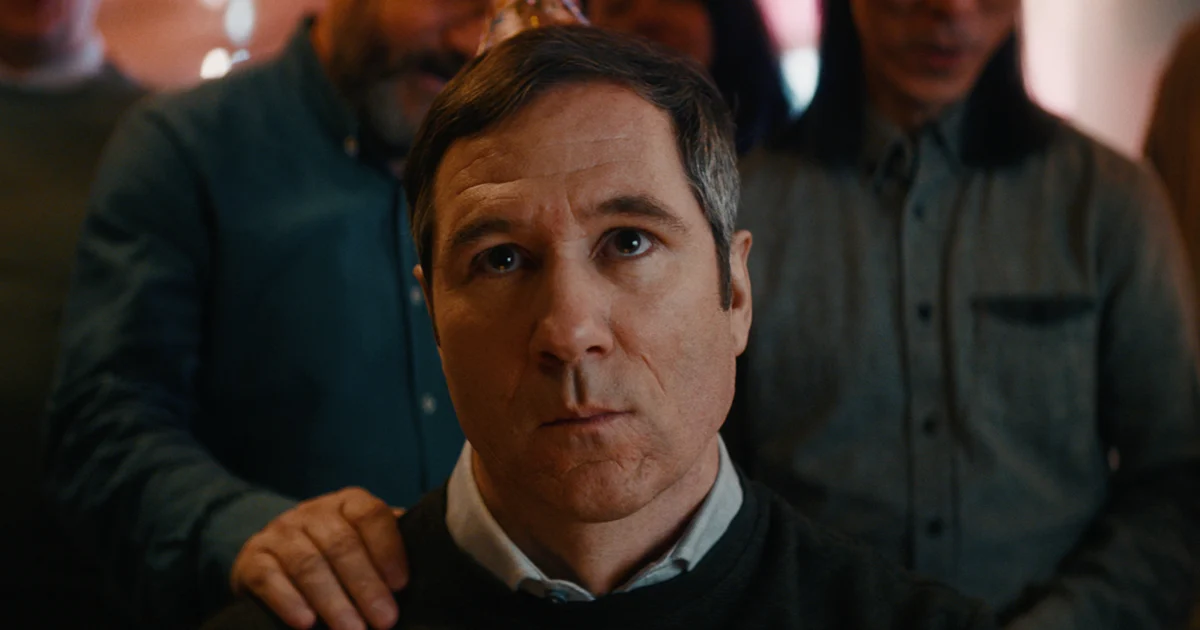
In "Birthday Boy," the narrative centers on the excruciating social ritual of being sung to in a restaurant. The protagonist sits frozen as wax drips from birthday candles, while a restaurant mascot stares with an unblinking, unsettling gaze. The film captures the specific brand of anxiety associated with being the center of unwanted attention.
"Crowded" shifts the focus to physical discomfort and the loss of personal space. The film depicts a woman trapped in the back of a packed elevator. Her claustrophobia is exacerbated by a fellow passenger who is sneezing uncontrollably, culminating in the blaring of a red emergency alarm. The scenario taps into post-pandemic sensitivities regarding public health and physical proximity.
The third film, "Poor Connection," addresses the ubiquitous frustration of remote work. A businessman is shown struggling through a frozen video call, trapped in a loop of asking a crowded, silent conference room if they can hear him. The technical glitch becomes a metaphor for the isolation and communication breakdowns of the modern digital workplace.
In each of these scenarios, the tension is resolved through a sharp cut to the quiet, dark sanctuary of a bedroom. The tormented characters are shown sleeping deeply on a Casper mattress, accompanied by the new brand tagline: “Goodnight, Day.”
A Decade of Disruption and Market Evolution
To understand the significance of this campaign, one must look back at Casper’s trajectory since its founding in 2014. Casper was not merely a mattress company; it was a pioneer of the Direct-to-Consumer (DTC) revolution. By shipping a compressed foam mattress in a manageable box directly to the customer’s door, Casper bypassed the high-pressure sales tactics and confusing pricing structures of traditional mattress showrooms.
The company’s early success was fueled by a massive marketing spend, particularly in urban centers like New York City, where its distinctive blue-and-white illustrated ads became a staple of the subway system. This strategy allowed Casper to scale rapidly, reaching a "unicorn" valuation and becoming a household name among millennial homebuyers.
However, the DTC model eventually faced headwinds. High customer acquisition costs and the logistical challenges of shipping heavy goods began to weigh on the company’s bottom line. To drive further growth, Casper pivoted to an "omnichannel" strategy, establishing partnerships with major retailers such as Target, Pottery Barn, Nordstrom, and the now-defunct Bed Bath & Beyond. This move into physical retail was intended to meet customers where they were, but it also placed Casper in direct competition with the very legacy brands it had set out to disrupt.
Financial Turbulence and the Path to Acquisition
Casper’s financial journey over the last five years reflects the broader challenges faced by the first wave of DTC "disruptor" brands. In February 2020, Casper went public on the New York Stock Exchange. The IPO was initially priced between $17 and $19 per share, but the company was forced to lower its expectations to $12 to $13 per share just before debut. This was a clear signal that investors were becoming wary of high-growth companies that lacked a clear path to profitability.
The stock struggled significantly during its time as a public company, eventually dipping below $5 per share. In late 2021, Casper announced it would be taken private by the private equity firm Durational Capital Management in a deal valued at approximately $286 million—a far cry from its peak private valuation of $1.1 billion.
The most recent chapter in Casper’s corporate history occurred in November 2024, when the brand was acquired by Carpenter Co., a major global manufacturer of polyurethane foam. Under this new ownership, Casper operates as a subsidiary. This acquisition is strategically significant as it provides Casper with vertical integration. By being owned by its supplier, Casper can potentially reduce manufacturing costs and improve margins, allowing the brand to focus more resources on the creative marketing efforts seen in the "Daymares" campaign.
The State of the Global Mattress Industry
Casper’s return to advertising comes at a time when the mattress industry is navigating a complex post-pandemic landscape. According to data from the International Sleep Products Association (ISPA), the industry has faced a notable downturn in volume. Domestic mattress shipments in the United States dropped from 26.3 million units in 2021 to 19.2 million in 2024.
Several factors contributed to this decline:
- Pull-Forward Demand: During the 2020-2021 pandemic lockdowns, consumers spent heavily on home improvements, including mattresses. This created a "pull-forward" effect, where people who might have waited until 2023 or 2024 to buy a new bed had already made their purchase.
- Housing Market Stagnation: Mattress sales are closely tied to the housing market. High interest rates in 2023 and 2024 led to a decrease in home sales, which in turn reduced the demand for new furniture and bedding.
- Economic Uncertainty: Inflationary pressures have forced many consumers to delay discretionary purchases of high-ticket items.
Despite these challenges, there are signs of a recovery. Industry reports suggest that U.S. mattress production and sales began to stabilize and recover in the second half of 2025. This recovery is being supported by a reduction in low-cost imports and new tariff protections that favor domestic manufacturers. Casper’s decision to launch a major brand campaign now suggests the company is looking to capitalize on this emerging market rebound.
Executive Perspectives on the New Direction
The leadership teams at Casper and Orchard have emphasized that the "Daymares" campaign is about more than just selling a product; it is about reinforcing the brand’s unique voice in a crowded market.
Torrie Belknap, Vice president of marketing at Casper, noted that the brand needed to re-establish its connection with consumers after a period of relative silence. "It’s been a while since we’ve been in front of consumers with major brand work, and we wanted a partner who could create something that felt memorable and relatable," Belknap stated. She highlighted that Orchard’s approach helped translate Casper’s core message into something that felt "unique" to the brand’s DNA.
David Kolbusz, Chief Creative Officer at Orchard, expanded on the psychological underpinnings of the campaign. "Sleep is such an integral and restorative part of our lives, and yet our value of sleep is rarely ever matched by our concern for what we sleep on," Kolbusz said. He explained that the goal was to highlight the "microaggressions and major transgressions" of daily life to make the "womblike comfort" of a Casper-furnished bedroom feel like a necessary escape rather than a luxury.
Implications and Future Outlook
The "Daymares" campaign represents a critical test for Casper. In the years since Casper first launched, the "bed-in-a-box" category has become incredibly saturated, with competitors like Purple, Saatva, and Helix all vying for market share with similar value propositions.
By leaning into dark humor and high-concept storytelling, Casper is attempting to move beyond the functional benefits of foam and springs. The campaign seeks to build emotional resonance by acknowledging the stress of modern life. If successful, this approach could help Casper transition from being a "mattress startup" to a mature "sleep wellness" brand.
Furthermore, the backing of Carpenter Co. provides Casper with the industrial scale necessary to compete on price and quality, while the brand itself maintains the consumer-facing cachet it built over the last decade. As the mattress industry enters a projected growth phase in 2026, Casper’s ability to blend high-impact creative marketing with efficient manufacturing will likely determine whether it can reclaim its crown as the leader of the sleep economy.
The "Daymares" campaign serves as a reminder that in a world of constant digital and social noise, the most effective marketing often speaks to the simple, universal desire for a good night’s rest. As Casper’s new tagline suggests, the goal is no longer just to sell a bed, but to provide a definitive end to the day’s troubles.
Related posts:




Related Posts

Beyond Follower Counts How Algorithmic Shifts and Integrated Strategies are Redefining Social Media Success in 2024

Viral Nation Leverages Artificial Intelligence and Big Data to Redefine Social Media ROI and Creator Marketing Strategies