
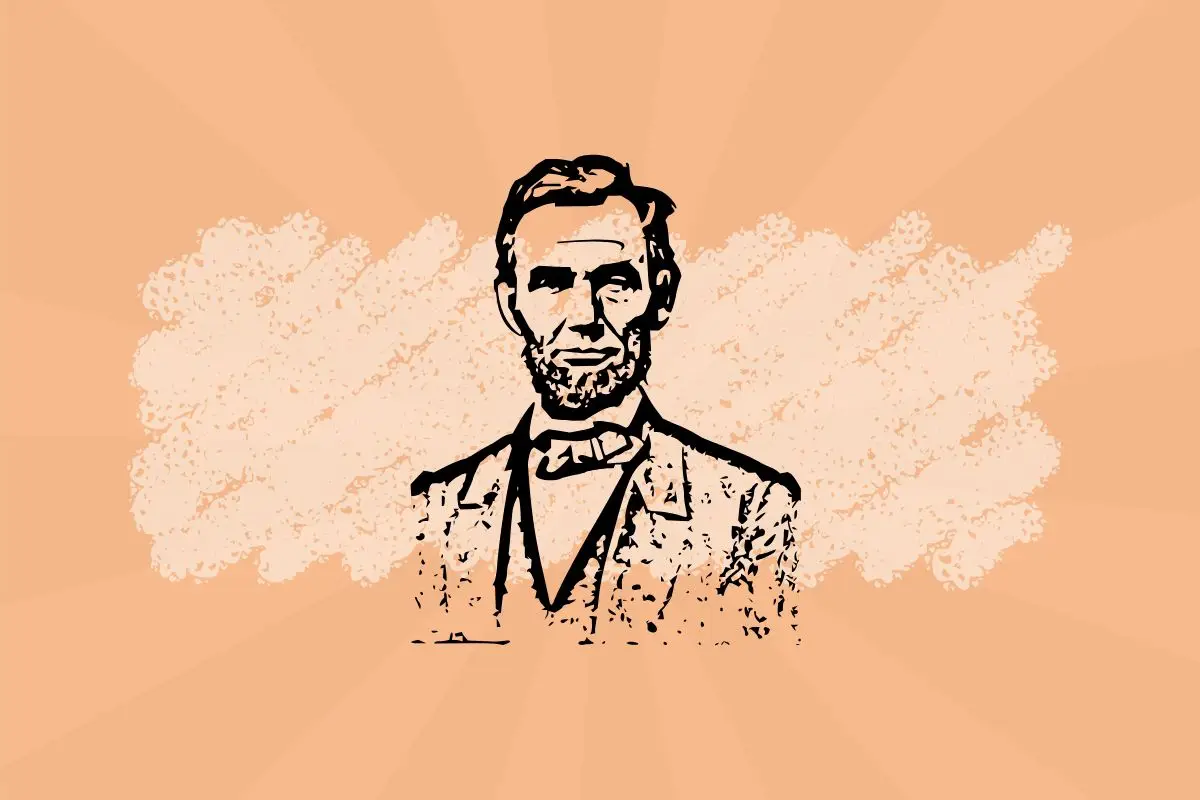
A Lesson from Lincoln on Navigating Moments of Opportunity and Danger
The narrative tapestry of American history is interwoven with moments of profound consequence, instances where decisive action, or its absence, irrevocably shaped the nation’s trajectory. Among the most compelling of these pivot points is the arduous struggle to abolish slavery, a saga vividly brought to life in Steven Spielberg’s critically acclaimed film, Lincoln, inspired by Doris Kearns Goodwin’s seminal work, Team of Rivals. The film, lauded for its historical fidelity and Daniel Day-Lewis’s Oscar-winning portrayal of the 16th President, offers a potent cinematic examination of leadership during a period of immense upheaval. One particularly resonant scene encapsulates the essence of seizing critical junctures, a lesson that transcends the specific context of the Civil War and holds enduring relevance for leaders in all spheres.
The Weight of the "Here and Now"
The film depicts a pivotal moment when President Abraham Lincoln convenes with his cabinet and key political allies to strategize the passage of the 13th Amendment, the legislative cornerstone that would formally end slavery in the United States. The room is charged with the anxieties of impending political battles, the precariousness of securing sufficient votes, and the potential repercussions for those who championed the cause. Amidst the impassioned debates and strategic maneuvering, Lincoln, typically a figure of measured contemplation, exhibits a palpable tension. The scene culminates in a dramatic assertion of presidential authority, a powerful demonstration of leadership that transcends mere political expediency.
"See what is before you. See the here and now, that’s the hardest thing, the only thing that counts," Lincoln declares, his voice resonating with the gravity of the moment. This pronouncement underscores a fundamental truth: history is not merely a linear progression of events, but a series of critical junctures where opportunities, fleeting yet monumental, emerge. For Lincoln and his allies, the passage of the 13th Amendment represented such a moment, forged through years of agonizing debate, political struggle, and the bloodshed of the Civil War. The confluence of these factors created a narrow window, a precarious opening for a fundamental societal transformation.
Lincoln’s subsequent command, "I am the President of the United States of America, clothed in immense power. You will procure me these votes," is not an act of autocracy, but a clear-eyed recognition of the immense responsibility vested in his office and the extraordinary circumstances demanding decisive action. It signifies a leader’s imperative to leverage available power and influence to achieve a goal that history has deemed essential.
Recognizing Vector-Changing Opportunities
The core lesson from Lincoln’s leadership in this scene is the profound difficulty, yet paramount importance, of recognizing and acting upon "vector-changing opportunities." These are not incremental advancements, but moments that possess the inherent capacity to fundamentally alter the trajectory of an organization, a movement, or indeed, an entire nation. The temptation for individuals and groups alike is to adhere to pre-existing strategies, to remain within the comfort zone of established plans, even when the landscape shifts dramatically.
The inherent challenge lies in discerning the "here and now" amidst the fog of long-term planning and routine operations. It is far easier to chart a course based on established methodologies than to perceive and embrace an emergent opportunity, especially one that may not align perfectly with prior expectations or established protocols. The inclination towards the "safe" path – continuing with the known plan – often overshadows the "brave" undertaking of confronting reality and adapting to its demands.
The Blinders of Inertia and Discomfort
Numerous factors contribute to the failure to recognize these critical moments. One significant impediment is a deliberate or unconscious avoidance of disconfirming information. Individuals and organizations may erect metaphorical blinders, filtering out data that challenges their existing beliefs or strategies. This self-reinforcing cycle, where only information that confirms pre-existing notions is sought, creates an echo chamber that prevents an accurate assessment of the present reality.
Furthermore, even when reality is perceived, a lack of urgency can lead to inaction. The deferral of critical decisions and actions to a "more convenient time" is a common pitfall. This often manifests as a continued busyness with established tasks and plans, even as the external environment undergoes fundamental shifts. This phenomenon, where success in past endeavors can ironically lead to failure in the face of new realities, underscores the need for continuous adaptation and strategic recalibrism.
The Traits of Visionary Leadership
Leaders who possess the courage to confront reality and the agility to respond are those who tend to shape the future. This often involves navigating complex and sometimes unpalatable truths. While the path of confronting reality can be fraught with challenges and may even exact a personal cost, it is also the path that leads to profound impact.
The question then becomes: how does one cultivate the ability to spot these critical junctures? The article suggests that reality rarely announces itself with fanfare. Instead, for leaders who have honed their intuitive faculties, these moments often manifest through subtler indicators:
- Emerging Tensions: A persistent feeling of being pulled in multiple directions, coupled with an absence of clear answers, can signal a need for re-evaluation. In such instances, grounding oneself in a higher purpose or overarching mission can often illuminate the path forward, providing a clearer perspective from which to make decisions.
- Weighing Convictions: A common, yet often ignored, indicator is the internal dissonance between knowing the "right" path and choosing another. These "pings of conscience," if consistently disregarded, can diminish in their intensity over time, leading to a gradual erosion of ethical clarity and strategic foresight.
- Confluent Factors: The convergence of multiple external forces can create a fertile ground for opportunity. This might include the opportune arrival of key individuals, the availability of new resources, or the emergence of technologies that align with an organization’s unique capabilities. Recognizing and capitalizing on these synergistic alignments is a hallmark of perceptive leadership.
The Historical Context of the 13th Amendment
The legislative battle for the 13th Amendment was a protracted and arduous undertaking, deeply embedded within the tumultuous context of the American Civil War. Abraham Lincoln’s presidency was defined by the existential threat posed by the Confederacy, a nation founded on the principle of chattel slavery. While the Emancipation Proclamation, issued in 1863, declared slaves in Confederate-held territory to be free, it was a wartime measure and did not abolish slavery nationwide.
The push for the 13th Amendment, which began in earnest in 1864, aimed to codify the abolition of slavery into the U.S. Constitution, rendering it a permanent and unassailable feature of American law. This was a radical departure from the nation’s founding principles, which, while espousing liberty, had paradoxically enshrined slavery. The amendment faced fierce opposition not only from Southern sympathizers but also from some within the Union who feared its political ramifications or doubted its constitutional necessity.
The timeline of this critical legislative effort highlights the urgency Lincoln perceived:
- January 31, 1865: The Senate passes the 13th Amendment.
- April 8, 1865: The House of Representatives narrowly passes the amendment, securing the necessary two-thirds majority after intense lobbying and political maneuvering. This was the "here and now" moment Lincoln emphasized, a brief window of opportunity created by the Union’s military successes and a shifting political landscape.
- December 6, 1865: The amendment is ratified by the required three-fourths of the states, officially becoming part of the U.S. Constitution.
The political climate leading up to the House vote was particularly fraught. Lincoln, facing reelection in 1864, had made the passage of the amendment a central plank of his platform. His administration employed a range of strategies, including patronage and persuasive appeals, to secure the votes needed. The film Lincoln masterfully captures the intensity of these efforts, showcasing the complex interplay of principle, politics, and personal conviction.
Analysis of Implications
The passage and ratification of the 13th Amendment represent one of the most significant legal and social transformations in American history. Its implications were far-reaching:
- Legal Foundation for Freedom: It provided the constitutional bedrock for the freedom of millions of African Americans, dismantling the institution of slavery that had been a stain on the nation’s conscience for centuries.
- Shift in Political Power: The amendment fundamentally altered the political landscape, diminishing the power of slaveholding states and paving the way for the enfranchisement of Black citizens during the Reconstruction era.
- Ongoing Struggle for Equality: While the 13th Amendment abolished slavery, it was the first of three Reconstruction Amendments (along with the 14th and 15th) designed to establish civil and political rights for formerly enslaved people. The subsequent struggle for full equality and civil rights, which continues to this day, underscores that legal abolition was a critical first step in a much longer journey.
- International Precedent: The American abolition of slavery served as a powerful precedent and inspiration for anti-slavery movements globally, contributing to the eventual dismantling of the institution in other parts of the world.
The Enduring Call to Action
Lincoln’s admonition to "see the here and now" serves as a perpetual reminder that historical progress is not predetermined. It is forged through the courage of individuals and groups who can perceive moments of profound opportunity and are willing to act decisively. The tendency to remain tethered to past strategies or to shy away from confronting inconvenient truths can lead to the squandering of precious historical junctures.
The lesson is clear: leaders must cultivate an acute awareness of their immediate environment, honing their intuition to detect subtle shifts and emergent possibilities. They must be willing to challenge prevailing assumptions, embrace discomfort, and leverage their influence to navigate the complexities of the present. The call to "Rise to your moment" is an enduring exhortation for all who aspire to make a meaningful contribution, urging them to be bold enough to contend with reality and to do the work that only they are uniquely capable of undertaking. The future, as Lincoln understood, is not simply arrived at; it is actively created in the crucible of the present.



Related Posts

Three Practical Tips for Thinking More Strategically Emerge from Seth Godin’s Latest Insights

The Leader’s Imperative: Cultivating Brave Work Through Agency and Optimistic Vision