
Airwallex Reaches Back to the Physical Realm with New POS Payments System, Challenging Industry Giants
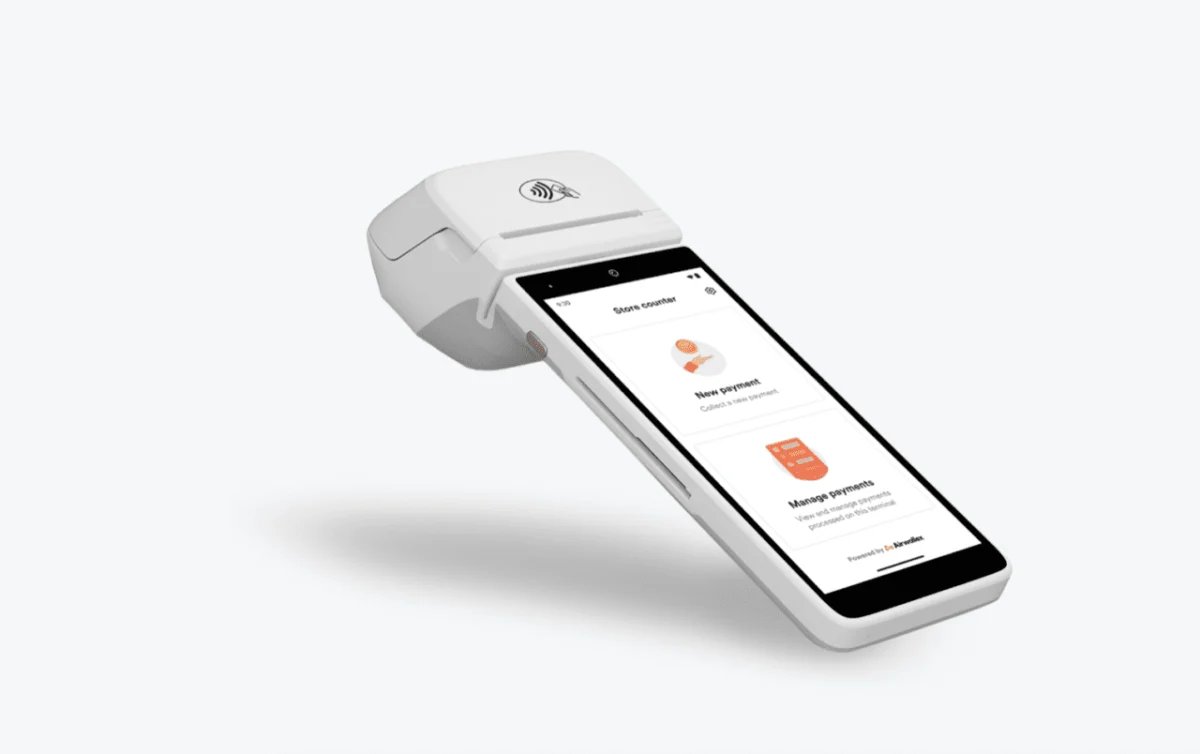
While much of the financial technology sector races towards the frontiers of agentic payments, leveraging artificial intelligence and automation to create autonomous transaction systems, Singapore-based fintech unicorn Airwallex is strategically redirecting its focus to the foundational elements of commerce: the physical point of sale. This week, the company officially unveiled Airwallex POS Payments, a dedicated physical point-of-sale (POS) device designed to bridge the persistent gap between online and in-store transactions. This move represents a significant expansion of Airwallex’s global financial platform, signaling its ambition to become a truly end-to-end provider in the increasingly complex world of omnichannel retail.
The introduction of Airwallex POS Payments is a calculated step to address fragmentation within the payments ecosystem. The new physical device is engineered to seamlessly integrate with Airwallex’s existing comprehensive commerce stack, thereby unifying online and in-store payment flows. For merchants, particularly large enterprise retailers, this integration promises a streamlined operational environment, offering consistent payment experiences, consolidated reporting, and a holistic view of customer interactions across all sales channels. This unification is poised to provide enterprises with unprecedented visibility and control over their financial operations, while also empowering Software-as-a-Service (SaaS) platforms to embed in-store payment capabilities directly into their proprietary products, creating more robust and integrated solutions for their clients.
Airwallex articulated its vision for this new offering in its official announcement, stating, "By extending our global financial platform to the physical countertop, we’re bringing online and in-store payments together, reducing the fragmentation that has long held in-store payments back, and giving enterprises a truly global foundation for growth." This statement underscores the company’s commitment to simplifying complex financial processes for businesses operating across multiple geographies and sales avenues. The strategic pivot towards physical POS hardware, while seemingly counter to the prevailing trend of purely digital innovation, is a testament to the enduring importance of in-person transactions and the critical need for integrated solutions that cater to the evolving demands of modern retail.
A Deep Dive into the Competitive Landscape and Airwallex’s Unique Edge
The foray into physical POS devices places Airwallex squarely in direct competition with established giants and innovators in the payments space, most notably Square (now Block) and Stripe. Square, a pioneer in mobile POS hardware, revolutionized small business payments with its intuitive card readers and comprehensive ecosystem. Over the years, Square has expanded its offerings to include payroll, lending, and sophisticated retail management tools, catering to businesses ranging from micro-merchants to larger enterprises. Stripe, while primarily renowned for its robust online payment infrastructure that powers countless e-commerce businesses and digital platforms, also offers its own physical POS solutions through Stripe Terminal, enabling developers to build custom in-person payment experiences.
A notable historical footnote in this competitive narrative is Stripe’s attempt to acquire Airwallex in 2019 for a reported $1.2 billion. The fact that Airwallex resisted this acquisition, choosing to maintain its independence and pursue its own growth trajectory, speaks volumes about its leadership’s long-term vision and confidence in its unique value proposition. This recent launch further validates that decision, as Airwallex now directly competes with a company that once sought to absorb it, albeit in a different segment of the payments market.
However, Airwallex boasts a significant competitive advantage over these legacy players in certain key regions, particularly in markets where it holds extensive regulatory licenses. A prime example is Japan, where Airwallex operates with a full banking license. This crucial regulatory distinction allows the fintech company to own not only the front-facing software and hardware but also the backend banking infrastructure. Consequently, when a merchant processes a payment via Airwallex POS in Japan, Airwallex can directly hold the funds, rather than being required to transfer them to the merchant’s primary bank account held by a traditional financial institution. This full-stack approach reduces intermediaries, potentially speeds up settlement times, lowers transaction costs, and offers merchants a more integrated and transparent financial experience. This unique capability in specific markets positions Airwallex as a more vertically integrated and potentially cost-effective solution compared to competitors who must rely on partnerships with traditional banks for fund holding and settlement.
Airwallex’s Global Footprint and Strategic Expansion
Founded in 2015, Airwallex has rapidly ascended to become a formidable player in the global fintech arena. Its growth has been fueled by an aggressive strategy of securing regulatory licenses and permits across diverse markets, enabling it to offer a vast array of financial services. The company currently holds nearly 90 regulatory licenses and permits spanning 50 markets, which collectively empower its customers to conduct business in over 200 countries and regions. This extensive regulatory framework allows Airwallex to support multi-currency checkout at scale, a critical feature for businesses engaged in international trade and cross-border e-commerce.
The year 2025 marked a period of particularly rapid expansion for Airwallex, demonstrating its commitment to broadening its global reach and deepening its localized capabilities. During this single year, the company successfully extended its regulated operations and launched new products across 12 additional markets. These strategic expansions included securing crucial licenses and establishing a presence in France, the Netherlands, Israel, Canada, Korea, Japan, New Zealand, Malaysia, Vietnam, Brazil, Mexico, and the UAE. This relentless pursuit of global market penetration and regulatory compliance provides a robust foundation for new product launches, such as the POS payments device, ensuring they can be rolled out efficiently and legally across diverse jurisdictions.
The newly launched POS payments device is initially available to merchants in key markets across the UK, Europe, Hong Kong, and Singapore. Airwallex has also outlined ambitious plans for further expansion, with anticipated launches in Australia and the United States. In the US, Airwallex already serves a substantial client base of 46,000 businesses, indicating a significant existing market ready to potentially adopt its new physical payment solutions. This phased rollout strategy allows Airwallex to refine its offering, gather user feedback, and ensure compliance with local regulations before a broader global deployment.
The Evolving Landscape of Payments and the Need for Unified Commerce
The global point-of-sale (POS) terminal market, valued at approximately $70-80 billion in recent years, is projected to grow at a compound annual growth rate (CAGR) of around 9-10% over the next decade. This growth is driven by several macro trends, including the increasing adoption of digital and contactless payments, the demand for integrated business solutions, and the imperative for merchants to offer seamless omnichannel experiences. Consumers today expect flexibility, convenience, and consistency whether they shop online, via mobile apps, or in physical stores. This expectation places immense pressure on retailers to unify their disparate sales channels and payment systems.
Traditional payment infrastructures often suffer from fragmentation, with separate systems for online and in-store transactions. This fragmentation leads to operational inefficiencies, reconciliation challenges, inconsistent data reporting, and a disjointed customer experience. For instance, customer loyalty programs might not seamlessly transfer between online and offline purchases, or sales data from different channels might not aggregate effectively for holistic business intelligence. Airwallex’s integrated POS solution directly addresses these pain points by offering a single platform that consolidates all payment data, irrespective of the channel. This unification empowers merchants with a 360-degree view of their customers and sales performance, enabling more informed decision-making and personalized marketing efforts.
Moreover, the rise of embedded finance and the desire for "super apps" in the financial sector underscore a broader industry trend towards comprehensive, all-in-one platforms. By adding a physical POS offering, Airwallex moves closer to becoming a truly holistic financial partner for businesses, providing everything from global accounts and cross-border payments to online checkout and now, in-person transaction processing. This strategy allows them to capture a larger share of a merchant’s financial operations, increasing customer stickiness and opening up new revenue streams.
Implications for the Industry and Future Outlook
Airwallex’s entry into the physical POS market carries significant implications for both the company itself and the broader payments industry. For Airwallex, this move represents a crucial diversification of its product portfolio, enhancing its appeal to enterprise clients who operate complex retail networks. It positions the company not just as a cross-border payments specialist, but as a full-fledged financial infrastructure provider capable of supporting all facets of modern commerce. This deeper integration into a merchant’s daily operations can foster stronger client relationships and solidify its market position against competitors.
For the payments industry, Airwallex’s aggressive expansion into physical POS will intensify competition in the unified commerce space. Incumbent players like Square and Stripe will likely face renewed pressure to innovate and further integrate their online and offline offerings. The emphasis on a full-stack approach, particularly where regulatory licenses allow for direct fund holding, could also inspire other fintechs to pursue similar strategies, potentially leading to a more vertically integrated and efficient payments landscape. This could ultimately benefit merchants through more competitive pricing, faster settlement times, and more comprehensive service offerings.
Looking ahead, Airwallex’s robust global licensing framework and its growing presence in diverse markets provide a strong platform for future innovation. The data gathered from unified online and offline transactions could be leveraged to offer more sophisticated embedded finance solutions, such as tailored lending products, dynamic pricing tools, or advanced fraud detection mechanisms. As businesses continue to navigate the complexities of global trade and digital transformation, solutions that simplify financial operations and provide a unified view of commerce will become increasingly indispensable. Airwallex’s strategic move into physical POS payments is a clear indicator of its intent to be at the forefront of this evolution, empowering businesses with the tools they need to thrive in an interconnected global economy.
Related posts:




Related Posts

Synctera Acquires Cable to Cement Leadership in BaaS Compliance, Ushering in a New Era of Continuous, Verifiable Financial Risk Management.

FinovateSpring 2026 Spotlights Innovations Modernizing Governance, Risk, and Compliance for Financial Institutions.