Strait of Hormuz Plunges into Renewed Crisis Following U.S. Seizure of Iranian Vessel, Peace Talks Collapse
The strategic Strait of Hormuz has been effectively closed again to international shipping as of April 20, marking a severe escalation in U.S.-Iran tensions. This latest development follows a dramatic incident on April 19 when the U.S. military attacked and seized an Iranian-flagged container ship attempting to navigate past an American blockade near the strait. This confrontation represents the first such direct interception since the U.S. initiated its naval blockade of Iranian ports on April 13, pushing U.S.-Iran relations to a perilous new low and apparently derailing imminent peace talks. The freedom of cargo vessels to pass into and out of the vital Persian Gulf via this critical chokepoint now hangs in profound uncertainty, with global economic repercussions looming large.
Escalation in the Strait of Hormuz: A Deep Dive into Recent Events
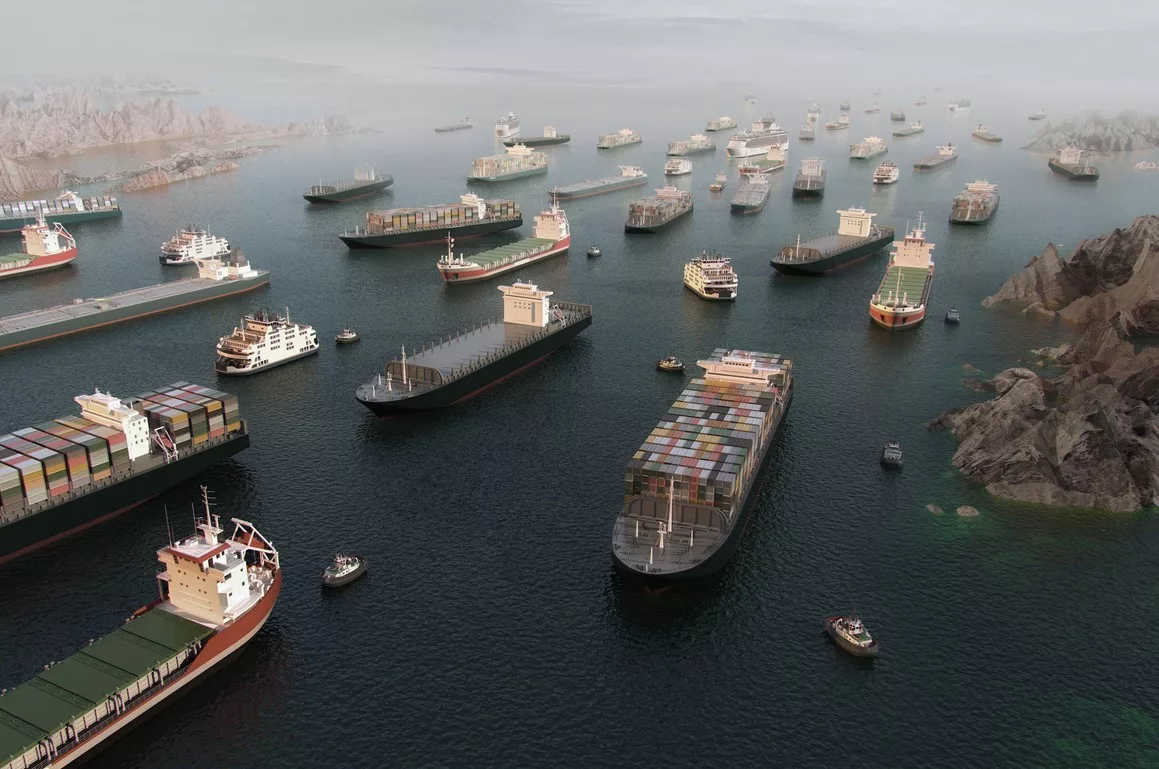
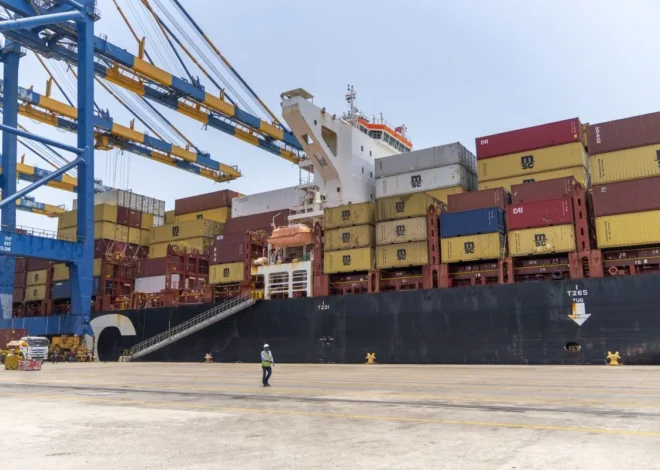
The events of April 19 sent shockwaves through the international community, transforming a simmering standoff into an overt military confrontation. Details emerging from the incident indicate that a U.S. naval task force, comprising destroyers and patrol craft, intercepted the Iranian-flagged cargo vessel, identified as the MV Persepolis, approximately 15 nautical miles off the coast, just outside Iran’s territorial waters but within the internationally recognized shipping lanes leading to the Strait. U.S. military sources, speaking on condition of anonymity, stated that the vessel was attempting to breach the U.S.-imposed blockade, which aims to restrict all maritime traffic to and from Iranian ports. The seizure involved warning shots and a boarding action by U.S. Navy SEALs, resulting in the vessel being diverted to an undisclosed location. Iranian state media vehemently condemned the action as an act of piracy and a grave violation of international law, demanding the immediate release of the ship and its crew. This incident immediately cast a pall over any lingering hopes for de-escalation, effectively closing the strait for civilian traffic due to heightened security risks and the palpable threat of further military engagement.
A Week of Mounting Tensions: A Chronology of Conflict
The current crisis is the culmination of a week-long period of escalating rhetoric and military posturing, tracing its origins back to the imposition of the U.S. blockade.
April 13: The Genesis of the Blockade
The U.S. blockade of Iranian ports commenced on April 13, unilaterally declared by Washington as a measure to enforce stricter sanctions against Tehran and compel it to cease what the U.S. described as "destabilizing activities" in the Middle East. While specific details of the initial implementation were sparse, satellite imagery and maritime tracking data quickly confirmed a substantial U.S. naval presence in the Gulf of Oman and the northern Arabian Sea, effectively creating a cordon around Iran’s access to international shipping lanes. The U.S. State Department issued advisories warning all commercial vessels against attempting to enter or exit Iranian ports, citing national security interests. Iran immediately denounced the blockade as an act of economic warfare and a violation of its sovereignty, vowing to challenge it through all available means.
April 17: Conflicting Narratives and Diplomatic Deadlock
The diplomatic landscape became increasingly muddled on April 17, as conflicting statements from senior U.S. and Iranian officials sowed confusion regarding the operational status of the Strait of Hormuz. Iranian Foreign Minister Abbas Araghchi declared via a social media post that the passage for commercial ships through the Strait was "completely open" on a coordinated route previously indicated by Iran. This announcement, coming amid whispers of potential back-channel negotiations, briefly offered a glimmer of hope for a diplomatic off-ramp.
However, less than 45 minutes later, President Donald Trump contradicted this assertion in a characteristic all-caps post on a social media platform. While initially acknowledging Araghchi’s statement that "The Strait of Hormuz is completely open and ready for business and full passage," Trump immediately qualified this by adding: "but the naval blockade will remain in full force and effect as it pertains to Iran, only, until such time as our transaction with Iran is 100% complete. This process should go very quickly in that most of the points are already negotiated." This ambiguous statement, simultaneously affirming openness while maintaining a blockade, underscored the deep chasm in understanding between Washington and Tehran over what "open" even meant in practical terms. For the U.S., "open" meant open for non-Iranian traffic, under U.S. supervision; for Iran, it implied unfettered access for all, including its own vessels. The ensuing confusion highlighted the fragility of any nascent peace efforts, with the promised imminent peace talks apparently collapsing in the wake of these irreconcilable positions.
April 19: The Seizure and its Fallout
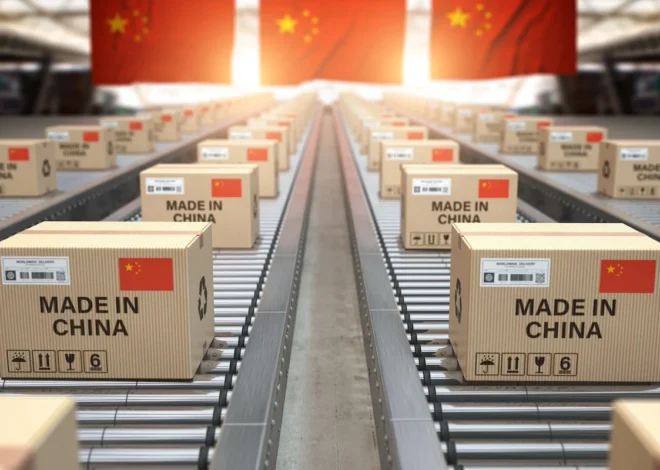
The theoretical debate over the Strait’s status transformed into a stark reality on April 19. The MV Persepolis, an Iranian-flagged container ship carrying what Iranian authorities claimed were essential consumer goods, attempted to traverse the designated shipping lane. U.S. military assets, operating under the mandate of the ongoing blockade, intercepted the vessel. The U.S. military justified its actions by citing the need to enforce the blockade and prevent illicit trade that could fund Iranian "malign activities." This act of military force, the first of its kind in this renewed period of tension, immediately elevated the crisis from an economic standoff to a direct military confrontation. Shipping insurers immediately designated the entire Persian Gulf as a "war risk zone," prompting a rapid withdrawal of commercial vessels from the area and a sharp increase in insurance premiums for any ships daring to transit.
April 20: Strait Closure and Diplomatic Collapse
In the immediate aftermath of the MV Persepolis seizure, the Strait of Hormuz effectively ceased to function as a reliable international waterway. Shipping companies, fearing similar incidents or retaliatory actions, rerouted vessels or held them at anchorages outside the Gulf, leading to significant delays and supply chain disruptions. The initial reports of cancelled peace talks were confirmed, with both sides blaming the other for sabotaging diplomatic efforts. The Iranian Foreign Ministry issued a strongly worded communiqué to the United Nations Security Council, condemning the U.S. action as an act of aggression and a violation of international maritime law, and calling for an emergency session. The U.S. State Department, in turn, reiterated its commitment to enforcing sanctions and protecting freedom of navigation for its allies, while maintaining that Iran’s "provocative actions" necessitated the blockade.
The Strategic Importance of the Strait of Hormuz
The Strait of Hormuz is arguably the world’s most critical oil chokepoint, a narrow waterway connecting the Persian Gulf to the Arabian Sea and the broader Indian Ocean. At its narrowest point, the strait is only 21 nautical miles (39 kilometers) wide, with the shipping lanes in each direction just two miles wide. Through this constricted passage, approximately one-fifth of the world’s total petroleum liquids consumption and about one-third of the world’s liquefied natural gas (LNG) transits daily. This equates to roughly 21 million barrels per day of crude oil and petroleum products, a figure that underscores its unparalleled global economic significance.
Major oil producers like Saudi Arabia, Iran, UAE, Kuwait, and Iraq rely on the Strait for their exports, as do Qatar for its massive LNG shipments. Any disruption, even a temporary one, sends immediate ripples through global energy markets, impacting crude oil prices, gasoline costs, and the stability of economies reliant on consistent energy supplies. Historically, tensions in the region, particularly involving Iran, have frequently centered on the Strait, with previous incidents involving mine-laying, tanker attacks, and naval confrontations. The potential for a sustained closure or even significant delays carries enormous geopolitical and economic weight, threatening global recessions and exacerbating existing supply chain fragilities.
Reactions from the Global Stage and Economic Sectors
The dramatic escalation has elicited varied and often concerned reactions from international actors and economic stakeholders.
U.S. and Iranian Official Stances
The U.S. administration, through statements from the Pentagon and State Department, has consistently framed its actions as necessary to enforce international sanctions and deter Iranian "aggression." A spokesperson for the U.S. Department of Defense stated that the seizure of the MV Persepolis was a "lawful interdiction of a vessel attempting to circumvent established international sanctions regimes," emphasizing the U.S. commitment to "freedom of navigation for legitimate commerce while preventing Iran from illicitly funding its destabilizing activities." Conversely, Iranian President Ebrahim Raisi, in a televised address, condemned the U.S. action as "maritime banditry" and a "declaration of economic and naval warfare," asserting Iran’s sovereign right to unhindered access to international waters and vowing "a firm and proportionate response" to any further acts of aggression.
International Bodies and Calls for De-escalation
The United Nations Secretary-General issued a statement expressing "deep concern" over the escalating tensions in the Strait of Hormuz and calling on all parties to "exercise maximum restraint, de-escalate the situation, and resolve their differences through peaceful dialogue." The International Maritime Organization (IMO) also released an urgent advisory, urging all commercial vessels to exercise extreme caution when transiting the region and advising adherence to established security protocols. The European Union, a significant importer of energy from the Middle East, called for an immediate return to diplomacy, with its High Representative for Foreign Affairs stating that "the Strait of Hormuz is a vital artery for global trade, and its disruption threatens not only regional stability but the entire global economy." There have been increasing calls for international mediation to prevent a full-blown military conflict.
The Shipping and Logistics Industry’s Concerns
The commercial shipping and logistics sectors are particularly vulnerable to such disruptions. Nishith Rastogi, CEO of logistics management software vendor Locus, initially offered a cautious optimism on April 17, stating, "The reopening of the Strait of Hormuz during a ceasefire is a positive signal and opens the doors for backlogged shipping routes having some respite." However, his subsequent comments highlighted the inherent caution of the industry: "Retailers are unlikely to rush in immediately. Many will take a cautious, wait-and-see approach, weighing the stability of the ceasefire against the risk of renewed disruption before fully committing inventory flows through the route." Following the April 19 seizure, this cautious optimism has evaporated entirely.
Rastogi had also noted that if corridors remained open, "we could see downward prices begin within a few weeks, particularly for fuel-linked goods. However, consumer price impacts may take longer as existing higher-cost inventory works its way through the system." Now, with the Strait effectively closed, the opposite is true. Shipping insurance premiums have skyrocketed, with war risk surcharges increasing by 300-400% in some cases, making transit prohibitively expensive for many carriers. Major shipping lines like Maersk and MSC have announced indefinite suspensions of services through the Strait, rerouting vessels around the Cape of Good Hope, adding weeks to transit times and significantly increasing fuel costs. The global supply chain, still recovering from recent disruptions, now faces another major shock, potentially leading to widespread product shortages and inflationary pressures.
Energy Market Volatility
The energy markets reacted instantly and dramatically to the news of the MV Persepolis seizure and the effective closure of the Strait. Brent crude futures, the international benchmark, surged by over 8% in early trading on April 20, breaking the $100 per barrel mark for the first time in over a year. Analysts at major financial institutions quickly adjusted their forecasts, with some predicting sustained high prices if the situation remains unresolved. The fear is not just about direct supply disruption but also the risk premium associated with the entire region. Energy security concerns are now front and center for major economies, particularly those heavily reliant on Middle Eastern oil and gas, such as China, India, Japan, and South Korea.
Broader Implications and the Path Forward
The current crisis in the Strait of Hormuz carries profound broader implications, threatening to destabilize an already volatile region and ripple through the global economy.
Geopolitical Ramifications
The direct military confrontation raises the specter of a wider regional conflict. Neighboring Gulf states, particularly Saudi Arabia and the UAE, which are U.S. allies, are expressing grave concerns about the security of their own oil exports and the potential for spillover violence. The collapse of peace talks suggests that the diplomatic channels are currently exhausted, leaving military confrontation as an increasingly plausible outcome. This could draw in other regional and international powers, further complicating an already intricate geopolitical landscape. The U.S. seizure also sets a dangerous precedent for the enforcement of unilateral blockades, potentially challenging established norms of international maritime law and freedom of navigation.
Economic Consequences
Beyond the immediate impact on oil prices and shipping costs, a prolonged closure of the Strait of Hormuz would have catastrophic economic consequences. Global inflation, already a concern in many economies, would likely accelerate as energy and transportation costs surge. Supply chains, already strained by various factors, would face unprecedented pressure, leading to shortages of goods ranging from consumer electronics to industrial components. Businesses would face increased operational costs, potentially leading to reduced profitability, layoffs, and a slowdown in global economic growth. The statement from President Trump regarding Iran removing "all sea mines," with U.S. help, presumably referring to mines placed in the Strait of Hormuz, adds another layer of complexity, hinting at potential clandestine operations or intelligence suggesting active threats to navigation, further justifying the U.S. military presence and actions. However, without independent verification, this remains a contentious claim.
Humanitarian Concerns
For Iran, the blockade and effective closure of the Strait exacerbate existing humanitarian challenges. While the U.S. maintains that sanctions target the Iranian regime, not its people, restrictions on commercial shipping inevitably affect the flow of essential goods, including food, medicine, and humanitarian aid. The inability of Iranian vessels to operate freely or for international vessels to access Iranian ports could lead to severe shortages and further distress for the Iranian population.
The path forward remains fraught with uncertainty. The immediate priority for the international community is de-escalation and the reopening of diplomatic channels. However, with the U.S. demonstrating a willingness to use military force to enforce its blockade and Iran vowing retaliation, the prospects for a swift resolution appear dim. The world watches with bated breath as the Strait of Hormuz, a narrow passage of water, once again becomes the epicenter of a geopolitical crisis with far-reaching global implications.


Related Posts

Delta Air Lines Adjusts Key Environmental Targets Amidst Slow Sustainable Fuel Progress
India’s Trade Deficit Narrows to $20.67 Billion in March Amidst Middle East Conflict Disruptions and Global Economic Headwinds