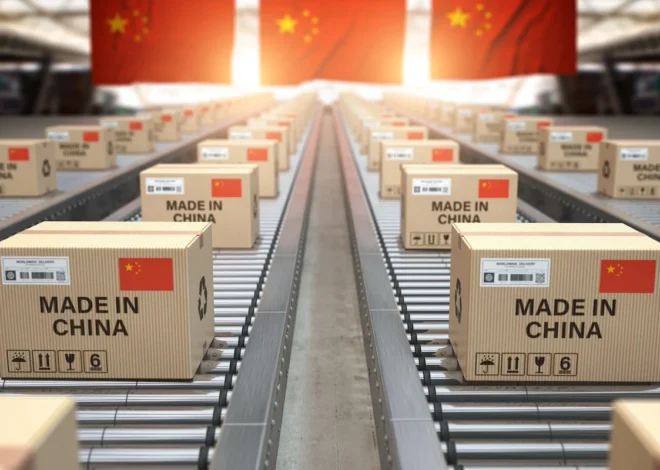

Navigating the Rigorous Terrain of FDA’s Foreign Supplier Verification Program Audits: A Deep Dive into Compliance and Consequences
Most importers operate with a perceived confidence in their Foreign Supplier Verification Program (FSVP) until the Food and Drug Administration (FDA) issues a notice of inspection. What frequently takes companies by surprise is not merely the arrival of an audit, but rather the sheer speed, surgical precision, and exhaustive thoroughness with which FDA investigators assess the program’s existence, its correct implementation, and its accurate reflection of complex supply chain risks. This scrutiny underscores a fundamental shift in food safety regulation, moving from a reactive stance to a proactive, preventative framework designed to safeguard the nation’s food supply, particularly in an increasingly globalized marketplace.
The Genesis of FSVP: A Proactive Approach to Global Food Safety
The Foreign Supplier Verification Program (FSVP) is a cornerstone regulation born from the landmark FDA Food Safety Modernization Act (FSMA), signed into law in 2011. Before FSMA, the FDA’s approach to food safety was largely reactive, responding to outbreaks and contamination incidents after they occurred. FSMA, and by extension FSVP, mandated a paradigm shift, placing the onus on food producers and importers to prevent contamination rather than simply reacting to it. The FSVP rule (21 CFR Part 1 Subpart L), finalized in 2015, specifically requires U.S. importers to perform risk-based activities to verify that the food they import has been produced in a manner that meets U.S. food safety standards, particularly concerning hazard analysis and risk-based preventive controls (HARPC) or other applicable safety measures.
The impetus behind FSVP is clear: approximately 15% of the U.S. food supply is imported, encompassing a vast array of products from fresh produce to processed foods. Ensuring the safety of these imported goods is a monumental task, and relying solely on border inspections is neither efficient nor effective. FSVP pushes accountability upstream, directly to the U.S. importer, making them responsible for ensuring their foreign suppliers meet American safety standards. This means that even if a foreign supplier has robust internal systems, the U.S. importer must demonstrate due diligence in verifying those systems.
Compliance dates for FSVP were staggered, beginning in May 2017 for larger businesses and extending to 2018 and beyond for smaller entities, allowing the industry time to adapt to these significant new requirements. This phased rollout, however, did not diminish the regulatory expectation for a fully robust and documented program from day one of an importer’s compliance obligation.
The Unforgiving Nature of FSVP Audits
FSVP audits are widely regarded among the most stringent reviews conducted by the FDA. They are meticulously designed to swiftly expose any vulnerabilities and hold the U.S. importer directly accountable, irrespective of how superficially strong a foreign supplier’s systems may appear. Many importers mistakenly believe they are adequately prepared, only to face a stark reality during the inspection. Unlike many other regulatory audits that may allow for extensive dialogue, clarification, or even real-time demonstrations of corrective actions, FSVP audits are fundamentally different.
Almost every conclusion the FDA reaches during an FSVP inspection hinges on a precise alignment between three critical elements:
- Your records of identified hazards associated with your specific products.
- The documented controls implemented by your foreign supplier to mitigate those identified hazards.
- The risk-based verification activities you, as the importer, have selected and executed to confirm the effectiveness of those controls.
If these three pillars do not align perfectly, investigators are quick to deem the entire program inadequate. It is a common revelation for importers during an audit to discover that their written FSVP procedures diverge significantly from the actual actions of their personnel – a discrepancy that frequently leads to enforcement actions. This disconnect highlights the crucial need for not just having a written program, but ensuring it is living, breathing, and accurately reflects operational realities.
The Audit Chronology: From Notification to Deficiency
The initiation of an FSVP audit can occur through several pathways. It may be part of routine FSMA surveillance, triggered by import entry reviews where anomalies are detected, launched in the wake of significant supplier incidents (such as recalls or foodborne illness outbreaks), or initiated in response to consumer complaints or broader outbreak investigations.
In most scenarios, companies receive minimal advance notice, often just a Form FDA-482, the standard "Notice of Inspection." From the precise moment this notification is received, the regulatory clock begins ticking. The window for last-minute preparations or significant overhauls is virtually non-existent.
The First Minutes: A Document-Centric Scrutiny
Once the investigator arrives, their initial request is immediate and focused: your complete written FSVP, comprehensive hazard analyses for all imported products, detailed foreign supplier evaluations and the rationale for their approval, records of all conducted verification activities, and evidence of any required reanalysis of your FSVP.
Crucially, unlike traditional facility inspections where FDA personnel might tour operations or observe production processes, an FSVP audit is almost exclusively a document-for-document evaluation. The physical premises of the importer are rarely relevant beyond providing a space for the review. This means the quality, completeness, consistency, and immediate retrievability of your documentation are paramount. If records are found to be incomplete, inconsistent, or not readily accessible, the investigator will promptly document these deficiencies, forming the basis for potential regulatory action.
Investigators typically concentrate on five pivotal areas, as these are considered the most revealing indicators of an FSVP’s robustness or, conversely, its fundamental flaws:
- Hazard Analysis: The thoroughness and accuracy of the identification of known or reasonably foreseeable hazards for each food imported. This includes biological, chemical (including radiological), and physical hazards.
- Foreign Supplier Evaluation and Approval: The process by which the importer evaluates foreign suppliers to ensure they meet U.S. safety standards and the justification for their approval.
- Verification Activities: The specific activities undertaken to verify that identified hazards are being adequately controlled by the foreign supplier, and the frequency of these activities.
- Corrective Actions: The documented procedures and records of actions taken when non-conformances or issues with a foreign supplier’s food safety controls are identified.
- Reanalysis of the FSVP: The process and records of periodically re-evaluating the FSVP to ensure it remains current and effective, especially after changes to products, suppliers, or regulatory requirements.
Where Importers Most Frequently Encounter Deficiencies
Experience has shown that certain mistakes are so pervasive that investigators have come to anticipate them. These consistent shortcomings often expose deeper systemic issues within an importer’s FSVP framework:
- Inadequate Hazard Analyses: This is perhaps the most fundamental and frequently cited deficiency. Importers often fail to conduct a thorough hazard analysis for each specific food product they import. This can manifest as generic hazard lists that don’t apply to the specific food, an incomplete assessment of biological (e.g., Salmonella, E. coli), chemical (e.g., allergens, pesticides, heavy metals), and physical hazards (e.g., glass, metal), or a lack of scientific justification for why certain hazards are deemed unlikely. If the hazard analysis is flawed, the entire foundation of the FSVP is compromised.
- Insufficient Foreign Supplier Approval Processes: Many importers struggle to demonstrate a robust, risk-based process for evaluating and approving their foreign suppliers. This might include a lack of documented procedures for supplier qualification, reliance on outdated or generic certificates without independent verification, or failure to consider a supplier’s food safety history or regulatory compliance record. The approval rationale must be clearly articulated and supported by objective evidence.
- Mismatched Verification Activities: A critical error occurs when the chosen verification activities do not logically align with the identified hazards or the foreign supplier’s controls. For instance, if a significant chemical hazard like a specific allergen is identified, but the verification activity is only a review of general sanitation records rather than specific allergen control documentation or testing, the program is deemed ineffective. The rigor and frequency of verification activities (e.g., onsite audits, sampling and testing, review of relevant food safety records) must be commensurate with the risk posed by the food and the supplier.
- Lack of Documentation for Corrective Actions: While issues are inevitable, the failure to document corrective actions when a foreign supplier fails to meet expectations is a common pitfall. This includes not only the action taken by the importer but also the follow-up to ensure the foreign supplier has effectively addressed the root cause of the non-conformance.
- Generic or Outdated FSVPs: An FSVP must be specific to each imported food and foreign supplier. Generic programs that are not tailored, or programs that have not been reanalyzed and updated following significant changes (e.g., a new supplier, a new product ingredient, a change in manufacturing process, or a new regulatory requirement), are frequently cited.
- Inconsistent Records and Implementation: This is the critical "written vs. actual" gap. If an importer’s written procedures state one thing, but employee interviews or documented actions reveal a different practice, the program is inherently weak and subject to criticism. This often points to a lack of proper training or internal communication.
A recurring theme is that if the foreign supplier’s controls do not logically and demonstrably align with the hazards identified in the importer’s analysis, the FDA views the entire FSVP as structurally weak and unable to adequately protect public health.
Consequences of Non-Compliance: When the FDA Finds a Deficiency
The FDA’s findings during an FSVP audit can range from informal investigator notes and verbal feedback to formal, public citations. These include:
- Verbal or Written Feedback: During the audit, investigators often provide informal feedback or preliminary observations.
- Form FDA-483 (Inspectional Observations): This is a formal document listing observed deficiencies. A 483 indicates that conditions or practices were found that may be objectionable.
- Warning Letters: If significant deficiencies are identified, particularly those that pose a potential public health risk or demonstrate a systemic lack of control, the FDA may issue a Warning Letter. These letters are publicly published and serve as a formal notice of non-compliance, requiring a prompt and detailed response from the importer. Failure to adequately address a Warning Letter can escalate to more severe actions.
- Import Alerts and Holds: For serious violations, the FDA can place imported products on "Import Alert," meaning future shipments from that foreign supplier or importer will be automatically detained without physical examination until the importer demonstrates compliance. This can lead to significant economic losses, reputational damage, and supply chain disruptions.
- Civil Penalties and Injunctions: In egregious cases, or for persistent non-compliance, the FDA has the authority to pursue civil penalties, injunctions, or even criminal prosecution, though these are rare for initial FSVP violations.
If a deficiency appears, the FDA expects prompt and effective corrective action. The importer must not only address the specific finding but also demonstrate that the root cause has been identified and mitigated to prevent recurrence.
The Indispensable Role of Training and Expertise
FSVP is a regulation built on interpretation, and accurate interpretation unequivocally requires specialized training. The most consistently cited deficiencies are invariably tied to fundamental misunderstandings of what the FDA considers a genuinely "risk-based verification" activity.
Companies that invest in formally trained FSVP personnel are significantly more likely to develop and maintain records that consistently meet FDA expectations. These trained individuals are better equipped to:
- Conduct Appropriate Hazard Evaluations: Understand the nuances of biological, chemical, and physical hazards and their specific relevance to different food products.
- Justify Supplier Approval Decisions: Develop and document robust processes for evaluating foreign suppliers, ensuring their food safety systems are adequate.
- Select and Implement Effective Verification Activities: Choose verification methods (e.g., onsite audits, product testing, review of supplier records) that are proportionate to the identified risks and truly confirm the effectiveness of supplier controls.
- Prepare and Execute Corrective Actions: Respond promptly and effectively to non-conformances, documenting root cause analysis and preventative measures.
- Maintain a Living Document: Understand the need for ongoing reanalysis and updates to the FSVP based on changing conditions or new information.
As Fabiola Negrón, director of food safety at Registrar Corp, aptly points out, "An FSVP audit goes beyond merely confirming the existence of your program. It delves into its accuracy, logic and implementation. If your team is uncertain about evaluating hazards, justifying supplier approval or selecting verification activities with FDA-level reasoning, formal FSVP training offers immediate alignment and clarity." This expert perspective underscores the critical need for continuous education and professional development in this complex regulatory area.
Broader Implications and the Future of Food Safety
The rigorous enforcement of FSVP has far-reaching implications, extending beyond individual importers to impact consumer safety, global trade dynamics, and the overall resilience of the food supply chain.
- Enhanced Consumer Safety: At its core, FSVP aims to prevent foodborne illnesses and protect public health. By placing responsibility on importers to verify foreign suppliers, the regulation adds a critical layer of preventative control, ultimately reducing the risk of contaminated food reaching consumers.
- Elevated Standards for Global Suppliers: The demand for FSVP compliance implicitly raises food safety standards globally. Foreign suppliers wishing to export to the U.S. must adopt and maintain robust food safety management systems, fostering a culture of safety across international borders.
- Economic Impact and Competitive Edge: For importers, investing in a robust FSVP is not just a regulatory burden but a strategic imperative. Non-compliance can lead to costly import holds, product recalls, fines, and irreparable damage to brand reputation. Conversely, a well-managed FSVP can be a competitive differentiator, signaling reliability and commitment to safety.
- Supply Chain Resilience: A thorough understanding of foreign supplier capabilities and controls, mandated by FSVP, contributes to greater supply chain transparency and resilience. Importers with robust FSVPs are better positioned to identify and mitigate risks proactively, minimizing disruptions from food safety incidents.
- Evolving Regulatory Landscape: The FDA continues to refine its enforcement strategies and leverage data analytics to target inspections more effectively. As supply chains become more complex and technology advances, the FDA may increasingly expect importers to adopt digital solutions for record-keeping, real-time monitoring, and enhanced traceability to support their FSVPs.
In conclusion, the FDA’s Foreign Supplier Verification Program is a critical yet challenging regulation that demands meticulous attention to detail, a deep understanding of food safety principles, and unwavering commitment to documentation and verification. The audits are unforgiving, designed to test the true robustness of an importer’s program. For businesses navigating the complexities of global food trade, the path to sustained compliance lies not in superficial adherence but in foundational strength: comprehensive hazard analyses, rigorous supplier evaluation, risk-based verification, proactive corrective actions, and, most critically, a highly trained and knowledgeable team. Only through such dedicated efforts can importers confidently meet FDA expectations and ensure the safety of the food reaching American tables.


Related Posts

Delta Air Lines Adjusts Key Environmental Targets Amidst Slow Sustainable Fuel Progress
India’s Trade Deficit Narrows to $20.67 Billion in March Amidst Middle East Conflict Disruptions and Global Economic Headwinds