
Fintech Innovations Drive Financial Inclusion and Digital Transformation Across Latin America and the Caribbean
This week’s Finovate Global spotlight illuminates significant advancements in financial technology across Guatemala, El Salvador, and Aruba, underscoring a regional drive towards greater financial inclusion, enhanced digital infrastructure, and modernized banking services. These developments highlight the increasing role of fintech in democratizing access to finance for underserved populations and equipping traditional institutions with cutting-edge capabilities.
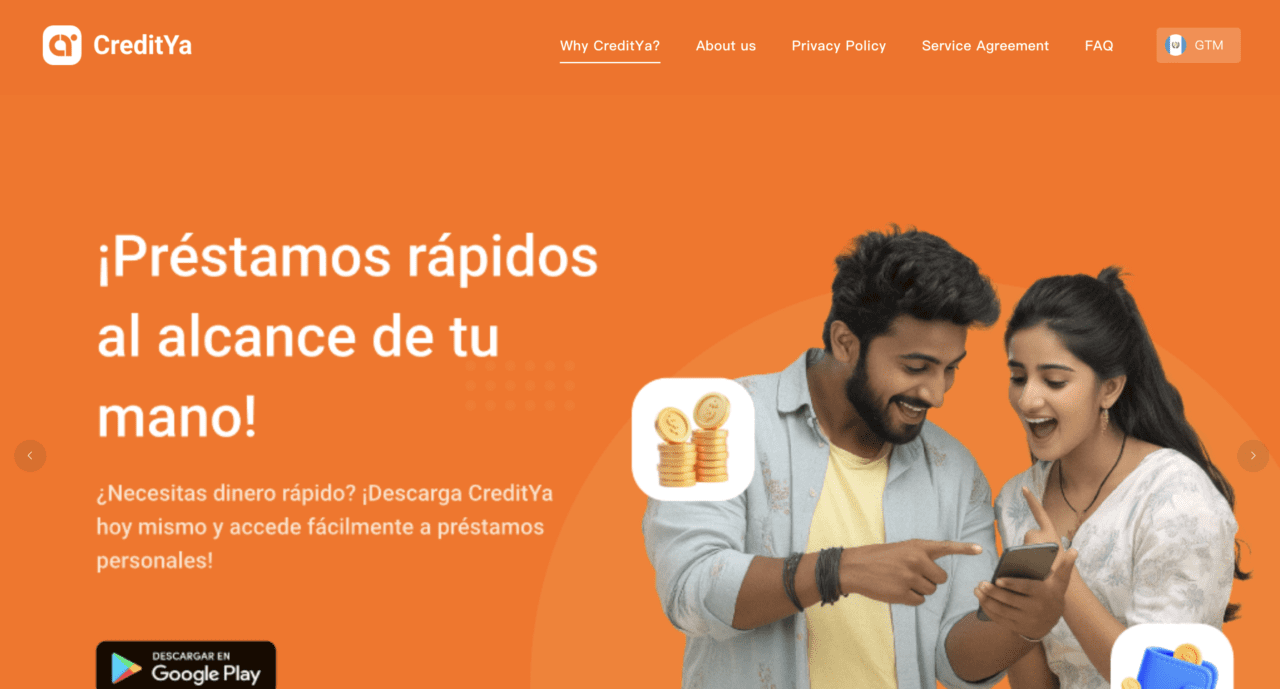
CreditYa’s AI-Powered Microcredit Platform Launches in Guatemala to Empower MSMEs
In a strategic move to address the persistent challenge of financial exclusion among micro, small, and medium-sized enterprises (MSMEs) and individuals in Central America, Colombia-based financial services company YUMIVI S.A.S has successfully launched its AI-powered credit assessment platform, CreditYa, in Guatemala. This expansion marks CreditYa’s inaugural venture beyond its home market of Colombia, signaling a broader ambition to empower entrepreneurial ecosystems across Latin America. The platform is specifically engineered to deliver small, rapid, accessible, and reliable financing solutions, critical for the agility and survival of small businesses and the financial well-being of individuals.
Guatemala, like many developing nations, grapples with a significant informal economy and limited access to formal credit for a large segment of its population. Traditional lending institutions often impose stringent collateral requirements, lengthy approval processes, and high interest rates, effectively sidelining countless hardworking individuals and nascent businesses. According to the World Bank, a substantial portion of the adult population in Guatemala remains unbanked or underbanked, severely limiting their ability to invest, grow, or manage unexpected financial needs. MSMEs are the backbone of the Guatemalan economy, contributing significantly to employment and GDP, yet they frequently face insurmountable barriers to accessing capital.
CreditYa, founded by Wingston Oswaldo González Reyes, seeks to bridge this critical gap through its innovative application of artificial intelligence and advanced data analytics. María Gabriela, CreditYa’s Regional Operations Lead, articulated the company’s vision, stating, "The launch in Guatemala is the first step in our long-term commitment toward making financial services more accessible to every hard-working Guatemalan with a digital footprint." This statement emphasizes the platform’s reliance on alternative data points, moving beyond conventional credit scoring models that often exclude individuals with limited banking history. By analyzing digital footprints – which can include mobile usage patterns, utility payment histories, and other non-traditional data – CreditYa aims to build a more inclusive and accurate credit risk profile.
Gabriela further elaborated on the platform’s operational efficiency and immediate impact: "In Guatemala, business opportunities are often fleeting. Whether it is purchasing materials in advance to meet a sudden surge in orders or repairing store equipment that fails unexpectedly, entrepreneurs need timely access to fast and flexible financial support—not an endless approval process. Our goal is to eliminate delays through technology. Users only need to download the app, complete identity verification, and authorize data access within minutes to receive a preliminary credit assessment and, in most cases, gain access to financial support within 24 hours." This rapid turnaround time is a game-changer for entrepreneurs who often face time-sensitive financial needs.

Beyond simply providing credit, CreditYa is committed to fostering sustainable financial growth. The company has forged strategic partnerships with local payment gateways and data processing providers to ensure full compliance with Guatemalan regulations, ensuring a secure and trustworthy environment for its users. Furthermore, CreditYa plans to collaborate with community organizations to offer financial education initiatives. These programs are vital for enhancing financial literacy, promoting responsible borrowing, and ultimately boosting long-term financial inclusion within the Guatemalan market.
"We are not just a financial app," Gabriela affirmed. "We aspire to be a trusted partner for users as they pursue a better life and grow their businesses." This holistic approach, combining technological innovation with community engagement, positions CreditYa as a significant player in the ongoing effort to democratize finance in Central America, potentially unlocking considerable economic growth by empowering a previously underserved segment of the population. The success of CreditYa in Guatemala could serve as a blueprint for similar expansions into other emerging markets facing comparable financial inclusion challenges.
Tether Unveils ‘tether.wallet’: The People’s Wallet for Broader Digital Asset Adoption
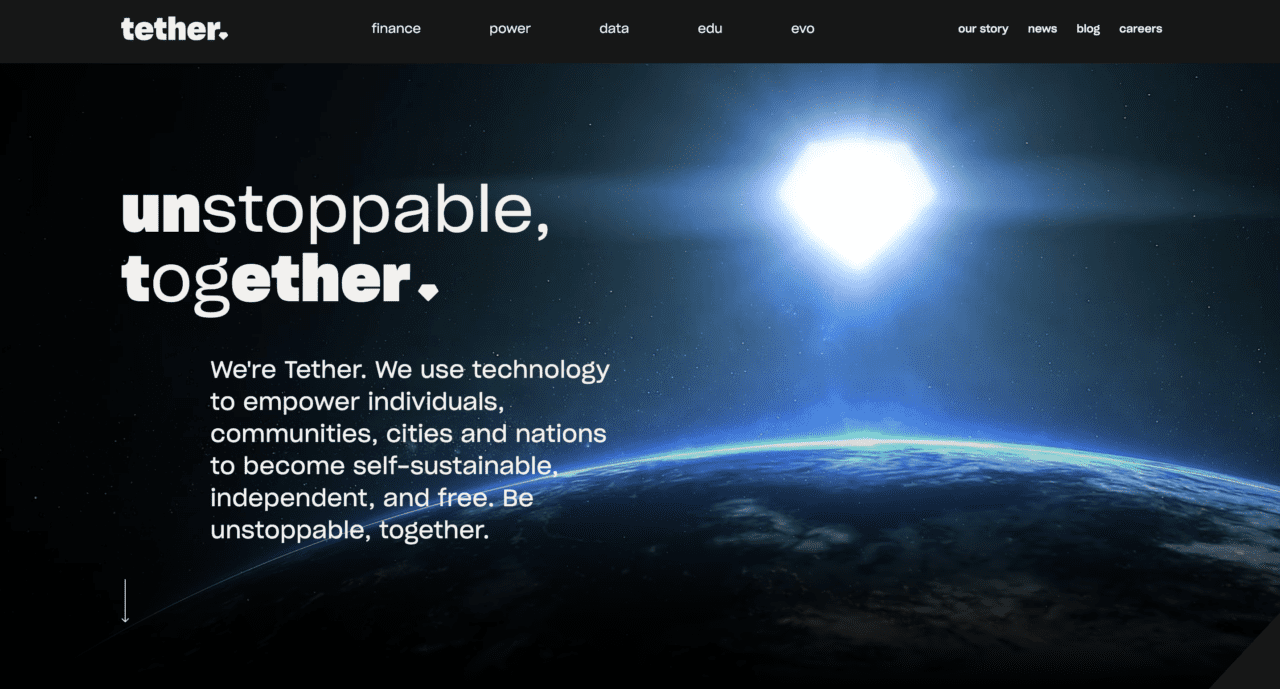
Tether, the digital asset company renowned as the issuer of USDT, the world’s largest stablecoin by market capitalization, has introduced tether.wallet, dubbed "the People’s Wallet." This new self-custodial digital wallet aims to directly extend Tether’s extensive global financial infrastructure to billions of users who have historically been underserved by the traditional financial system. The launch represents a significant strategic pivot for Tether, moving beyond its foundational role as an underlying layer of the digital economy to a direct-to-consumer platform.
Tether’s USDT stablecoin has become a cornerstone of the cryptocurrency market, acting as a crucial bridge between fiat currencies, particularly the US dollar, and the volatile world of cryptocurrencies. Its stability makes it invaluable for traders seeking to hedge against market fluctuations, for facilitating cross-border remittances, and for individuals in economies facing hyperinflation who seek a stable store of value. With over 570 million people already utilizing Tether’s technology indirectly through various exchanges and platforms, the launch of a dedicated, user-friendly wallet is designed to accelerate mainstream adoption by simplifying access.
Paolo Ardoino, CEO of Tether, emphasized the company’s achievements and future ambitions: "Tether has achieved, without any doubts, the widest financial inclusion success story in the history of humanity. With more than 570 million people already using Tether’s technology, the next step is making that digital infrastructure even more accessible and usable by the end users. The objective is to remove the complexity that has prevented broader adoption while preserving the properties that make the digital assets technology valuable." This statement underscores a core challenge in the crypto space: the often-intimidating technical hurdles that deter new users.
The tether.wallet is engineered to mitigate these complexities. It allows users to transact not only in digital dollars via USDT and USAT but also in gold through XAUT, and directly with Bitcoin. A key innovation is the ability to send funds using simple, human-readable identifiers such as [email protected] instead of long, error-prone hexadecimal wallet addresses. This feature significantly lowers the barrier to entry for individuals unfamiliar with blockchain addresses, making digital asset transactions as straightforward as sending an email.
Crucially, tether.wallet is a 100% self-custodial solution. This means users retain exclusive control over their private keys and recovery phrases, with all transactions signed locally on the user’s device before being broadcast to the network. While this empowers users with unparalleled autonomy and eliminates reliance on third-party custodians, it also places the full responsibility for security squarely on the user, requiring careful management of their digital assets. This self-custodial approach aligns with the core tenets of decentralization and financial sovereignty that underpin the cryptocurrency movement.
Ardoino articulated a bold vision for the wallet’s future role: "Tether.wallet is ‘the People’s Wallet’ because it truly reflects the natural evolution of Tether’s role, from building the foundation of the digital asset economy to making it directly usable by anyone, ready for a future in which tens of billions of humans, machines, and trillions of AI agents will transact seamlessly at the speed of light." This futuristic outlook positions Tether not just as a stablecoin issuer but as a fundamental infrastructure provider for a hyper-connected, digital-first global economy.
Tether’s strategic decision to establish its formal headquarters in El Salvador last year, securing a license under the country’s Digital Asset Issuance Law, further cements its commitment to fostering crypto adoption. El Salvador, under President Nayib Bukele, became the first nation to adopt Bitcoin as legal tender in September 2021, transforming itself into an emerging cryptocurrency hub. This move, which saw Tether shift its incorporation from the British Virgin Islands, provides the firm with its first physical headquarters in a jurisdiction actively embracing digital assets, offering a conducive regulatory environment for innovation and expansion. The tether.wallet is poised to leverage this favorable environment, potentially catalyzing broader digital asset adoption across Latin America and beyond, particularly for remittances, which are a vital economic lifeline for many families in the region.
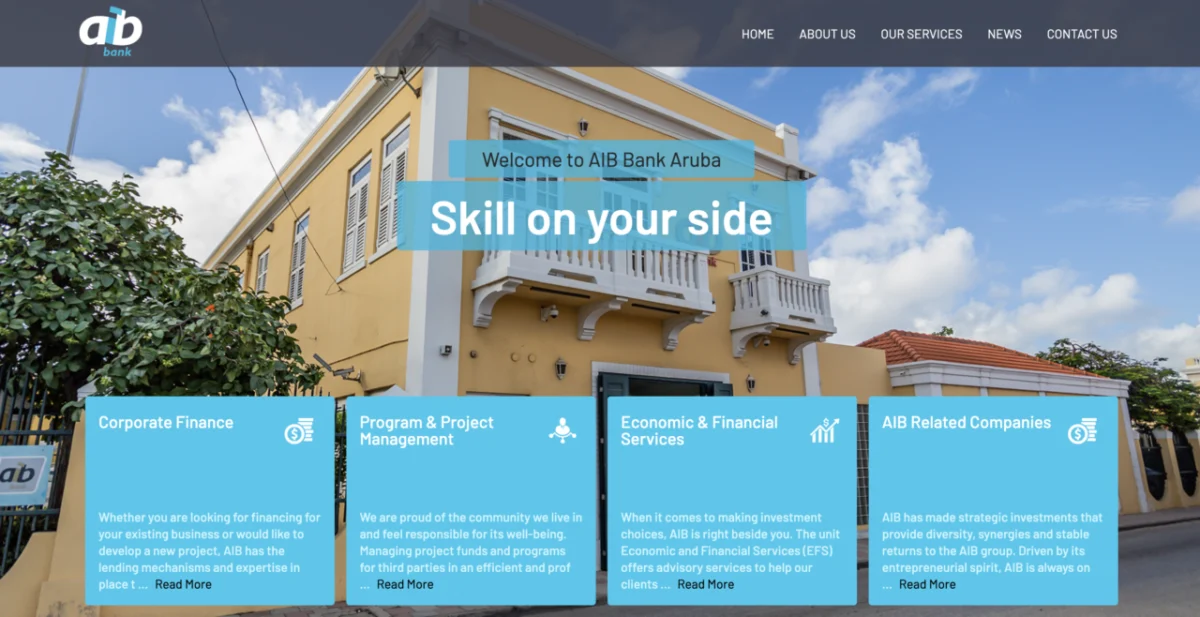
AIB Bank in Aruba Partners with Finastra for Pioneering Digital Banking Transformation
AIB Bank, a prominent financial institution based in Oranjestad, Aruba, with nearly $2 billion in assets, has embarked on an ambitious digital transformation journey through a strategic partnership with global financial software provider Finastra. The collaboration aims to deploy Finastra’s comprehensive Finastra Essence core banking solution, with the ultimate goal of establishing Aruba’s first fully digital bank. This initiative reflects a growing trend in the Caribbean region to modernize banking infrastructure and enhance customer experiences in line with global digital expectations.
The digital revolution has profoundly reshaped consumer expectations across all industries, including financial services. Customers now demand seamless, intuitive, and secure digital interactions, instant access to services, and personalized financial tools. For traditional banks, meeting these demands often necessitates a complete overhaul of legacy systems, which can be costly and complex. AIB Bank’s decision to embrace a modern core banking solution like Finastra Essence demonstrates a proactive approach to remaining competitive and relevant in an evolving financial landscape.
Finastra Essence is designed to deliver an enhanced core banking solution that integrates broad and deep digital banking functionalities with advanced technology. This empowers banks to offer customers faster transactions, greater reliability and security, and the kind of modern, personalized digital experiences that have become standard in leading financial markets. The solution is known for its agility, scalability, and ability to support a wide range of retail and corporate banking operations, including account management, payments, lending, and customer relationship management (CRM).
Frendsel Giel, Managing Director of AIB Bank, articulated the strategic significance of this partnership: "Choosing Finastra Essence allows us to position ourselves at the forefront of full-service digital banking innovation in Aruba and across the Caribbean. This transformation of our recently acquired commercial bank will not only enhance the way we serve our customers but also establish a solid foundation for accelerated growth and long-term success in Aruba and the region." This statement highlights AIB Bank’s vision to not only modernize its operations but also to set a new benchmark for digital banking services within the broader Caribbean market.
Founded in 1987, AIB Bank is a privately owned institution specializing in loan syndication, agency services, corporate lending, program and project management, and advisory services. The bank has a proven track record of structuring large and complex financing deals across Aruba and the wider region. Its move towards a fully digital model will likely streamline these operations, enhance risk management capabilities through improved data analytics, and potentially open new avenues for growth by attracting a digitally native customer base.
Finastra, formed in 2017 through the merger of D+H Corporation and Finovate alum Misys, is a global leader in financial software. Headquartered in the UK, the company boasts an impressive client roster, serving over 7,000 customers worldwide, including 80% of the top 50 global banks. Finastra’s technology facilitates an astounding $7 trillion in transactions every day, underscoring its critical role in the global financial infrastructure. Chris Walters, Finastra’s CEO, leads the company’s mission to provide secure, trusted, and mission-critical financial services technology that enables banks and financial institutions to innovate and thrive.
The partnership between AIB Bank and Finastra represents more than just a technology upgrade; it signifies a strategic commitment to shaping the future of banking in Aruba. By becoming the first fully digital bank in the country, AIB Bank aims to gain a significant competitive advantage, attract a new generation of digitally-savvy customers, and enhance operational efficiencies. This initiative is expected to drive greater financial accessibility and convenience for Aruban residents and businesses, potentially spurring further digital transformation across the Caribbean financial sector. The success of this endeavor could serve as a model for other regional banks looking to modernize their offerings and embrace the digital-first paradigm.
These developments in Guatemala, El Salvador, and Aruba collectively illustrate the dynamic and transformative power of fintech across diverse financial landscapes. From democratizing credit access for MSMEs to simplifying digital asset management and pioneering fully digital banking, innovation continues to redefine how individuals and businesses engage with financial services, fostering greater inclusion and efficiency across the globe.
Related posts:




Related Posts

Synctera Acquires Cable to Cement Leadership in BaaS Compliance, Ushering in a New Era of Continuous, Verifiable Financial Risk Management.

FinovateSpring 2026 Spotlights Innovations Modernizing Governance, Risk, and Compliance for Financial Institutions.