Ecommerce Innovation Pulse: New Tools for B2B Markets, Agentic Marketing, and AI-Driven Global Trade
The global ecommerce landscape is currently undergoing a rapid transformation characterized by the convergence of generative artificial intelligence, agentic workflows, and the continued digitalization of B2B secondary markets. This week, a series of product launches and strategic partnerships from industry leaders and emerging startups have signaled a shift toward "agentic commerce"—a model where AI agents do more than provide information; they execute complex tasks across multiple platforms on behalf of both merchants and consumers. From the launch of the OS Group’s B2B marketplace for fashion to Visa’s new Intelligent Commerce Connect, the latest developments reflect an industry-wide push to reduce friction in cross-channel marketing, logistics, and payment processing.
The Rise of Agentic Marketing and Shoppable Media
One of the most significant trends highlighted this week is the emergence of "agentic" tools. Unlike traditional automation, which follows rigid rules, agentic AI can reason, plan, and interact with external systems to achieve a specific goal. Ampd has positioned itself at the forefront of this movement with the launch of its agentic shoppable media tool. By creating a single link that serves multiple major retailers like Amazon, Walmart, and Target, Ampd allows brands to maintain gross-merchandise allocations while ensuring consumers land in their preferred shopping ecosystem, fully logged in and ready to complete a purchase. This eliminates the "multi-click" friction that historically plagued social-to-commerce transitions.

Simultaneously, Airship and Clarvos have introduced platforms that bring agentic capabilities to campaign management. Airship’s expansion of its AI Agent Fleet includes a "Journeys AI Agent," which assists enterprises in refining multichannel customer experiences through natural language prompts. For small and medium-sized businesses (SMBs), Clarvos has launched a workflow platform that coordinates strategy and creative generation across Google, Meta, and TikTok. By using AI to simulate customer responses before a campaign goes live, Clarvos allows smaller players to compete with the sophisticated data modeling usually reserved for large agencies.
Digitalizing the Secondary and B2B Markets
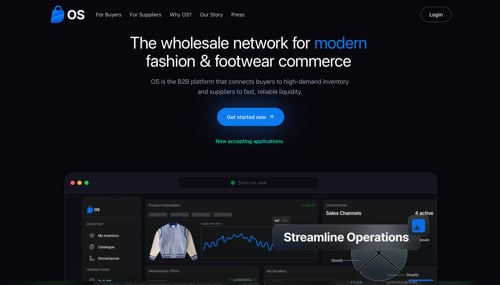
The B2B sector continues to adopt the user experience standards of B2C ecommerce, particularly in the secondary consumer markets. OS Group, a wholesale network specializing in fashion and footwear, has launched a proprietary B2B marketplace. This platform addresses a critical gap in the "hype" economy—the immediate wholesale purchase and fulfillment of high-demand sneakers and streetwear from brands like Nike and Adidas. By providing qualified retailers with a centralized, transparent sourcing hub, OS Group is formalizing a secondary market that was previously fragmented and reliant on manual negotiation.
On a global scale, DropsyneX has debuted a B2B cross-border system that integrates live commerce with international logistics. The platform’s use of AI-powered virtual livestreaming is particularly notable. In the current market, livestreaming is a labor-intensive endeavor requiring presenters, camera crews, and real-time moderators. DropsyneX’s automated promotion tools aim to reduce this operational dependency, allowing brands to maintain a 24/7 presence in the growing "social commerce" space without the associated overhead costs.
AI-Powered Operational Efficiency and Product Management
As catalogs grow across multiple channels, the burden of data management has become a primary bottleneck for merchants. Selro has addressed this by launching an AI-powered product description generator. This tool enables sellers to transform raw data, snippets, or images into optimized titles and summaries across massive inventories. This move mirrors a broader industry trend where generative AI is being used to solve the "blank page" problem in digital merchandising.
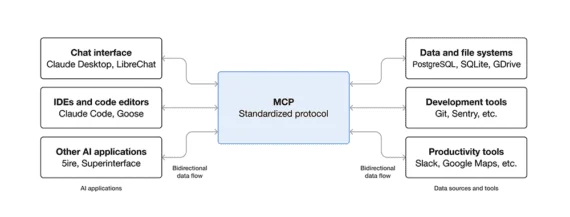
Furthermore, Zendrop has introduced a Model Context Protocol (MCP) server. This technical milestone allows AI assistants like Claude, ChatGPT, and Gemini to access a merchant’s live store data securely. By utilizing the MCP standard, merchants can essentially "talk" to their store, asking their preferred AI to browse catalogs or manage orders based on granular permissions. This represents a move away from closed, proprietary dashboards toward an open ecosystem where the merchant’s data is portable and accessible to the next generation of AI tools.
Strategic Partnerships and Global Expansion
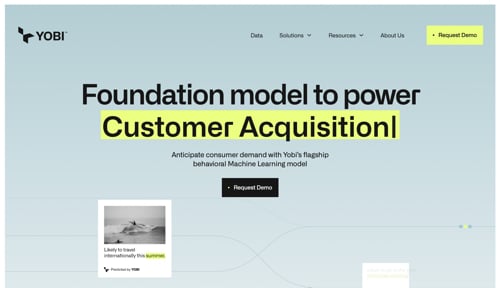
The week also saw major infrastructure players aligning to provide predictive intelligence and dynamic pricing. Yobi has partnered with Microsoft to host its behavioral AI models on the Azure platform. This collaboration allows enterprises to access ethically sourced, consented consumer data—including purchase history and store visits—to build predictive models. As privacy regulations like the GDPR and CCPA make third-party cookies less reliable, the ability to model consumer intent using first-party and consented datasets has become a competitive necessity.

In Europe, Joybuy (the international retail arm of JD.com) has adopted the Competera pricing platform to manage its expansion. The European market is notoriously complex due to varying tax regimes, consumer protection laws, and intense competition. By implementing Competera’s real-time tracking, Joybuy’s teams receive market insights every morning, allowing them to adjust pricing before peak shopping hours. This level of dynamic pricing is essential for maintaining margins in the high-volume, low-margin world of general merchandise.
Payments and the Creator Economy
The intersection of design and commerce was further bridged by PayPal’s extension of payment links to Canva creators. This integration allows designers to turn any digital or printed asset into a checkout point. Whether it is a QR code on a flyer or a link in a social media bio, the ability to accept PayPal, Venmo, and "Pay Later" options directly through a design tool empowers the creator economy. It reduces the technical barrier for artists and small entrepreneurs who may not have a full-scale ecommerce website but need professional-grade payment processing.
In the realm of debt and collections, Blytz has launched a platform focused on "text-first" payments. By using AI-driven voice and text outreach, Blytz aims to improve on-time payment rates for businesses. Additionally, the introduction of BlytzCash, which allows customers to pay in cash at a network of physical retailers, acknowledges the continued importance of "phygital" (physical-digital) workflows in underserved or cash-heavy markets.
Chronology of Recent Ecommerce Innovations
The following timeline illustrates the rapid succession of these releases over the past week:
- April 7: Clarvos announces its agentic workflow platform for SMBs to streamline Google and Meta campaigns.
- April 9: Yobi and Microsoft finalize their partnership for predictive behavioral intelligence on Azure.
- April 9: Katana introduces its unified platform for multi-channel brands, featuring native Amazon FBA integration.
- April 11: Selro launches its AI product description generator to automate large-scale listings.
- April 13: OS Group goes live with its B2B marketplace for the secondary fashion and footwear market.
- Mid-Week: Visa unveils Intelligent Commerce Connect, providing the infrastructure for AI agents to process payments across multiple card networks.
Supporting Data and Market Context
The influx of these tools comes at a time when global ecommerce sales are expected to surpass $6.3 trillion in 2024. According to industry data, B2B ecommerce is growing even faster than the B2C segment, with projections suggesting it will reach $36 trillion by 2031. The focus on "agentic" tools is a direct response to the increasing complexity of this growth; a typical merchant now sells across an average of five different channels, making manual management nearly impossible.
Research into AI adoption shows that 72% of retail leaders are currently prioritizing AI for operational efficiency. The releases from Yuma AI (conversational support) and Zendrop (MCP server) align with this data, showing a shift from using AI for "creative" tasks to using it for "utility" tasks—managing tickets, syncing inventory, and updating databases.

Impact and Implications for Merchants
The broader implication of this week’s news is the democratization of high-level technology. Tools that were once the exclusive domain of enterprise-level companies—such as predictive behavioral modeling, dynamic pricing, and automated livestreaming—are now being packaged for SMBs. However, this also introduces new challenges. Merchants must now navigate an increasingly crowded "tech stack," where the integration of various AI agents becomes a task in itself.
The move toward "agentic commerce" also raises questions about consumer trust and data ethics. Yobi’s emphasis on "consented" data and Zendrop’s "granular permissions" system suggest that the industry is aware of the potential for overreach. For merchants, the successful adoption of these tools will likely depend on their ability to balance automation with human oversight, ensuring that AI-driven campaigns and support interactions remain aligned with their brand voice.
As the second quarter of 2026 progresses, the focus is expected to shift from the launch of these AI tools to their interoperability. With Visa providing the payment rails for agents and Zendrop providing the data protocol for assistants, the foundation is being laid for an autonomous commerce ecosystem where the human merchant acts more as a director of agents than a manual operator of software.

Related Posts
The Evolution of Digital Content Strategy in the Era of Generative Artificial Intelligence and Algorithmic Volatility

Strategic Optimization and the Data-Driven Future of Ecommerce Conversion Design