Expected Surge in Capacitor Pricing Threatens Electronics Supply Chains as AI Demand Soars
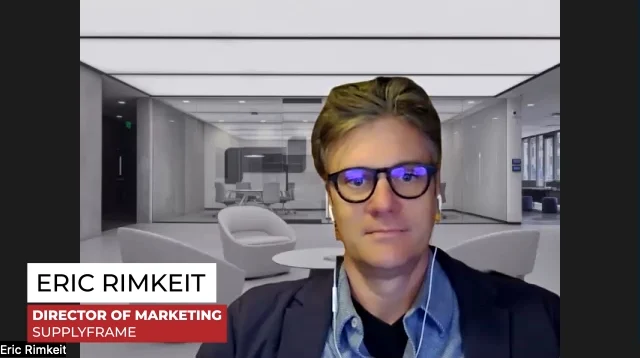
The electronics industry is bracing for a significant shift in component pricing, with capacitors – traditionally considered ubiquitous, low-cost "popcorn parts" – projected to experience a notable price spike. Eric Rimkeit, Director of Marketing at Supplyframe, a leading provider of supply chain intelligence, has detailed the reasons behind this anticipated increase and its far-reaching implications for global electronics supply chains. A new report from Supplyframe indicates that demand for capacitors is set to climb by 14% quarter-over-quarter in Q2 of the current year, primarily driven by the insatiable appetite of the burgeoning artificial intelligence (AI) sector, particularly the construction of new data centers. This surge in demand, coupled with existing supply chain dynamics, means that consumers and businesses alike can expect to pay more for a wide array of electronic products as manufacturers pass on increased component costs.
The Unsung Heroes of Electronics: Capacitors Explained
Capacitors are fundamental components in virtually every electronic device, performing critical functions such as power stabilization, energy storage, timing, and noise filtering. These tiny devices, often costing just a few cents apiece, are indispensable for ensuring the smooth and reliable operation of electronic circuits. They act like miniature rechargeable batteries, storing electrical energy and releasing it when needed, smoothing out voltage fluctuations that could otherwise damage sensitive components or disrupt performance. For instance, in a power supply, capacitors filter out ripples and spikes, providing a clean, steady voltage to microprocessors and other integrated circuits. In signal processing, they can block DC current while allowing AC signals to pass, crucial for audio and radio frequency applications.
Despite their low individual cost and often overlooked status, the absence or malfunction of a single capacitor can render an entire sophisticated system inoperable. Rimkeit draws a parallel to the proverbial "golden screw" – a seemingly insignificant component whose absence can halt an entire automotive production line. In the context of electronics, a missing or inadequate capacitor can lead to system instability, data corruption, or complete failure, underscoring their critical, albeit often silent, role in modern technology. There are various types of capacitors, including ceramic, electrolytic (aluminum, tantalum), and film capacitors, each suited for different applications based on factors like capacitance range, voltage rating, frequency response, and physical size. The specific types most impacted by current trends are often those with high capacitance density, low equivalent series resistance (ESR), and high reliability, crucial for demanding power delivery networks.
The AI Revolution: A New Demand Paradigm
The primary catalyst for the impending capacitor price surge is the explosive growth of artificial intelligence, particularly the infrastructure supporting it. The development and deployment of advanced AI models require massive computational power, necessitating the construction of vast, energy-intensive data centers. These AI data centers are fundamentally different from traditional server farms, characterized by their dense arrays of high-performance graphics processing units (GPUs) and specialized AI accelerators. These powerful chips consume enormous amounts of power and generate significant heat, demanding extremely robust and stable power delivery networks (PDNs).
Capacitors are at the heart of these PDNs, providing instantaneous bursts of current, filtering out noise, and stabilizing voltage rails to ensure the uninterrupted and efficient operation of these high-performance processors. The sheer number of capacitors required per server rack, combined with the stringent performance requirements (e.g., high capacitance in a small footprint, low ESR for minimal power loss, and high reliability for continuous operation), is creating unprecedented demand for specific types of capacitors. The rapid expansion of AI research, machine learning applications, and large language models is fueling a continuous build-out of this specialized infrastructure, placing immense pressure on the supply of these critical components.
Beyond AI data centers, other high-growth and critical sectors are also contributing to the increased demand and are consequently affected by the shifts in price and availability. These include:
- Aerospace and Defense: This sector requires components with extreme reliability, durability, and performance under harsh conditions. The ongoing modernization of defense systems, development of advanced avionics, and space exploration initiatives necessitate a steady supply of high-grade capacitors that can withstand temperature extremes, radiation, and vibration. Increased global defense spending further exacerbates demand.
- Medical Products: Precision, safety, and miniaturization are paramount in medical devices, from diagnostic equipment to implantable devices. Capacitors in these applications must meet rigorous standards for reliability and long-term stability, making them a premium component. The aging global population and advancements in medical technology continue to drive innovation and demand in this field.
- Industrial "Edge" AI: The integration of AI capabilities directly into industrial machinery and IoT devices at the "edge" of networks – within factory walls, smart cities, and autonomous systems – is another significant driver. These embedded AI systems require rugged, reliable, and often compact capacitors to function effectively in challenging industrial environments, performing real-time data processing and control.
A Rollercoaster Ride: Capacitor Pricing Trends
The projected price increase for capacitors represents a significant turnaround from recent market conditions. Over the past year, capacitor pricing has actually fallen by an average of 31%, according to Rimkeit. This decline was a direct consequence of market dynamics shaped by the COVID-19 pandemic.
- Pre-COVID Stability: Before the pandemic, the capacitor market generally experienced stable pricing with gradual technological improvements leading to cost efficiencies for many standard types.
- COVID-19 Boom and Bust (2020-2023): The initial phase of the pandemic saw supply chain disruptions, but soon after, a massive surge in demand for electronics for remote work, education, and entertainment led manufacturers to ramp up production significantly. Fear of shortages also prompted many companies to build excessive inventories. This resulted in an oversupply of certain generic capacitor types and design-ins that were built up during the pandemic-induced electronics boom. As the initial surge in consumer demand for basic electronics began to wane in late 2022 and 2023, coupled with improved manufacturing output, the market became saturated with these parts. This inventory glut, combined with a broader economic slowdown in some sectors, led to the substantial price correction observed in the last year.
- The Current Rebound (Q2 2024 onwards): The current forecast, however, points to a new upward trajectory, specifically for the high-performance, specialized capacitors required by AI data centers and other advanced applications. While there might still be an oversupply of generic, lower-spec capacitors, the specific types of components critical for AI infrastructure are in high demand and limited supply. This divergence means that the overall market trend for all capacitors may not uniformly reflect the AI-driven spike, but the crucial components for cutting-edge technology will see significant increases.
Supply Chain Vulnerabilities and Geopolitical Shifts
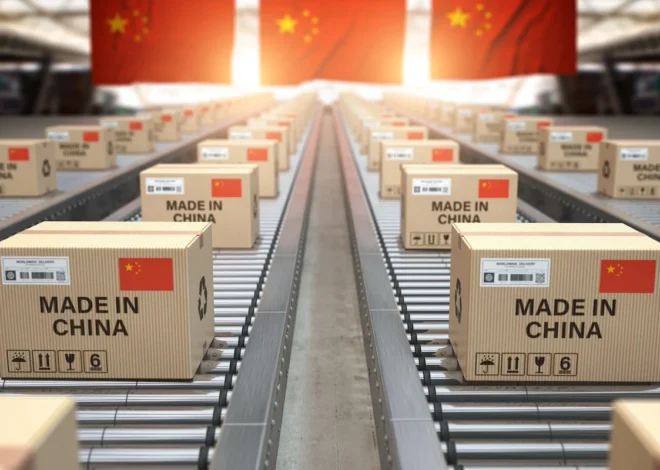
The capacitor manufacturing landscape presents its own set of challenges, contributing to the current and future pricing instability. Rimkeit notes that while capacitor manufacturers have actively sought to diversify their supply chains by moving operations away from China, they continue to concentrate supply with a limited number of producers globally.
- Diversification Efforts: The push to diversify manufacturing locations is a strategic response to several factors:
- Geopolitical Tensions: Ongoing trade disputes and geopolitical uncertainties between the U.S. and China have highlighted the risks of over-reliance on a single region for critical components.
- Supply Chain Resilience: Lessons learned from the pandemic, where factory shutdowns and logistical bottlenecks in specific regions caused global shortages, have spurred efforts to build more resilient, geographically diversified supply networks.
- National Security Concerns: Many governments are increasingly viewing the electronics supply chain as a matter of national security, encouraging domestic or allied-nation production of essential components.
- Continued Concentration: Despite these diversification efforts, the capacitor market remains highly concentrated. The manufacturing of advanced, high-performance capacitors requires significant capital investment, specialized equipment, highly skilled labor, and proprietary processes. This creates high barriers to entry, limiting the number of global players capable of producing these components at scale. Key players in the global capacitor market include Murata Manufacturing, TDK Corporation, Kyocera Corporation (AVX/KEMET), Samsung Electro-Mechanics, Vishay Intertechnology, and Taiyo Yuden. Their dominance means that any disruptions to their operations or a sudden surge in demand can have outsized impacts on the global supply. This concentration also limits buyers’ leverage and increases the risk of single-point failures within the global supply chain.
Broader Economic Implications and Industry Reactions
The projected increase in capacitor pricing carries significant implications across the electronics ecosystem:
- For Electronics Manufacturers (OEMs): Companies producing everything from servers and networking equipment to medical devices and industrial machinery will face increased Bill of Materials (BOM) costs. This will directly impact their profit margins unless they can successfully pass these costs onto their customers. OEMs may also face longer lead times for critical components, potentially delaying product launches and impacting production schedules. In response, manufacturers are likely to intensify efforts in strategic sourcing, exploring dual-sourcing strategies, entering into long-term supply agreements, and potentially redesigning products to optimize capacitor usage or accommodate alternative components where feasible. Industry analysts suggest that major OEMs are already evaluating the impact on their product costs and exploring mitigation strategies to ensure supply continuity.
- For Consumers: Ultimately, the higher costs will trickle down to end-users. This could manifest as higher prices for new AI-enabled devices, such as next-generation smartphones, high-performance PCs, and advanced consumer electronics that leverage AI capabilities. The cost of enterprise-level AI infrastructure, cloud services, and specialized equipment for aerospace, medical, and industrial applications will also rise, potentially affecting the broader economy through increased operational costs for businesses relying on these technologies.
- For Governments and Policy Makers: The situation further highlights the strategic importance of a secure and resilient semiconductor and component supply chain. Governments may respond by increasing incentives for domestic manufacturing, fostering research and development in advanced materials and component technologies, and engaging in international collaborations to diversify and strengthen global supply networks. Initiatives aimed at boosting local chip production, such as the CHIPS Acts in the U.S. and Europe, could expand their scope to include other critical components like capacitors.
Mitigation Strategies and Future Outlook
While the immediate outlook points to higher prices for specific capacitor types, the industry is not without strategies to navigate these challenges. Manufacturers will need to prioritize robust supply chain management, including detailed demand forecasting, strategic inventory management, and strengthening relationships with key suppliers. Design engineers may explore more efficient power delivery architectures that reduce the overall number of capacitors required or consider integrated power modules that bundle multiple functions.
Looking further ahead, the long-term market dynamics will depend on several factors:
- Capacity Expansion: Capacitor manufacturers will likely invest in expanding production capacity for the in-demand, high-performance types. However, this process is capital-intensive and time-consuming, meaning relief may not be immediate.
- Technological Innovation: Continued innovation in materials science and manufacturing processes could lead to smaller, more efficient, and potentially lower-cost capacitors in the future.
- AI Growth Trajectory: The relentless growth of AI and its infrastructure will continue to be a dominant factor. As AI applications become more widespread, the demand for underlying hardware, including capacitors, will likely remain elevated.
In conclusion, the humble capacitor, long considered a commodity, is poised to become a critical bottleneck and a significant cost driver in the electronics industry. The AI revolution, while driving unprecedented technological advancements, is simultaneously exposing and exacerbating vulnerabilities in the global supply chain, forcing a re-evaluation of how even the smallest components shape the future of technology and its accessibility. The industry’s ability to adapt to these shifts will be crucial in sustaining the pace of innovation and ensuring the continued availability of essential electronic products worldwide.


Related Posts

Delta Air Lines Adjusts Key Environmental Targets Amidst Slow Sustainable Fuel Progress
India’s Trade Deficit Narrows to $20.67 Billion in March Amidst Middle East Conflict Disruptions and Global Economic Headwinds