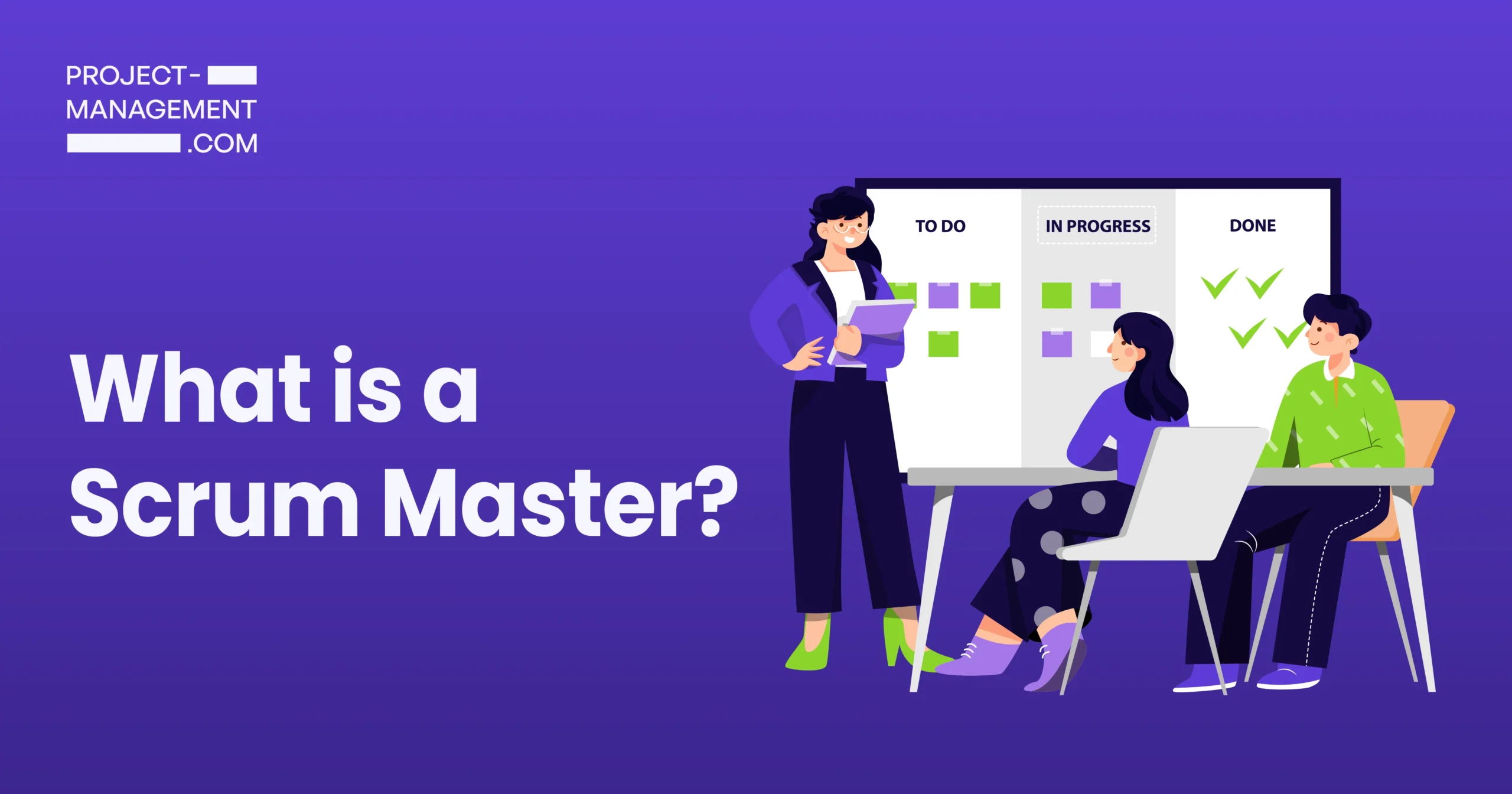
Understanding the Scrum Master Role: A Comprehensive Guide to Responsibilities, Skills, and Career Pathways
In the dynamic landscape of modern project management, where agility and rapid adaptation are paramount, the role of a Scrum Master has emerged as a cornerstone for successful team delivery and organizational transformation. A Scrum Master serves as a dedicated facilitator for teams navigating the Scrum framework, an Agile methodology designed to guide groups in delivering complex work in short, time-boxed cycles known as sprints. This specialized leadership position demands a unique blend of exceptional communication prowess, deep process expertise, and an unwavering commitment to fostering continuous improvement and team autonomy.
Central to the Scrum Master’s function is the meticulous facilitation of key Scrum ceremonies, including sprint planning, daily stand-ups, sprint reviews, and retrospectives. These structured events are critical mechanisms that ensure work remains organized, transparent, and consistently aligned with evolving project goals. For individuals contemplating a career in Agile environments or those seeking a deeper comprehension of this pivotal role, this comprehensive guide delves into the essence of what a Scrum Master is, elucidating their core responsibilities, the essential skills required for success, and the necessary qualifications to thrive in this demanding yet rewarding profession.
The Evolution of Agile and the Emergence of the Scrum Master
To fully appreciate the Scrum Master’s significance, it is essential to understand the historical context of Agile methodologies. The traditional "waterfall" approach to project management, characterized by sequential phases, often struggled with adapting to change, particularly in fast-evolving sectors like software development. This rigid structure frequently led to delays, budget overruns, and products that no longer met market needs by the time of their release.
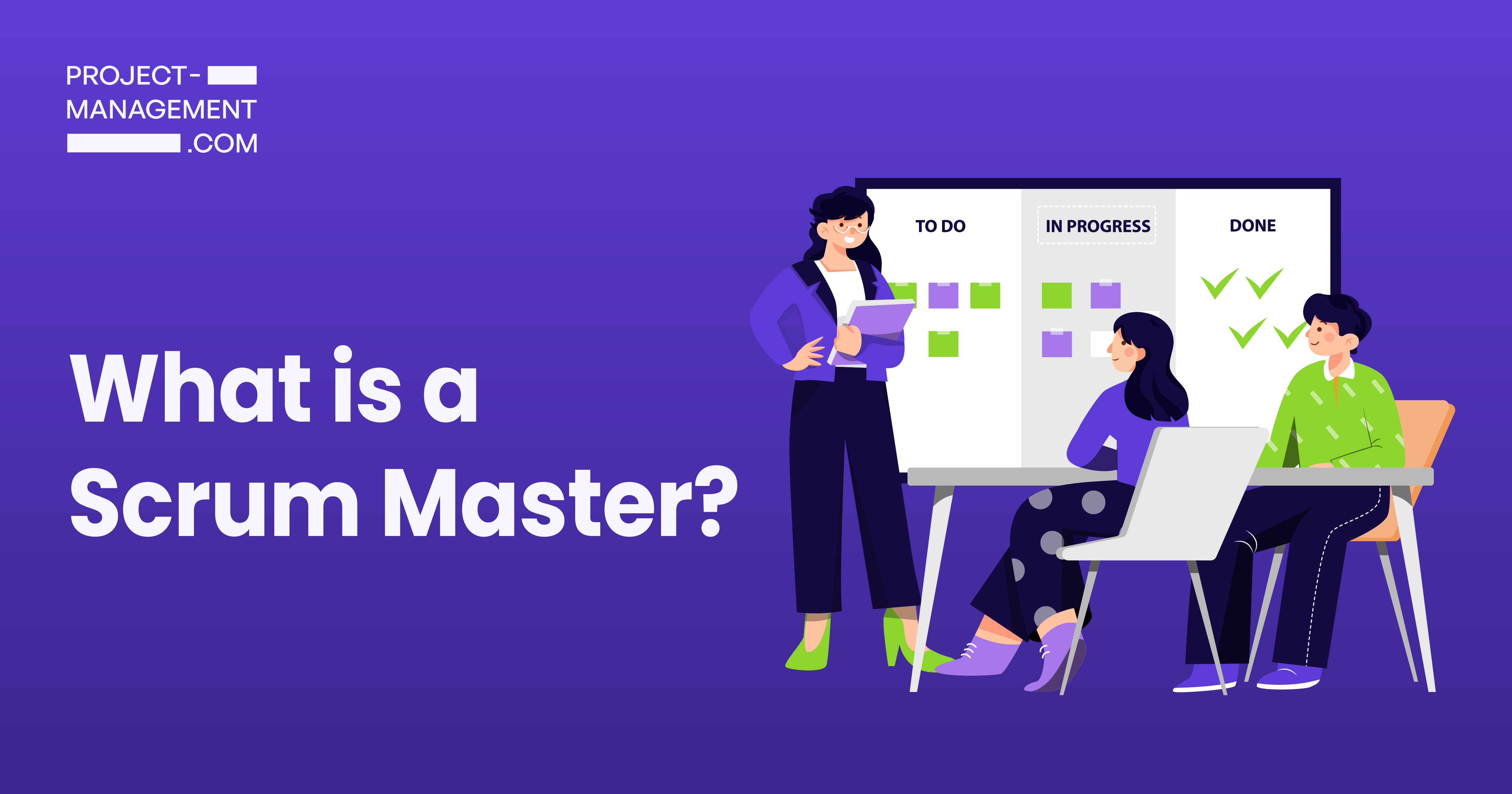
In response to these challenges, the Agile Manifesto was penned in 2001 by seventeen software developers, advocating for iterative development, collaboration, and responsiveness to change over rigid planning and extensive documentation. Scrum, one of the most widely adopted Agile frameworks, formalizes these principles into a set of roles, events, and artifacts. The Scrum Master role was specifically designed within this framework to protect the team, coach stakeholders, and ensure adherence to Scrum principles, thereby maximizing the team’s ability to deliver value incrementally. This marked a significant departure from traditional project management, shifting the focus from command-and-control to servant leadership and facilitation.
Defining the Scrum Master: Beyond Mere Facilitation
A Scrum Master is fundamentally a servant-leader for the Scrum Team and the broader organization. They are not a project manager in the traditional sense, nor are they a team lead who directs the team’s work. Instead, their primary focus is on ensuring the Scrum framework is understood and enacted, enabling the team to be as productive and self-organizing as possible. They achieve this by removing impediments, coaching the team on self-management and cross-functionality, and coaching the organization on its adoption of Scrum.
The Scrum Master’s responsibilities extend across several critical domains:
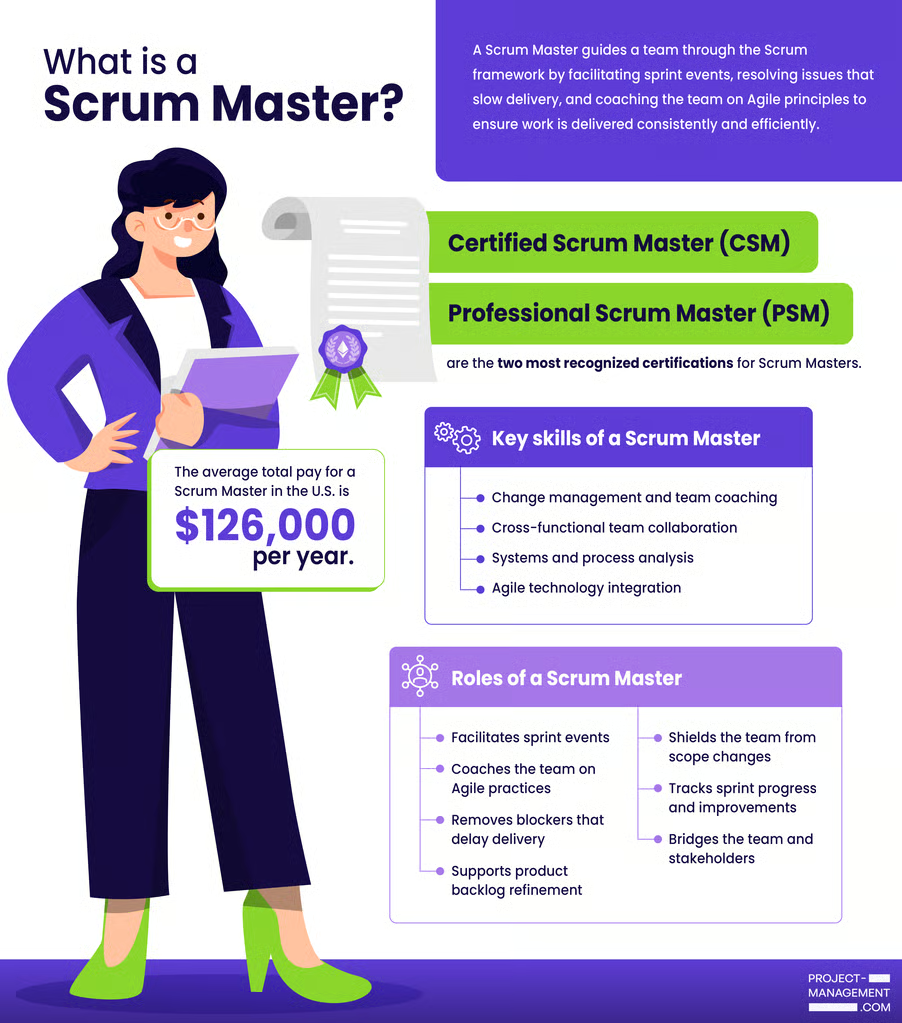
- Facilitating Scrum Events: Orchestrating and guiding all Scrum ceremonies—Sprint Planning, Daily Scrum, Sprint Review, and Sprint Retrospective—to ensure they are productive, focused, and adhere to their timeboxes. This involves creating a safe environment for open communication and problem-solving.
- Coaching the Development Team: Mentoring the team members on self-organization, cross-functionality, and creating high-value increments. This includes helping them resolve internal conflicts, improve their development practices, and embrace continuous learning.
- Removing Impediments: Proactively identifying and eliminating obstacles that hinder the team’s progress. These impediments can range from technical challenges and resource constraints to organizational blockers and inter-team dependencies.
- Supporting the Product Owner: Assisting the Product Owner in maintaining a clear and concise Product Backlog, ensuring proper understanding of user stories, and helping them maximize product value.
- Coaching the Organization: Guiding the entire organization in its Scrum adoption, helping stakeholders understand and enact an empirical approach, and planning Scrum implementations within the organization. This often involves addressing systemic issues that impede agility.
- Fostering Transparency and Communication: Promoting clear and honest communication within the team and with stakeholders, ensuring that progress, challenges, and decisions are visible to all relevant parties.
- Driving Continuous Improvement: Encouraging the team to constantly reflect on its processes, interactions, and tools, identifying areas for improvement, and implementing actionable changes.
This multifaceted role is especially prevalent in software development, where Scrum Masters play a vital part in improving applications and facilitating the release of new updates efficiently and effectively.
Debunking Common Misconceptions About the Scrum Master Role
Despite its growing prominence, the Scrum Master role is frequently misunderstood, leading to inaccurate perceptions that can undermine its effectiveness. Industry experts consistently address these myths, clarifying the true demands and strategic value of the position.
1. The Scrum Master Role is Entry-Level or Easy to Master
Artsiom Liotka, a Project Manager at Innowise Group, directly challenges the notion that the Scrum Master role is simple or merely an "entry-level" position. "People assume that if you learn the Scrum Guide, memorize the terminology, and strictly enforce meetings and timeboxes, you’re done," Liotka observes. This superficial understanding, he explains, creates two significant problems. "First, newcomers who want to become Scrum Masters quickly discover it is not that simple in real life. Second, developers, especially experienced ones, can develop a mixed or skeptical attitude toward the role: ‘Who is this person, and why are they making me spend time on extra meetings instead of building things?’" Liotka emphasizes that Scrum Masters lacking professional experience, credibility, or the nuanced interpersonal skills often struggle to earn their team’s trust and influence decisions effectively, highlighting the depth of experience and emotional intelligence truly required.
2. Scrum Masters Simply Facilitate Short Meetings
DaVonda St.Clair, a Cybersecurity Consultant at IBM, debunks the belief that the Scrum Master’s role is confined to merely running brief meetings. "Scrum isn’t only about having shorter meetings. That’s what people think when they first hear about it, but that completely misses the point," she asserts. St.Clair pursued her Certified Scrum Master (CSM) certification after realizing the limitations of traditional project management for her globally distributed teams. "We couldn’t always gather everyone for lengthy planning sessions; it wasn’t realistic. I needed a way to get quick answers and actionable insights without all the ceremony. That’s when I realized Scrum was filling a gap that traditional project management was missing." Her experience underscores that the value lies not in the brevity of meetings, but in their purpose—fostering rapid communication, transparent problem-solving, and adaptive decision-making.
3. The Scrum Master is a Project Manager
Trevor Fry highlights a pervasive misconception often held by management: viewing the Scrum Master as a glorified project manager or a status updater. "When leadership focuses solely on reporting and metrics, they strip the role of its actual value: facilitation and impediment removal. A Scrum Master is not a project manager creating status slides; they are the counterbalance to the Product Owner and the technicians," Fry explains. He further cautions, "If you’re being run like a traditional PM, you aren’t actually improving the team’s velocity, you’re just documenting its friction and hoping management will do something to fix it (HOT TIP: They can’t and they won’t)." The fundamental difference between a Scrum Master and a project manager lies in their scope and authority. While a project manager is accountable for the entire project lifecycle, including scope, schedule, cost, and stakeholder communication, a Scrum Master’s focus is on supporting the Agile team by facilitating Scrum events, coaching on Agile principles, and removing impediments. They do not manage budgets, assign tasks, or directly control the team’s work, but rather empower the team to self-organize and manage itself.

Key Skills for a Successful Scrum Master
To excel in this challenging role, successful Scrum Masters must possess a diverse and sophisticated skill set that extends beyond mere process adherence. Rebecca Federspiel, Associate Director and Head of Product at Scrum Alliance, emphasizes that thriving Scrum Masters combine strong leadership and facilitation with broader competencies that amplify their impact. These crucial skills include:
- Servant Leadership: Prioritizing the needs of the team, fostering their growth, and removing obstacles to their success, rather than exercising direct authority.
- Exceptional Communication: Articulating complex ideas clearly, listening actively, providing constructive feedback, and facilitating difficult conversations effectively.
- Coaching and Mentoring: Guiding individuals and the team to unlock their potential, improve their practices, and solve their own problems, rather than providing direct solutions.
- Conflict Resolution: Mediating disagreements within the team and with external stakeholders, fostering a collaborative and respectful environment.
- Change Enablement: Guiding the team and the organization through transitions, helping them embrace new ways of working and adapt to evolving circumstances. This often involves understanding organizational dynamics and overcoming resistance.
- Cross-Functional Collaboration: Facilitating seamless interaction between team members with diverse skills and with various departments to ensure alignment and shared understanding.
- Systems Thinking: Understanding how different parts of a system (team, organization, processes) interact and influence each other, enabling the Scrum Master to identify root causes of problems and implement holistic solutions.
- Problem-Solving: Applying critical thinking to identify, analyze, and resolve impediments and challenges that impact the team’s progress.
- Teaching and Training: Educating team members and stakeholders on Scrum principles, Agile values, and effective practices.
- Adaptability and Resilience: Navigating uncertainty, embracing experimentation, and helping the team remain flexible in the face of changing requirements or unexpected challenges.
- Emerging Technology Awareness: While not a technical role, a basic understanding of the technologies and tools the team uses helps in understanding impediments and facilitating discussions.
Scrum Master Certifications: Pathways to Professionalism
Obtaining a recognized Scrum Master certification is a strategic step for both aspiring and current Scrum Masters, signaling to employers a verified understanding of Agile principles and Scrum practices. These certifications not only validate an individual’s skills but also provide a structured learning path and often connect them to a professional community.
Key Scrum Master certifications include:

- Certified ScrumMaster (CSM) from Scrum Alliance:
- Best for: Beginners entering the Scrum Master role for the first time.
- Duration: 16 hours (includes mandatory instructor-led training and the exam).
- Cost: Typically ranges from $250 to $2,495, varying by training provider.
- Format: Instructor-led online or in-person course, followed by an online exam. This certification is highly recognized globally and provides a solid foundation.
- Professional Scrum Master (PSM) I from Scrum.org:
- Best for: Those who want a globally recognized credential with a strong emphasis on understanding the Scrum Guide, without mandatory formal training.
- Duration: 60 minutes for the exam.
- Cost: Approximately $200 for the exam. Optional instructor-led courses are available at additional cost.
- Format: Optional instructor-led online or in-person course, with a mandatory rigorous online assessment. PSM certifications are known for their strong focus on the official Scrum Guide and empirical process control.
- SAFe Scrum Master (SSM) from Scaled Agile:
- Best for: Project professionals working in large enterprises that utilize the Scaled Agile Framework (SAFe).
- Duration: 90 minutes, 45 questions for the exam.
- Cost: Approximately $674 (includes training and exam).
- Format: An instructor-led online course and an online exam. This certification is crucial for those operating in larger, more complex organizational structures where Agile principles are scaled across multiple teams.
- Registered Scrum Master (RSM) from Scrum Inc.:
- Best for: Those seeking foundational Scrum training rooted in its original methodology, often emphasizing the "Scrum@Scale" approach.
- Duration: 2 days of live training.
- Cost: Approximately $1,995.
- Format: Live, online instructor-led course.
Platforms like Udemy offer a wide array of over 50 CSM training courses, often starting around $14.99. Many of these courses provide extensive exam preparation materials, including hundreds of practice questions, which are invaluable for testing knowledge in Scrum principles, roles, events, and artifacts before sitting for official certification exams. These preparatory courses democratize access to learning and help solidify understanding.
Scrum Master Salary and Career Outlook
The demand for skilled Scrum Masters continues to grow, reflected in competitive compensation packages across various industries. According to Glassdoor, the average total pay for a Scrum Master in the United States is approximately $126,000 per year, with a typical range falling between $99,000 and $162,000 annually. Top earners, often those with extensive experience, advanced certifications, or specialized industry knowledge, can command total compensation of up to $201,000.
Several factors influence a Scrum Master’s salary, including:
- Experience Level: Entry-level Scrum Masters will typically start at the lower end of the spectrum, while senior or principal Scrum Masters with years of experience and a proven track record will earn significantly more.
- Certifications: Holding multiple or advanced certifications (e.g., A-CSM, PSM II/III, SAFe Advanced Scrum Master) can positively impact earning potential.
- Industry: Certain industries, such as aerospace and defense, human resources, utilities, financial services, and management consulting, often offer higher compensation due to the complexity of their projects and the strategic importance of Agile adoption.
- Location: Major metropolitan areas with high concentrations of technology companies and robust job markets (e.g., San Francisco, New York, Seattle) typically offer higher salaries to account for the cost of living and greater demand.
As Scrum Masters gain experience and demonstrate leadership capabilities, they can advance into senior or managerial roles, such as Agile Coach, Release Train Engineer, or Scrum Master Manager. These positions typically come with increased responsibilities and higher pay, with Scrum Master Managers earning between $114,000 and $178,000 per year. Related job titles that often overlap or are closely aligned with the Scrum Master role include Agile Project Manager (though with distinctions), Team Lead, Agile Delivery Lead, and Iteration Manager. The strong job market and increasing salaries underscore the critical value organizations place on effective Agile facilitation and leadership.

Expert Tips for Aspiring and Experienced Scrum Masters
Navigating the complexities of Agile teams requires continuous learning and adaptability. Experienced Scrum Masters offer invaluable advice for those looking to start or advance their careers:
-
Apply Agile Principles with Flexibility: Scrum provides a robust framework, but its tools and practices should be adapted to suit the unique needs and dynamics of each team. Trevor Fry advises against rigid adherence: "Forcing daily standups, grooming sessions, and retrospectives every sprint without questioning their value can actually create more friction than it removes. Think of ways to accomplish the actual goals of those meetings without having to pull everyone out of their work." True agility lies in understanding the underlying principles and applying them intelligently, not dogmatically.
-
Do Not Treat the Scrum Master Role as a Starting Point: The role demands significant maturity, a deep understanding of team dynamics, and the ability to navigate ambiguity and uncertainty. Artsiom Liotka emphasizes that it is best approached after gaining substantial leadership experience. "The strongest scenario is when someone grows into the role as a next step after leadership experience, for example, from project management or from a team lead or tech lead position." This background provides the credibility and soft skills necessary to effectively coach and influence.
-
Explore Industries Beyond Traditional Tech: While often associated with software development, the principles of Agile and Scrum are applicable across a wide spectrum of sectors. DaVonda St.Clair encourages professionals to broaden their horizons: "Pick a field you actually like or would love to work in and go there." She highlights that fields such as cybersecurity, robotics, artificial intelligence, and automation are actively seeking professionals who can manage complex, fast-moving work, demonstrating the pervasive demand for Agile leadership.

The demand for Scrum Masters is evolving beyond simply running ceremonies and managing sprints. Rebecca Federspiel notes a significant shift: "Demand is shifting from ‘ceremony owner’ to multi-faceted delivery and change enabler." Organizations are increasingly seeking professionals who can drive end-to-end delivery, align strategic priorities, remove systemic blockers, and establish robust feedback loops that accelerate organizational learning and adaptation. This evolution underscores the growing strategic importance of the Scrum Master as a catalyst for broader business agility and transformation, rather than merely a process enforcer.
Conclusion: The Enduring Importance of the Scrum Master
The Scrum Master is far more than an administrative role; it is a critical leadership position that serves as the linchpin for effective Agile team performance and organizational transformation. By fostering self-organization, promoting continuous improvement, and expertly navigating impediments, Scrum Masters empower teams to deliver exceptional value consistently. The ongoing evolution of the role, from a ceremonial facilitator to a strategic change agent, reflects the increasing complexity of modern business environments and the imperative for organizations to embrace true agility. For those with a passion for leadership, a knack for problem-solving, and a commitment to empowering teams, a career as a Scrum Master offers a challenging, rewarding, and economically attractive pathway in the ever-expanding world of project management.



Related Posts

PMI Unveils Major Overhaul of PMP Certification Exam for 2026, Signifying a New Era for Project Leadership
Choosing the Best Workflow Management Software for Enhanced Operational Efficiency