The Power of Precision: How Timely Emails Drive Customer Loyalty and Repeat Business
The pursuit of customer acquisition is a cornerstone of business strategy, often dominating marketing efforts and resource allocation. However, a critical phase in the customer lifecycle frequently receives less strategic attention: the period immediately following a purchase. This often-overlooked window is a pivotal moment where brands can either cement a lasting relationship or risk fading into obscurity. The key to navigating this delicate phase and transforming one-time buyers into loyal patrons lies not in bombarding customers with more messages or louder promotions, but in delivering the right message at the right moment. This principle of "timely email" is emerging as a powerful, data-backed strategy for enhancing customer retention and driving sustainable growth.
The effectiveness of timely emails stems from their contextual relevance. When a message arrives in sync with a customer’s actions, needs, or readiness to re-engage, it is perceived as helpful rather than intrusive. This subtle shift in perception is crucial. It moves the interaction from a transactional exchange to a supportive dialogue, fostering trust and encouraging repeat business. While many businesses focus on the initial sale, the real long-term value is unlocked by nurturing the relationship post-purchase, and timely email communication serves as a primary vehicle for this engagement.
The Diminishing Returns of Mere Frequency: Why Timing Trumps Volume
In response to flagging engagement metrics, a common inclination for businesses is to increase email frequency. This often manifests as more campaigns, more promotional offers, and more frequent reminders. However, empirical evidence and industry data consistently suggest that this approach is often misguided. The root cause of customer disengagement is rarely the lack of email volume, but rather the inopportune timing of those communications. A message that resonates today can feel irrelevant or even irritating tomorrow if it’s not aligned with the customer’s current context or behavior.
The impact of automated, behavior-triggered emails is particularly noteworthy. According to Omnisend’s 2025 ecommerce data, while automated emails represent a small fraction of total email sends (approximately 2% of volume), they contribute a disproportionately large share of revenue. These automated flows have been found to generate around 37% of email-driven sales. This stark statistic underscores a fundamental truth: emails that are triggered by specific customer actions or behaviors, delivered at opportune moments, significantly outperform generic, mass-sent campaigns.
Timing imbues email communication with meaning. It creates a direct link between a customer’s recent actions – a purchase, a browse, or an expressed interest – and a message that offers genuine utility. This relevance transforms automated messages into experiences that feel personal, fostering a deeper connection with the brand. Consequently, businesses that strategically reduce email volume while enhancing the timing and relevance of their messages often see improved retention rates. Instead of competing for attention in a crowded inbox, their brand appears when it is most welcomed and useful, cultivating a sense of being understood rather than merely marketed to.
The Psychological Underpinnings of Timely Engagement
The efficacy of timely emails is deeply rooted in behavioral psychology, aligning with how individuals process information and make decisions rather than adhering strictly to marketer-defined campaign schedules. Purchase decisions are significantly influenced by a complex interplay of emotion, habit, and situational context. When an email arrives precisely when it aligns with these factors, its relevance is immediately apparent, minimizing the effort required to capture a customer’s attention. The timing itself does much of the persuasive work.
One of the most potent psychological drivers at play is recognition. When an email reflects a customer’s recent activity – a purchase, a browsing session, or an inquiry – it signals that the brand is attentive and observant. This perception of being understood cultivates trust and reduces the inherent resistance many consumers feel towards marketing communications.
Momentum is another critical factor. Following a purchase or a significant interaction, customers are often in a heightened state of engagement with a brand. A well-timed follow-up can capitalize on this momentum, reinforcing the positive experience and encouraging continued engagement. Conversely, missing this opportune window can lead to a rapid decline in emotional connection, often faster than businesses anticipate.
Furthermore, timely emails help mitigate decision fatigue. Instead of placing the onus on the customer to recall their interest or decide if they want to re-engage, the email arrives at a point when the decision-making process is already partially complete. This makes the subsequent action feel natural and intuitive, rather than forced or demanding. Consequently, retention-focused emails, when timed correctly, rarely feel like overt solicitations. Instead, they are perceived as supportive, helpful, and easy to act upon. This association of a brand with ease and support encourages customers to return, making it their default choice.
Identifying the Critical "Email Moments" for Customer Retention
Understanding the psychological principles behind timely emails is invaluable, but their practical application hinges on identifying the specific "moments" that are most conducive to customer retention. Retention is not a byproduct of constant, indiscriminate contact. It is meticulously built through a select number of strategic touchpoints where timing, relevance, and customer intent converge harmoniously. Email communication is most effective when it supports these moments rather than disrupting them.
The Immediate Post-Purchase Window: This is arguably one of the most critical periods. Customers are still emotionally invested in their recent purchase and are subconsciously seeking validation that they made the right decision. A timely email at this juncture should focus on reinforcing confidence and providing reassurance. This can involve setting clear expectations, offering practical guidance on product usage, or reiterating the benefits and value of their purchase. Such communication can effectively mitigate buyer’s remorse and significantly increase the likelihood of a subsequent purchase.
The "Quiet" Engagement Period: Following the initial post-purchase interactions, there often ensues a period of relative silence from the customer’s side. Many brands falter here, either going completely silent or reverting to generic promotional blasts. This phase, however, presents a prime opportunity to maintain a subtle yet impactful presence without resorting to hard selling. Emails that focus on education, inspiration, or helping customers derive greater value from their existing purchases can keep the relationship warm and continue to build trust. This can include sharing use cases, tips, or content related to their purchase.
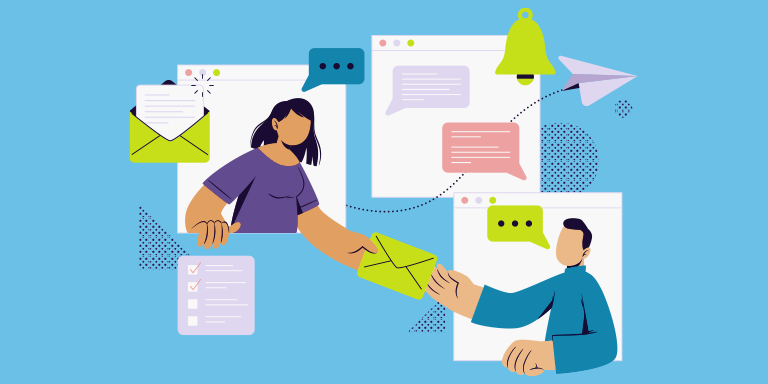
The Re-engagement Trigger: This moment occurs when a customer is naturally inclined to return or make another purchase. This inclination might be prompted by the passage of time, the depletion of a product, a change in their needs, or a specific behavioral cue. When an email arrives at this precise point, it feels intuitive and highly relevant, rather than persuasive or intrusive. The customer is already primed to act, and the timely message simply facilitates that natural inclination.
These critical moments do not necessitate an increase in email frequency. Instead, they demand a more strategic and precise approach to timing. When email messages align seamlessly with the customer’s current journey and mindset, the act of returning to the brand feels natural and effortless.
Crafting a Timely Email That Resonates and Retains
Consider a scenario where a customer made their first purchase several weeks ago. They haven’t returned to the website, but they also haven’t explicitly disengaged. This represents an ideal moment for a precisely timed email.
Instead of deploying a generic discount code or a "we miss you" campaign that might feel out of place, the email should be crafted with a clear, contextually relevant purpose.
Subject Line: The subject line should focus on relevance and intrinsic value, not artificial urgency. It could reference the customer’s last interaction, hint at a logical next step related to their purchase, or offer a valuable piece of information. For instance, "Maximizing Your [Product Name] Experience" or "A Quick Tip for Your New [Product Category] Purchase." The objective is to remind and inform, not to pressure.
Opening: The email’s opening should acknowledge the customer’s current position. It could reinforce the value of their previous purchase and provide actionable insights on how to maximize their enjoyment or utility from it. The tone should be supportive and confident, avoiding any hint of a hard sell.
Body Content: The core of the email should be concise and focused on delivering a single, high-value piece of information. This could be a practical tip, a useful insight, or a logical next step. The content should be easily scannable and clear enough for the customer to act upon immediately if they choose. For example, if the customer purchased a skincare product, the email might offer a step-by-step guide to incorporating it into their routine.
Call to Action (CTA): The call to action should be low-friction and align with the current moment. Instead of a direct "Buy Now" button, it might invite the customer to:
- "Explore more tips for your [Product Name]."
- "Discover complementary products that enhance your experience."
- "Learn how to get the most out of your purchase."
- "Reorder your favorite item."
The entire communication should feel organic. The email arrives precisely when the customer is most receptive, and the suggested action feels like a natural extension of their existing engagement with the brand. This is the hallmark of an effective retention email: thoughtful timing and deep relevance, not simply louder messaging or deeper discounts.
Broader Implications and Future Trends in Customer Engagement
The strategic shift towards timely and contextual email marketing has significant implications for businesses across all sectors. It signifies a move away from a broadcast mentality to a more personalized and customer-centric approach. This evolution is not merely a tactical adjustment but a fundamental reorientation of customer relationship management.
The increasing sophistication of marketing automation platforms, coupled with advancements in data analytics, empowers businesses to identify and capitalize on these critical customer moments with unprecedented accuracy. Tools that offer behavior-based automation, dynamic personalization, and social proof integration are becoming indispensable for founders aiming to convert timely interactions into sustained revenue streams.
The data from Omnisend, for instance, points to a future where email marketing is less about mass outreach and more about precision engagement. As consumer expectations for personalized experiences continue to rise, brands that fail to adapt risk being perceived as out of touch or irrelevant. The ability to anticipate customer needs and deliver timely, valuable communications will become a key differentiator in a competitive marketplace.
For businesses looking to implement these strategies, the availability of specialized platforms can significantly reduce the manual workload associated with personalized outreach. By leveraging these tools, founders can focus on strategic content creation and campaign design, while the technology handles the precise timing and delivery of messages. The ultimate goal is to create an email experience that customers not only tolerate but actively look forward to, fostering a cycle of loyalty and repeat business that underpins long-term commercial success. The era of the "right message, right moment" has arrived, and its impact on customer retention is only beginning to be fully realized.