
Renewable Metals Secures $12 Million Series A to Revolutionize Onshore Battery Recycling
Renewable Metals, a pioneering Australian startup focused on sustainable lithium-ion battery recycling, has successfully closed a $12 million Series A funding round. This significant capital injection is poised to accelerate the company’s mission to establish a robust and efficient onshore battery recycling infrastructure, addressing the burgeoning demand driven by the global transition to electric vehicles (EVs) and renewable energy storage.
The funding round was spearheaded by the Clean Energy Finance Corporation (CEFC), a cornerstone investor demonstrating sustained confidence in Renewable Metals’ technology and vision. The round also saw participation from the Neglected Climate Opportunities, European Metal Recycling (EMR), the UK’s largest end-of-life metal recycler, impact venture capital firm Investible, and Climate Tech Partners. This diverse group of investors underscores a shared commitment to advancing circular economy principles and mitigating the environmental impact of battery waste.
This latest funding follows a substantial Seed round, where Renewable Metals previously raised $16.1 million across two tranches. An initial $8 million was secured in a prior round, followed by an $8.1 million top-up in September 2024, highlighting the strong and growing investor appetite for innovative solutions in the battery recycling sector.
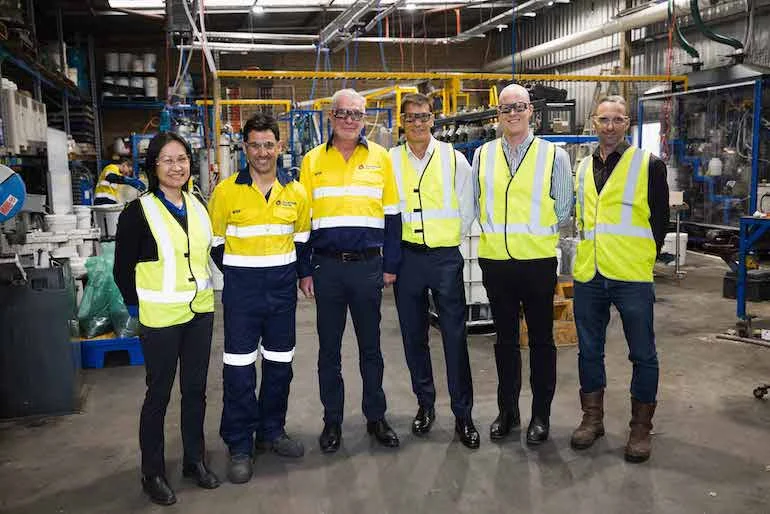
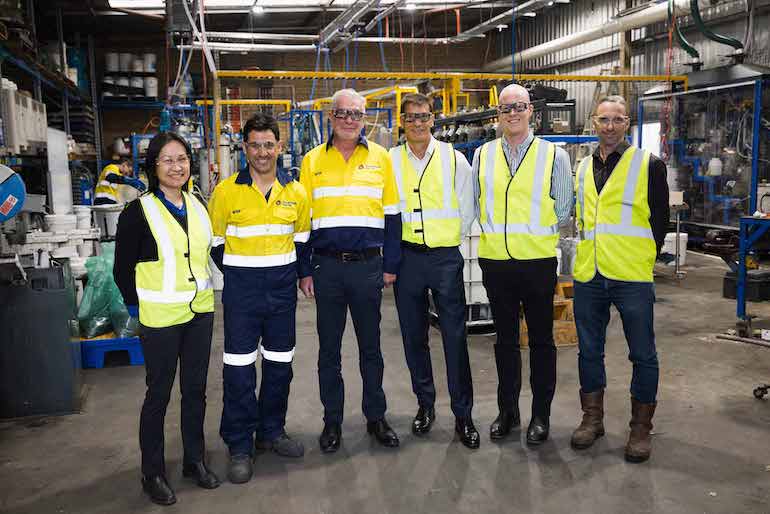
The strategic deployment of this $12 million will be instrumental in the commissioning of Renewable Metals’ advanced demonstration plant located in Kewdale, Western Australia. This facility is designed to process up to 2,000 tonnes of batteries annually, a volume equivalent to approximately 4,000 electric vehicles. The operationalization of this plant marks a critical milestone, enabling the company to validate and scale its proprietary recycling technology, which is designed to recover valuable materials with high efficiency and minimal environmental footprint.
The Growing Imperative for Battery Recycling
The rapid proliferation of electric vehicles and the increasing adoption of renewable energy storage systems have created an unprecedented surge in the demand for lithium-ion batteries. While this transition is crucial for decarbonization efforts, it simultaneously presents a significant challenge: the end-of-life management of these batteries. Without effective recycling solutions, spent batteries pose environmental risks due to their hazardous components and represent a lost opportunity to recover valuable and increasingly scarce critical minerals.
The global lithium-ion battery market is projected to experience exponential growth. According to various market research reports, the market size, valued at over USD 30 billion in 2022, is anticipated to exceed USD 100 billion by 2028, with a compound annual growth rate (CAGR) often cited between 20% and 25%. This growth trajectory means that the volume of spent batteries requiring disposal or recycling will also increase dramatically in the coming years.
Key materials within lithium-ion batteries, such as lithium, cobalt, nickel, and manganese, are subject to price volatility and supply chain vulnerabilities. Many of these materials are sourced from geopolitically sensitive regions, making their recovery from end-of-life products a strategic imperative for national and global resource security. Onshore recycling not only reduces reliance on imported raw materials but also minimizes the carbon footprint associated with long-distance transportation of both spent batteries and recovered materials.
Renewable Metals’ Innovative Approach
Renewable Metals distinguishes itself through its proprietary recycling process, which aims to achieve superior recovery rates of critical battery metals. While specific details of their patented technology remain proprietary, the company has emphasized its focus on a hydrometallurgical approach, often lauded for its ability to efficiently extract and purify valuable metals from battery scrap. Unlike traditional pyrometallurgical methods that can be energy-intensive and may result in lower recovery of certain elements like lithium, hydrometallurgy offers a potentially more sustainable and cost-effective pathway.
The company’s technology is designed to be versatile, capable of processing various battery chemistries, including those found in EVs and consumer electronics. This adaptability is crucial in a rapidly evolving battery landscape where new chemistries and form factors are continuously being developed. By establishing a domestic recycling capability, Renewable Metals aims to reduce the environmental impact of battery waste, decrease reliance on virgin materials, and contribute to a more circular economy.
A Chronology of Growth and Investment
Renewable Metals’ journey to securing this significant Series A funding round is marked by a series of strategic achievements and investor confidence:
- Early Stage Development and Seed Funding: The company’s foundational work and initial technological advancements likely led to its first substantial funding. The $8 million Seed round provided the initial capital to further develop and refine its recycling processes and explore pilot-scale operations.
- Scaling Up with a Top-Up: The $8.1 million top-up to the Seed round, secured less than 12 months after the initial tranche, indicated a strong validation of the company’s progress and the market’s growing interest. This capital likely supported the expansion of research and development, the securing of key personnel, and the initial planning for larger-scale facilities.
- Series A: Fueling Commercialization: The recent $12 million Series A round represents a significant leap forward, transitioning Renewable Metals from a development-stage company towards commercial operation. The primary objective of this funding is to bring the Kewdale demonstration plant online and prove the scalability and economic viability of its recycling process.
Investor Perspectives and Strategic Partnerships
The participation of a diverse range of investors, from government-backed finance corporations to established industry players and impact-focused VCs, speaks volumes about the perceived value and potential of Renewable Metals’ proposition.
The Clean Energy Finance Corporation (CEFC), a key player in Australia’s transition to clean energy, has consistently backed innovative companies addressing critical environmental challenges. Their continued investment in Renewable Metals underscores the strategic importance of onshore battery recycling for Australia’s clean energy future and its commitment to developing a domestic supply chain for critical minerals.
European Metal Recycling (EMR) brings invaluable industry expertise and a global perspective on metal recycling. As one of the largest end-of-life recyclers in the UK, EMR’s involvement suggests potential synergies in processing, logistics, and market access, as well as a strategic interest in diversifying and enhancing their own recycling capabilities.
Investible, an impact VC firm, focuses on investing in companies that generate both financial returns and positive social and environmental outcomes. Their participation reinforces the alignment of Renewable Metals’ business model with the growing trend of impact investing, where investors seek to address global challenges through market-based solutions.
The backing from Climate Tech Partners further solidifies Renewable Metals’ position within the burgeoning climate technology ecosystem, suggesting a network of expertise and potential future collaborations within this specialized sector.
The Kewdale Demonstration Plant: A Beacon of Onshore Recycling
The upcoming demonstration plant in Kewdale, Western Australia, is central to Renewable Metals’ immediate strategic objectives. Its operationalization will serve multiple critical functions:
- Technological Validation: The plant will provide real-world data on the efficiency, yield, and cost-effectiveness of Renewable Metals’ recycling technology at a semi-commercial scale. This data is crucial for attracting further investment, securing offtake agreements, and refining operational processes.
- Market Demonstration: Successfully processing 2,000 tonnes of batteries annually will demonstrate Renewable Metals’ capacity to handle significant volumes of waste, thereby showcasing its readiness to support the growing needs of the EV and renewable energy sectors.
- Supply Chain Development: The plant’s operations will contribute to building a domestic battery recycling supply chain in Western Australia, a region rich in mineral resources and with a growing EV fleet. This localized approach reduces logistical costs and environmental impact.
- Resource Recovery: The recovered materials from the Kewdale plant will feed back into the manufacturing of new batteries and other industrial applications, embodying the principles of a circular economy and reducing the need for new mining activities.
Broader Implications and Future Outlook
The success of Renewable Metals and the significant capital raised signal a positive trend for the battery recycling industry in Australia and globally. Several key implications arise from this development:
- Enhanced Resource Security: By enabling onshore recycling, Australia can reduce its reliance on imported battery materials, bolstering national resource security and creating a more resilient supply chain for its burgeoning clean energy sector.
- Environmental Stewardship: The development of efficient recycling processes is paramount to managing the growing volume of battery waste and mitigating potential environmental hazards associated with improper disposal. Renewable Metals’ technology offers a promising solution in this regard.
- Economic Opportunities: The growth of the battery recycling sector creates new jobs, fosters technological innovation, and opens up new avenues for economic development within Australia.
- Catalyst for Further Investment: The successful Series A round is likely to attract further investment into other battery technology and recycling startups, accelerating the pace of innovation and development in this critical sector.
As the world continues its transition towards electrification and renewable energy, the demand for effective and sustainable battery recycling solutions will only intensify. Renewable Metals, with its robust technological foundation, strong investor backing, and a clear vision for onshore processing, is strategically positioned to play a pivotal role in shaping the future of battery circularity. The successful commissioning and operation of the Kewdale demonstration plant will be a crucial test, but one that, if successful, could set a new benchmark for battery recycling in Australia and beyond. The company’s journey exemplifies the growing momentum behind the circular economy and the vital role of innovative startups in addressing the complex challenges of a sustainable future.