



The business environment of 2025 presents small business owners with an ever-expanding array of tools and technologies designed to streamline operations and enhance customer experience. Among the most critical of these are payment systems, the backbone of any commercial transaction. With a multitude of options available, selecting the right payment gateway can feel like navigating a complex maze. This article aims to demystify the process by evaluating six leading payment systems, offering a comprehensive guide for small businesses seeking to optimize their financial operations and customer interactions.
Understanding the Core of Payment Systems
Before delving into specific providers, it’s essential to define what constitutes a payment system in the modern business context. A payment system is fundamentally a technological infrastructure or network that facilitates the secure and efficient transfer of funds between a buyer and a seller. This encompasses a broad spectrum of solutions, including traditional credit and debit card processors, sophisticated online payment gateways, widely adopted mobile wallets, and even established bank transfer networks. The primary objective of these systems is to enable transactions in exchange for goods and services, ensuring that both parties can exchange value with confidence and ease. It’s important to distinguish these comprehensive systems from simpler tools like invoicing software that may not directly process payments, or purely peer-to-peer payment apps not designed for business transactions.
Key Determinants for Small Business Payment System Selection
The selection process for a payment system should be guided by several critical factors that directly impact a small business’s financial health and customer satisfaction. These factors were central to the evaluation of the systems discussed herein:
Payout Times: The Velocity of Capital
For small businesses, particularly startups and those with tight cash flow, prompt access to funds is paramount. The time it takes for a payment gateway to transfer funds from the customer’s account to the business’s bank account can significantly affect operational capacity. Faster payout times mean quicker reinvestment, improved inventory management, and a more stable financial footing. This aspect was heavily weighted, as delayed funds can hinder growth and create operational bottlenecks.
Ease of Payment: The Customer Checkout Experience
A frictionless checkout process is non-negotiable in today’s competitive market. A payment system that is intuitive, quick, and requires minimal steps for the customer is crucial for reducing cart abandonment rates and maximizing sales. Complex or cumbersome payment flows can lead to high bounce rates, directly impacting profitability. The focus here is on user-friendliness for the end consumer, ensuring a seamless transition from browsing to purchase.
Accessibility and Global Reach: Expanding Market Horizons
The geographical scope of a business’s operations dictates the payment systems it needs to support. Businesses aiming for a local customer base may have different requirements than those targeting an international audience. Payment solutions that support multiple currencies and operate across various countries are essential for global expansion, ensuring that customers worldwide can transact with ease. Conversely, businesses with a strictly local focus might prioritize systems optimized for domestic transactions.
Price Structures: Transparency and Predictability
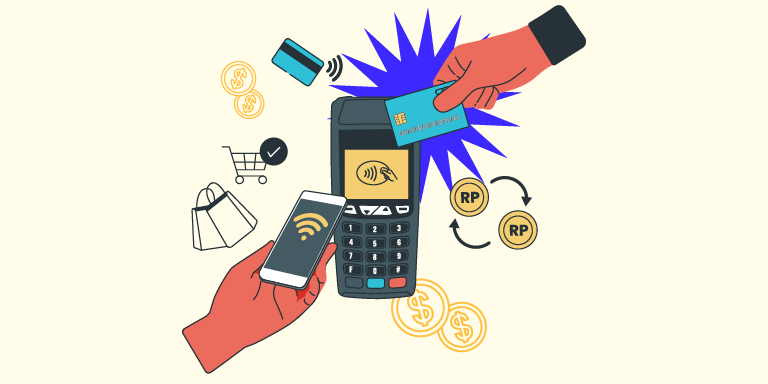
The pricing models of payment processors can be notoriously complex, often involving a combination of transaction fees, monthly fees, setup costs, and various surcharges. For small businesses, understanding these structures and choosing one that aligns with their sales volume and customer purchasing habits is vital. Predictable and competitive pricing ensures that transaction costs don’t disproportionately eat into profit margins. This includes evaluating interchange fees, gateway fees, and any additional charges that might arise.
Security and Compliance: The Foundation of Trust
In an era of increasing digital threats, the security of payment systems is of utmost importance. Small businesses must ensure that their chosen provider is compliant with industry standards such as the Payment Card Industry Data Security Standard (PCI-DSS). Robust security measures protect sensitive customer data, build trust, and prevent costly data breaches. This includes safeguards against fraud, encryption protocols, and secure handling of sensitive information.
Top 6 Payment Systems for Small Businesses in 2025
With these crucial factors in mind, let’s explore six prominent payment systems that small businesses should consider for their 2025 operations. Each offers a unique set of features, benefits, and potential drawbacks.
1. Stripe: The Developer’s Choice with Seamless Integration
Stripe has cemented its position as a favorite among small businesses, particularly those with an online presence, due to its robust functionality and ease of integration. Its appeal lies in its developer-friendly Application Programming Interface (API), which allows for highly customizable checkout experiences.
Pros:
- Seamless Online Checkout: Stripe excels at keeping customers on a business’s website during the checkout process, offering a more integrated and less disruptive experience compared to redirecting to third-party pages. This can significantly reduce bounce rates.
- Developer-Friendly API: Its extensive API documentation and tools empower businesses to build highly tailored payment flows and integrate with a vast ecosystem of third-party applications.
- Global Reach: Stripe supports transactions in over 135 currencies and enables businesses to accept payments from customers worldwide.
- Comprehensive Feature Set: Beyond basic payments, Stripe offers subscription management, invoicing, fraud prevention tools, and analytics.
- Scalability: It can easily scale with a business, from a small startup to a large enterprise.
Potential Drawback:
- Complexity for Advanced Setups: While easy to get started, implementing more advanced or custom features requires technical expertise, potentially necessitating the hiring of a developer.
- Customer Service Perceptions: Some users have reported challenges with Stripe’s customer service response times, particularly during urgent issues.
Pricing:
Stripe typically employs a pay-as-you-go model with a standard transaction fee for online credit and debit card payments (e.g., 2.9% + $0.30 per successful card charge for domestic transactions, with variations for international cards and specific payment methods). There are no monthly fees for basic accounts.

Analysis: Stripe’s strength lies in its ability to offer a sophisticated yet accessible payment solution for online businesses. Its focus on developer tools ensures that businesses can create unique and efficient customer journeys, a critical differentiator in the digital marketplace. The seamless integration minimizes friction, directly contributing to higher conversion rates.
2. PayPal: The Ubiquitous and Trusted Solution
PayPal is a household name in online payments, recognized globally for its user-friendliness and established trust among consumers. Its widespread adoption means many customers already have PayPal accounts, making transactions quick and convenient.
Pros:
- High Brand Recognition and Trust: Customers are generally familiar with and trust PayPal, which can instill confidence during the checkout process.
- Multi-Currency Support: PayPal facilitates payments in numerous currencies, making it suitable for businesses with an international customer base.
- Ease of Use for Consumers: Customers can pay using their PayPal balance, linked bank accounts, or credit/debit cards with relative ease.
- Buyer and Seller Protection: PayPal offers programs designed to protect both buyers and sellers in case of disputes.
- Simple Setup: Integrating PayPal into a website or online store is generally straightforward.
Potential Drawback:
- Higher Transaction Fees for Certain Transactions: While competitive, PayPal’s fees can sometimes be higher than other providers, especially for specific types of transactions or when using certain features.
- Customer Service Concerns: Similar to Stripe, some users have expressed concerns about PayPal’s customer service responsiveness and dispute resolution processes.
- Potential for Account Holds: In some instances, PayPal has been known to place temporary holds on funds, which can be disruptive for businesses reliant on immediate cash flow.
Pricing:
PayPal’s pricing structure is generally based on transaction fees. For standard online payments, it typically involves a fee per transaction (e.g., 2.9% + $0.30 for domestic transactions, with variations for international payments). Different fee structures apply to specific services like invoicing or business accounts.
Analysis: PayPal’s immense popularity and established trust make it an indispensable option for many small businesses. Its ability to cater to a broad range of customers, including those who prefer not to share their card details directly with merchants, is a significant advantage. However, businesses should carefully review its fee structure to ensure it aligns with their profitability goals.
3. Authorize.Net: Robustness and Advanced Security for Established Businesses
Authorize.Net, a Visa company, is a veteran in the payment processing industry, known for its robust security features and developer-friendly API. It’s often favored by businesses that require a high degree of customization and advanced fraud detection capabilities.
Pros:
- Advanced Fraud Prevention: Authorize.Net offers a suite of sophisticated fraud detection and prevention tools, including Address Verification System (AVS), CVV2 matching, and custom fraud detection rules.
- Developer-Friendly API: Its flexible API allows for deep integration and customization, enabling businesses to create unique payment experiences.
- Wide Range of Payment Options: Supports credit cards, debit cards, e-checks, and various popular payment methods.
- Reliability and Stability: As a long-standing player in the market, Authorize.Net is known for its dependable service.
- Merchant Account Integration: It works with various merchant account providers, offering flexibility in choosing a banking partner.
Potential Drawback:
- Requires a Separate Merchant Account: Unlike some all-in-one solutions, Authorize.Net typically requires businesses to secure a separate merchant account, adding an extra layer of setup and potential cost.
- Can Be More Complex to Set Up: Due to its advanced features and the need for a separate merchant account, setup can be more involved than with simpler gateway solutions.
- Pricing Can Be Less Transparent for Beginners: The pricing structure, especially when factoring in merchant account fees, can be less straightforward for those new to payment processing.
Pricing:
Authorize.Net usually involves a monthly gateway fee, a transaction fee per authorization, and potentially fees for specific features like fraud detection services. Pricing can vary significantly depending on the merchant account provider and the chosen service package.
Analysis: Authorize.Net is a powerful choice for businesses that prioritize security and customization. Its advanced fraud protection is a significant asset for merchants dealing with higher transaction volumes or operating in industries prone to fraudulent activity. However, the requirement of a separate merchant account adds a layer of complexity that small businesses should carefully consider.
4. Amazon Pay: Leveraging the Power of the Amazon Brand
Amazon Pay offers a unique proposition by allowing customers to use their existing Amazon account credentials to make purchases on other websites. This leverages the trust and familiarity associated with the Amazon brand, potentially streamlining the checkout process for millions of users.
Pros:
- Leverages Amazon’s Trust: Customers can checkout with confidence using their trusted Amazon account information, bypassing the need to enter new payment details.
- Streamlined Checkout: For Amazon customers, the process is exceptionally quick and easy, reducing friction and improving conversion rates.
- Robust Fraud Protection: Benefits from Amazon’s sophisticated fraud detection and prevention systems.
- Easy Integration: Integrates seamlessly with most major e-commerce platforms.
- Global Reach: Accessible to Amazon customers worldwide.
Potential Drawback:

- Limited Brand Recognition as a Payment Processor: While Amazon is a known brand, Amazon Pay itself might not be as widely recognized by consumers as a standalone payment option compared to PayPal.
- Dependence on Amazon Ecosystem: The primary benefit is tied to users having an Amazon account, which might not cover all potential customer segments.
- Potential for Higher Fees for Certain Business Models: Businesses should compare Amazon Pay’s fee structure against competitors to ensure it’s cost-effective for their specific sales volume and transaction types.
Pricing:
Amazon Pay typically charges a per-transaction fee, similar to other gateways. These fees can vary based on the transaction volume and the type of payment processed.
Analysis: Amazon Pay is a compelling option for businesses looking to tap into the vast Amazon customer base and leverage the brand’s inherent trust. Its streamlined checkout for Amazon users is a significant advantage, potentially boosting sales. However, businesses should evaluate if their target audience predominantly uses Amazon accounts to maximize its benefits.
5. Square: The All-in-One Solution for Brick-and-Mortar and Online
Square has revolutionized small business payments, particularly for those with a physical presence. Its integrated hardware and software solutions make it incredibly easy to accept in-person payments, while its online offerings cater to e-commerce needs.
Pros:
- Excellent for In-Person Payments: Square’s point-of-sale (POS) systems, card readers, and virtual terminals are user-friendly and highly effective for businesses with physical locations.
- Integrated Ecosystem: Offers a comprehensive suite of tools beyond payments, including POS software, appointment scheduling, inventory management, and loyalty programs.
- Transparent Pricing: Generally offers straightforward, pay-as-you-go pricing with no long-term contracts for basic services.
- Virtual Terminal: Allows businesses to accept card payments over the phone or online without a physical card reader, ideal for businesses that take orders via phone.
- Fast Fund Availability: Often provides quick access to funds, sometimes within 24 hours.
Potential Drawback:
- Higher Fees for Larger Businesses: While competitive for small volumes, its per-transaction fees can become more expensive for businesses with very high sales volumes compared to providers with custom enterprise pricing.
- Customer Service Challenges: Like many high-volume platforms, customer service can sometimes be a point of concern for users.
- Less Customization for Complex Online Needs: For highly complex or unique online checkout experiences, other platforms might offer more advanced customization options.
Pricing:
Square’s pricing is typically based on a flat rate per transaction for in-person and online sales (e.g., 2.6% + $0.10 for in-person, 2.9% + $0.30 for online). Additional fees may apply for specific hardware or premium software features.
Analysis: Square is an exceptional choice for small businesses that have a significant in-person component, such as retail stores, cafes, or service providers. Its ease of use, integrated solutions, and transparent pricing make it a low-barrier-to-entry option. The virtual terminal further enhances its utility for businesses that need to process payments remotely.
6. SecurePay: A Versatile Option with a Free Trial
SecurePay positions itself as a comprehensive payment solution, offering a wide array of payment options and a user-friendly setup. Its free trial is a significant draw for small businesses looking to test a new system before committing.
Pros:
- Wide Range of Payment Options: Supports various payment methods, catering to diverse customer preferences.
- Free Trial Available: Allows businesses to evaluate the platform’s suitability without upfront financial commitment.
- Easy Setup and API Integration: Designed for straightforward implementation, with good API integration features beneficial for e-commerce.
- Suitable for Startups: Offers a practical alternative for new businesses seeking a reliable payment gateway.
Potential Drawback:
- Lower Brand Recognition: The primary challenge for SecurePay is its relatively lower brand awareness compared to industry giants like Stripe or PayPal. This can impact customer trust, especially for new or hesitant buyers.
- Customer Trust Factor: As a less recognized name, businesses might need to actively work on building customer confidence when using SecurePay as their primary payment processor.
Pricing:
SecurePay’s pricing details are best obtained directly from their site, but they generally follow industry standards with transaction-based fees and potentially monthly or setup charges. The availability of a free trial is a key pricing advantage.
Analysis: SecurePay presents a practical and accessible option, particularly for small businesses and startups. Its free trial removes a significant barrier to entry, allowing businesses to experience its features firsthand. The ease of setup and API integration are valuable for e-commerce operations. However, the business must be prepared to address potential customer hesitations stemming from lower brand recognition.
Broader Implications for Small Business Growth in 2025
The selection of an appropriate payment system in 2025 is not merely a technical decision; it’s a strategic imperative that can profoundly influence a small business’s growth trajectory. The ability to accept payments efficiently, securely, and in a manner that aligns with customer preferences is directly correlated with revenue generation and customer retention.
For instance, a business that opts for a system with slow payout times might struggle to manage inventory or meet payroll, thereby limiting its ability to scale. Conversely, a business that prioritizes a seamless checkout experience, as offered by Stripe or Amazon Pay, is likely to see higher conversion rates and increased customer loyalty. The global reach provided by platforms like PayPal and Stripe opens up international markets, a critical avenue for growth in an increasingly interconnected world.
Furthermore, the security offered by providers like Authorize.Net is not just about compliance; it’s about building a reputation for trustworthiness. In an age where data breaches are common, customers are increasingly cautious. A secure payment system signals to customers that their financial information is protected, fostering confidence and encouraging repeat business.
The evolving landscape of payment technologies, including the rise of contactless and mobile payments, also necessitates that businesses choose providers capable of adapting to these trends. Systems like Square, with their NFC-enabled readers, are well-positioned to capitalize on this shift.
Conclusion: A Strategic Choice for Success
In conclusion, the choice of a payment system for small businesses in 2025 is a multifaceted decision that requires careful consideration of payout times, ease of use, accessibility, pricing, and security. While platforms like Stripe and PayPal offer robust online solutions with broad appeal, Square excels in in-person transactions, and Authorize.Net provides advanced security for specialized needs. Amazon Pay leverages brand recognition, and SecurePay offers an accessible entry point with a free trial.
Ultimately, the "best" payment system is the one that best aligns with a specific business’s operational model, customer base, and growth objectives. By thoroughly evaluating these leading options against the key determinants outlined, small business owners can make an informed decision that will not only facilitate transactions but also contribute significantly to their overall success in the dynamic marketplace of 2025 and beyond. Investing time in this crucial decision will yield returns in the form of improved customer satisfaction, enhanced operational efficiency, and a stronger financial foundation for sustainable growth.









Comments (0)