Iran Reopens Critical Strait of Hormuz as Israel-Hezbollah Truce Fuels Hopes for Wider Middle East De-escalation and Global Economic Stability
In a significant development signaling a potential de-escalation of tensions in the Middle East, Iran announced the reopening of the Strait of Hormuz for commercial shipping, effective immediately and for the duration of a 10-day ceasefire between Israel and Hezbollah in Lebanon. This move, communicated by Iran’s Foreign Minister Abbas Araghchi on April 17 via a post on X, has dramatically increased optimism for a broader agreement to end the ongoing conflicts that have plagued the region for months. The critical waterway, a vital artery for global energy supplies, had been effectively shut down since the United States and Israel commenced bombing campaigns against Iran at the end of February, severely disrupting international trade and contributing to global economic instability.
The surprise announcement sent immediate ripples through global markets. Brent crude, the international benchmark for oil prices, plunged by more than 10%, settling at $89 a barrel, reflecting a sharp reduction in the geopolitical risk premium associated with energy supplies. This substantial drop was driven by renewed expectations of an easing in global supply shortages that had fueled inflationary pressures worldwide. Beyond commodities, equity markets also reacted positively, with the S&P 500 rising 0.8% and notching back-to-back record highs, while the U.S. dollar lost ground against major peer currencies, indicating a shift towards risk-on sentiment among investors.
The Strategic Imperative of the Strait of Hormuz
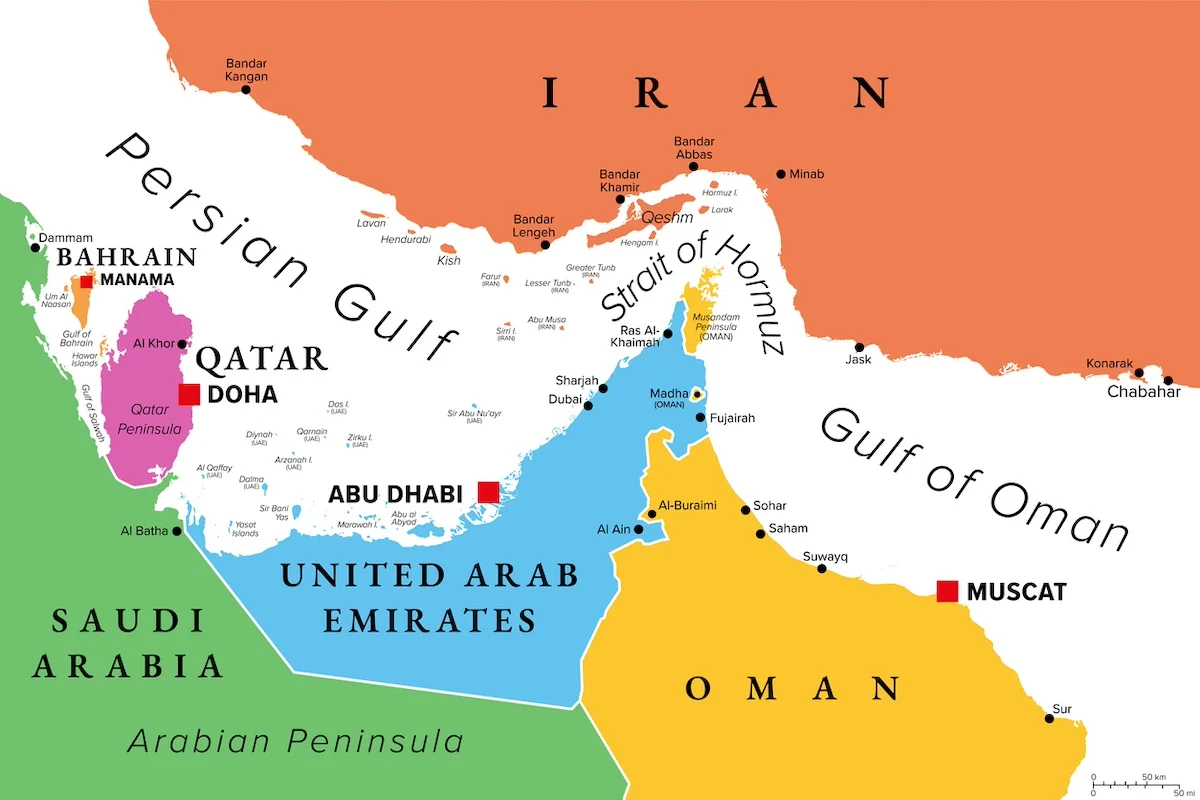
The Strait of Hormuz is one of the world’s most critical maritime chokepoints, connecting the Persian Gulf with the Arabian Sea and beyond. Approximately one-fifth of the world’s total petroleum liquids consumption, or about 21 million barrels per day (b/d), and a significant portion of global liquefied natural gas (LNG) flow through this narrow passage. Its strategic importance cannot be overstated, as disruptions here have historically triggered global energy crises and economic downturns. The effective closure of the Strait since late February, following the escalation of the U.S.-Israel bombing campaign against Iran, had choked off a substantial portion of these vital supplies, leading to soaring energy prices and widespread fears of a global recession.
For weeks, tankers had been forced to reroute or halt operations, increasing shipping costs and transit times, and forcing nations to seek alternative, often more expensive, energy sources. The blockade had not only impacted oil and gas but also other commercial shipping, raising concerns about the supply chain for various goods. Iran’s announcement, therefore, represents a tangible step towards restoring normalcy to this indispensable global trade route, offering a much-needed respite for the international economy and energy markets.
Ceasefire in Lebanon: A Crucial Precursor
The decision to reopen the Strait of Hormuz was directly linked by Iranian authorities to the 10-day truce between Israel and Hezbollah in southern Lebanon. This ceasefire, announced by U.S. President Donald Trump the previous evening, April 16, marked a crucial breakthrough after weeks of intense fighting that had claimed thousands of lives and displaced over a million people. The conflict between Israel and the Iran-backed militant group had been raging since shortly after the U.S.-Israeli bombing of Iran began on February 28, further complicating efforts by Washington and Tehran to negotiate an extension to their own two-week ceasefire, which commenced on April 7 and was set to expire next week.
On April 17, both Israel and Hezbollah appeared to be observing the truce. Hezbollah ceased launching rockets into Israeli territory overnight, and its supporters in Beirut celebrated the cessation of hostilities by firing guns into the air, a traditional sign of jubilation. Israeli Prime Minister Benjamin Netanyahu confirmed the agreement, cautiously calling it a "step toward a broader peace." President Trump, who had reportedly spoken with both Lebanese President Joseph Aoun and Prime Minister Netanyahu before declaring the ceasefire, indicated that U.S. officials would work with both sides to secure a lasting deal and extended an invitation to both leaders to the White House for further talks. This temporary cessation of hostilities in Lebanon provided the necessary political space for Iran to make its significant gesture regarding Hormuz, suggesting a coordinated effort towards regional de-escalation.
Delicate Diplomacy: US-Iran Negotiations Advance
The reopening of the Strait of Hormuz is widely seen as a significant indicator of improving relations between Washington and Tehran, coming amidst intense, albeit largely undisclosed, negotiations to end the wider conflict. President Trump had claimed on April 16 that Iran had made "key concessions" in these ongoing talks, going so far as to suggest that it might not be necessary to renew the existing U.S.-Iran truce beyond its official expiry. While Iran has yet to publicly confirm Trump’s assertions about ceding ground, particularly on the highly contentious issue of its nuclear program, the Hormuz announcement serves as a powerful demonstration of a willingness to engage constructively.
The negotiations reportedly center around a three-page plan designed to bring a comprehensive end to the war. According to a report by Axios, citing two U.S. officials and two additional sources briefed on the talks, one critical aspect of this plan involves the U.S. releasing $20 billion in frozen Iranian funds. In return, Tehran would be expected to relinquish its stockpile of enriched uranium. However, President Trump’s statements have introduced some ambiguity regarding financial aspects, as he publicly stated that "no money will exchange hands in any way, shape, or form," while simultaneously confirming the U.S. pursuit of Iran’s uranium.
The issue of Iran’s nuclear program remains a central and highly sensitive point of contention. President Trump reiterated that the "Islamic Republic will not have nuclear weapons" and firmly pushed back against any suggestions that a fixed-term moratorium on uranium enrichment was open for negotiation. This stance underscores the U.S.’s unwavering commitment to preventing Iran from developing nuclear weapons capabilities, a concern that has driven much of the international pressure and sanctions regime against Tehran for decades. The Joint Comprehensive Plan of Action (JCPOA), a 2015 nuclear deal, had previously placed limits on Iran’s enrichment activities, but its collapse and subsequent Iranian actions to increase enrichment levels have heightened global anxieties. Any comprehensive peace deal would almost certainly require robust verifiable limitations on Iran’s nuclear program.
Market Reactions: A Respite for the Global Economy
The economic implications of Iran’s decision to reopen the Strait of Hormuz and the broader signs of de-escalation are profound. The immediate plunge in oil prices, with Brent crude falling by over 10% to $89 a barrel, represents a substantial relief for consumers and businesses globally. Elevated energy prices, largely driven by the conflict and the closure of Hormuz, had been a major contributor to inflationary pressures, threatening to derail global economic recovery and potentially pushing several economies into recession. The prospect of stable and accessible oil supplies from the Persian Gulf significantly reduces the risk premium that had been built into energy markets.
Beyond oil, the positive market sentiment extended to broader financial instruments. The S&P 500’s rise of 0.8% reflected investor confidence in a reduced geopolitical risk environment and the potential for lower input costs for industries heavily reliant on energy. The weakening of the U.S. dollar against major currencies also signals a move away from safe-haven assets, as global investors become more willing to take on risk in a seemingly less volatile world. While President Trump’s predictions of a swift end to the war have been a recurring feature of the conflict, the more tangible developments on April 17, particularly regarding the Strait of Hormuz, have reinforced genuine optimism in global markets. This collective sigh of relief underscores the fragility of the global economy and its acute sensitivity to geopolitical instability in the Middle East.
The Path Forward: Challenges and International Efforts
Despite the significant positive developments, the path to a lasting peace remains fraught with challenges. While the Strait of Hormuz is now "open and ready for business" as President Trump stated on Truth Social, he also clarified that a U.S. naval blockade on the strait – designed to prevent Iran from shipping oil to global markets – would remain in place until a "broader agreement" is reached. This indicates that while the immediate physical obstruction to shipping may be lifted by Iran, significant economic sanctions and restrictions on Iranian oil exports continue to exert pressure. Any comprehensive U.S.-Iran ceasefire would necessitate a longer-term solution for Hormuz, addressing both the physical access and the legality of commercial operations.
Iran has repeatedly expressed its long-term ambition to maintain control over the Strait and is reportedly working on legislation to charge tolls for passage, a move that would undoubtedly spark international debate and potential legal challenges given the Strait’s status as an international waterway. In response to these complex dynamics, the United Kingdom and France are set to host a summit involving approximately 40 nations to discuss the formation of a multinational naval force to secure Hormuz. While such a deployment remains unlikely until a broader agreement is reached between the primary belligerents, it highlights the international community’s deep concern over the waterway’s stability and freedom of navigation.
Diplomatic efforts are intensifying on multiple fronts. Pakistan, which shares a border with Iran and maintains ties with both Washington and Tehran, has emerged as a key mediator. Pakistan’s army chief, Asim Munir, traveled to Iran earlier this week, engaging in high-level discussions aimed at bridging the divide between the two adversaries. President Trump acknowledged Pakistan’s role and even suggested he "might" travel to the country if a deal with Iran is clinched, stating, "They’ve agreed to almost everything. They got to get to the table with a pen." This sentiment, while optimistic, also underscores that crucial final steps, including formalizing agreements and securing commitments, are yet to be taken.
A Timeline of Recent Events
The recent flurry of diplomatic activity and military de-escalation is best understood within a concise chronological framework:
- February 28: The United States and Israel initiate coordinated bombing campaigns against targets within Iran, marking a significant escalation of hostilities.
- Early March: In response to the bombing campaigns and increased regional tensions, the Strait of Hormuz becomes effectively shut for commercial shipping, severely impacting global energy supplies.
- April 7: A two-week truce between the U.S. and Iran officially begins, aimed at de-escalating the broader conflict. However, regional proxy conflicts, particularly in Lebanon, continue.
- April 13: The U.S. imposes its own naval blockade on the Strait of Hormuz, specifically targeting Iran’s ability to ship oil to global markets and enforce sanctions.
- April 16: U.S. President Donald Trump announces a 10-day ceasefire between Israel and Hezbollah in southern Lebanon. He simultaneously claims that Iran has made key concessions in ongoing negotiations to end the wider war, hinting at the potential for a lasting peace deal.
- April 17: Iran’s Foreign Minister Abbas Araghchi announces the immediate reopening of the Strait of Hormuz for commercial shipping, linking the decision directly to the Israel-Hezbollah truce. Global oil prices plunge, and equity markets react positively, signaling renewed market optimism. Both Israel and Hezbollah appear to observe the truce.
- Next Week: The official expiry date for the initial two-week U.S.-Iran ceasefire, placing renewed pressure on ongoing negotiations for an extension or a permanent peace agreement.
Conclusion: Cautious Optimism for a Fragile Peace
The reopening of the Strait of Hormuz, coupled with the Israel-Hezbollah ceasefire, represents the most significant tangible progress towards de-escalation in the Middle East since the onset of the latest round of conflicts. It offers a glimmer of hope that diplomatic channels, even amidst intense hostilities, can yield positive outcomes. The immediate economic relief, particularly in the energy sector, is a welcome development for a global economy grappling with inflation and supply chain disruptions.
However, the road ahead remains complex and uncertain. The underlying issues that fueled the conflict, including Iran’s nuclear program, regional power dynamics, and the precise terms of any broader peace agreement, are still subject to intense negotiation. The continued U.S. naval blockade on Iranian oil exports, the potential for new international naval forces, and Iran’s long-term ambitions for the Strait of Hormuz all underscore the fragility of the current moment. While the recent developments warrant cautious optimism, sustained diplomatic engagement, verifiable commitments from all parties, and a willingness to compromise will be essential to translate this temporary respite into a durable and comprehensive peace for the Middle East and greater stability for the global community.

Related Posts
Delta Air Lines Adjusts Key Environmental Targets Amidst Slow Sustainable Fuel Progress
India’s Trade Deficit Narrows to $20.67 Billion in March Amidst Middle East Conflict Disruptions and Global Economic Headwinds