Global Geopolitical Tensions and Shipping Chokepoints Push Pacific Small Island Developing States to Brink of Crisis
While the ripple effects of geopolitical tensions, often termed the "Iran war" in global economic discourse due to their origins in the Middle East and impact on critical chokepoints, have reverberated through virtually every economy across the globe, the vulnerability of Pacific Small Island Developing States (SIDS) has been acutely exposed. These distant island nations, already grappling with unique developmental challenges, now face an escalating crisis driven by disruptions to maritime transport and soaring fuel costs, threatening their very lifelines.
The Strategic Imperative of Maritime Transport for SIDS
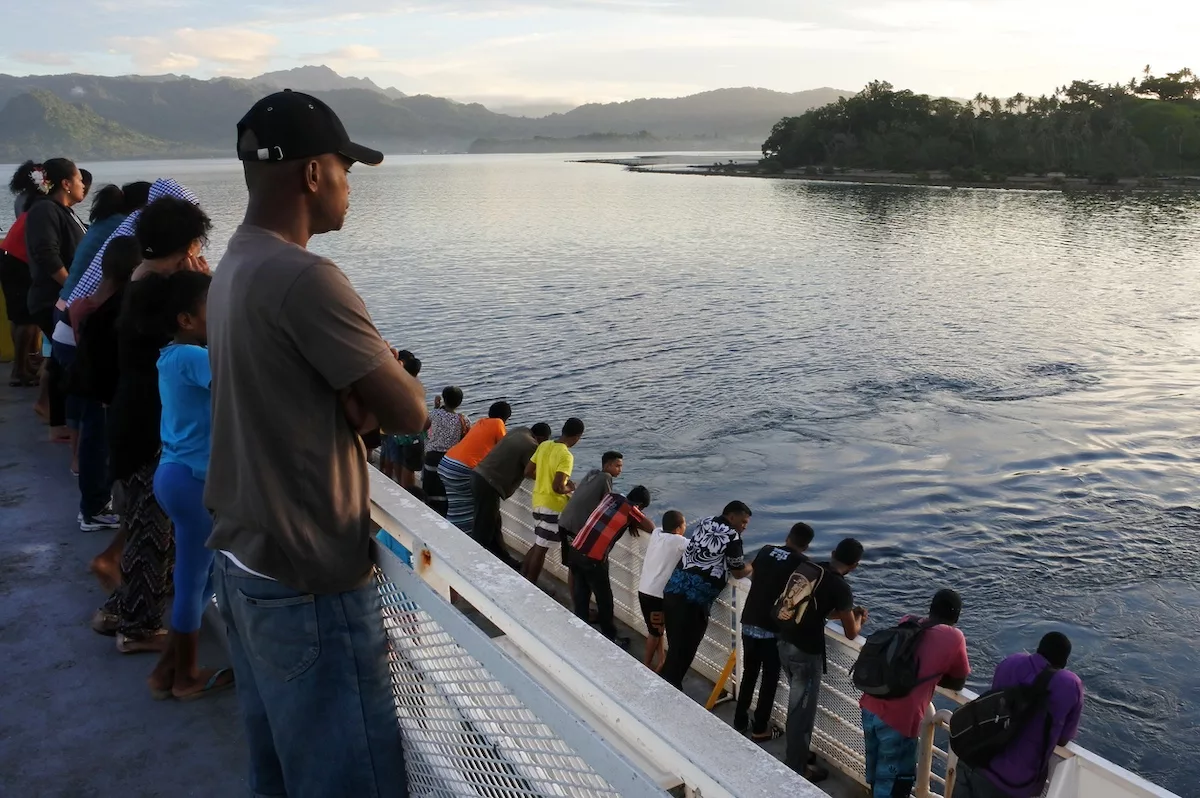
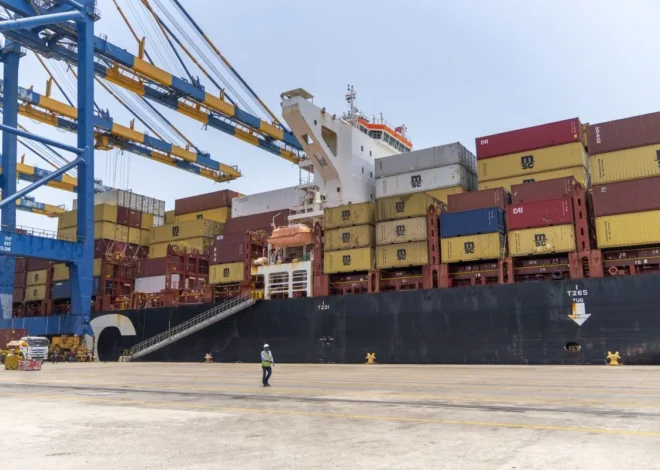
As highlighted by the United Nations Development Programme (UNDP) in an April 15 release, maritime transport is not merely a convenience but the fundamental lifeline for Pacific SIDS. These island nations are characterized by their vast oceanic distances, often thousands of miles from their closest neighboring landmasses, necessitating an almost complete reliance on sea-borne cargo for essential goods. The UNDP’s assessment underscores that these SIDS possess some of the most tenuous and infrequent shipping connections in the world. For many, container ship port calls are a scarce occurrence, with some islands receiving as few as 40 to 50 shipments annually. This infrequent service makes them extraordinarily sensitive to any disruptions in the global supply chain, turning distant geopolitical tremors into immediate, localized catastrophes.
The unique geography of the Pacific SIDS, an archipelago spread across millions of square kilometers of ocean, dictates that everything from food staples and medical supplies to construction materials and refined fuels must arrive by ship. Unlike larger continental nations that can rely on diverse transport networks including road, rail, and air freight for domestic distribution, island nations have no viable alternatives to sea transport for bulk goods. This inherent logistical challenge means that any volatility in international shipping, whether due to increased freight costs, rerouting, or reduced vessel availability, directly impacts the cost and availability of every commodity on their shores. Their economic structures, often small and open, are disproportionately reliant on imports for consumption and exports for revenue, making them acutely susceptible to external shocks.
Background: Geopolitical Volatility and the Strait of Hormuz
The "Iran war" reference in the context of global economic impacts typically alludes to heightened geopolitical tensions in the Middle East, particularly involving Iran, and their direct implications for global energy markets and maritime security. The Strait of Hormuz, a narrow waterway separating Iran and Oman, is arguably the world’s most critical oil chokepoint. Approximately one-fifth of the world’s total petroleum liquids consumption, or about 21 million barrels per day, passes through this strait. Any perceived threat to shipping in this strategic passage, whether from military exercises, naval incidents, or political brinkmanship, immediately sends shockwaves through global oil prices and insurance premiums for shipping.
Historically, periods of increased tension in the Persian Gulf region have consistently led to spikes in crude oil prices and significant increases in maritime shipping costs due to heightened risk assessments by insurers and shipping companies. These costs are then passed down the supply chain, disproportionately affecting economies at the "end of the supply chain," such as the Pacific SIDS. While no direct military conflict on the scale of a conventional "war" might be underway, the constant threat of disruption and the ensuing market speculation are enough to create a volatile environment for global energy and logistics. For instance, past incidents involving tanker seizures, attacks on oil infrastructure, or naval confrontations have demonstrated the immediate and far-reaching impact on global trade and commodity prices. The lingering uncertainty surrounding the Strait of Hormuz’s full and unhindered access for tankers, as noted in the original assessment, continues to fuel this crisis for the most vulnerable nations.
Chronology of Escalation and Emergency Responses
The current crisis for Pacific SIDS has unfolded rapidly, demonstrating the immediate repercussions of distant geopolitical events:
- Early April: Global oil prices begin to show renewed volatility amid escalating tensions in the Middle East, impacting shipping costs and bunker fuel prices worldwide.
- April 14: The Polynesian nation of Tuvalu, one of the world’s smallest and most remote countries, formally declares a state of emergency. This declaration came as the nation faced critical shortages of imported diesel, on which it depends for over 90% of its energy needs. Reports indicated daily blackouts were already afflicting the population, disrupting essential services and daily life.
- April 15: The United Nations Development Programme (UNDP) issues a comprehensive release, drawing global attention to the severe exposure of Pacific SIDS. The report explicitly links the crisis to disruptions originating from global fuel supplies and the precariousness of maritime transport to these remote islands.
- Mid-April: Following Tuvalu’s declaration, other Pacific SIDS began to register the severe strain. The Marshall Islands announced a 90-day economic emergency, a drastic measure indicating widespread economic stress. Vanuatu, another island nation, issued public warnings to its citizens regarding impending and significant increases in electricity prices, directly attributable to the rising cost of imported fuel.
- Ongoing: Fiji, a regional hub and larger economy within the Pacific, urged its citizens to refrain from panic buying or hoarding fuel. This advisory underscored concerns about maintaining stable domestic supplies and preventing market instability exacerbated by consumer behavior.
These declarations and warnings paint a clear picture of a region rapidly descending into a multifaceted crisis, propelled by external factors largely beyond their control.
Fuel Dependence and Economic Fragility: A Deep Dive
The statement by Tuya Altangerel, a senior UNDP official in the Pacific region, to UN News – "We are at the end of the supply chain" – succinctly captures the profound vulnerability of these nations. For Tuvalu, where over 90% of its energy is derived from imported diesel, the impact of fuel shortages is immediate and catastrophic. This diesel powers not only the nation’s electricity grids but also generators for essential services like hospitals, water pumps, communication networks, and transportation systems. Without a consistent and affordable supply, the very fabric of daily life unravels.
This extreme dependence on imported fossil fuels is not unique to Tuvalu. Most Pacific SIDS share a similar energy profile, with limited indigenous energy resources and nascent renewable energy infrastructure. Their economies are often characterized by small domestic markets, a high reliance on a few primary sectors (such as tourism, fisheries, and remittances), and significant vulnerability to external shocks. For example, a surge in fuel prices directly inflates the cost of fishing operations, impacting a vital source of food security and export revenue. Similarly, the cost of running tourist facilities, which are often heavily reliant on imported energy and goods, increases, making these destinations less competitive and potentially jeopardizing their post-pandemic recovery efforts.
The economic implications extend far beyond direct energy costs. Higher fuel prices lead to increased transportation costs for all imported goods, resulting in widespread inflation. This erodes the purchasing power of households, exacerbates poverty, and strains national budgets that must either subsidize fuel or face public discontent. Development projects, often reliant on imported machinery and fuel, face delays or increased costs, hindering progress towards sustainable development goals. The tenuous nature of their shipping connections means that even if fuel is available at a higher price, its delivery can be inconsistent, leading to periods of scarcity that further cripple economic activity and social services.
Official Responses and Calls for Broader Action
The UNDP’s prominent role in highlighting this crisis underscores the urgency of international cooperation. Beyond simply reporting on the situation, the UNDP typically advocates for long-term solutions aimed at building resilience in SIDS. This includes calls for accelerated investment in renewable energy technologies such as solar and wind power, which would reduce their reliance on volatile fossil fuel markets. They also emphasize the need for diversified supply chains, regional strategic reserves for essential goods and fuels, and improved port infrastructure to handle larger or more frequent shipments.
National governments in the Pacific, while issuing emergency declarations, are also exploring immediate mitigation strategies. These might include rationing existing fuel supplies, negotiating bulk purchases with neighboring countries or international partners, or exploring alternative, albeit temporary, shipping routes. However, their limited financial resources and negotiating power often restrict the scope and effectiveness of such measures. The collective voice of the Pacific Islands Forum and other regional bodies becomes crucial in lobbying for international support and preferential trade agreements that could alleviate some of these pressures.
The dire warning from UN News – "What begins as a crisis in a distant shipping chokepoint can quickly become a crisis of affordability and power supply, disconnecting vulnerable island communities from the rest of the world" – serves as a stark reminder of global interconnectedness. It highlights how geopolitical events, seemingly far removed, can have disproportionately severe humanitarian and developmental consequences for the world’s most vulnerable populations. This perspective emphasizes that the crisis in the Pacific is not just a regional issue but a global concern demanding a coordinated international response.
Broader Impact and Long-Term Implications
The current fuel and shipping crisis in the Pacific SIDS has far-reaching implications across socio-economic and environmental dimensions:
- Socio-Economic Disruption: Daily blackouts, as reported in Tuvalu, severely disrupt essential services. Hospitals struggle to maintain operations, refrigerate medicines, and power life-saving equipment. Schools face challenges in providing uninterrupted education, particularly in an increasingly digital world. Communication networks can become unstable, isolating communities further. The cost of living surges, making basic necessities unaffordable for many households, potentially leading to increased poverty and social unrest. Food security is also a major concern, as imported food becomes more expensive and difficult to access, and local fisheries are hampered by fuel costs.
- Hindrance to Development Goals: The crisis directly undermines progress towards several Sustainable Development Goals (SDGs), particularly SDG 7 (Affordable and Clean Energy), SDG 8 (Decent Work and Economic Growth), SDG 9 (Industry, Innovation, and Infrastructure), and SDG 13 (Climate Action). The increased reliance on diesel, even temporarily, for power generation contradicts climate goals and exacerbates the very climate vulnerabilities that SIDS are at the forefront of experiencing.
- Exacerbated Climate Vulnerability: While not directly a climate event, this crisis is inextricably linked to the broader challenges faced by SIDS, including climate change. Their geographic isolation and small economies make them highly vulnerable to both climate impacts and external economic shocks. The current situation acts as a stress test, revealing the profound need for resilient infrastructure and diversified economies that can withstand multiple threats. It underscores that energy security is a critical component of climate adaptation and overall national resilience.
- Geopolitical Repercussions: The prolonged vulnerability of Pacific SIDS could also have geopolitical implications. As these nations struggle, they may seek aid and partnerships from a wider array of international actors, potentially shifting regional influence dynamics. The crisis could also strengthen calls for greater recognition of SIDS’ unique challenges on the global stage, advocating for specific provisions in international trade and climate finance mechanisms.
Building Resilience and Charting a Sustainable Future
The deepening crisis underscores the urgent need for Pacific SIDS to accelerate their transition towards greater self-sufficiency and resilience. Key strategies include:
- Renewable Energy Transition: This crisis provides a powerful impetus for investing heavily in solar, wind, and potentially geothermal energy. While initial costs can be high, the long-term benefits of energy independence from volatile global markets are substantial. International climate finance and development partners must prioritize funding for such projects.
- Strengthening Supply Chains: This involves exploring options like regional shipping hubs, establishing strategic reserves of fuel and essential goods, diversifying import sources, and improving port and logistics infrastructure to enhance efficiency and reduce turnaround times.
- Regional Cooperation: Enhanced collaboration among Pacific SIDS can lead to pooled resources, collective bargaining power for fuel and shipping contracts, and shared knowledge on resilience strategies. Regional initiatives for disaster preparedness and economic diversification are also crucial.
- Digital Transformation: While physical goods remain essential, leveraging digital technologies for remote work, education, healthcare, and governance can reduce the demand for certain physical imports and enhance connectivity, offering alternative pathways for development and communication even during physical disruptions.
- International Support and Advocacy: SIDS must continue to advocate strongly on the international stage for fair trade practices, climate finance, and debt relief, recognizing that their economic and existential vulnerabilities are often a consequence of global systems and events beyond their control.
The current crisis emanating from distant geopolitical tensions serves as a stark and painful reminder that global interconnectedness means no nation is truly isolated. For the Pacific Small Island Developing States, being at the "end of the supply chain" means they are often the first and hardest hit by disruptions, facing an existential challenge that demands immediate attention and sustained commitment from the global community.


Related Posts

Delta Air Lines Adjusts Key Environmental Targets Amidst Slow Sustainable Fuel Progress
India’s Trade Deficit Narrows to $20.67 Billion in March Amidst Middle East Conflict Disruptions and Global Economic Headwinds