
Avoid the Spam Folder: Email Deliverability Tips You Can’t Ignore
You’ve invested countless hours crafting compelling subject lines that entice opens, meticulously shaping email copy to resonate with your audience, and meticulously building automation workflows, all culminating in that moment of hitting "send" with quiet confidence. Yet, the crushing reality for many entrepreneurs is that their carefully constructed messages vanish into the abyss of the spam folder, unseen and unread. This isn’t a reflection of your content’s quality or the desirability of your offer, but rather an invisible force, a background process governed by email providers, deeming your message unworthy of the recipient’s inbox. This is the stark challenge of email deliverability, a critical factor that renders even the most brilliant email strategies ineffective if your messages fail to reach their intended destination.
The good news is that deliverability is not an insurmountable obstacle. With a clear understanding of the underlying mechanisms, protecting your email’s journey to the inbox becomes a manageable and strategic endeavor. This article delves into the fundamental principles of email deliverability, providing actionable insights for businesses striving to ensure their communications cut through the digital noise.
The Crucial Distinction: Delivery vs. Deliverability
It’s essential to differentiate between "delivery" and "deliverability." When an email is merely "delivered," it signifies that it successfully bypassed a hard bounce – it reached the recipient’s mail server. However, this does not guarantee it will land in the primary inbox. The ultimate destination – inbox, promotions tab, or spam folder – is determined by deliverability, a metric that directly impacts revenue generation and customer engagement.
Email deliverability, therefore, refers to your capacity to land emails directly into the inbox. It’s a complex interplay of technical configurations, sending practices, list quality, and content characteristics, all continuously monitored and scored by major email service providers (ESPs) such as Gmail, Outlook, and Yahoo. Mastering deliverability ensures your messages reach their intended audience, while neglecting it can lead to even your most effective campaigns being silently buried, lost to subscribers forever.
For e-commerce founders, this is not a peripheral concern. A 20% deliverability rate means that, effectively, 20% of your email list has been rendered inaccessible overnight. This damage is often insidious, with founders only noticing the impact through declining open rates and a gradual erosion of revenue, often without pinpointing the root cause.
Sender Reputation: The Credit Score of Your Email Program
The concept of sender reputation can be likened to a credit score for your email marketing efforts. Every time you send an email, ESPs are observing a multitude of factors. They analyze open rates, the rate at which emails are ignored, the number of spam complaints received, and the frequency of bounces. Collectively, these behaviors contribute to a reputation score associated with your sending domain and IP address.
A robust sender reputation signifies trust, leading ESPs to favor your emails for inbox placement. Conversely, a weakened reputation can result in your messages being filtered, deprioritized, or outright blocked, sometimes without prior notification.
Two primary factors can rapidly degrade sender reputation: high bounce rates and spam complaints. High bounces indicate a lack of list hygiene, suggesting that your contact list contains outdated or invalid email addresses. Spam complaints, on the other hand, signal that recipients did not wish to receive your message, indicating a misalignment between your content and subscriber expectations. Either of these issues serves as a red flag to ESPs, prompting them to adjust their filtering mechanisms accordingly.
This underscores the paramount importance of cultivating a warm, engaged subscriber list. The positive engagement signals generated through thoughtful email automation not only drive revenue but also act as a protective shield for your sender reputation. Data from HubSpot suggests that companies with well-maintained email lists and strong deliverability can see up to a 760% increase in revenue from email marketing.
Authentication: The Non-Negotiable Digital ID
If sender reputation is your credit score, then email authentication protocols are your digital identification. SPF (Sender Policy Framework), DKIM (DomainKeys Identified Mail), and DMARC (Domain-based Message Authentication, Reporting & Conformance) are critical technical standards that validate the legitimacy of your email transmissions. They provide ESPs with verifiable proof that your emails genuinely originate from your domain, rather than from malicious actors attempting to impersonate you. Without proper authentication, even legitimate emails risk being flagged, filtered, or rejected.
- SPF: This protocol specifies which mail servers are authorized to send email on behalf of your domain. It acts as a whitelist, telling receiving servers which IP addresses are permitted to send emails from your domain.
- DKIM: DKIM adds a digital signature to outgoing emails, allowing receiving servers to verify that the email was not tampered with in transit and that it was indeed sent by the domain owner.
- DMARC: DMARC builds upon SPF and DKIM by providing instructions on how receiving servers should handle emails that fail these authentication checks. It also offers reporting capabilities, allowing domain owners to monitor who is sending emails from their domain and identify potential abuse.
Many modern email marketing platforms, such as Omnisend, streamline the setup of these authentication protocols, often integrating them into the onboarding process or handling them automatically. However, it is prudent for businesses to periodically verify that SPF, DKIM, and DMARC are correctly configured for their sending domains. A missing or improperly configured DKIM record is a common culprit for legitimate emails landing in spam, and rectifying this typically requires less than fifteen minutes.
List Hygiene: The Unsung Hero of Deliverability
While not as glamorous as crafting a viral campaign, maintaining impeccable list hygiene is arguably one of the most potent strategies for safeguarding email deliverability. Over time, every email list accumulates inactive or invalid contacts. These can include obsolete email addresses, contacts who signed up years ago and have never engaged, or those with typos that were never corrected at the point of capture. These dormant contacts contribute nothing to your engagement metrics and actively inflate your bounce rates, signaling to ESPs that your list quality is deteriorating.
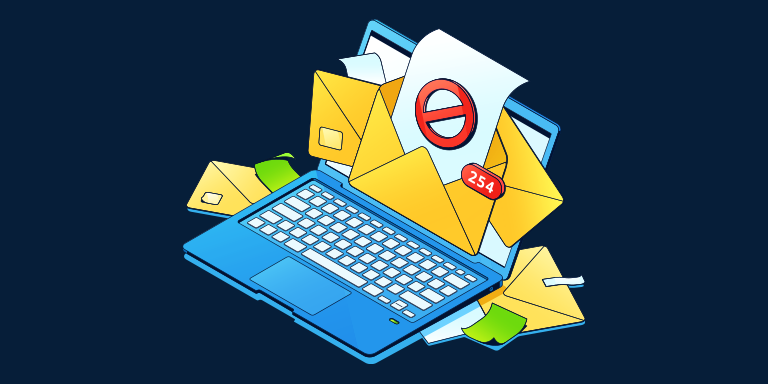
The solution is straightforward: prune your list. Implement a re-engagement campaign for subscribers who haven’t opened or clicked your emails in a defined period, typically 90 to 180 days. This campaign should present a clear call to action, encouraging them to reaffirm their interest. Those who do not engage should be removed from your active list. While it may feel counterintuitive to shrink your subscriber count, a smaller, healthier list consistently yields superior inbox placement rates compared to a bloated, unengaged one.
Furthermore, it is imperative to suppress hard bounces immediately and closely monitor soft bounce rates. Reputable email platforms generally handle hard bounces automatically, but incorporating regular list hygiene audits into your sending schedule, especially before launching significant campaigns, is a best practice.
Another crucial element is the method by which subscribers join your list. While double opt-in may not be the most celebrated growth tactic, it yields subscribers who have explicitly confirmed their desire to receive your communications. This confirmation significantly enhances both engagement rates and long-term deliverability. Research from Validity, a leading email deliverability platform, indicates that brands using double opt-in experience a 20% higher inbox placement rate compared to those using single opt-in.
Engagement Signals: The Direct Link to Inbox Placement
Email providers are not solely focused on your technical setup; they meticulously analyze subscriber interactions with your emails. When subscribers open your messages, click on links, reply to your communications, or actively move an email from the spam folder to their inbox, these are all positive signals. They inform ESPs that recipients genuinely value your content, increasing the likelihood that future emails will be delivered to the inbox.
Conversely, low open rates, ignored emails, and spam complaints convey the opposite message to ESPs, leading them to adjust your deliverability status accordingly. This is where content strategy and deliverability converge. Crafting emails that your audience genuinely desires is not merely a conversion tactic; each subscriber engagement is a vote of confidence for your inbox placement.
The importance of a well-executed welcome series cannot be overstated. The initial emails a new subscriber receives set the tone for their entire relationship with your brand. Strong opens and clicks from new subscribers immediately begin building a positive sender reputation from day one. A lack of engagement from the outset can, conversely, erode this reputation. A study by Mailchimp found that welcome emails have an average open rate of 50%, significantly higher than other email types, highlighting their critical role in establishing engagement.
Content Habits That Can Trigger Spam Filters
Modern spam filters have evolved far beyond simply scanning for keywords like "free." Today’s sophisticated filters analyze hundreds of signals simultaneously, including your sending history, domain reputation, HTML structure, and, yes, certain content patterns historically associated with spam.
Entrepreneurs should be mindful of several content-related habits that can inadvertently trigger spam filters:
- Excessive Use of All Caps and Exclamation Points: Overuse of uppercase letters and exclamation marks can be perceived as aggressive or attention-seeking, mimicking the tone of spam messages.
- Misleading or Deceptive Subject Lines: Subject lines that do not accurately reflect the email’s content or create a false sense of urgency are a common trigger for spam filters.
- Over-reliance on Images Without Sufficient Text: Emails that are predominantly image-based, with little accompanying text, can be problematic. Spam filters may struggle to interpret image content, and some users disable image loading by default.
- Use of Spammy Keywords and Phrases: While less prevalent than in the past, certain words and phrases commonly found in spam (e.g., "guaranteed," "earn money fast," "act now") can still raise red flags.
- Poorly Formatted HTML: Emails with cluttered HTML, broken links, or excessive use of different fonts and colors can be interpreted as unprofessional and potentially spammy.
It is important to note that incorporating personality into your emails remains crucial. The psychological principles behind high-converting emails still apply. However, a deliberate approach to writing and formatting ensures that the hard work invested in content is actually seen by your audience.
Conclusion: Deliverability as an Ongoing Practice
Deliverability is not a one-time fix; it is a continuous practice that requires ongoing attention and optimization. The entrepreneurs who consistently achieve inbox placement are not those who simply set up their DNS records once and forgot about them. Instead, they prioritize list quality, maintain sending consistency, and actively foster subscriber engagement as ongoing imperatives, rather than afterthoughts.
The frustrating nature of deliverability lies in its invisibility until it falters. By the time a noticeable drop in open rates occurs, the damage to sender reputation may already be significant. The most effective strategy is to cultivate proactive habits that safeguard your reputation before problems arise.
Platforms like Omnisend are designed to address these challenges head-on. They provide essential infrastructure for founders, including deliverability monitoring tools, support for authentication setup, robust list health features, and intelligent sending mechanisms that automatically protect sender reputation. This integrated approach empowers businesses to build email programs that reliably reach their intended audience.
For Foundr readers, an exclusive offer of 50% off the first three months of Omnisend is available. By using the code FOUNDR50 during signup, entrepreneurs can leverage a powerful platform to ensure their email communications land where they are meant to, fostering stronger customer relationships and driving sustainable business growth.