
Automating the Wrong Things: The Critical Distinction Between "Getting Through" and "Doing" Work in the Age of AI
The relentless march of technological advancement, particularly in the realm of artificial intelligence (AI), presents a profound challenge to how we conceptualize and execute our professional lives. While the allure of automation promises unprecedented efficiency and productivity, a crucial distinction emerges: the difference between tasks that simply need to be "gotten through" and those that must be actively "done." This nuanced understanding is not merely an academic exercise but a fundamental determinant of personal and professional growth, particularly as AI capabilities expand to mimic creative and analytical human functions.
The contemporary discourse surrounding AI often centers on its potential to streamline processes, reduce operational costs, and accelerate output. Businesses and individuals alike are investing heavily in AI-powered tools to automate repetitive tasks, analyze vast datasets, and even generate content. However, this focus on output and efficiency risks overlooking a more profound aspect of work: the intrinsic value derived from the act of doing itself. This "doing" work, as it will be explored, is not about mere task completion but about the developmental journey, the cultivation of unique skills, and the forging of individual identity within one’s professional sphere.
The "Spiritual Exercise" of Essential Labor
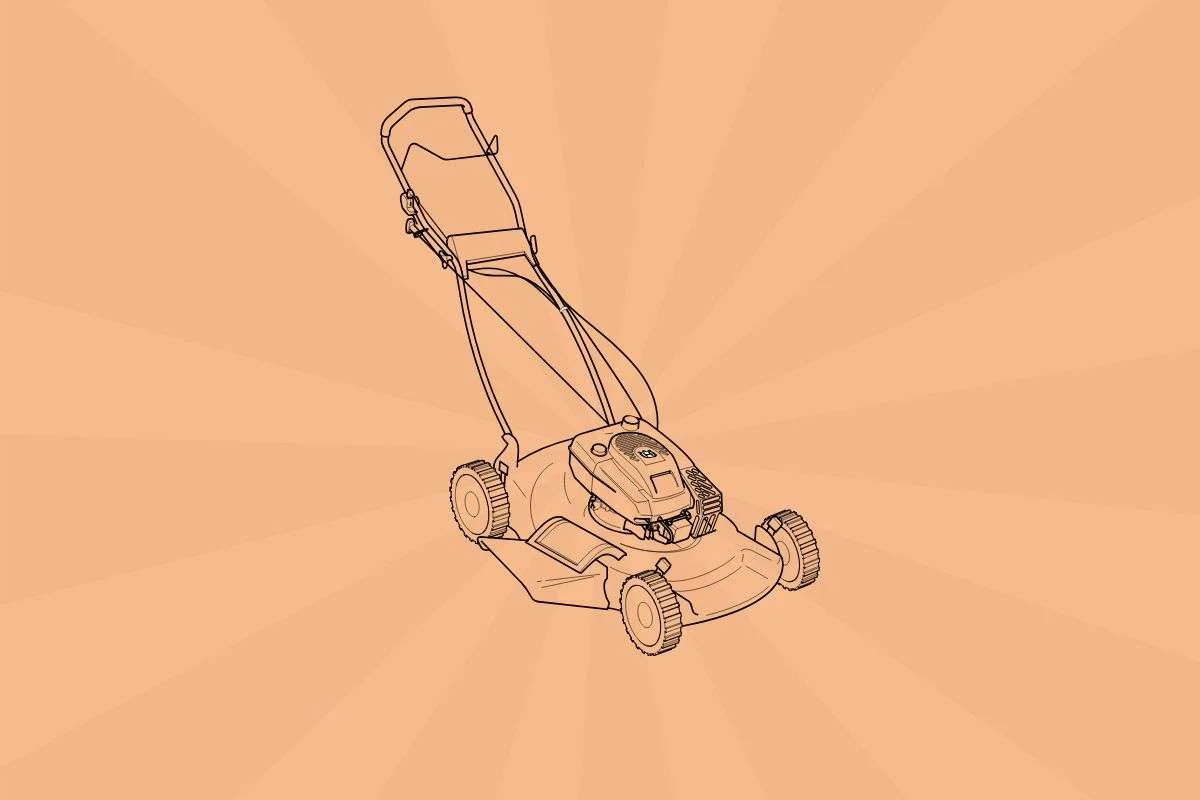
Consider the analogy of a weekly chore: maintaining a large lawn. For many, this is a mundane, time-consuming task best delegated to paid services. The economic argument is straightforward: one’s professional time is more valuable than the cost of outsourcing manual labor. This perspective, often framed in terms of "time arbitrage" and "leveraging assets," is undeniably sound for many individuals and businesses focused on maximizing immediate financial returns.
However, for some, this seemingly trivial chore transcends its practical necessity. The act of mowing a lawn, in this context, becomes a "spiritual exercise." It is not about the grass itself, but about the uninterrupted hour it provides for a specific, low-cognitive-load activity that occupies the hands while freeing the mind. This dedicated, predictable time becomes a sanctuary for introspection and creative germination. It is during these seemingly mundane periods of physical engagement, divorced from the immediate pressures of output-driven tasks, that the most valuable insights and creative endeavors often take root.
This period of quiet contemplation, free from the demands of constant digital engagement and rapid-fire communication, is where foundational ideas are born. The seven books written by the individual in this analogy, the extensive podcast content produced, and the impactful speeches delivered to large audiences – all originated not in a flurry of AI-assisted brainstorming, but in the fertile ground of dedicated, personal thought. The act of "mowing," in this sense, is not a distraction from work; it is the very engine of it. It is the "doing" of the core work that fuels the eventual "output."
Distinguishing Between "Through" Work and "Doing" Work
In the professional landscape, this dichotomy translates into two distinct categories of tasks: "through" work and "doing" work.
"Through" Work: This category encompasses tasks that are necessary for operational functionality but do not inherently contribute to personal or professional development in a transformative way. These are often routine, administrative, or highly specialized functions that, while important, can be effectively delegated or automated without compromising the individual’s core competencies or creative capacity. Utilizing AI to streamline these "through" tasks – for instance, automating data entry, scheduling meetings, or generating routine reports – is a legitimate and often essential strategy for enhancing efficiency and freeing up valuable human capital. The objective here is to expedite completion and minimize resource expenditure.
"Doing" Work: This is the more critical category. It refers to tasks that, by their very nature, require active engagement, critical thinking, problem-solving, and often, a degree of personal investment that fosters growth and transformation. This is the work that shapes an individual’s expertise, refines their perspective, and ultimately, defines their unique contribution. If these "doing" tasks are consistently offloaded to AI or other automated processes, the individual may still achieve the desired output, but they will forfeit the invaluable journey of learning, adaptation, and personal evolution that the activity itself provides. This leads to a situation where one possesses the fruits of labor without having undergone the transformative process of cultivation.
The Peril of Outsourcing Transformative Activity
The danger lies in the subtle erosion of "doing" work. When the immediate gratification of automated output overshadows the long-term benefits of personal engagement, a perilous path is tread. Over time, the continuous avoidance of these essential "doing" activities can lead to an atrophy of the very skills and insights that were once central to one’s professional identity. The ability to perform this core work diminishes, leaving individuals reliant on external tools rather than their own honed capabilities. This creates a dependency where the output is maintained, but the underlying capacity for innovation and deep understanding withers.
This phenomenon can be likened to teleporting to a destination without experiencing the journey. While the arrival is achieved, the lessons learned, the challenges overcome, and the personal growth fostered by the voyage are lost. The meaning and richness of the endeavor are sacrificed for the sake of expediency.
AI as a Catalyst for Re-evaluation
The rise of sophisticated AI technologies, capable of mimicking human imagination, intuition, and complex reasoning, acts as a powerful catalyst, forcing a re-evaluation of what it truly means to be human in the workforce. As AI systems become increasingly adept at tasks previously considered the exclusive domain of human intellect, fundamental questions arise: "If a machine can replicate creative output, what is the unique value of a human being?"
The answer, increasingly, lies not solely in the final product but in the process. Humans are, in essence, "breathing time machines" – entities that transform through experience and engagement. The value of human work is inextricably linked to the transformative journey undertaken, the challenges met, and the personal evolution that occurs along the way. AI can certainly assist in navigating this journey, but it cannot, and should not, replace the essential act of personal engagement with the work that shapes us.
Identifying and Protecting "Doing" Work
The critical task for professionals and organizations alike is to identify their "doing" work – the activities that are core to their calling and essential for personal and collective growth. This requires a conscious shift in perspective, moving beyond a singular focus on quantifiable output to a deeper appreciation for the qualitative experience of the work itself.
1. Self-Assessment and Task Categorization:
Begin by meticulously analyzing daily and weekly tasks. Categorize each activity as either "through" work (tasks that can be automated or delegated without significant loss of personal development) or "doing" work (tasks that require personal engagement, critical thinking, and contribute to skill development and transformation).
2. Prioritizing and Protecting "Doing" Time:
Once identified, "doing" work must be actively protected. This may involve consciously carving out dedicated blocks of time for focused, uninterrupted engagement with these tasks. This could manifest as scheduled "thinking time," dedicated periods for deep work, or even the deliberate choice to perform certain manual or low-cognitive-load activities that facilitate introspection.
3. Strategic Integration of AI:
AI should be viewed as a powerful tool to augment human capabilities, not replace them entirely. For "through" work, AI can be leveraged to enhance efficiency, reduce costs, and accelerate processes. For "doing" work, AI can serve as an assistant, providing data, generating initial drafts, or identifying potential solutions, but the ultimate decision-making, creative refinement, and personal imprint must remain with the human.
4. Fostering a Culture of "Doing":
Organizations must cultivate an environment that values and encourages "doing" work. This means recognizing the importance of process alongside outcome, providing opportunities for employees to engage in challenging and transformative tasks, and supporting initiatives that promote deep thinking and skill development. Performance metrics may need to evolve to incorporate elements that acknowledge the value of learning, experimentation, and personal growth.
The Future of Work: Human Transformation Amidst Automation
The current technological landscape, characterized by rapid AI advancement, presents a unique juncture. We are no longer simply optimizing for efficiency; we are being compelled to define what makes human contribution unique and valuable. The ability to perform "doing" work – the work that transforms us, shapes our voice, and enriches our understanding – is paramount.
As AI continues to evolve, its capacity to mimic human output will only grow. However, it cannot replicate the subjective experience of growth, the hard-won wisdom derived from struggle, or the unique perspective forged through personal engagement. The future of meaningful work lies in understanding this distinction, protecting the activities that nurture our core capabilities, and strategically leveraging AI to amplify our human potential, rather than allowing it to erode the very essence of what makes our work truly impactful. The choice is not between automation and human labor, but between automating the trivial and cherishing the transformative.



Related Posts
Three Practical Tips for Thinking More Strategically Emerge from Seth Godin’s Latest Insights

The Leader’s Imperative: Cultivating Brave Work Through Agency and Optimistic Vision