Agentic AI Transforms Warehouse Operations, Paving Way for Self-Healing Supply Chains
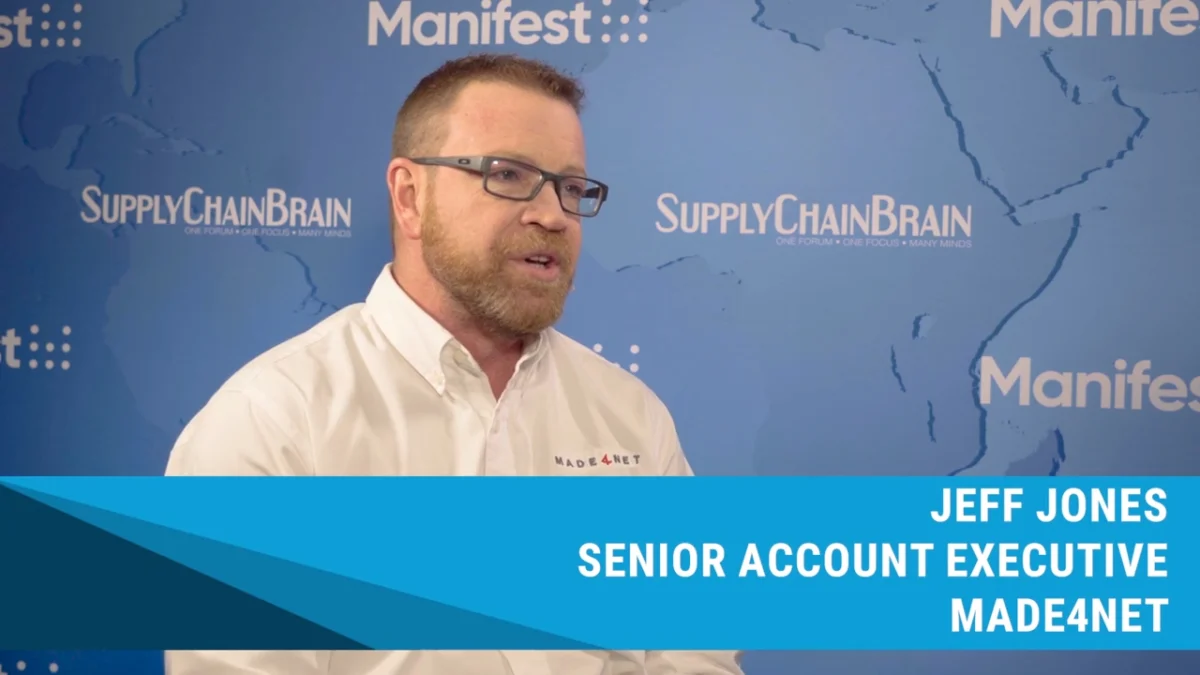
Agentic artificial intelligence, characterized by its actionable, decision-making capabilities, is no longer a futuristic concept but a tangible reality actively shaping today’s warehouse environments. This assertion comes from Jeff Jones, a senior account executive at Made4Net, a prominent provider of supply chain execution solutions. Jones highlights agentic AI’s profound potential to revolutionize logistical processes by introducing a "self-healing system" that significantly reduces non-value-added human interaction, primarily by autonomously handling exceptions and mitigating challenges to ensure timely dispatch of shipments.
This transformative shift, however, does not imply a complete relinquishment of human oversight. Jones clarifies that the deployment of agentic AI is fundamentally "built on policy, on the rule set employed and entered by a human as to how they want to operate their system." This crucial human-defined framework allows agentic AI to "make adjustments or handle these exceptions as the day-to-day volatility of orders comes into the warehouse, and it can handle that more efficiently than a human can." The ability of these systems to adapt and respond dynamically to unforeseen operational disruptions marks a significant leap forward from previous generations of AI.
The Evolution of AI in Warehouse Management
The journey towards sophisticated AI in warehousing has been incremental, building upon decades of automation and data-driven insights. Initially, warehouses embraced mechanization, with conveyer belts, automated storage and retrieval systems (AS/RS), and early robotics streamlining repetitive tasks. The advent of Warehouse Management Systems (WMS) in the 1970s and 80s brought digital control and inventory tracking, laying the groundwork for more intelligent operations.
The late 20th and early 21st centuries saw the integration of predictive AI. These systems, utilizing historical data, could forecast demand, optimize inventory levels, and predict equipment maintenance needs. They offered valuable insights, enabling proactive planning but largely stopping short of autonomous action. For instance, a predictive AI might identify a surge in demand for a particular product and recommend a stock increase, but a human manager would still need to approve and execute the order.
More recently, generative AI has entered the logistics landscape, primarily in areas like route optimization, complex problem-solving, and even generating new operational strategies based on vast datasets. While powerful in its analytical and creative capacities, generative AI typically still requires human interpretation and execution of its outputs.
Agentic AI represents the third wave, moving beyond prediction and generation to autonomous execution within defined parameters. This progression is not merely about speed but about systemic resilience and efficiency. The shift is particularly timely given the persistent challenges faced by the global supply chain, including labor shortages, escalating e-commerce demands, and increasing operational complexities. The World Economic Forum, in its "Future of Jobs Report," consistently highlights the growing importance of AI and automation in transforming various industries, with logistics and supply chain management being at the forefront.
The Mechanics of a "Self-Healing" Warehouse
To understand agentic AI, it’s essential to visualize its operational framework. Unlike conventional automation that follows rigid, pre-programmed sequences, agentic AI operates with a degree of autonomy to make real-time decisions. For example, if a key piece of machinery on a packing line experiences an unexpected fault, a traditional system would halt, awaiting human intervention. An agentic AI system, however, could:
- Detect the Anomaly: Sensors and diagnostic tools identify the equipment malfunction.
- Assess Impact: The AI rapidly analyzes the impact on current order fulfillment schedules, identifying affected shipments and potential delays.
- Formulate Alternatives: Based on pre-defined policies and available resources, the AI could instantly reroute affected orders to an alternative packing station, reallocate available personnel, or even dynamically adjust delivery timelines for non-critical shipments.
- Execute Decision: The AI initiates the necessary changes across the WMS, instructing other automated systems (e.g., robotic arms, AGVs) or human operators on the revised plan.
- Monitor and Adjust: It continuously monitors the situation, ensuring the implemented solution is effective and making further micro-adjustments as needed.
This "self-healing" capability is crucial in high-volume, time-sensitive environments where even minor disruptions can cascade into significant delays and financial losses. According to a report by McKinsey & Company, companies that effectively leverage AI in their supply chains can see improvements of 15% in inventory costs, 35% in service levels, and 60% in warehousing and logistics costs. Agentic AI pushes these efficiencies further by automating the decision-making loop itself.
Challenges to Widespread Adoption: The Purity of Data
Despite its immense promise, Jones laments that more companies aren’t leveraging agentic AI now, noting, "We’re on the journey now, but most companies have only moved from predictive to generative AI, not agentic." A primary impediment, he asserts, is the pervasive issue of "bad data."
"Bad data is notoriously common inside of warehouse systems," Jones emphasizes. "So until we find a way to maximize the cleanliness and purity of the data, I think that’s going to prevent us from seeing the full benefit of agentic AI." This is a critical point. Agentic AI, by its very nature, relies on accurate, consistent, and comprehensive data to make informed decisions. If the underlying data is flawed – whether due to manual entry errors, system integration issues, or outdated records – the AI’s decisions will be compromised, potentially leading to incorrect actions, inefficiencies, and even significant operational disruptions.
The problem of poor data quality is systemic in many legacy warehouse operations. Data might be fragmented across different systems, input inconsistently by various operators, or simply inaccurate due to human error. A study by IBM estimated that poor data quality costs the U.S. economy billions of dollars annually. For a warehouse, this could manifest as:
- Phantom Inventory: Systems show stock that doesn’t exist, leading to unfulfilled orders.
- Misplaced Goods: Inaccurate location data, causing delays in picking and packing.
- Incorrect Product Specifications: Leading to wrong shipments or returns.
- Inefficient Resource Allocation: AI making decisions based on faulty assumptions about available labor or equipment.
Addressing this challenge requires significant investment in data governance, robust data integration platforms, and a cultural shift towards data accuracy at every level of the organization. Companies must prioritize data cleansing, standardization, and real-time validation to build a reliable foundation for agentic AI.
Dispelling Fears: AI in Confined Environments
One common concern surrounding advanced AI, fueled by science fiction narratives and sensationalized consumer-tech stories, is the potential for malevolent or uncontrolled actions. Jones directly addresses these fears in the context of supply chains, stating, "stories about malevolent actions taken by AI in the consumer space are not occurring in supply chains."
He reassures that industrial agentic AI operates strictly "in the confines we define it to operate in. It doesn’t have freedom to roam about however it wants to. It’s just multiple agents sitting on top of different policies, procedures and processes inside the warehouse to make exception decisions faster than a human can."
This distinction is crucial. Warehouse agentic AI is a specialized, narrow AI. It is designed for specific tasks within a highly structured environment, bound by explicit rules and policies programmed by human experts. Unlike generalized AI, which aims to mimic human-level intelligence across various domains, agentic AI in logistics is purpose-built to optimize specific operational flows. Its "decision-making" is a sophisticated form of automated problem-solving within a predefined solution space, not an act of independent will or consciousness. Strict audit trails, human override capabilities, and continuous monitoring are integral to its deployment, ensuring accountability and control.
Impact on the Workforce: Shorter Training, Evolving Roles
The advent of AI and advanced warehouse automation is also bringing about a significant transformation in workforce development and training. Jones highlights an optimistic outlook, expressing hope that "30- to 45-day trainings can be whittled down to one day."
This reduction in training time is not an indication of simpler jobs but rather a reflection of AI’s ability to abstract away complexity. As agentic AI takes over routine decision-making and exception handling, human workers can shift their focus from reactive problem-solving to higher-value tasks such as:
- AI Supervision and Monitoring: Overseeing AI operations, ensuring compliance with policies, and intervening in truly novel situations the AI is not programmed for.
- System Maintenance and Troubleshooting: Diagnosing and resolving issues with the AI systems and underlying automation infrastructure.
- Data Governance and Quality Control: Ensuring the integrity and accuracy of the data feeding the AI.
- Strategic Planning and Optimization: Using AI-generated insights to refine overall warehouse strategy and identify new areas for improvement.
- Human-Centric Roles: Tasks requiring empathy, complex interpersonal communication, or creative problem-solving that remain beyond current AI capabilities.
The implication is a shift from manual labor to a more technologically adept workforce. While some traditional roles may diminish, new roles requiring different skill sets will emerge. This necessitates upskilling and reskilling initiatives, preparing the current workforce for collaborative roles alongside intelligent machines. The efficiency gains from reduced training periods for specific operational tasks can be redirected towards more comprehensive training in AI interaction and strategic thinking.
Broader Implications and the Future Landscape
The widespread adoption of agentic AI in warehousing carries significant implications for the broader supply chain ecosystem:
- Enhanced Resilience: By autonomously identifying and mitigating disruptions, agentic AI builds more robust and resilient supply chains, better equipped to handle unforeseen events like pandemics, natural disasters, or geopolitical shifts.
- Competitive Advantage: Early adopters of agentic AI stand to gain a substantial competitive edge through superior efficiency, reduced operational costs, faster fulfillment times, and higher customer satisfaction. This could lead to a significant market differentiation for companies embracing this technology.
- Investment Trends: Expect continued and accelerated investment in AI research and development specifically tailored for logistics and supply chain applications. This includes funding for AI platforms, robotics, sensor technologies, and data infrastructure. The global market for AI in logistics is projected to grow substantially in the coming years, indicating strong investor confidence.
- Ethical Considerations and Governance: As AI systems become more autonomous, discussions around ethical AI, transparency, and accountability will intensify. Regulatory frameworks might evolve to ensure responsible deployment and to address potential societal impacts, such as workforce displacement.
- Interoperability and Standardization: For agentic AI to achieve its full potential, seamless integration across disparate systems and partners in the supply chain will be critical. This will drive a greater need for industry standards and interoperable platforms.
In conclusion, agentic AI is poised to be a pivotal force in the next generation of warehouse operations. While challenges, particularly concerning data quality, remain, the benefits of a "self-healing" system – from enhanced efficiency and resilience to a transformed workforce – are undeniable. As companies navigate the complexities of modern commerce, those that embrace the strategic deployment of agentic AI, coupled with a commitment to data integrity and human-machine collaboration, will undoubtedly lead the charge towards a more intelligent, agile, and robust future for global supply chains.


Related Posts
Delta Air Lines Adjusts Key Environmental Targets Amidst Slow Sustainable Fuel Progress
India’s Trade Deficit Narrows to $20.67 Billion in March Amidst Middle East Conflict Disruptions and Global Economic Headwinds