
Global Ecommerce Evolution 2026: The Rise of Agentic Commerce, Circular Logistics, and Embedded Financial Systems
The global ecommerce landscape is undergoing a profound structural transformation in early 2026, driven by the rapid maturation of "agentic commerce," the integration of circular logistics into mainstream B2B operations, and the expansion of embedded financial services for small-to-medium enterprises (SMEs). This week’s series of high-profile product launches and strategic partnerships across the retail tech sector highlights a shift away from simple automation toward autonomous systems capable of making decisions, managing inventory, and facilitating complex cross-border transactions without constant human intervention. From FedEx’s pivot toward reusable packaging to Amazon’s bold experiment with AI-driven external search, these developments signal a new era where efficiency is measured not just by speed, but by the intelligence and sustainability of the underlying ecosystem.
The Shift to Circular Logistics and Advanced Fulfillment
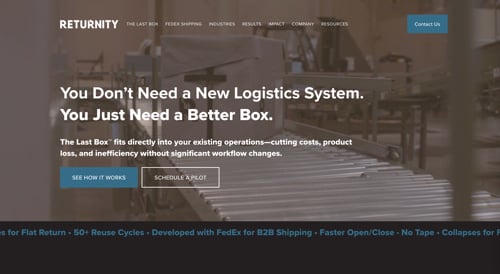
A cornerstone of this week’s industry updates is the push for more sustainable and efficient supply chain solutions. FedEx, in collaboration with circular logistics specialist Returnity, has officially launched a reusable box solution specifically designed for B2B shippers. This initiative addresses a long-standing pain point in the logistics industry: the immense waste generated by single-use corrugated cardboard boxes in business-to-business transactions.
Under the new program, FedEx’s U.S.-based B2B customers can transition to a reusable packaging system without the burden of additional handling fees, a move that significantly lowers the barrier to entry for green logistics. According to internal data and environmental studies, switching to reusable containers can reduce packaging waste by up to 80% over the lifecycle of the container. FedEx has confirmed that while the pilot is currently centered in the United States, an expansion into the Australian and European markets is slated for the coming months.

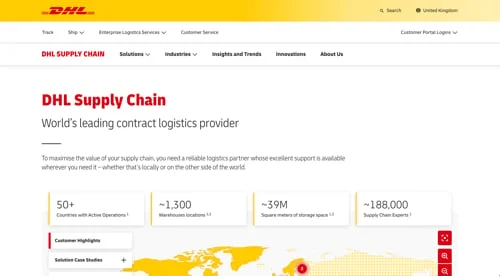
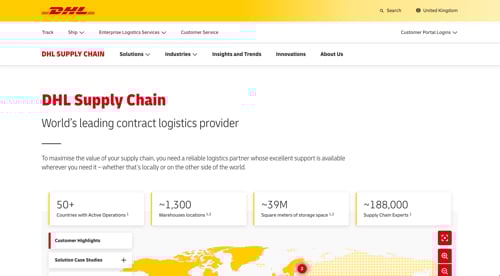
In tandem with sustainable packaging, the physical infrastructure of fulfillment is becoming more automated. DHL Supply Chain announced the transformation of its Derby, U.K., facility into a next-generation shared-user ecommerce fulfillment hub. This site is designed to address the volatility of modern retail, characterized by sharp seasonal peaks and a massive proliferation of Stock Keeping Units (SKUs). By deploying advanced robotics and AI-driven sorting systems, the Derby hub is expected to process up to 350,000 units per day. This expansion is a direct response to the growing demand from retailers like George at Asda, who require scalable infrastructure to compete with ultra-fast fashion and rapid-delivery giants.
The Dawn of Agentic Commerce: AI Beyond Chatbots
Perhaps the most significant trend identified in the recent wave of releases is the transition from generative AI as a creative tool to "agentic AI" as an operational partner. Unlike previous iterations of AI that required constant prompting, the new tools launched by Doba, Amazon, and Salesforce are designed to act autonomously on behalf of the merchant or the consumer.
Doba has entered the beta phase of "Pilot," which the company describes as the industry’s first AI dropshipping agent. Pilot is designed to handle the entire lifecycle of a dropshipping business, from discovering trending products in Doba’s marketplace to automatically setting up Shopify stores. Most notably, it generates product listings and synchronizes inventory in real-time across multiple suppliers. For small entrepreneurs, this reduces the "time-to-market" from weeks to hours, effectively lowering the technical threshold for entering the ecommerce space.
Amazon is also pushing the boundaries of search with "Shop Direct," an AI-powered experience that transcends the boundaries of the Amazon marketplace. Shop Direct allows users to search for and discover products that are not currently sold on Amazon, utilizing third-party product feeds from platforms like Feedonomics and Salsify. In a move that defines agentic commerce, shoppers can either buy directly from the external merchant or use a "Buy for Me" feature, where Amazon’s AI acts as a proxy buyer to complete the transaction on the customer’s behalf.
On the customer service front, Salesforce has introduced the Agentforce Contact Center. This platform unifies voice, digital channels, and customer data into a single system where AI agents have a "complete memory" of the customer’s history. These agents can analyze past purchases, marketing interactions, and even the sentiment of previous voice calls to resolve issues autonomously. When a human agent does need to step in, they are provided with a full AI-generated transcript and a recommended course of action, theoretically eliminating the "please hold while I look up your account" era of customer support.
Embedded Finance and the Democratization of Capital
As the operational side of ecommerce becomes more automated, the financial side is becoming more integrated. Platforms are increasingly moving away from being mere "tools" and are instead becoming "financial hubs" for their users.
Squarespace Balance is a prime example of this trend. By integrating financial management directly into the website-building platform, Squarespace allows merchants to manage cash flow, earn rewards on their balances, and spend via a dedicated business Visa card. The value proposition here is the reduction of "financial fragmentation." For a small business owner, having earnings from Squarespace Payments available within hours—and manageable in the same dashboard as their website analytics—reduces the administrative overhead that often stifles growth.
Similarly, eBay U.K. has partnered with Liberis to launch Flexible Growth Financing. This program is specifically tailored to the fluctuating nature of retail; repayments are not fixed but instead adjust based on the seller’s daily sales. This "pay-as-you-grow" model provides a safety net for SMEs during slow months while allowing them to capitalize on inventory opportunities during peak seasons.

The insurtech sector is also seeing significant investment, with Loxa raising £2.7 million ($3.6 million) in seed funding to scale its product protection services across Europe. Loxa’s platform allows retailers to offer tailored insurance at the point of sale, a feature previously reserved for large-scale retailers with complex backend integrations. This democratization of "value-added services" allows smaller merchants to increase their Average Order Value (AOV) and build greater trust with their customer base.
Global Market Expansion and Regional Innovations
The reach of these innovations is global, with specific emphasis on emerging markets and high-growth regions. Banco Santander and Visa recently announced the successful completion of agentic commerce transactions across Latin America, including Argentina, Brazil, and Mexico. The Visa Intelligent Commerce pilot enables AI agents to initiate consent-driven transactions on behalf of consumers. This is a critical development for regions with high mobile penetration but varying levels of traditional banking infrastructure, as it allows for a more seamless, automated payment experience.
In the social commerce sphere, Meta has updated Facebook Marketplace with AI-powered features that simplify the selling process for individuals and small businesses. By simply uploading an image, sellers can now generate a full listing, complete with a suggested price based on historical data. Meta AI also handles the initial stages of buyer communication, drafting automated replies regarding item availability and pickup locations. This move is clearly intended to compete with specialized secondhand platforms by reducing the "friction of listing," which remains the primary barrier for casual sellers.
Chronology of Key Announcements (March 2026)
- March 4: Ship.com announces Walmart Marketplace integration, allowing sellers to sync orders and access discounted carrier rates.
- March 6: Squarespace launches Balance, integrating business banking and rewards into its core platform.
- March 9: FedEx and Returnity debut the B2B reusable box solution in the U.S.
- March 10: Amazon begins rolling out Shop Direct to a subset of U.S. users, expanding AI search to the broader web.
- March 11: Spreetail launches BEx (Brand Experience Portal) to provide real-time visibility into marketplace performance and advertising.
- March 12: Salesforce unveils Agentforce Contact Center, marking a major shift in AI-led customer service.
- March 13: Doba enters beta for Pilot, its autonomous dropshipping agent.
- March 15: eBay U.K. and Liberis announce the start of their Flexible Growth Financing program, set to go live in April.
Fact-Based Analysis: Implications for the Merchant Landscape
The convergence of these technologies suggests three major implications for the future of ecommerce. First, the "Platform as a Service" (PaaS) model is evolving into "Business as a Service." Merchants are no longer just buying a website or a shipping label; they are plugging into an autonomous ecosystem that manages their finances (Squarespace), their supply chain (FedEx/DHL), and their customer interactions (Salesforce/Meta).
Second, the data suggests that the competitive advantage is shifting from "scale" to "integration." A merchant using Spreetail’s BEx tool or Ship.com’s Walmart integration can manage a multi-channel presence with a fraction of the staff previously required. The ability to see real-time performance across Amazon, Walmart, and independent stores through a single "pane of glass" allows for more agile pricing and inventory decisions.
Finally, the rise of agentic commerce represents a fundamental shift in the consumer journey. As AI agents like Amazon’s "Buy for Me" or Visa’s "Intelligent Commerce" gain traction, the traditional "marketing funnel" may become obsolete. If an AI agent is making purchasing decisions based on pre-set consumer preferences and data-driven logic, brands will need to optimize their product feeds for "machine readability" rather than just human "clickability."
In conclusion, the innovations of March 2026 indicate that the next phase of ecommerce growth will be defined by the seamless blending of artificial intelligence and physical logistics. For merchants, the challenge will be to adopt these tools not as disparate gadgets, but as a unified strategy to drive sustainability, financial health, and autonomous growth in an increasingly complex global market.



Related Posts

The Strategic Integration of Conversion Rate Optimization Across Multi-Channel E-commerce Ecosystems
The Evolution of Ecommerce Pricing How AI is Transforming Static Labels into Dynamic Personalization for Global Retailers