IEA Warns of Imminent Flight Cancellations as Europe Faces Dire Jet Fuel Shortage Amid Persian Gulf Conflict
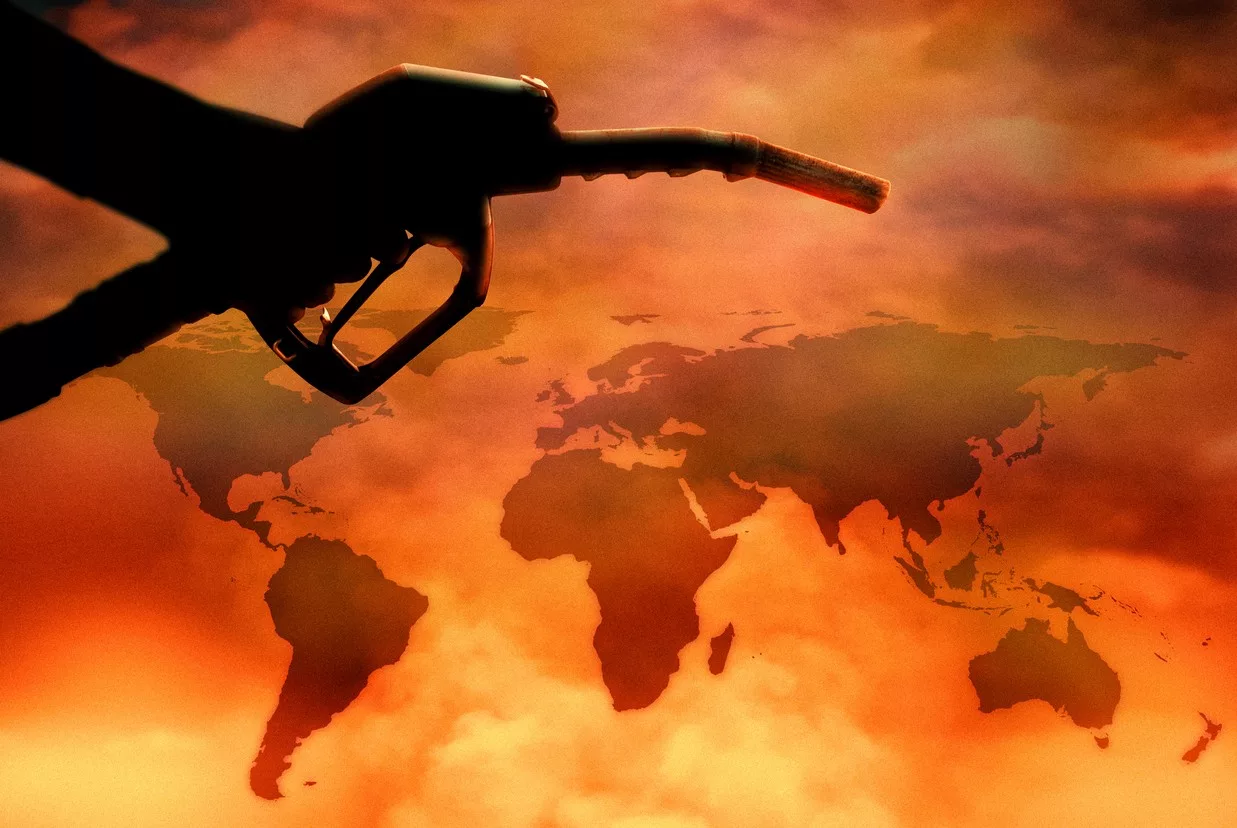
Fatih Birol, the executive director of the International Energy Agency (IEA), issued a stark warning on April 16, indicating that global aviation could face widespread flight cancellations "soon" if critical oil supplies continue to be disrupted by the ongoing conflict in the Persian Gulf, implicitly referring to an "Iran war." Speaking in an interview with the Associated Press, Birol underscored the gravity of the situation, stating that Europe, in particular, might have "maybe six weeks or so (of) jet fuel left." He characterized the predicament as "dire straits," attributing it to what he termed "the largest energy crisis we have ever faced," precipitated by the cessation of deliveries of oil, natural gas, and other vital supplies from the region’s producers.
The IEA chief emphasized the universal vulnerability to this crisis, asserting, "Some countries may be richer than the others. Some countries may have more energy than the others, but no country, no country is immune to this crisis." He further cautioned that specific oil products could "dry up altogether," signaling a profound and broad-reaching impact on various sectors. The IEA’s April Oil Market Report corroborated Birol’s assessment, stressing that "Resuming flows through the Strait of Hormuz remains the single most important variable in easing the pressure on energy supplies, prices and the global economy." The report warned unequivocally that in the event of a prolonged conflict in the Middle East, "energy markets and economies around the world need to brace for significant disruptions in the months to come."
The Immediate Threat to Global Aviation
The aviation sector stands on the precipice of an unprecedented crisis, according to the IEA’s assessment. Jet fuel, a highly refined petroleum product, is indispensable for air travel and cargo logistics. Europe’s reported six-week reserve of jet fuel signals an alarmingly short runway before significant operational curtailments become unavoidable. A disruption of this magnitude would force airlines to drastically reduce flight schedules, leading to mass cancellations, re-routing, and potential grounding of aircraft. This would not only impact passenger travel, causing immense inconvenience and economic losses for tourists and business travelers, but also cripple global supply chains heavily reliant on air freight. Critical goods, from perishable foods and pharmaceuticals to high-value electronics, would face severe delays and increased costs.
Airlines, already grappling with post-pandemic recovery challenges, would confront a new existential threat. Fuel is typically an airline’s largest operating expense, often accounting for 25-30% of total costs. A simultaneous shortage and likely price spike would make operations economically unviable for many carriers. The ripple effect would extend to airports, ground staff, maintenance crews, and ancillary services, threatening countless jobs across the industry. Governments, in response, might consider emergency measures such as fuel rationing for essential flights or direct subsidies, further distorting market dynamics.
The Broader Energy Crisis: An Unprecedented Challenge
Birol’s declaration of "the largest energy crisis we have ever faced" places the current situation in a historical context that surpasses even the oil shocks of the 1970s or the supply disruptions of the Gulf Wars. While past crises often stemmed from specific geopolitical events or production cuts, the current scenario, as described by Birol, points to a more comprehensive cessation of vital supplies from a region critical to global energy security. The Persian Gulf, encompassing nations like Saudi Arabia, Iraq, UAE, Kuwait, Qatar, and Iran, collectively holds over half of the world’s proven oil reserves and is a major producer of natural gas. Any widespread disruption to exports from this region has immediate and profound global implications.
The crisis is not merely about crude oil but extends to refined products like jet fuel, diesel, and gasoline, which are the lifeblood of transportation, industry, and agriculture. The interconnectedness of global energy markets means that a shortfall in one region quickly translates into price volatility and supply concerns worldwide. Birol’s warning that "some oil products may dry up altogether" suggests a scenario where demand cannot be met at any price, leading to actual physical shortages and potentially forcing rationing measures in various countries.
The Critical Chokepoint: Strait of Hormuz
Central to the IEA’s warning is the Strait of Hormuz, a narrow waterway between the Persian Gulf and the Gulf of Oman. This chokepoint is arguably the world’s most strategically important oil transit lane. At its narrowest point, the Strait is only 21 nautical miles (39 kilometers) wide, with the shipping lanes just two miles wide in either direction. According to the U.S. Energy Information Administration (EIA), approximately 21 million barrels per day (b/d) of crude oil, condensates, and refined petroleum products flowed through the Strait in 2018, representing about one-third of the total global seaborne petroleum trade and nearly 20% of total global petroleum consumption.
Key crude oil exporters that rely on the Strait of Hormuz include Saudi Arabia, Iran, UAE, Kuwait, and Iraq. Qatar, the world’s largest exporter of liquefied natural gas (LNG), also transits nearly all of its LNG exports through the Strait. Any prolonged closure or significant impediment to transit through the Strait of Hormuz would immediately cut off a substantial portion of the world’s oil and gas supply, triggering an unprecedented energy crisis. This strategic vulnerability has made the Strait a focal point of geopolitical tensions for decades, with various state and non-state actors operating in close proximity, increasing the risk of conflict.
Background to "Iran War" and Regional Tensions
The specific reference to an "Iran war" in the original IEA statement, while not elaborated upon, points to a significant escalation of geopolitical tensions involving Iran and its regional adversaries, potentially exacerbated by international players. Iran, a major oil and gas producer itself, has historically used its strategic position bordering the Strait of Hormuz as leverage in international disputes. The country’s nuclear program, its support for regional proxy groups, and its adversarial relationship with several Western and Middle Eastern nations have frequently fueled instability in the Persian Gulf.
Previous incidents, such as attacks on oil tankers in 2019, drone strikes on Saudi oil facilities, and the seizure of commercial vessels, have demonstrated the fragility of navigation in the region and the potential for rapid escalation. A full-scale "war" involving Iran could manifest in various ways: direct military confrontations, widespread sabotage of oil infrastructure, blockades, or mining of the Strait of Hormuz. Each scenario would have catastrophic implications for global energy markets. The cessation of deliveries mentioned by Birol implies that such a conflict has either severely hampered Iran’s own export capabilities or, more broadly, disrupted the safe passage of all energy shipments from the Persian Gulf, effectively cutting off a vital artery of global commerce.
Chronology of Warnings and Market Reactions
The IEA’s warning on April 16 did not emerge in a vacuum but rather as the culmination of growing concerns within energy circles. While the exact timeline of the "Iran war" referenced by Birol is not detailed, the IEA and other international bodies have consistently monitored and cautioned about geopolitical risks in the Middle East impacting energy supplies.
- Pre-April 16: Leading up to Birol’s statement, global oil markets had likely already shown signs of tightness, driven by factors such as underinvestment in new production, geopolitical tensions in various regions, and post-pandemic demand recovery. Prices for benchmark crudes like Brent and WTI would have been elevated, possibly trending upwards. Energy analysts and think tanks would have published reports highlighting supply risks.
- April 16: Fatih Birol’s explicit warning about flight cancellations and Europe’s jet fuel reserves sends a clear and immediate alarm. This statement would likely trigger an immediate spike in oil and refined product futures prices, as traders price in the heightened risk of supply disruption. Airline stocks could tumble, while defense industry stocks might see a rise.
- April Oil Market Report (Concurrent with warning): The release of the IEA’s detailed report provides the analytical backbone for Birol’s concerns, emphasizing the Strait of Hormuz and the need for global economies to "brace for significant disruptions." This report would offer specific data points on supply-demand balances, inventory levels, and production forecasts, further solidifying the market’s perception of risk.
- Post-April 16: Following such a grave warning, governments and industry leaders would be expected to issue public statements, convene emergency meetings, and begin stress-testing contingency plans. The rhetoric from major oil-producing nations, particularly OPEC+, would be closely scrutinized for any indication of their willingness or ability to increase supply to offset potential shortfalls.
Historically, major oil market disruptions, such as the 1973 Arab oil embargo, the 1979 Iranian Revolution, or the 1990 Iraqi invasion of Kuwait, led to sharp price spikes, economic recessions, and significant shifts in global energy policy. The IEA’s current warning suggests a potential crisis of comparable or even greater magnitude due to the broader nature of the disruption and the critical dependence on refined products like jet fuel.
Supporting Data and Market Dynamics
Global oil demand typically hovers around 100 million barrels per day (mb/d), with significant portions dedicated to transportation fuels. Jet fuel demand, while a smaller component of total oil consumption (around 7-8 mb/d globally), is highly concentrated in specific regions and critical for the globalized economy. Europe’s reliance on imported jet fuel is substantial, making it particularly vulnerable to Persian Gulf disruptions.
Strategic Petroleum Reserves (SPRs), maintained by countries like the United States, Japan, and members of the IEA, are designed to provide a buffer against short-term supply shocks. However, their capacity is finite, and their release is a political decision, often reserved for extreme emergencies. While an SPR release could offer temporary relief, it would not solve a prolonged cessation of supplies from a major chokepoint like the Strait of Hormuz.
OPEC+, the alliance of OPEC members and other major oil producers led by Russia, holds significant spare production capacity, predominantly concentrated in Saudi Arabia and the UAE. Their ability and willingness to ramp up production would be crucial in mitigating any supply shortfall. However, even their collective spare capacity might not be sufficient to fully offset a complete or near-complete blockage of the Strait of Hormuz. Furthermore, geopolitical considerations and alliance dynamics within OPEC+ could complicate any coordinated response.
Statements and Reactions from Related Parties (Inferred)
In the wake of such an alarming pronouncement from the IEA, various stakeholders would be compelled to react:
- Airlines and Industry Associations: Major airlines (e.g., Lufthansa, Air France-KLM, British Airways, Emirates) and industry bodies like the International Air Transport Association (IATA) would likely express profound concern, urging immediate diplomatic efforts to de-escalate tensions and secure energy supplies. They would initiate contingency planning, including potential fare increases, route rationalization, and discussions with governments regarding support measures.
- European Governments: Facing the immediate threat of a jet fuel shortage, European Union member states and the European Commission would likely convene emergency meetings. Discussions would focus on diversifying energy sources, accelerating renewable energy projects, exploring strategic fuel stockpiles, and coordinating diplomatic pressure on parties involved in the Persian Gulf conflict. Public statements would emphasize energy security and preparedness.
- Other Energy Analysts and Think Tanks: Experts from institutions like the Oxford Institute for Energy Studies, the Center for Strategic and International Studies (CSIS), or Rystad Energy would likely corroborate the IEA’s assessment, providing deeper analysis on market implications, geopolitical scenarios, and potential economic fallout. They might offer varying timelines for the onset of severe shortages or alternative mitigation strategies.
- OPEC+ Nations: Key producers like Saudi Arabia and the UAE might issue statements reiterating their commitment to market stability, while carefully balancing their geopolitical interests. They could hint at potential production increases, but any concrete action would depend on the evolving situation and their own strategic calculations.
- International Bodies: The United Nations, G7, and G20 groups would likely issue calls for de-escalation, freedom of navigation, and protection of critical energy infrastructure. Diplomatic efforts to mediate the conflict and ensure the unimpeded flow of global commerce would intensify.
Broader Economic and Geopolitical Implications
The implications of the IEA’s warning extend far beyond the aviation sector. A prolonged energy crisis originating from the Persian Gulf would have devastating economic and geopolitical consequences:
- Inflationary Pressures: Skyrocketing energy prices would feed into already elevated global inflation, exacerbating the cost-of-living crisis for households and businesses worldwide. Transportation costs for all goods would increase, impacting supply chains, manufacturing, and consumer prices across the board.
- Economic Recession: Historically, major oil shocks have often preceded or contributed to global economic recessions. The combination of high energy costs, supply chain disruptions, and reduced consumer spending power could plunge major economies into a downturn.
- Geopolitical Instability: The scramble for alternative energy sources and the heightened competition for dwindling supplies could trigger new geopolitical tensions. Nations heavily reliant on Persian Gulf energy would face immense pressure to secure their supplies, potentially leading to new alliances or renewed rivalries.
- Food Security: The agricultural sector relies heavily on fossil fuels for farm machinery, fertilizers (which are energy-intensive to produce), and transportation of produce. An energy crisis would inevitably lead to higher food prices and potential food insecurity in vulnerable regions.
- Energy Transition Acceleration/Deceleration: While some might argue that such a crisis would accelerate the shift to renewable energy, the immediate economic shock and the imperative to secure any available energy could also lead to a temporary resurgence in demand for more readily available, albeit dirtier, fossil fuels, potentially derailing climate targets in the short term.
- Supply Chain Resilience: The crisis would underscore the fragility of global supply chains and prompt nations to re-evaluate their reliance on single-source energy corridors, pushing for greater regionalization and diversification.
Mitigation Strategies and Outlook
Addressing a crisis of this magnitude requires a multi-pronged approach involving diplomatic, economic, and strategic initiatives.
- Diplomatic De-escalation: The immediate priority would be intense diplomatic efforts to de-escalate the conflict in the Persian Gulf, ensure freedom of navigation through the Strait of Hormuz, and protect critical energy infrastructure. International mediation, sanctions relief (if applicable), or other diplomatic tools would be deployed to resolve the underlying geopolitical tensions.
- Strategic Stockpile Releases: Coordinated releases from national strategic petroleum reserves could provide temporary relief, buying time for diplomatic solutions or alternative supply arrangements.
- Demand-Side Management: Governments might implement measures to curb energy demand, such as promoting public transport, encouraging carpooling, reducing speed limits, or even rationing certain fuels for non-essential uses.
- Diversification of Supplies: In the medium to long term, accelerating investments in diverse energy sources, including renewables (solar, wind, hydro), nuclear power, and exploring new oil and gas fields outside politically volatile regions, would be crucial for enhancing energy security.
- Energy Efficiency: Aggressive promotion of energy efficiency measures across all sectors—industrial, residential, and transport—would reduce overall energy demand and lessen vulnerability to supply shocks.
The IEA’s warning serves as a critical alarm call, highlighting the profound fragility of global energy security in an increasingly interconnected and volatile world. The prospect of flight cancellations, a direct consequence of a potential "Iran war" and blocked supplies from the Persian Gulf, underscores the urgent need for robust geopolitical stability and diversified energy strategies to avert an unprecedented global crisis. The months ahead will test the resilience of international cooperation and the adaptability of global energy systems.

Related Posts
Delta Air Lines Adjusts Key Environmental Targets Amidst Slow Sustainable Fuel Progress
India’s Trade Deficit Narrows to $20.67 Billion in March Amidst Middle East Conflict Disruptions and Global Economic Headwinds