TSMC Soars on AI Demand with 58% Profit Surge in Q1 2026, Yet Geopolitical Tensions in Iran Cast Long Shadow Over Critical Supply Chains
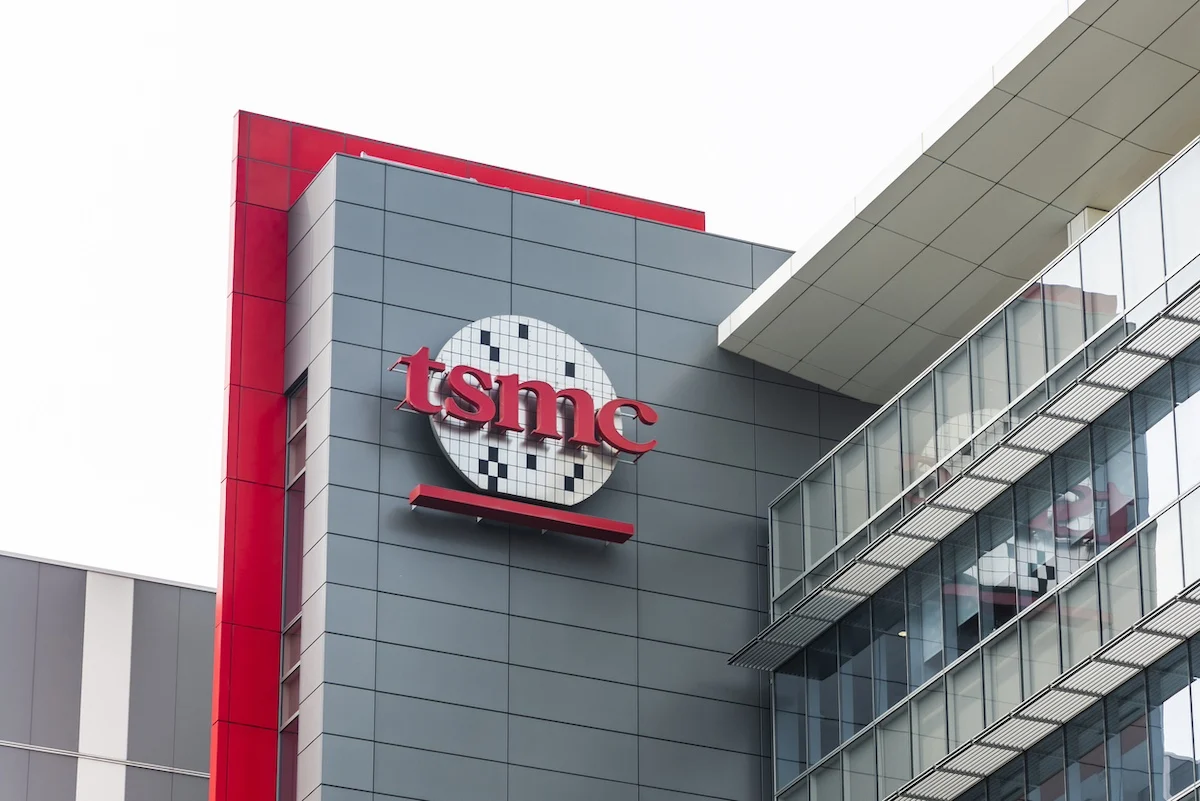
Taiwan Semiconductor Manufacturing Company (TSMC), the world’s leading contract chipmaker, announced a remarkable 58% year-over-year increase in net profits for the first quarter of 2026, driven by an insatiable global demand for advanced semiconductors powering artificial intelligence (AI) processors. This robust financial performance underscores TSMC’s pivotal role in the burgeoning AI revolution, yet the company simultaneously issued a stark warning regarding potential long-term impacts stemming from the ongoing conflict in Iran, particularly its implications for vital raw material supply chains.
Dominant Performance Amidst AI Boom
For the first quarter ending March 31, 2026, TSMC reported a staggering $18.1 billion in net quarterly profit, a significant leap from the $11.5 billion recorded in the same period last year. This substantial profit surge was accompanied by an equally impressive revenue growth, reaching $35.9 billion for the quarter, marking an increase of over 40% year-over-year. These figures not only exceeded market expectations but also solidified TSMC’s position as a cornerstone of the global technology ecosystem.
The driving force behind this exceptional growth is unequivocally the escalating demand for high-performance computing (HPC) and specialized AI accelerators. TSMC’s advanced manufacturing nodes, particularly its 3-nanometer and 5-nanometer processes, are critical for producing the cutting-edge chips required by industry giants designing AI hardware. These chips are essential for everything from sophisticated data centers processing complex AI models to advanced edge computing devices and next-generation autonomous systems.
During an April 16 earnings call, TSMC CEO C.C. Wei articulated the company’s confidence in this trajectory, describing it as a "multi-year AI mega-trend." Wei emphasized that AI-related demand continues to be "extremely robust," signaling sustained growth prospects for the foreseeable future. This sentiment is widely echoed across the technology sector, with market analysts projecting the global AI chip market to potentially exceed $300 billion by 2030, up from an estimated $50-60 billion in 2023. TSMC, by virtue of its technological leadership and manufacturing scale, is poised to capture a significant share of this expansion. The company currently commands over 90% of the market for advanced chips, making it an indispensable partner for virtually every major AI innovator.
The Geopolitical Shadow: Iran Conflict and the Strait of Hormuz
Despite the gleaming financial results, a significant geopolitical risk emerged as a point of concern during the earnings call. TSMC Chief Financial Officer Wendell Huang issued a cautionary note regarding the potential long-term ramifications of the ongoing conflict in Iran. The primary concern revolves around the severe limitations imposed on maritime traffic through the Strait of Hormuz, a critical chokepoint for global trade.
While much of the world’s economic focus on the Strait of Hormuz typically centers on the flow of oil tankers, Huang highlighted its equally vital, albeit less publicized, role as a gateway for essential chemicals used in semiconductor manufacturing. Among these, helium stands out as a particularly critical input. The Strait of Hormuz, situated between the Persian Gulf and the Gulf of Oman, is a strategic waterway through which approximately one-fifth of the world’s total petroleum consumption, and a substantial portion of global liquefied natural gas (LNG), passes. However, its importance extends far beyond energy. It is also the sole maritime outlet for several Gulf nations, including Qatar, a major global producer of helium.
Helium: A Critical, Scarce Resource for Chipmaking
Helium, a non-renewable noble gas, possesses unique properties that make it indispensable in various high-tech industries, especially semiconductor manufacturing. Its extremely low boiling point and inert nature make it ideal for cooling superconducting magnets in advanced lithography machines, creating oxygen-free environments crucial for crystal growth in silicon wafer production, and as a carrier gas in etching processes. It is also used in leak detection within vacuum systems, which are ubiquitous in chip fabrication plants (fabs).
Qatar alone is responsible for roughly a third of the world’s helium supply, primarily extracted as a byproduct of natural gas production. In late March, Qatar’s state-owned gas company issued a warning that the escalating conflict in the region could potentially limit its helium exports by as much as 14%. Such a reduction from a major supplier poses a significant threat to global availability and pricing, especially for industries with high purity requirements like semiconductor manufacturing.
Huang noted that TSMC has proactively prepared by building "safety stock inventory" of helium and other critical chemicals. This strategic stockpiling is intended to mitigate any immediate disruptions, and as such, the company is "not expecting any near-term impacts on operations." However, the CFO cautioned that the Iran conflict could still weigh on future profitability. Spot prices for helium have already doubled since the commencement of the war, and analysts anticipate a continued upward trajectory as supply constraints persist and demand remains high. This increase in raw material costs, if sustained or exacerbated, will inevitably impact TSMC’s cost of goods sold, potentially eroding profit margins in subsequent quarters.
Chronology of Escalation and Impact
The geopolitical landscape impacting TSMC’s supply chain has evolved rapidly.
- Late 2025 – Early 2026: Heightened geopolitical tensions in the Middle East, particularly involving Iran, lead to an increase in regional instability and threats to maritime security in the Strait of Hormuz. Specific incidents involving commercial shipping raise alarm among global logistics providers.
- Late March 2026: Qatar’s state-owned gas enterprise publicly announces potential limitations on helium exports due to the regional conflict, citing logistical challenges and increased risks to shipping routes through the Strait of Hormuz. This announcement immediately signals potential supply chain vulnerabilities for helium-dependent industries worldwide.
- Early April 2026: Spot market prices for helium begin to show significant volatility, with prices reportedly doubling in key trading hubs as buyers scramble to secure supplies amidst uncertainty.
- April 16, 2026: TSMC holds its Q1 2026 earnings call. CEO C.C. Wei celebrates the company’s strong performance driven by AI demand, while CFO Wendell Huang issues the cautionary statement regarding the Iran conflict’s potential long-term impact on chemical supplies, specifically helium, despite current inventory buffers.
Broader Implications and Industry Responses
The situation highlights the intricate web of global supply chains and the profound vulnerability of high-tech manufacturing to geopolitical instability. The semiconductor industry, already characterized by extreme complexity and specialization, relies on a vast array of rare materials, advanced chemicals, and intricate logistics networks.
For TSMC and the Semiconductor Industry:
- Increased Operational Costs: The doubling of helium spot prices, and the potential for similar increases in other critical chemicals, directly impacts the cost structure of chip fabrication. While TSMC’s robust profitability might absorb some of these costs initially, prolonged increases could necessitate price adjustments for finished chips or impact capital expenditure planning.
- Supply Chain Resilience Efforts: This incident will undoubtedly accelerate ongoing industry-wide efforts to diversify supply chains and enhance resilience. Companies may invest more in regional sourcing, establish larger strategic stockpiles, or explore alternative materials and manufacturing processes where feasible. The global push for regional semiconductor manufacturing hubs (e.g., TSMC fabs in Arizona, Japan, and potentially Germany) is partly a response to these geopolitical risks, aiming to reduce reliance on single points of failure.
- Risk Assessment: Geopolitical risk assessment will become an even more paramount component of long-term strategic planning for semiconductor companies. This includes scenario planning for regional conflicts, trade disputes, and natural disasters.
For the Global Economy and AI Sector:
- Inflationary Pressures: Rising raw material costs for critical components like semiconductors can ripple through the global economy, potentially contributing to inflationary pressures in end products, from consumer electronics to enterprise-grade AI servers.
- Impact on AI Innovation: While TSMC currently has sufficient inventory to avoid near-term operational disruptions, prolonged supply chain issues could eventually lead to delays in chip production, impacting the pace of AI innovation and deployment across various industries. Companies reliant on next-generation AI accelerators might face higher costs or longer lead times.
- Governmental Concern: Governments worldwide, particularly those in major technology-producing and consuming nations (e.g., United States, European Union, Japan), are likely to express increased concern over the security of critical raw material supply chains. This could lead to policy interventions aimed at supporting domestic production, fostering international collaborations for supply chain diversification, or even considering strategic national reserves of key industrial gases and chemicals.
- Analyst Reactions: Market analysts, while remaining bullish on TSMC’s core business due to AI demand, are expected to factor in these geopolitical risks more heavily into their valuations. Investor sentiment may become more sensitive to news related to Middle Eastern stability and global supply chain disruptions.
In conclusion, TSMC’s first quarter of 2026 represents a powerful testament to the transformative impact of artificial intelligence on the global economy and the company’s unparalleled position at its technological forefront. However, the concurrent warning regarding the Iran conflict serves as a stark reminder that even the most advanced and profitable industries remain tethered to the complexities of global geopolitics and the fragile equilibrium of critical supply chains. The coming quarters will reveal how effectively TSMC and the broader semiconductor industry navigate these dual forces of unprecedented growth and escalating risk.


Related Posts
Delta Air Lines Adjusts Key Environmental Targets Amidst Slow Sustainable Fuel Progress
India’s Trade Deficit Narrows to $20.67 Billion in March Amidst Middle East Conflict Disruptions and Global Economic Headwinds