QVC Group Initiates Chapter 11 Bankruptcy Proceedings to Finalize Strategic Debt Restructuring and Advance Digital Commerce Transformation
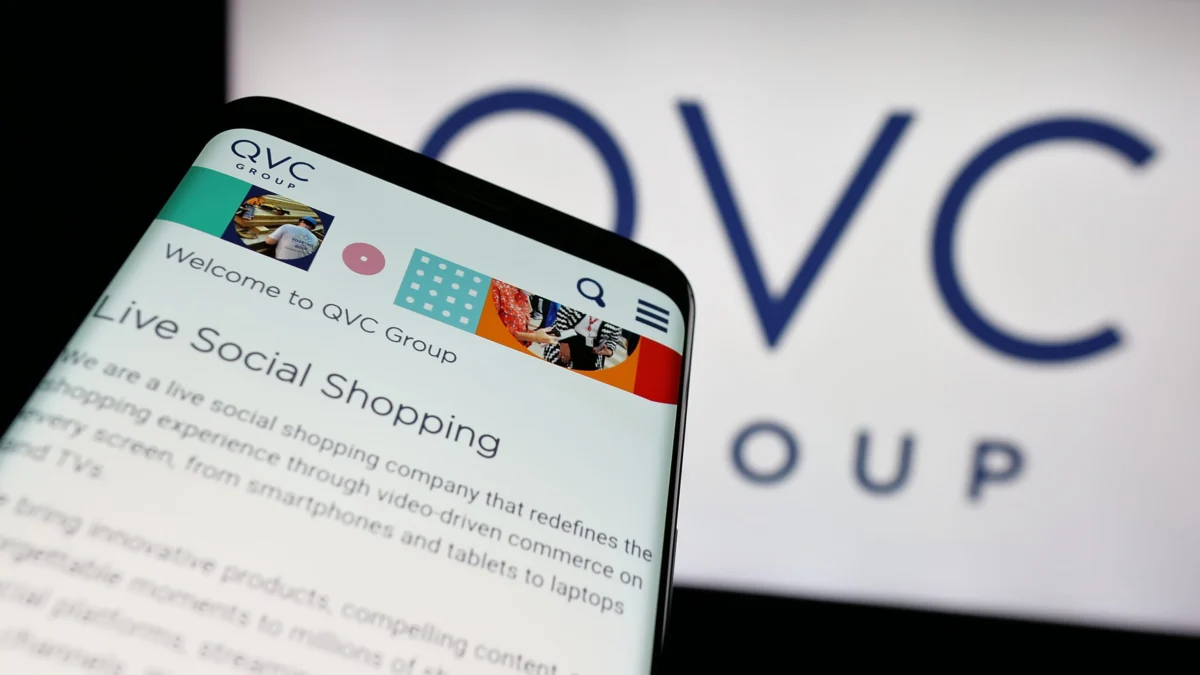
QVC Group, the multi-platform retail giant and parent company to iconic home shopping brands QVC and HSN, announced on April 16, 2026, that it has voluntarily filed for Chapter 11 bankruptcy protection in the United States Bankruptcy Court for the Southern District of Texas. The move is part of a comprehensive Restructuring Support Agreement (RSA) designed to significantly deleverage the company’s balance sheet and provide the financial flexibility necessary to accelerate its transition into a digital-first, social-shopping leader. While the filing represents a significant milestone in the company’s history, QVC Group emphasized that the process is focused on financial reorganization rather than operational liquidation. International operations are excluded from the filing, and all domestic brands, including QVC, HSN, and Cornerstone Brands, will continue to operate without interruption.
The decision to enter Chapter 11 follows several years of shifting consumer behavior, characterized by the decline of traditional cable television and the rapid ascent of social media-driven commerce. By entering into this restructuring agreement, QVC Group aims to "substantially reduce the company’s debt and strengthen its financial position," according to official statements. The company enters this phase with a clear objective: to pivot from its legacy as a television-centric retailer to a modern powerhouse in live social shopping across streaming applications, e-commerce sites, physical storefronts, and social media platforms.
The Strategic Path to Restructuring
The filing is the culmination of a multi-year effort to modernize the company, which was formerly known as Qurate Retail Group until a major rebranding in late 2024. That rebranding was a strategic effort to capitalize on the immense brand equity of the QVC name as the company sought to unify its various business units. Despite being ranked 19th in the Top 2000 Database of North America’s largest online retailers, QVC Group has faced the dual pressure of servicing long-term debt while investing heavily in new technology and platform expansions.
The "WIN Growth Strategy," spearheaded by CEO David Rawlinson, has been the guiding framework for this transformation. This strategy focused on optimizing the core broadcast business while aggressively expanding into the "third way to shop"—a middle ground between traditional e-commerce and physical retail that emphasizes entertainment, personality, and community. Rawlinson noted that the company has already seen early momentum, specifically highlighting its performance on TikTok Shop U.S., where it has become a top seller over the past year.
The Chapter 11 process is intended to provide the legal and financial framework to finalize the "WIN" strategy’s objectives. By addressing the capital structure, QVC Group intends to free up cash flow that was previously earmarked for debt service, redirecting those funds toward technological infrastructure, content creation for streaming services, and enhanced logistics for its e-commerce operations.
Operational Continuity and Employee Reassurance
One of the most critical components of the announcement was the company’s commitment to its workforce and customer base. QVC Group stated unequivocally that it has not planned layoffs or furloughs in direct connection with the financial restructuring process. In an era where bankruptcy filings are often synonymous with mass terminations, QVC Group’s approach appears focused on maintaining the human capital necessary to drive its creative and live-broadcast engines.
"All employees should fully expect to continue receiving their wages and benefits without interruption," the company stated in its official filing. This stability is viewed as essential for a business model that relies heavily on "on-air" personalities and a high level of customer service. By securing the cooperation of its major creditors through the RSA, the company has ensured it has "ample liquidity" to meet its ongoing obligations. This includes paying vendors, suppliers, and general unsecured creditors in full for all goods and services provided, ensuring that the supply chain remains robust during the legal proceedings.
For the millions of customers who shop with QVC, HSN, and Cornerstone Brands (which includes brands like Ballard Designs, Frontgate, and Garnet Hill), the experience is expected to remain seamless. The company confirmed that return policies, gift cards, loyalty programs, and branded credit cards will continue to function normally. Retail locations and outlets will remain open, and the 24/7 broadcast cycle will continue to air across cable, satellite, and streaming platforms.
A Timeline of Transformation: From Cable to TikTok
The journey toward this bankruptcy filing can be traced through a series of strategic pivots over the last 24 months. In late 2024, the transition from Qurate Retail Group to QVC Group signaled a return to brand-centric marketing. This was followed in April 2025 by a landmark move to launch 24/7 livestreaming on TikTok, a platform typically dominated by younger demographics.
This TikTok expansion was not merely a redistribution of television content but involved the creation of original programming tailored specifically for the social media format. By July 2025, industry analysts noted that QVC and HSN were successfully capturing "early-mover" advantages in the burgeoning TikTok Shop ecosystem in the United States. These efforts were designed to offset the "cord-cutting" phenomenon, which has seen millions of households cancel traditional cable subscriptions—the very lifeblood of the original QVC and HSN business models.
The timeline of the restructuring reflects a company moving with urgency:
- Late 2024: Rebranding to QVC Group to leverage brand recognition.
- April 2025: Launch of 24/7 TikTok livestreaming and original social content.
- July 2025: Reported success as a top-tier seller on TikTok Shop.
- Late 2025: Consolidation of HSN and QVC back-end operations to improve efficiency.
- April 16, 2026: Filing for Chapter 11 bankruptcy to finalize debt reduction.
Industry Context and Market Pressures
The retail landscape in 2026 is vastly different from the one in which QVC and HSN rose to prominence. The rise of Amazon Live, YouTube Shopping, and TikTok’s integrated e-commerce features has created a crowded marketplace for "shoppertainment." While QVC Group maintains a loyal base of older consumers, the move to TikTok and streaming apps is a survival necessity to reach Gen Z and Millennial shoppers who value authenticity and real-time interaction.
Furthermore, the broader economic environment has played a role. High interest rates throughout 2024 and 2025 made the cost of carrying legacy debt increasingly expensive. For a company like QVC Group, which carries significant long-term liabilities from previous acquisitions and capital expenditures, the rising cost of capital likely accelerated the need for a formal restructuring.
Industry experts suggest that QVC Group’s filing is a "proactive" rather than "reactive" bankruptcy. Because the company secured a Restructuring Support Agreement with its primary lenders before filing, the path through Chapter 11 is expected to be relatively swift. This "pre-arranged" bankruptcy model is often used by large corporations to minimize disruption and ensure that the core business emerges stronger and more competitive.
Implications for the Future of Live Social Shopping
The successful emergence of QVC Group from Chapter 11 could serve as a blueprint for other legacy retailers struggling to adapt to the digital age. By integrating the high-production value of professional television shopping with the interactive and algorithmic power of social media, QVC Group is attempting to define the next era of retail.
CEO David Rawlinson’s statement that the company is "uniquely positioned to compete and win in live social shopping" highlights the competitive advantage QVC holds: its talent. Unlike many TikTok influencers who may lack the logistical backing of a major retailer, QVC possesses a sophisticated supply chain, a robust customer service apparatus, and decades of experience in storytelling and product demonstration.
The "WIN Growth Strategy" also accounts for changing geopolitical and economic factors, such as the shifting tariff environment. Rawlinson noted that the company has rebalanced its sourcing strategies to mitigate the impact of international trade tensions, a move that provides further stability to its margins as it moves through the restructuring process.
As the proceedings move forward in the Southern District of Texas, the retail industry will be watching closely. The outcome will likely determine whether the pioneers of home shopping can successfully reinvent themselves as the leaders of the streaming and social commerce revolution. For now, the message from QVC Group is clear: the cameras are still rolling, the hosts are still selling, and the company is betting its future on a leaner, more agile digital presence.


Related Posts

The Strategic Integration of Conversion Rate Optimization Across Multi-Channel E-commerce Ecosystems
Global Ecommerce Evolution 2026: The Rise of Agentic Commerce, Circular Logistics, and Embedded Financial Systems