Barry Callebaut Slashes Operating Profit Forecast Amid Iran War Disruptions and Cocoa Market Overcapacity, Signaling Industry-Wide Turbulence
Swiss chocolate manufacturing giant Barry Callebaut, the world’s leading producer of high-quality chocolate and cocoa products, has significantly revised its operating profit forecast for the 2025-2026 fiscal year. The company, a critical backbone for numerous global confectionery brands, now anticipates a substantial decline in earnings, attributing the downturn to an intricate web of supply chain disruptions exacerbated by the ongoing Iran war and a sudden, paradoxical overcapacity within the global cocoa bean market. This announcement, made via an official release on April 16, signals a turbulent period for the cocoa and chocolate industry, forcing a re-evaluation of strategies for major players and smaller manufacturers alike.
A Deep Dive into the Revised Financial Outlook
Barry Callebaut’s updated projections mark a stark contrast to its previous optimistic outlook. The company initially forecasted a mid-to-single-digit growth in its earnings before interest and tax (EBIT). However, the revised guidance now projects a decline in EBIT somewhere in the mid-teens, representing a substantial shift in profitability expectations. This downward adjustment follows a challenging six-month period between September 2025 and February 2026, during which the company experienced a notable dip in both sales volumes and revenue, each falling by approximately 7% year-over-year. Such figures underscore the immediate impact of the aforementioned market forces on the company’s operational performance and financial health.
Hein Schumacher, CEO of Barry Callebaut, articulated the gravity of the situation in his statement, acknowledging the immense challenges confronting the company. "We have significant work to do to reinvigorate the company after a turbulent period of industry disruption and transformation," Schumacher noted. He elaborated on the complex interplay of factors contributing to the profitability squeeze, specifically highlighting the rapid decline in cocoa bean prices, which, paradoxically, has negatively impacted the company due to prior purchasing strategies. Furthermore, the persistent and escalating shipping disruptions in the Middle East, particularly those linked to the Iran war, have hit the company’s bottom line harder than initially anticipated, adding layers of complexity and cost to its global supply chain.
Despite the more pessimistic earnings outlook, Barry Callebaut offered a glimmer of optimism regarding its sales volumes. The company expects a recovery in the second half of the year, leading to a revision of its full-year volume decline forecast from a mid-single-digit drop to a more moderate range of between 1% and 3%. This nuanced forecast reveals a critical paradox: while Barry Callebaut anticipates selling more chocolate than previously expected, the prevailing market conditions, particularly the turbulence in the cocoa bean market, mean it will be making less money from these increased sales. The necessity to lower prices to compete with rivals who acquired cocoa later and at significantly cheaper rates has compressed margins, especially given that Barry Callebaut, with brands like Van Houten and Mona Lisa chocolates, had previously secured its cocoa at higher prices during a period of peak market volatility.
The Volatile Ride of Cocoa: A Chronology of Price Swings
The current market predicament for Barry Callebaut is inextricably linked to the extraordinary volatility witnessed in global cocoa prices over the past few years. The journey has been a rollercoaster, characterized by unprecedented surges followed by sharp corrections, and now, new geopolitical pressures.
The 2024-2025 Price Surge: A Crisis in West Africa
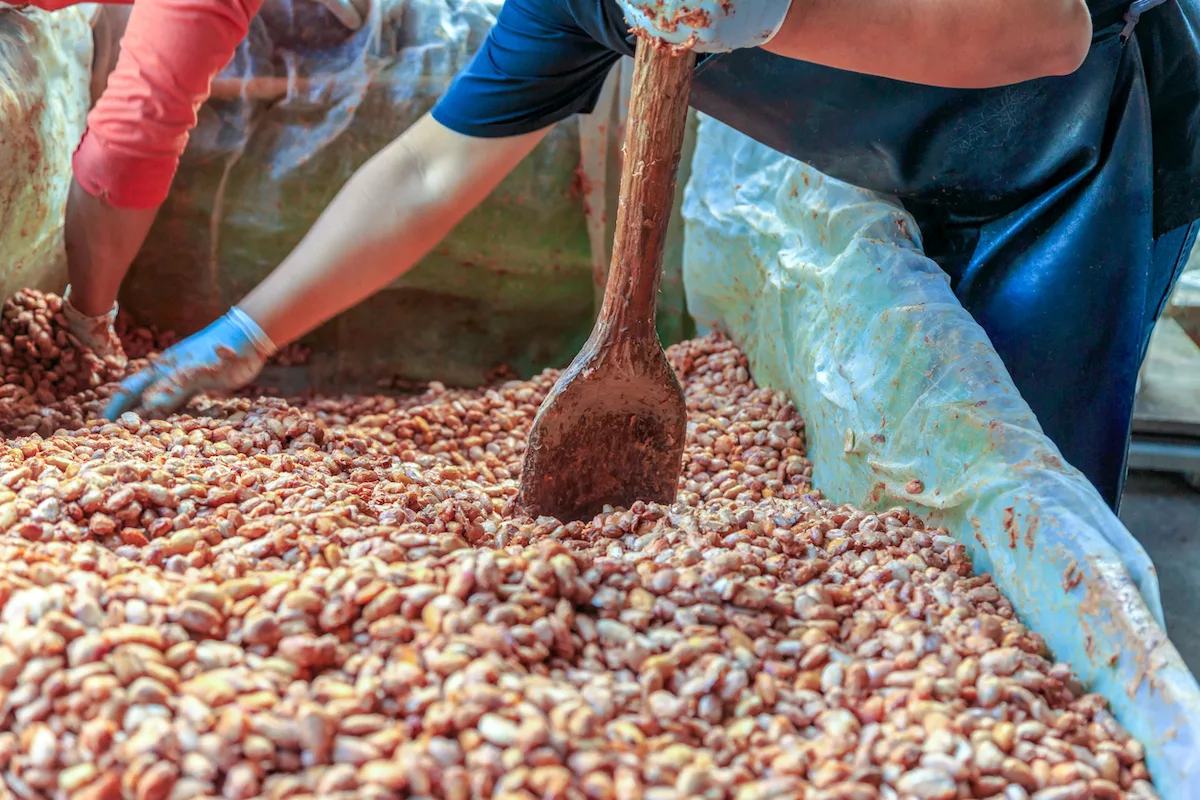
The roots of this volatility trace back to 2024 and 2025, when cocoa prices experienced an astronomical surge. This dramatic escalation was primarily driven by severe drought conditions and consistently poor harvests in West Africa, a region that accounts for approximately 70-75% of the world’s cocoa supply. Major producing nations like Côte d’Ivoire and Ghana faced a confluence of adverse climatic events, including prolonged dry spells, the impact of the El Niño weather phenomenon, and outbreaks of crop diseases such as the swollen shoot virus. These factors decimated yields, leading to a substantial deficit in global cocoa production relative to demand.
As a result, cocoa futures prices on international commodity exchanges skyrocketed, reaching multi-decade highs. For instance, futures contracts on the Intercontinental Exchange (ICE) saw prices climb to levels unseen in decades, with some analysts reporting increases of over 150-200% within a year. This unprecedented rise sent shockwaves throughout the confectionery industry. Chocolate makers, faced with significantly higher input costs, were compelled to pass these increased expenses onto consumers. This translated into higher retail prices for chocolate bars, confectionery, and other cocoa-containing products globally, leading to a predictable downturn in consumer demand for chocolate overall. Many manufacturers also resorted to ‘shrinkflation’ (reducing product size while maintaining price) or reformulating products with less cocoa to mitigate the impact.
The 2025-2026 Price Correction: From Scarcity to Oversupply
Just as the industry grappled with the implications of sky-high prices, the market dynamics shifted dramatically. As harvests began to recover in key West African regions, coupled with potentially stronger-than-expected yields in other producing areas, the market transitioned from a state of acute scarcity to one of unexpected oversupply. The influx of new cocoa beans into the market, exceeding the now-tempered consumer demand, triggered a rapid and steep decline in prices. From their peak in 2024, cocoa prices plummeted by roughly 70%, a correction of significant magnitude that caught many market participants off guard.
This sharp reversal created a complex challenge for large-scale processors like Barry Callebaut. Companies that had strategically purchased cocoa beans at inflated prices during the peak of the surge, to ensure continuity of supply for their extensive client base, found themselves at a competitive disadvantage. As prices tumbled, competitors who delayed purchases or operated with different hedging strategies could acquire cocoa at significantly lower costs. This disparity forced Barry Callebaut to lower its selling prices for chocolate and cocoa products to remain competitive, thereby eroding profit margins on raw materials acquired at higher historical costs. This "inventory effect" or "lag effect" is a common but painful reality in commodity-dependent industries during periods of extreme price volatility.
Geopolitical Echoes: The Iran War and Strait of Hormuz Closure
Adding another layer of complexity and cost to Barry Callebaut’s operational landscape are the escalating geopolitical tensions and their direct impact on global shipping. The company explicitly cited supply chain disruptions linked to the Iran war, specifically mentioning the closure of the Strait of Hormuz.
The Strategic Importance of the Strait of Hormuz
The Strait of Hormuz is one of the world’s most critical maritime choke points, connecting the Persian Gulf with the Arabian Sea and the open ocean. Approximately one-fifth of the world’s total petroleum consumption, and a significant portion of global liquefied natural gas (LNG), passes through this narrow waterway. Beyond energy, the Strait is a vital conduit for container ships transporting a vast array of goods between Asia, the Middle East, and Europe/the Americas. Its closure, or even severe disruption due to conflict, has immediate and far-reaching consequences for global trade and supply chains.
Impact on Barry Callebaut’s Supply Chain
While cocoa beans are primarily sourced from West Africa and shipped via Atlantic routes, the global nature of Barry Callebaut’s operations means it relies on an interconnected web of logistics. Ingredients, packaging materials, and finished products (for its B2B clients and own brands) are transported globally. The closure of the Strait of Hormuz directly impacts shipping costs and transit times for goods originating from or destined for Asia and parts of the Middle East, forcing rerouting efforts around the Cape of Good Hope. Such rerouting adds thousands of nautical miles to journeys, significantly increasing fuel consumption, vessel operating costs, and insurance premiums.
Even if not directly shipping cocoa through the Strait, the general increase in global freight rates, the scarcity of available vessels, and the added pressure on alternative shipping lanes ripple through the entire global logistics network. This indirect impact can still translate into higher costs for Barry Callebaut for transporting its vast array of ingredients, machinery, or even finished products to certain markets, thereby contributing to the overall "shipping disruptions in the Middle East" cited by CEO Schumacher. The heightened geopolitical risk also necessitates more robust risk management strategies and potentially higher insurance costs for cargo transiting or originating from affected regions.
Navigating the Double-Edged Sword: Volume Recovery vs. Profit Squeeze
The revised forecast from Barry Callebaut highlights a critical dichotomy: the expectation of improved sales volumes in the latter half of the fiscal year, juxtaposed with a significant downgrade in profitability. This situation underscores the intense competitive pressures and the unique challenges posed by the volatile cocoa market.
On one hand, the anticipation of recovering sales volumes suggests that underlying demand for chocolate and cocoa products is stabilizing or potentially increasing after the initial shock of high prices. The company’s adjustment from a mid-single-digit volume drop to a more modest 1-3% decline indicates effective market engagement or perhaps a broader industry recovery as retail prices for chocolate may have somewhat stabilized. Barry Callebaut’s extensive B2B client base, which includes confectionery manufacturers, bakeries, and food service companies, relies on a consistent supply of cocoa and chocolate ingredients. Maintaining these relationships and fulfilling orders is paramount for long-term stability.
However, the ability to sell more units does not equate to higher profits when raw material costs are misaligned with market selling prices. Barry Callebaut’s predicament is a classic example of inventory valuation challenges during rapid commodity price deflation. Having purchased cocoa at higher prices during the 2024-2025 surge, the company now faces a market where fresh cocoa is significantly cheaper. To remain competitive and retain its client base, Barry Callebaut must price its products aggressively, often below the cost associated with its higher-priced cocoa inventory. This strategy, while crucial for maintaining market share and sales volumes, inevitably compresses profit margins and leads to the forecast decline in EBIT.
This situation puts immense pressure on operational efficiency, cost control, and strategic hedging. Barry Callebaut, as a major player, often employs sophisticated hedging strategies to mitigate commodity price risk. However, the extreme and rapid swings in cocoa prices, coupled with unforeseen geopolitical events, can overwhelm even the most robust hedging programs, leaving companies exposed to unfavorable market movements.
Broader Impact and Implications for the Chocolate Industry
Barry Callebaut’s revised forecast sends ripples throughout the global chocolate industry, affecting not only its direct competitors but also its vast network of clients and, ultimately, consumers.
Impact on Competitors and Market Dynamics:
Other major cocoa processors and chocolate manufacturers will be closely watching Barry Callebaut’s performance. Companies like Cargill, Olam, and ECOM Agroindustrial, while having different business models, are also exposed to cocoa price volatility and supply chain disruptions. The challenges faced by Barry Callebaut may reflect broader industry trends, prompting competitors to review their own sourcing, pricing, and risk management strategies. The competitive landscape for finished chocolate products could also intensify as companies vie for market share in an environment of fluctuating raw material costs and cautious consumer spending.
Consumer Prices and Demand:
For consumers, the rollercoaster ride of cocoa prices translates into continued uncertainty regarding chocolate prices. While the recent decline in cocoa bean prices might suggest lower retail prices, the lag effect, coupled with increased shipping costs and other inflationary pressures (labor, energy), means that reductions at the retail level may not be immediate or significant. Manufacturers must first absorb or pass on their higher historical input costs. If companies like Barry Callebaut are forced to maintain lower selling prices to their B2B clients, this could eventually translate to more stable or even slightly reduced prices for consumers, but this transition is often slow and uneven.
Supply Chain Resilience and Geopolitical Risk:
The explicit mention of the Iran war and shipping disruptions underscores the increasing vulnerability of global supply chains to geopolitical events. Companies across various sectors are being forced to re-evaluate their reliance on single-source suppliers or specific shipping routes. Diversification of sourcing, investment in more resilient logistics networks, and enhanced geopolitical risk assessment will become even more critical for global enterprises. The current situation serves as a stark reminder that even seemingly localized conflicts can have profound and widespread economic consequences.
Strategic Responses and Future Outlook:
To navigate this challenging environment, Barry Callebaut will likely focus on several key strategic areas. These may include optimizing its global sourcing strategy to better align with fluctuating market prices, enhancing supply chain efficiency to mitigate shipping costs and delays, and potentially recalibrating its hedging strategies to account for extreme volatility. Furthermore, the company may explore opportunities for cost reduction across its operations and invest in product innovation to create value-added offerings that can command better margins even in a competitive market.
In conclusion, Barry Callebaut’s revised profit forecast is a significant development, highlighting the profound impact of intertwined market forces—commodity price volatility and geopolitical instability—on even the most established global players. The challenges faced by the world’s largest chocolate maker serve as a microcosm of the complexities currently gripping global trade, demanding strategic agility and robust risk management from all participants in the intricate cocoa-to-chocolate supply chain. The coming quarters will be critical in determining how Barry Callebaut and the broader industry adapt to this "turbulent period of industry disruption and transformation."


Related Posts
Delta Air Lines Adjusts Key Environmental Targets Amidst Slow Sustainable Fuel Progress
India’s Trade Deficit Narrows to $20.67 Billion in March Amidst Middle East Conflict Disruptions and Global Economic Headwinds