How to Create Irresistible Email Offers Without Killing Your Margins
The most immediate tactic for boosting sales in an email campaign is often a discount. While effective in the short term, driving increased open rates, clicks, and orders, this approach carries a significant hidden cost. Repeated reliance on discounts can condition audiences to wait for future promotions, diminishing profit margins and potentially eroding brand perception over time. Leading e-commerce brands, however, have mastered the art of crafting compelling offers that generate excitement without sacrificing profitability. This guide explores strategies for creating email offers that are perceived as irresistible while safeguarding a business’s financial health.
The Dual Nature of Discounts: A Short-Term Boost with Long-Term Risks
Discounts are undeniably potent tools in the e-commerce landscape. For consumers, they offer immediate gratification—the thrill of acquiring goods or services at a reduced price. For businesses, the results are often swift and measurable: inboxes buzz with activity, conversion rates surge, and sales figures climb. This effectiveness is rooted in behavioral psychology. Discounts tap into fundamental triggers such as scarcity, urgency, and reward bias. The perception of a limited-time offer can stimulate dopamine release in the brain, creating a sense of winning and incentivizing immediate action. This psychological response is why a simple "24-hour flash sale" can frequently outperform a meticulously crafted product narrative in terms of immediate sales impact.
However, this powerful psychological mechanism can also become a double-edged sword. When discounts become a predictable element of a brand’s communication strategy, customers may develop a habit of waiting for them. This can lead to cart abandonment, as shoppers anticipate future price reductions, or a reluctance to purchase full-priced items, knowing that a discount is likely to follow. What begins as a short-term sales tactic can evolve into a long-term customer behavior that systematically erodes profit margins and diminishes the perceived value of the brand. The challenge, therefore, lies in striking a delicate balance: offering incentives that are sufficiently compelling to motivate action without becoming so frequent or aggressive that they undermine a brand’s established market position and pricing strategy.
Savvy founders understand that discounts are most effective when used strategically, not as the primary narrative, but as a compelling hook within a larger brand story. These promotions are often timed to coincide with significant events such as product launches, the introduction of new collections, or important brand anniversaries. Crucially, they are integrated into a broader strategy that addresses what happens after the promotional period concludes, ensuring sustained customer engagement and loyalty.
Rethinking the Purpose of Promotional Periods
A common misstep for many businesses is treating discount periods as mere quick fixes. These periods are often viewed as opportunities to liquidate excess inventory, meet monthly sales targets, or re-engage dormant customers. However, astute entrepreneurs recognize that a well-executed sale offers far more than a temporary sales uplift. It presents a valuable moment to cultivate long-term brand equity and gather critical customer insights.
An effective sales period can achieve three primary objectives: it captures attention, drives immediate action, and provides invaluable data about customer behavior and preferences. For instance, a Black Friday sale might reveal which product categories resonate most strongly with consumers, while an "End of Summer" promotion could be instrumental in re-engaging lapsed customers for subsequent re-engagement campaigns. Similarly, an anniversary event can offer insights into the effectiveness of different messaging tones and marketing appeals.
The fundamental takeaway is that a sale is not solely about immediate revenue generation. It is a critical learning opportunity. Brands that achieve sustained success understand the importance of managing both the immediate impact—driving cash flow, conversions, and creating a sense of excitement—and the long-term implications, fostering retention, loyalty, and predictable revenue streams. They operate on the principle of strategic cycles rather than isolated spikes.
The "Give and Take" Framework for Sustainable Email Offers
To maintain customer engagement and sales momentum between promotional periods without resorting to constant discounting, a nuanced approach is required. The "Give and Take" theory offers a practical framework for building this sustainable strategy.
"Give" emails are designed to foster relationships and build goodwill. These communications provide value to the recipient by sharing useful, inspiring, or entertaining content. Examples include stories about the brand’s journey, behind-the-scenes glimpses of product development, or practical tips that help customers maximize the utility of their purchases. The primary objective of these emails is to build trust, which in turn makes future sales efforts more effective.
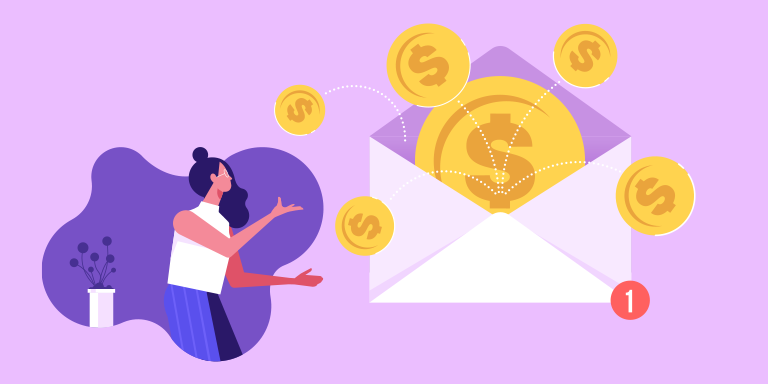
"Take" emails, conversely, represent the direct solicitations for purchase. These are the moments when a brand clearly communicates its call to action, such as announcing a product launch, offering a limited-time bundle, or initiating a flash sale. While these "spikes of energy" are crucial for driving revenue, their efficacy is directly proportional to the goodwill established through preceding "Give" emails.
A frequent error among founders is an overemphasis on "Take" emails. When every communication becomes a sales pitch, it can fatigue the audience, leading to decreased engagement, rising unsubscribe rates, and customers tuning out. This disengagement is not necessarily a reflection of a poor offer but rather a consequence of its predictability and the lack of perceived value delivered outside of promotional windows.
Adopting a "Give and Take" approach encourages a more balanced and sustainable relationship with subscribers. By prioritizing guidance and value provision before direct selling, brands can ensure that their "Take" messages land with greater impact. When subscribers feel they have learned something or experienced an emotional connection between offers, their receptiveness to subsequent sales communications significantly increases.
Crafting Perceived Value: Generous Offers That Protect Margins
A pervasive myth in e-commerce marketing is that the most effective email offers are always the most substantial discounts. However, this is a simplification. The most impactful offers are often those that feel generous to the customer while subtly safeguarding the company’s profit margins. The key lies in maximizing perceived value. When customers believe they are receiving something exceptional, the actual cost to the business becomes a less critical factor in their purchasing decision.
This necessitates a re-evaluation of what constitutes "value" beyond simple price reductions. Businesses can cultivate perceived value through various strategies:
- Exclusive Access: Offering early access to new products, limited edition items, or members-only collections creates a sense of privilege and desirability. This taps into the psychological desire for exclusivity and belonging. For example, a brand could announce a new product line to its email subscribers 24 hours before its public release, framing it as a special perk for loyal customers.
- Bundling and Value-Adds: Instead of a direct discount, businesses can create attractive bundles of complementary products at a combined price that offers a clear saving compared to purchasing items individually. Alternatively, including a complimentary gift with purchase, such as a sample of a new product or a branded accessory, can enhance the perceived value without significantly impacting the profit margin of the core item. A skincare brand might offer a new serum with a complimentary travel-sized cleanser, making the overall purchase feel like a more substantial deal.
- Loyalty Programs and Tiered Rewards: Implementing tiered loyalty programs that reward repeat purchases with escalating benefits, such as exclusive discounts, free shipping thresholds, or personalized gifts, encourages long-term engagement. Customers are motivated by the accumulation of rewards and the status associated with higher tiers. A coffee shop, for instance, could offer a free drink after a certain number of purchases, with higher tiers unlocking exclusive merchandise or discounts on merchandise.
- Personalization and Customization: Offering personalized product recommendations based on past purchase history or browsing behavior can make customers feel understood and valued. Allowing for minor customization options on products, where feasible, further enhances this sense of individual attention. A clothing retailer might send an email highlighting items that align with a customer’s previously expressed style preferences, making the offer feel uniquely tailored.
- Content and Educational Value: For businesses whose products require explanation or involve a learning curve, offering exclusive content related to product usage, care, or industry insights can be a powerful value-add. This could include detailed guides, video tutorials, or Q&A sessions with experts. For instance, a fitness equipment company could offer exclusive workout plans or nutritional advice to purchasers of their equipment.
Each of these strategies provides the customer with a tangible benefit, fostering a positive perception of the offer without conditioning them to expect continuous price reductions. The focus shifts from subtracting margin to adding perceived value, encompassing elements of exclusivity, reward, community, and personalized attention.
Conclusion: Strategic Offers for Sustainable Growth
When employed judiciously, promotional offers represent one of the most potent instruments in a marketer’s toolkit. They possess the capacity to capture immediate attention, instill a sense of urgency, and provide customers with a compelling rationale for acting promptly. However, an overreliance on discounts in every email communication can inadvertently shift the focus from brand building to habit formation, training customers to anticipate price reductions rather than engage with the intrinsic value of the brand and its offerings.
This is precisely where platforms like Omnisend emerge as critical allies for e-commerce founders. Engineered with the specific needs of online businesses in mind, Omnisend empowers entrepreneurs to communicate more intelligently, not merely more frequently. The platform provides a comprehensive suite of tools designed to optimize email marketing strategies:
- Advanced Segmentation: Enables businesses to tailor messages to specific customer segments based on purchasing behavior, demographics, and engagement levels, ensuring offers are highly relevant.
- Automation Workflows: Facilitates the creation of automated email sequences for abandoned carts, post-purchase follow-ups, and re-engagement campaigns, nurturing customer relationships throughout their lifecycle.
- A/B Testing Capabilities: Allows for the testing of different subject lines, content, and offer variations to identify the most effective strategies for maximizing conversion rates and customer engagement.
- Personalization Tools: Supports dynamic content insertion and personalized product recommendations, enhancing the relevance and impact of individual email communications.
- Performance Analytics: Provides detailed insights into campaign performance, enabling data-driven decision-making and continuous optimization of email marketing efforts.
Currently, Foundr readers have the opportunity to benefit from a special offer: 50% off their first three months with Omnisend. By using the code FOUNDR50, businesses can gain access to these powerful tools and begin implementing email strategies that not only drive sales but also cultivate lasting customer relationships and sustainable brand growth. This strategic investment in effective email marketing can transform how businesses connect with their audience, moving beyond transactional discounts to build genuine value and enduring loyalty.