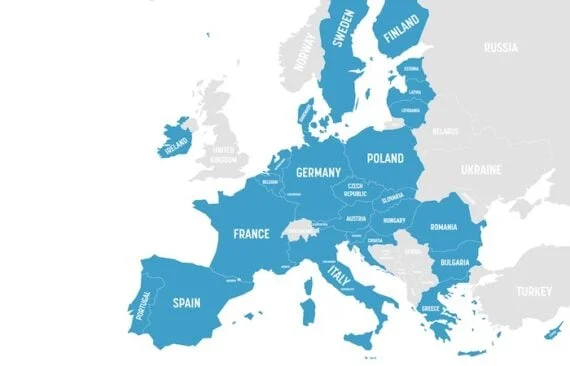
Navigating the Global Divide: A Comparative Analysis of Online Return Policies and Economic Impact in the European Union and the United States
The landscape of global e-commerce is increasingly defined not just by how products are sold, but by how they are sent back. As digital trade continues to expand across borders, the divergence between the regulatory frameworks of the European Union and the United States has created a complex environment for both consumers and merchants. In the E.U., the process is governed by strict, harmonized statutory requirements designed to protect the consumer’s "right of withdrawal." In contrast, the U.S. market operates on a principle of merchant autonomy, where return policies are viewed as competitive tools rather than legal mandates. This fundamental difference in philosophy has profound implications for profit margins, logistics, and consumer behavior on both sides of the Atlantic.
The Statutory Mandate of the European Union
The European Union’s approach to e-commerce is rooted in the Consumer Rights Directive (2011/83/EU), which was fully implemented across member states in June 2014. The primary objective of this legislation was to harmonize consumer protection laws, ensuring that a shopper in France enjoys the same rights as one in Poland. Central to this directive is the "right of withdrawal," a 14-day window during which consumers can cancel an online purchase for any reason—or no reason at all.
This 14-day period begins the moment the consumer receives the goods. Unlike the U.S., where a "final sale" is often legally binding, E.U. law mandates that merchants must accept returns unless the items fall into specific exempt categories, such as personalized products, sealed audio or video recordings that have been opened, or highly perishable goods. This legal structure removes the "buyer’s remorse" risk for the consumer, shifting the burden of uncertainty entirely onto the merchant.
Furthermore, the E.U. imposes strict timelines for financial restitution. Once a consumer notifies a merchant of their intent to withdraw, the merchant is legally obligated to issue a refund within 14 days. While the merchant may withhold the funds until they have physical possession of the goods or proof of return shipment, the original cost of standard delivery must also be refunded. This creates a significant cash-flow challenge for small and medium-sized enterprises (SMEs) that may have to refund thousands of euros while the inventory is still in transit.
The Market-Driven Model of the United States
In the United States, the regulatory environment is markedly different. There is no federal law requiring retailers to accept returns or offer refunds unless a product is defective or the merchant has breached a contract. Instead, return policies are determined by individual retailers and are governed primarily by state contract law and the competitive pressures of the free market.
While some states, such as California and New York, require retailers to clearly post their return policies in-store or online, they do not dictate what those policies must be. This "laissez-faire" approach has allowed for a wide variety of strategies. Some retailers, particularly in the luxury or high-end electronics sectors, may offer only a 7-day return window or charge significant "restocking fees" that can range from 10% to 25% of the purchase price.
Conversely, the "Amazon Effect" has pushed many U.S. retailers toward extreme generosity. To compete with the e-commerce giant’s seamless return process, many American brands offer 30-, 60-, or even 90-day return windows, often with free return shipping included. In the U.S., the return policy is a marketing asset—a way to build brand loyalty and lower the barrier to purchase. However, because these policies are voluntary, merchants retain the right to "blacklist" serial returners or change their policies overnight to protect their bottom line.
Comparative Data: The High Cost of Returns
The economic impact of these differing systems is reflected in the return volumes reported in each region. According to estimates from the National Retail Federation (NRF) released in late 2025, U.S. online buyers are expected to return approximately 19.3% of all digital purchases throughout the year. This represents a staggering financial weight, totaling hundreds of billions of dollars in "lost" sales and reverse logistics costs. The high return rate in the U.S. is often attributed to "bracketing"—the consumer practice of buying multiple sizes or colors of the same item with the intent of keeping one and returning the rest.
In the European Union, the data presents a more nuanced picture. Statista reports that in 2024, E.U. customers returned roughly 7% of overall e-commerce revenue. While this figure is significantly lower than the U.S. average, it masks sharp regional variations. Germany, for instance, remains a global outlier with a high-return culture; approximately 55% of German online shoppers returned at least one product in 2024. This is largely attributed to the prevalence of "open invoice" payment methods in Germany, which allow consumers to receive goods and only pay for what they keep, effectively institutionalizing the return process as part of the shopping experience.
Chronology of Regulatory and Market Shifts
The evolution of these policies has followed distinct timelines. In the E.U., the journey toward the current 14-day statutory right began in the late 1990s with the Distance Selling Directive, which initially provided a 7-day window. The 2011 Consumer Rights Directive doubled this window and streamlined the process to prevent member states from imposing their own, more restrictive rules. By 2014, the "14-day rule" became the gold standard for European digital trade.

In the U.S., the shift has been driven by technology and competition rather than legislation. The early 2000s saw the rise of Zappos, which pioneered the "free shipping both ways" model, proving that generous return policies could drive massive growth. The 2010s were dominated by Amazon’s expansion of "Prime" benefits, which forced traditional brick-and-mortar retailers like Walmart and Target to overhaul their digital return infrastructure.
By 2022 and 2023, however, a counter-trend began to emerge. Faced with rising fuel costs and inflationary pressures, major retailers on both sides of the Atlantic—including Zara, H&M, and J.Crew—began charging fees for mail-in returns. This marked the first significant retreat from the "free returns" era, as businesses sought to reclaim the costs of reverse logistics.
Logistics and the Environmental Toll
The logistics of returns extend far beyond the simple act of mailing a package. Once an item is returned, it must undergo a rigorous inspection process. In the E.U., merchants are permitted to deduct value from a refund if the item shows signs of use beyond what would be necessary to inspect it in a physical shop. In the U.S., items are often categorized as "A-stock" (resellable as new), "B-stock" (open box/discounted), or "C-stock" (liquidated or destroyed).
The environmental implications are also coming under increased scrutiny. The carbon footprint of a returned item is often double that of a successful sale due to the extra transportation and the frequent use of non-recyclable packaging. In the E.U., this has led to discussions regarding the "Circular Economy Action Plan," which may eventually pressure retailers to reduce returns through better AI-driven sizing tools and more accurate product descriptions.
Strategic Implications for Global Merchants
For businesses operating in both the E.U. and the U.S., a "one-size-fits-all" return policy is no longer viable. Expansion planning now requires a bifurcated strategy that accounts for the legal rigidity of Europe and the competitive volatility of America.
In the E.U., the priority for merchants is strict compliance and clear disclosure. Failure to inform a consumer of their right to withdrawal can legally extend the return window from 14 days to a full year. Merchants must ensure that their checkout process includes a clear explanation of who bears the cost of return shipping. If the merchant fails to state that the consumer pays for return shipping, the merchant is legally required to cover it.
In the U.S., the priority shifts to optimization and data analytics. Merchants must treat their return policy as a variable cost. By tracking return rates against customer lifetime value, U.S. retailers can tailor policies—offering free returns to loyal "VIP" customers while imposing stricter rules or fees for high-risk, low-value shoppers.
Analysis of Broader Impacts
The divergence in return rules reflects a broader cultural divide in how the two regions view the relationship between the state, the merchant, and the citizen. The E.U. model prioritizes the "citizen-consumer," ensuring that the digital world does not strip individuals of their fundamental rights. This creates a predictable, if sometimes costly, floor for doing business.
The U.S. model prioritizes the "merchant-entrepreneur," allowing the market to find its own equilibrium. This fosters innovation and allows for extremely customer-friendly policies that would be difficult to mandate by law. However, it also leaves consumers vulnerable to "policy creep," where return windows are quietly shortened or fees are added during peak seasons.
As e-commerce continues to mature, the focus is shifting from the point of sale to the point of return. Merchants who successfully model these costs into their expansion plans—acknowledging the statutory burdens of Europe and the competitive demands of the U.S.—will be the ones best positioned to survive in an era where the "buy" button is only the beginning of the transaction. The future of e-commerce may well depend on perfecting the art of the return, balancing consumer satisfaction with the harsh realities of global logistics and environmental sustainability.

Related Posts

The Evolution of Digital Content Strategy in the Era of Generative Artificial Intelligence and Algorithmic Volatility

Strategic Optimization and the Data-Driven Future of Ecommerce Conversion Design