USA Rare Earth’s $2.8 Billion Acquisition of Brazil’s Serra Verde Signals Major Shift in Global Rare Earth Dynamics
Oklahoma-based USA Rare Earth has announced its definitive plan to acquire Brazilian rare earth miner Serra Verde for an estimated $2.8 billion, a strategic maneuver poised to significantly challenge China’s long-standing dominance as the world’s leading supplier of critical rare earth elements. The deal, publicly revealed in an April 20 release, is a cornerstone in the ongoing global effort to diversify supply chains for these indispensable materials, particularly the highly coveted heavy rare earth elements (HREEs).
The acquisition is designed to secure the only large-scale producer of vital HREEs outside of Asia for USA Rare Earth. By 2027, Serra Verde is projected to account for more than half of all non-China HREE production, fundamentally reshaping the global supply landscape for these strategically important minerals. This move represents a substantial step towards achieving greater supply chain resilience and reducing the world’s profound reliance on a single geopolitical source for critical technologies.
The Strategic Imperative: Breaking China’s Monopoly on Heavy Rare Earths
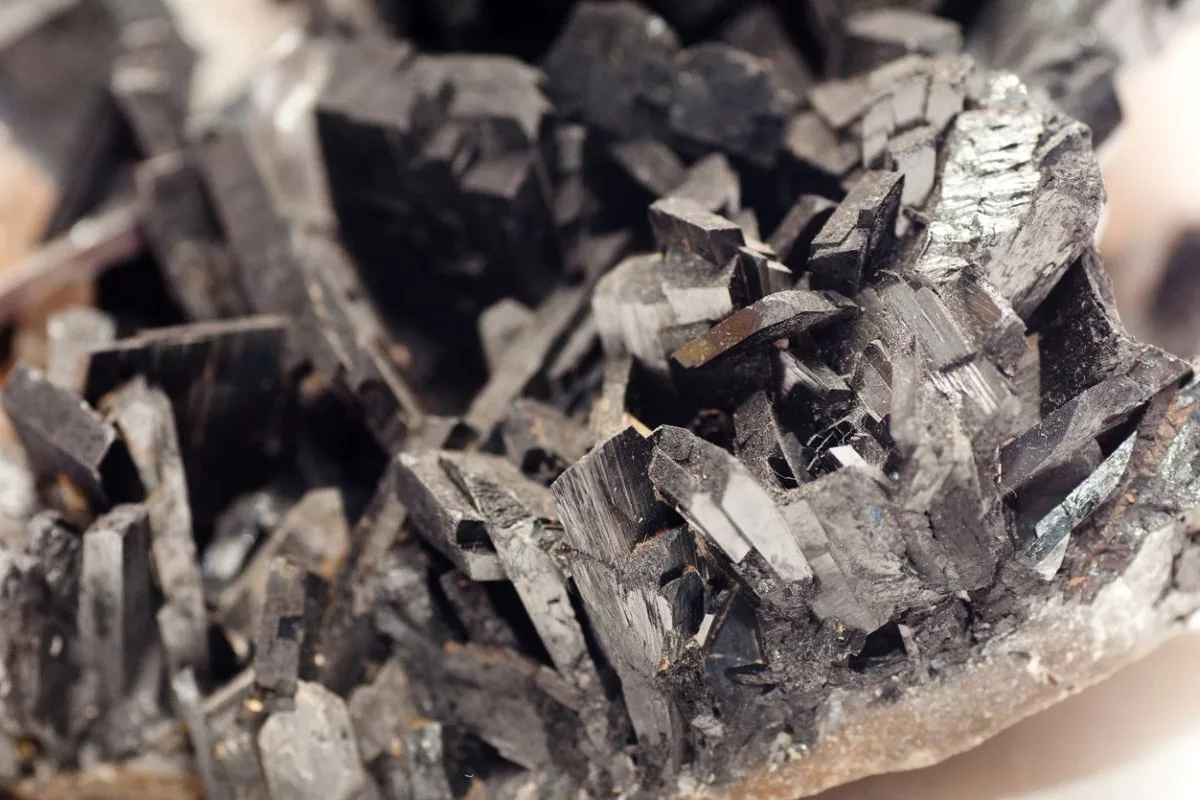
The global rare earth market, valued at approximately $8.1 billion in 2023 and projected to reach over $14 billion by 2030, is characterized by its strategic importance and complex geopolitics. Rare earth elements (REEs) are a group of 17 chemically similar metallic elements crucial for a vast array of modern technologies, from consumer electronics and electric vehicles to renewable energy systems and advanced military hardware. They are broadly categorized into light rare earth elements (LREEs) and heavy rare earth elements (HREEs).
HREEs, which include elements like dysprosium, terbium, and yttrium, are considerably scarcer and more expensive than their LREE counterparts. Their unique magnetic and luminescent properties make them indispensable for high-performance magnets, often found in precision-guided munitions, stealth technology, advanced radar systems, and high-efficiency electric motors. For decades, China has maintained a near-virtual monopoly on the global supply of HREEs, producing anywhere between 85% and 99% of these critical minerals, depending on the specific element and market conditions. This overwhelming concentration of supply has long been a point of concern for Western governments and industries, raising fears of potential supply disruptions, price manipulation, and geopolitical leverage.
Barbara Humpton, CEO of USA Rare Earth, articulated the urgency of the situation during an April 20 appearance on CNBC’s Squawk Box, stating, "The world has become too dependent on a single source and it’s high time to break that dependency." Her remarks underscore the widespread recognition among policymakers and industry leaders that diversifying rare earth supply chains is not merely an economic objective but a national security imperative.
Serra Verde: A New Hub for Heavy Rare Earth Production
Serra Verde’s operations in Brazil represent a significant non-Chinese source of HREEs. Located in the state of Goiás, the company has developed a robust mining and processing facility capable of producing a range of high-purity rare earth oxides. Its ionic clay deposits are particularly rich in HREEs, a geological formation type that is relatively rare globally but offers more straightforward extraction processes compared to hard rock deposits. The acquisition by USA Rare Earth is expected to significantly bolster Serra Verde’s operational capabilities, allowing for increased production volumes and enhanced processing efficiencies.
The prospect of Serra Verde contributing over half of all non-China HREE supplies by 2027 is a game-changer. This projection is not merely about increasing raw material output but about establishing a reliable, transparent, and ethically sourced supply chain that can cater to the growing demand from industries seeking to de-risk their operations from geopolitical vulnerabilities. Analysts suggest that this level of diversified production could introduce a much-needed element of competition into the HREE market, potentially stabilizing prices and ensuring more predictable access for manufacturers outside of China.
USA Rare Earth’s Vision: A Fully Integrated, Western-Aligned Supply Chain
For USA Rare Earth, the acquisition of Serra Verde is a pivotal step towards realizing its overarching goal of creating a fully integrated rare earth supply chain. The company’s strategy extends beyond mere mining to encompass the entire value chain, from raw material extraction to the production of finished magnets. This includes mining, processing, separation, metallization, and ultimately, magnet making.
"We are advancing our goal of creating a fully integrated platform that will serve as a cornerstone of global rare earth supply security for decades to come," Humpton affirmed. This integrated approach is critical because simply extracting raw rare earth ore is only the first step. The complex processes of separating individual rare earth elements to high purity, converting them into metals, and then alloying them into high-performance magnets are where significant technical expertise and infrastructure are required. Historically, much of this downstream processing has also been concentrated in China. By integrating these capabilities, USA Rare Earth aims to offer a comprehensive, secure alternative, minimizing reliance on any single foreign entity at any stage of the production process.
The combined capabilities of USA Rare Earth and Serra Verde are expected to provide a robust platform for both LREEs and HREEs, offering a diversified portfolio to meet varied industrial demands. USA Rare Earth already has projects and initiatives aimed at developing processing capabilities within the United States, and the Brazilian acquisition complements these efforts by securing a major, reliable source of critical HREE feedstocks.
A Global Race for Critical Minerals: Broader Implications
The USA Rare Earth-Serra Verde deal unfolds against a backdrop of intensifying global competition for critical minerals. Governments worldwide, particularly in the United States, Europe, and Japan, have initiated comprehensive strategies to secure reliable supplies of rare earths and other essential materials. The COVID-19 pandemic exposed the fragility of global supply chains, while geopolitical tensions have underscored the risks associated with dependency on potentially adversarial nations.
The U.S. government, through various legislative actions and executive orders, has emphasized the need to rebuild domestic rare earth processing capabilities and forge stronger alliances with countries possessing significant mineral reserves. Initiatives like the U.S. Department of Defense’s investments in rare earth separation facilities and the Department of Energy’s funding for critical mineral research highlight this strategic priority. The acquisition of Serra Verde aligns perfectly with these broader national security and economic objectives, providing a substantial source of HREEs from a geopolitically stable partner in Latin America.
Beyond Brazil, other nations are also emerging as potential alternative sources. Substantial reserves of HREEs have recently been discovered in Vietnam, attracting significant foreign investments from countries eager to diversify their rare earth portfolios. Australia, with its established mining sector, has also been increasing its rare earth output and processing capabilities, albeit primarily for LREEs. These parallel developments underscore a concerted global effort to reduce reliance on China, fostering a more diversified and resilient rare earth ecosystem.
Economic and Geopolitical Impact
The $2.8 billion acquisition carries significant economic and geopolitical implications. For Brazil, it represents a substantial foreign direct investment into a critical sector, potentially stimulating local economies, creating jobs, and enhancing its position as a key player in the global mineral supply chain. It also validates Brazil’s geological potential for rare earth minerals, which could attract further investment and exploration.
For the United States and its allies, the deal offers a tangible step towards supply chain security, reducing the leverage that China could exert through its control of HREEs. This could have profound impacts on national defense capabilities, the transition to green energy (e.g., permanent magnets for wind turbines and EVs), and the competitiveness of high-tech industries. By securing a reliable, non-Chinese source, manufacturers can plan with greater certainty, potentially mitigating price volatility and ensuring the availability of essential components.
Challenges and the Path Forward
Despite the strategic advantages, the integration of USA Rare Earth and Serra Verde will not be without its challenges. The $2.8 billion price tag is substantial, and successful integration will require careful management of operational, cultural, and regulatory complexities. Obtaining all necessary regulatory approvals in both the U.S. and Brazil will be a critical initial hurdle. Environmental considerations, particularly regarding mining practices and processing waste, will also need meticulous attention to ensure sustainable and responsible operations. Rare earth mining can be environmentally intensive, and adherence to the highest environmental standards will be crucial for maintaining social license to operate.
Furthermore, the rare earth market remains subject to fluctuations in demand, pricing, and technological advancements. While the long-term outlook for rare earths is strong due to their essential role in emerging technologies, short-term market dynamics can be unpredictable. The success of this acquisition will ultimately depend on USA Rare Earth’s ability to efficiently scale up Serra Verde’s production, integrate it seamlessly into its broader strategy, and navigate the evolving geopolitical and economic landscape of critical minerals.
Chronology of Key Developments in Rare Earth Diversification
- Early 2000s – 2010: China solidifies its dominance in the rare earth market, leveraging low production costs and less stringent environmental regulations to capture over 90% of global supply, particularly for HREEs.
- 2010: China implements export quotas and tariffs on rare earths, sparking international concern and driving up prices, highlighting the vulnerability of global supply chains. This event serves as a major wake-up call for Western nations.
- Mid-2010s: Western governments and industries begin to actively explore strategies for supply chain diversification, investing in domestic projects and seeking international partnerships.
- Late 2010s – Early 2020s: Geopolitical tensions (e.g., U.S.-China trade disputes) and the COVID-19 pandemic further accelerate the push for critical mineral independence and resilience. Significant reserves of HREEs are discovered or confirmed in countries like Brazil and Vietnam, attracting increased foreign investment.
- April 20, 2026: USA Rare Earth announces its intention to acquire Brazil’s Serra Verde for $2.8 billion, a landmark deal aimed at securing a major non-Asian source of HREEs.
- 2027 (Projected): Serra Verde is expected to represent more than half of all non-China HREE supplies, marking a significant milestone in global rare earth supply chain diversification.
This acquisition by USA Rare Earth is more than just a corporate transaction; it signifies a pivotal moment in the global rebalancing of critical mineral supply chains. As nations continue to prioritize technological sovereignty and national security, such strategic investments are likely to become increasingly common, reshaping the geopolitics of resources for decades to come.


Related Posts

Delta Air Lines Adjusts Key Environmental Targets Amidst Slow Sustainable Fuel Progress
India’s Trade Deficit Narrows to $20.67 Billion in March Amidst Middle East Conflict Disruptions and Global Economic Headwinds