Seasonal Email Strategies That Drive Sales Without Feeling "Salesy"
The inbox has become a battlefield, particularly during peak shopping seasons. As brands vie for consumer attention, email marketing often devolves into a cacophony of discounts and urgent calls to action, leading many recipients to tune out or hit the unsubscribe button. However, a strategic approach can transform seasonal email campaigns from intrusive solicitations into valuable touchpoints that foster customer loyalty and drive revenue. This guide delves into proven methods for executing seasonal email strategies that resonate with audiences and achieve sales objectives without alienating subscribers.
The Overwhelmed Inbox: A Modern Marketing Challenge
The digital landscape of retail is characterized by constant connectivity and an unprecedented volume of marketing messages. During periods like Black Friday, Cyber Monday, or major holiday seasons, consumers are bombarded with emails. A study by MarketingSherpa found that 61% of consumers unsubscribe from email lists because they receive too many emails. This saturation point means that generic, overly promotional messages are increasingly ineffective. Instead, businesses must adopt a more nuanced and customer-centric approach to email marketing, especially during these critical sales periods. The key lies in shifting from a purely transactional mindset to one that prioritizes building relationships and providing genuine value.
Strategic Planning: The Foundation of Effective Seasonal Campaigns
The cornerstone of successful seasonal email marketing is meticulous planning, commencing well in advance of the actual event. Procrastination is the enemy of impactful campaigns. Sending a Valentine’s Day promotion on February 13th, for instance, is a missed opportunity. True strategic planning involves developing a comprehensive content calendar that identifies key seasonal moments relevant to the target audience. This doesn’t necessitate a campaign for every obscure holiday, but rather a focused approach on events that align with the brand’s identity and customer interests.
A widely adopted and effective framework is the "give-and-take" approach. For every promotional email sent, it is recommended to send at least two pieces of content that educate, entertain, or inspire. This content strategy builds trust and establishes the brand as a valuable resource, rather than solely a vendor. When a sales-oriented email eventually arrives, subscribers are more receptive and engaged due to the prior value they have received. This psychological principle, rooted in reciprocity, significantly increases the likelihood of conversion.
Leading with Narrative: Connecting Emotionally Before Promoting
A common pitfall in seasonal email marketing is leading with the discount. Phrases like "50% Off Everything!" or "Limited-Time Holiday Sale!", while direct, are often indistinguishable from the thousands of other similar messages a consumer receives. This undifferentiated approach fails to capture attention or build a connection.
Instead, effective campaigns begin with a compelling narrative. This could involve sharing a personal story behind a product’s creation, highlighting a customer success story that aligns with the season, or offering a behind-the-scenes glimpse into the brand’s operations. For example, instead of announcing a summer collection discount, an email could open with: "Crafted for those sun-drenched afternoons where effortless style is paramount." The promotional offer can still be included, but it gains context, personality, and a deeper reason for existing beyond mere inventory clearance.
The power of storytelling in marketing is well-documented. Research suggests that narratives are significantly more memorable than factual data points. A study by Stanford University researchers found that stories are up to 22 times more memorable than facts alone. By leading with stories, brands can create a lasting impression and foster an emotional connection that makes the subsequent offer more impactful and desirable. The discount becomes the delightful add-on, not the sole reason for the communication.
Audience Segmentation: Tailoring Messages for Maximum Impact
Sending a generic, one-size-fits-all email to an entire subscriber list is a surefire way to make campaigns feel impersonal and "salesy." Just as one wouldn’t offer the same gift to vastly different individuals, marketers should not assume a uniform response to their seasonal communications.
Basic segmentation, such as differentiating between new subscribers and returning customers, can yield substantial improvements. A first-time buyer may require an introduction to the brand’s story and values during a seasonal event, while a loyal customer might appreciate early access to sales or exclusive loyalty rewards.
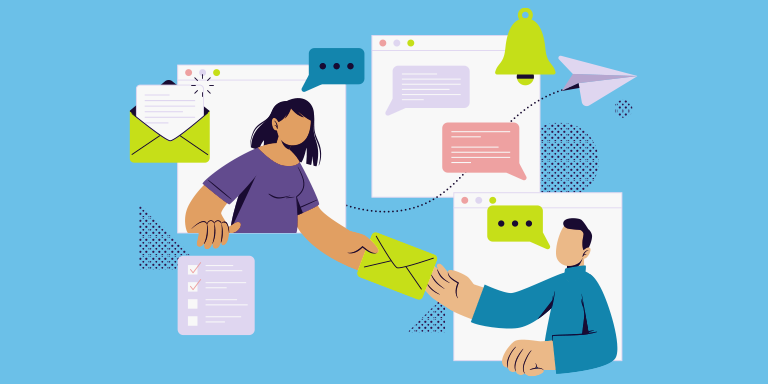
Advanced segmentation can further refine these efforts, utilizing data such as purchase history, engagement levels, browsing behavior, and demographic information. The more personalized an email feels, the less it resembles a mass solicitation and the more it appears as a tailored message crafted specifically for the recipient. This level of relevance significantly reduces the perception of being "sold to" and enhances the overall customer experience.
Platforms like Omnisend offer user-friendly segmentation tools, enabling even solo founders to implement sophisticated targeting strategies without requiring extensive technical expertise. By employing smart filters, businesses can transform generic blasts into personalized communications that resonate deeply with individual subscribers.
Cultivating Urgency Authentically: Beyond Desperation Tactics
Urgency is a powerful psychological driver in purchasing decisions. However, there is a critical distinction between generating genuine anticipation and employing manipulative tactics that can erode trust. Phrases like "FINAL HOURS!" or "You’ll regret missing this!" often come across as desperate and transparent, diminishing the brand’s credibility.
Effective urgency is built on authenticity and exclusivity. Offering early access to sales or new product drops to a segment of loyal customers creates a sense of privilege and rewards engagement, rather than imposing pressure. This fosters exclusivity and anticipation, making subscribers feel valued rather than rushed.
Limited edition products or seasonal exclusives also provide a natural and legitimate form of urgency. When an item is genuinely available for a limited time, customers respect the authenticity of the scarcity. This genuine constraint drives demand without resorting to manufactured panic.
A notable example is Lily, the founder of Luu Lounge. Prior to her product drops, she cultivated a highly engaged email and SMS list, building anticipation for the launch date and time. By the time products were available, demand was already high. Her strategy focused on earned excitement and anticipation, rather than aggressive "last chance" messaging, resulting in a queue of eager customers. This approach generates sales while simultaneously strengthening customer relationships.
Automation for Efficiency: Focusing on Strategy, Not Repetition
The goal of modern email marketing is to create well-timed, personalized conversations, not to shout into a crowded digital space. Successful founders are those who leverage technology to automate repetitive tasks, freeing up time to focus on strategic initiatives. Email and SMS marketing, when properly automated, can become powerful tools that work around a business owner’s schedule, not against it.
Tools like Omnisend are designed to streamline the execution of these strategies. By automating workflows for welcome sequences, abandoned cart reminders, and segmented seasonal campaigns, businesses can ensure consistent communication without an overwhelming workload. Foundr readers can access a special offer, receiving 50% off their first three months by using the code FOUNDR50 at signup, making sophisticated email and SMS marketing more accessible than ever.
The implication of these advanced yet accessible strategies is clear: seasonal marketing does not need to be a chaotic, high-pressure endeavor. By prioritizing planning, narrative, personalization, authentic urgency, and automation, businesses can transform their email campaigns into a reliable engine for revenue growth and sustained customer engagement. The focus shifts from simply selling products to building lasting relationships that benefit both the brand and its valued customers, especially during the crucial periods that define retail success.